

 erfan yazdani
Cancer Children’s Foundation; Where Treatment Is Not Just Medicine
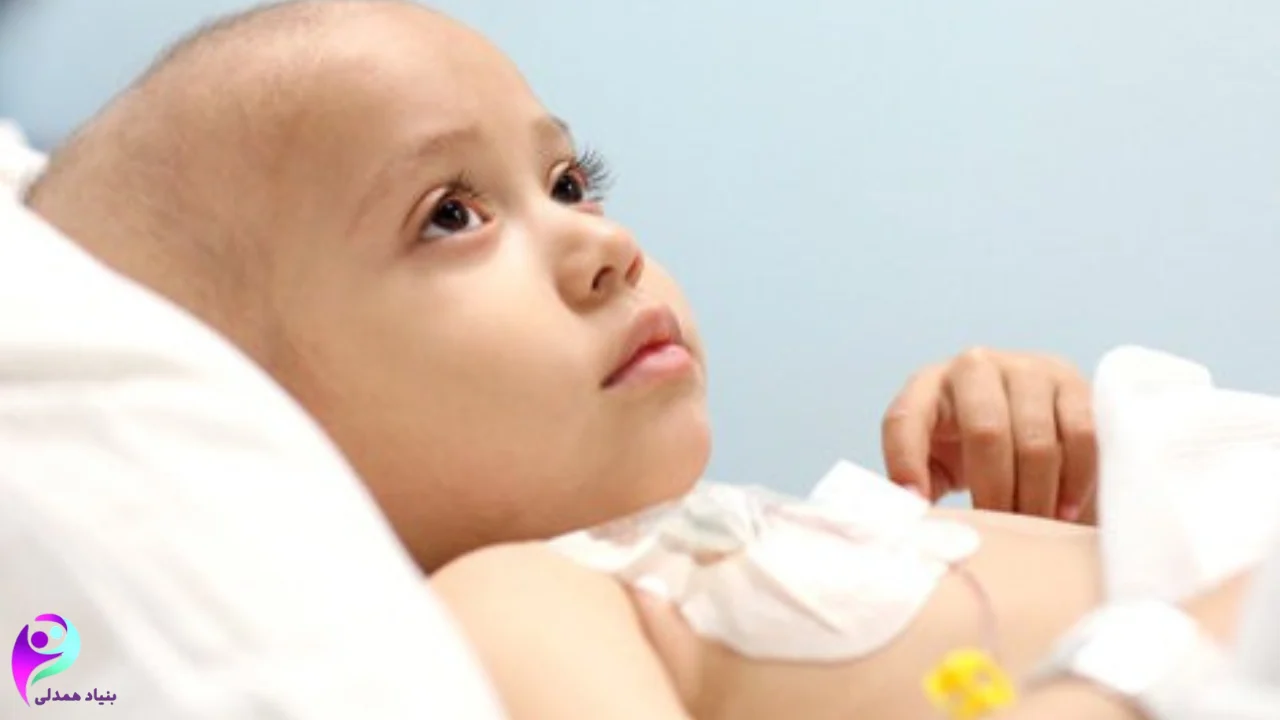
When the names of cancer and children come together, the mind subconsciously locks up. There is nothing normal about this combination. A child should play, laugh, and dream; not have his time divided between the hospital, medicine, and tests. This is exactly where the role of cancer children’s foundations comes into play. Where they don’t just fight the disease, they also protect “childhood.”
What exactly does a cancer children’s foundation do?
Many people think that these foundations only provide financial assistance. Financial assistance is important, but the story goes much further than that. A cancer children’s foundation tries to cover all the affected parts of a child’s and their family’s lives; from treatment to psychology, from education to hope.
These institutions stand by the family when the costs become prohibitive, when the mother is tired, when the father is helpless, and when the child needs peace more than ever.
Medical support; the first and most vital step
Childhood cancer treatment is usually long, expensive, and exhausting. Many families, even if they are mentally prepared, are financially at a standstill. This is where the Institute for Supporting Children with Cancer comes into play.
Part of the medical support provided by these institutions is paying for chemotherapy, medication, tests, hospitalization, transportation to medical centers, and even accommodation for families who come from faraway cities. This assistance ensures that the child’s treatment is not stopped or incomplete because of money.
Psychological support; something that is less visible but has a deeper impact
A child does not only get sick with his body; his mind and emotions are also involved. Fear of pain, anxiety about the hospital environment, separation from friends, and changes in appearance all affect the child’s psyche.
Cancer support institutions usually provide services such as psychological counseling, play therapy, storytelling, and art activities. These services help the child feel like he or she is still a “child,” not just a patient.
Family support; because the child is not alone
When a child is diagnosed with cancer, the entire family enters a crisis. Parents who are constantly worried about the future, siblings who feel forgotten, and an atmosphere that is filled with stress.
The Cancer Support Institute does not focus only on the child; it also sees the family. Parent training, family counseling sessions, and emotional support help the family stay stronger by the child’s side.
Education and continuing education; maintaining the child’s connection to normal life
A child’s disconnection from school and learning can create a feeling of backwardness and isolation. Many institutions try to create conditions where the child does not lose contact with education, even to a limited extent.
Simple educational classes, hospital education or online education make the child feel that life still goes on and that his future has not stopped.
Why is the existence of the Cancer Children’s Support Institute necessary?
The reality is that the medical system alone cannot cover all the needs of the child. Medical treatment is necessary, but it is not enough. The child needs human support; someone whose concern is not only the test results.
The Cancer Children’s Support Institute fills this gap. Somewhere between medicine and humanity. Where numbers and files are not important, the child himself is important.
The role of public participation in the continuation of the institutions’ path
Most of these institutions survive on public donations. Donations that may seem small, but when added up, work wonders. From paying for a medicine to providing a quiet day for a child.
Support is not just about money. Time, expertise, energy, and even sharing the organization’s activities are also forms of participation. Everyone can contribute according to their ability.
Transparency; the factor of trust and sustainability
One of the most important features of an organization supporting children with cancer is transparency. People feel more comfortable supporting them when they know where their donations are being spent.
Financial reports, real stories from children and families, and honest communication with supporters help maintain this trust and continue the path of support.
Cultural and hopeful activities for children
Organizing small celebrations, art programs, meeting inspiring figures, or even a simple gift can change a child’s mood. These seemingly small moments give a child great energy.
The organization supporting children with cancer tries to create these moments; The moments that a child remembers are still a reason to smile.
The long-term impact of supporting children with cancer on society
Helping a child with cancer is not just saving an individual. This support affects the family, those around them, and ultimately society. A child who grows up with support will be a stronger and more empathetic human being in the future.
Investing in the mental and physical health of children is an investment in the future of society; a healthier, more humane, and more responsible future.
Choosing a reputable institution; What should we pay attention to?
Choosing a reputable institution is very important for supporting children with cancer. Having an official license, a clear history, regular reporting, and direct communication with families are signs of credibility.
An institution that is accountable and its activities can be tracked creates more trust and provides more effective support.
The Institute for Supporting Children with Cancer; Hope That Continues
Ultimately, the Children’s Cancer Foundation is not just an institution; it is a human movement. A movement that does not want to make the child a hero of pain, but rather wants to make pain more bearable.
These institutions remind us that even in the most difficult circumstances, kindness still works. We can still stand together. We can still keep hope alive.
The Real Challenges of Cancer Support Organizations
Starting and running a cancer support organization is not just about good intentions. These organizations face challenges every day that are rarely seen from the outside. Lack of financial resources, rising treatment costs, mental exhaustion of volunteers, and administrative complexities are part of the reality of this path. However, what keeps these organizations going is seeing a child smile or a family feel at peace; something that makes all the hardships worthwhile.
The Importance of Long-Term Planning in Supporting Cancer Support
Effective support for cancer children does not require a short-term view. Some children’s treatment takes months or even years. A successful organization is one that can plan for this long journey; both financially, psychologically, and in terms of human resources. Proper planning ensures that support is not sporadic and that the child and family do not feel abandoned.
The Role of Volunteers in Bringing Organizations to Life
A large part of the energy of organizations supporting children with cancer comes from volunteers. People who, without expecting financial compensation, give their time and energy to help a child get better. The presence of volunteers is not just administrative help; they soften the dry atmosphere of treatment with human contact, jokes, games, and empathy. For many children, a kind volunteer can be the difference between a difficult day and a bearable one.
Social support; when society stands by the child
When society becomes more aware of children with cancer, the psychological pressure on families decreases. Organizations supporting children with cancer play an important role in creating a culture. Providing the right information, eliminating an overly compassionate view, and replacing it with genuine empathy helps the child not feel “negatively different.”
The Institute’s relationship with treatment centers and specialists
Close cooperation with doctors, psychologists, and treatment centers increases the quality of the Institute’s services. This relationship makes support more targeted and the child’s real needs identified. An institution that interacts with the treatment team knows better where to intervene and what help will have the most effect.
Psychological support after the end of treatment
Many think that everything ends with the end of treatment. But for many children, challenges just take on a new form. Fear of the disease returning, adjusting to school, and the views of others are issues that require support. If the Institute for the Support of Children with Cancer stays with the child at this stage, it will play a very important role in his future mental health.
The role of storytelling in attracting support
Telling true stories of children and families, without exaggeration or emotional abuse, can have a profound impact on the audience. These stories help people understand exactly what difference their help makes. Organizations that have honest stories tend to attract more trust and support.
Why is trust-building the most important asset of an organization?
Trust is not something that can be built with a campaign. Financial transparency, accountability, regular reporting, and professional behavior are the foundations of trust. If the organization supporting children with cancer maintains this trust, it can continue to operate for years and remain influential.
The impact of organizations’ activities on the morale of sick children
A child who knows that he is not alone and that many people are thinking of him feels more valuable. This sense of value can increase the child’s motivation to continue treatment. By creating this feeling, organizations play an indirect but important role in the treatment process.
The Future of Cancer Support Institutions
By increasing social awareness and using digital tools, institutions can operate more widely and effectively. An active online presence, transparent communication with supporters, and the use of different expertise will make the future of these institutions brighter. Every small step today can create a better tomorrow for a child.
Summary
The Cancer Support Institute is a bridge between treatment and humanity. Where a child is not just seen as a patient, but as a small human being with a big world. Supporting these institutions is supporting life, a future, and hope; something that no society should neglect.
Frequently Asked Questions about the Cancer Support Institute (FAQ)
What exactly does the Cancer Support Institute provide?
These institutions provide medical, psychological, educational, and support services for the child and his family.
Is helping these institutions only financial?
No. Help can be financial, voluntary, professional, or even cultural and informational.
How can you trust a reputable institution?
By checking the licenses, financial reports, activity history, and the level of transparency of the institution.
Does support only continue until the treatment?
In professional institutions, psychological and social support continues after treatment.
What is the role of volunteers in the institution?
Volunteers play a key role in implementing programs, communicating with children, and creating a humane environment.
Do families have to pay a fee to receive help?
In most institutions, support services are free for families.
Why is supporting children with cancer a social responsibility?
Because the health and future of these children is directly related to the future health of society.
Author of the article:Erfan

