
 erfan yazdani
Children with Cancer: A Complete Guide to Support, Care, and Hope for Families
Childhood cancer is a difficult and complex experience that deeply affects not only the child, but the entire family. When the word “cancer” comes to mind, the first thing that comes to mind is fear and worry, but the truth is that with the right care, emotional support, and up-to-date treatments, many children can live healthy and happy lives. In this article, we aim to address all aspects of this issue and help you understand how to support children with cancer, understand their treatment, and keep hope alive in the hearts of families.
Understanding Childhood Cancer
Childhood cancer is different from adult cancer. The type of cells, where the cancer is located, and how quickly it progresses are often different from those in adults. The most common types of cancer in children include leukemia, lymphoma, brain tumors, and neuroblastoma.
The important thing is that recognizing early signs can save a child’s life. These signs may include extreme fatigue, unusual bruising, frequent fevers, bone or abdominal pain, and rapid weight loss. Families should take these signs seriously and see a doctor right away.
The Importance of Early Detection
Early detection is the key to successful treatment. In many cases, when cancer is detected in its early stages, the chances of successful treatment and a return to normal life are much higher.
Pediatricians usually use blood tests, medical imaging, and sometimes biopsy to make an accurate diagnosis. If families pay attention and don’t ignore the smallest signs, they can begin the treatment process more quickly and effectively.
Treatment methods for pediatric cancer
Treatment for childhood cancer is a combination of several methods that vary depending on the type of cancer, the child’s age, and the stage of the disease.
Chemotherapy
Chemotherapy is one of the most common treatments, using specific drugs to target cancer cells. These drugs are usually given by injection or by mouth, and can cause side effects such as nausea, hair loss, and fatigue.
Radiotherapy
Radiation therapy uses high-energy rays to destroy cancer cells. It is used for some brain and bone cancers and is usually used in conjunction with chemotherapy.
Surgery
Sometimes, surgical removal of the tumor is necessary. This procedure is especially effective when the cancer is confined to one area.
Targeted therapies and immunotherapy
In recent years, new approaches such as immunotherapy and targeted therapies have come to the aid of families. These approaches usually have fewer side effects and can work with the child’s immune system to destroy cancer cells.
Emotional and psychological support for the child
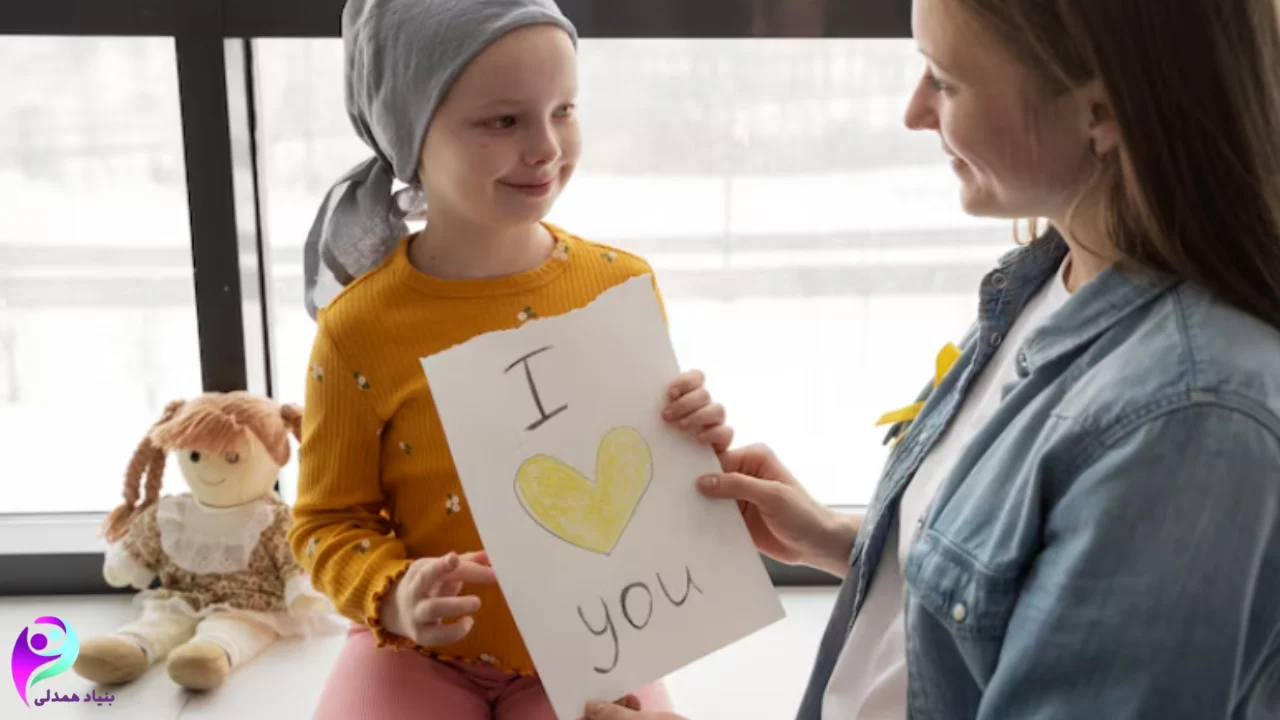
Cancer doesn’t just affect a child’s body; it also challenges their mind and spirit. Children may feel scared, anxious, and lonely. Parents need to learn how to manage these feelings with kindness and patience.
- Talking to your child: Explaining the illness in simple and honest language helps your child feel empowered and in control.
- Continuous emotional support: Active parental presence, play, storytelling, and even music can help reduce a child’s stress.
- Psychological counseling: Referral to a child psychologist, especially one who specializes in children with cancer, is very helpful.
The role of the family in the treatment process
Families play a vital role in a child’s recovery and treatment. Daycare, hospital companionship, and emotional support are all part of the treatment process.
- Establishing a regular routine: Sleep, nutrition, and light exercise can improve a child’s physical condition.
- Knowing the details of treatment: Understanding the treatment steps and side effects of medications helps the family be prepared and make the right decisions.
- Working with doctors: Constantly asking questions and carefully following doctors’ orders has a direct impact on the success of treatment.
Proper nutrition for children with cancer
Proper nutrition can boost a child’s immune system and help reduce the side effects of chemotherapy.
- Adequate protein: White meat, fish, eggs, and legumes are essential for cell regeneration.
- Fresh fruits and vegetables: Sources of vitamins and antioxidants are vital for fighting infections and improving overall health.
- Proper hydration: Adequate water and natural beverages are important for maintaining energy and preventing dehydration.
The importance of play and creative activities
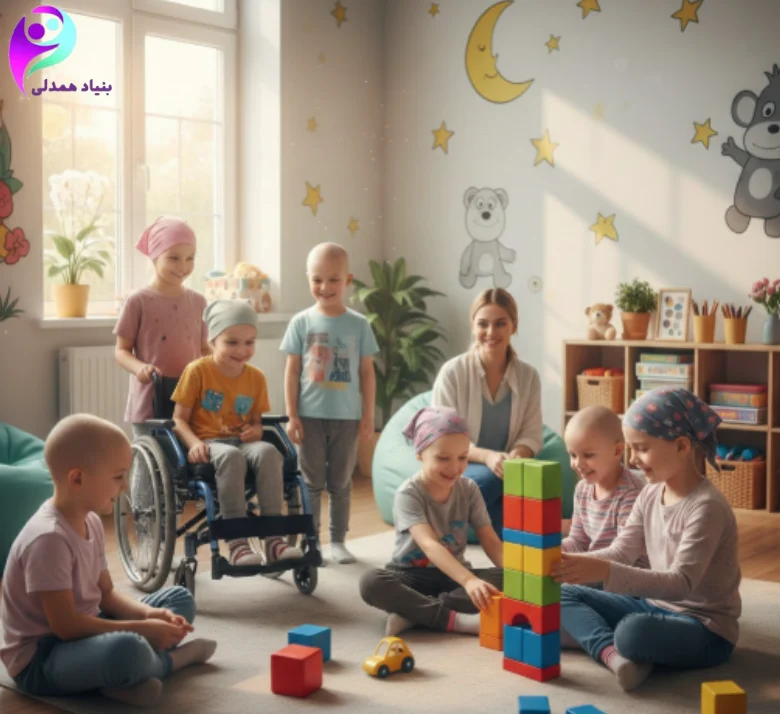
Playing, drawing, and creative activities are ways to reduce a child’s anxiety and stress. Even in the hospital, providing entertainment tools can create a happy and encouraging environment.
- Intellectual and educational games: help keep the child’s mind active and experience a sense of achievement and empowerment.
- Group activities: Connecting with other children in the hospital reduces feelings of loneliness and creates an experience of collective support.
Financial Support and Charities
Childhood cancer treatment is expensive, and many families need financial assistance. Charities play a very important role in this regard. One charity that works in this field is the Hamdali Foundation, which collects public donations and helps families cover the costs of treatment and essential medications.
Financial support from this foundation can save the lives of many children and keep hope alive in the hearts of families.
The Role of Society and School
Children with cancer usually lag behind in going to school and social activities. Society and schools can maintain a sense of normality and belonging for the child by creating the right conditions.
- Flexible learning: The ability to study online or in the hospital allows the child to continue their education.
- Peer support: Creating support groups and friendly activities increases the child’s self-confidence.
True Stories of Hope
Hearing true stories from children who have battled cancer can be inspiring and hopeful. Many of these children have gone on to live normal, successful lives after treatment, and have even become inspirations to others.
The bottom line is: Cancer is not the end of the road. With the right care, family support, and access to resources, many children can return to a normal life.
Stress management techniques for children and parents
Cancer is a stressful experience for both the child and the parents. Managing stress can have a direct impact on the treatment process and the child’s mood.
- Deep, relaxing breathing: Simple, daily breathing exercises can reduce a child’s anxiety. Even a few minutes of deep breathing before medical treatments can make a big difference.
- Music therapy: Listening to your child’s favorite music or playing an instrument can help reduce stress and provide a sense of comfort.
- Meditation and relaxation: For parents, short meditation sessions can provide the mental energy needed to support your child.
- Light physical activity: A short walk or light exercise (with your doctor’s permission) can release happy hormones and increase your child’s energy.
Educational and social activities in the hospital
Sometimes a child has to stay in the hospital due to treatment or physical weakness. Creating educational and social activities in this environment is very important.
- Hospital Tutoring: Many hospitals offer tutoring classes to help your child catch up on their studies.
- Group play with other children: Interacting with peers can help reduce feelings of loneliness and boost self-confidence.
- Art and creative workshops: Painting, crafts, storytelling, and even short filmmaking can help your child express their feelings.
Emotional support for parents and family
Parents also need support because psychological stress can affect their decisions and behaviors.
- Parent support groups: Meeting with parents who have had similar experiences can help reduce feelings of loneliness and learn practical strategies.
- Individual or group counseling: A psychologist can teach strategies for dealing with anxiety, fatigue, and depression.
- Recording memories and hopeful stories: Writing memories or recording positive moments is a good tool to create a sense of hope in the family.
Specialized nutrition and supplements
Nutrition for a child with cancer plays a direct role in the body’s resistance to the disease and tolerance to treatments.
- Antioxidant-rich foods: Berries, green vegetables, and bell peppers can reduce cell damage.
- Dietary supplements under the supervision of a doctor: Vitamin D, iron, and probiotics may be prescribed by a doctor to help your child’s body better cope with treatments.
- Pay attention to digestion and appetite: Changes in taste or nausea can cause a decrease in appetite; eating small, varied meals can be helpful.
Strategies to boost a child’s morale during treatment
A child’s mood has a direct impact on their acceptance of treatment and the healing process. Some practical strategies include:
- Small, achievable goals: The child can receive rewards for each small achievement, such as completing a chemotherapy session or participating in a game.
- Creating a happy and encouraging environment: Decorating the room, having dolls or photos of friends and family creates a sense of calm.
- Imagination and storytelling games: Playing with stories and heroic characters helps the child overcome fears.
Community and volunteer support activities
Social support can reduce stress on families and provide more resources for the child.
- Volunteering in hospitals: Volunteers can provide art, games, and entertainment for children.
- Fundraising and fundraising: Grassroots campaigns and charities, such as the Empathy Foundation, provide access to medicine, medical equipment, and even support for medical trips.
- Public education and awareness: Holding workshops and seminars about childhood cancer helps the community show more sensitivity and empathy.
Modern technology and tools to support children
Today, technology can be an important part of child treatment and support:
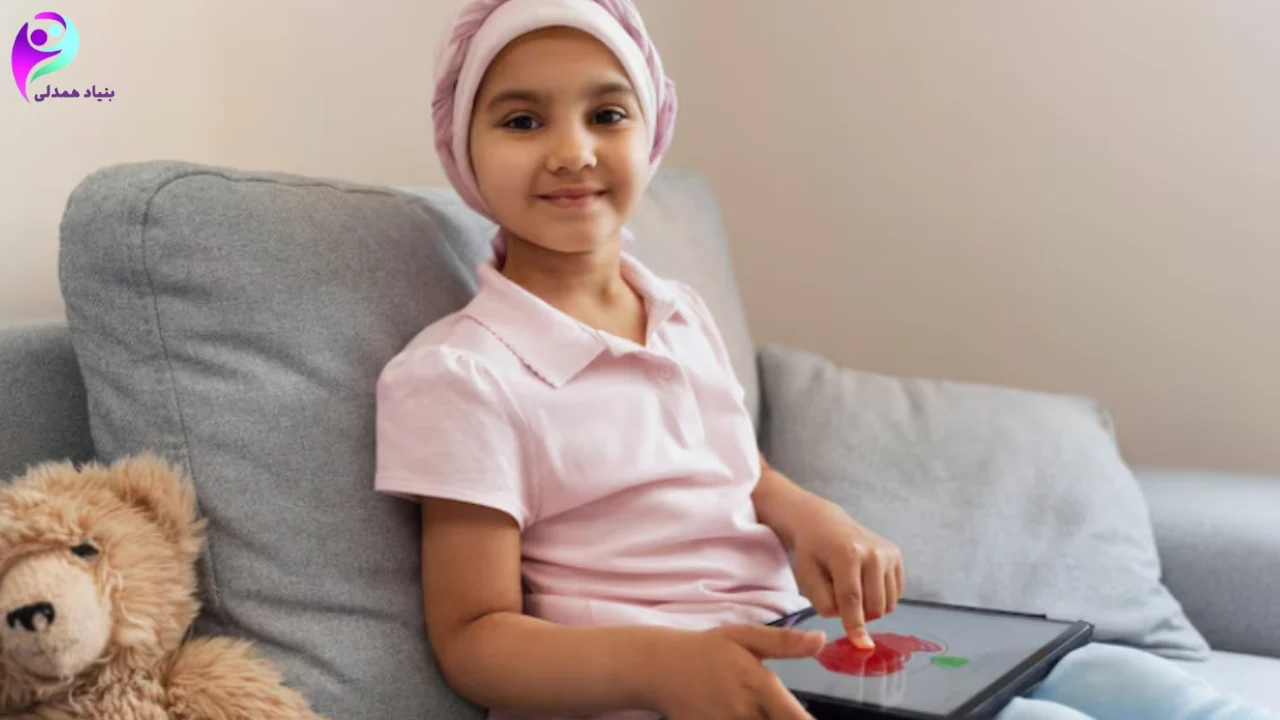
- Educational and entertainment apps: Educational and entertaining games can keep a child busy in the hospital room.
- Video conferencing with school: The ability to continue learning online without leaving the hospital.
- Health monitoring devices: Wearable devices that monitor a child’s vital signs help doctors and families better manage a child’s condition.
Charity-based activities and participation in supporting children with cancer
Charitable support doesn’t just include financial donations. Participation in campaigns, in-kind donations, and even moral support have a huge impact:
- Collecting toys and books: Giving a toy or book as a gift can boost a child’s morale.
- Helping with nutrition and essential medications: Many families cannot afford to buy nutritional supplements and essential medications.
- Holding hopeful events: Concerts, workshops, and entertainment programs that are held to support children with cancer both bring joy to the child and raise awareness in the community.
Hope and the Future
Childhood cancer is a big challenge, but we should not forget that there is always hope. Scientific advances, new drugs and social and psychological support have paved the way for recovery.
The important principle is that families and society join hands, with the right information and continuous support, children with cancer can live normal, happy and successful lives. Every small step, every smile and every help can make a big difference.
Conclusion
Fighting childhood cancer is a difficult and challenging journey, but with awareness, support, and empathy, it can be manageable. Families, doctors, psychologists, and the community all play a vital role. Paying attention to the child’s physical, mental, and nutritional health, supporting them through treatment, and taking advantage of financial and charitable support is key to successfully navigating this journey.
Hope, love, and companionship can keep the light on for children with cancer, even in the darkest of days. And remember, every small donation to the Empathy Foundation can save a child’s life and bring a smile back to a family.
Frequently Asked Questions About Children with Cancer
1. Is childhood cancer hereditary?
In many cases, childhood cancer is not hereditary, but certain genetic mutations can increase the risk.
2. Can children with cancer return to school?
Yes, with the right conditions and consultation with a doctor, many children return to school after a while.
3. What financial support is available for families?
Charities such as the Empathy Foundation, non-profit organizations, and medical centers provide financial and medical assistance.
4. Can children with cancer play?
Yes, light and creative games reduce stress and boost a child’s morale.
Author of the article:Erfan

