

 erfan yazdani
The Cost of Leukemia Treatment; A Reality Beyond Numbers
When a diagnosis of “leukemia” is made, the first shock is usually medical; the second shock, however, comes to the family very soon: costs. Leukemia treatment is not just a prescription or a course of medication. It is a long journey with costs that are sometimes unpredictable and sometimes breathtaking. For many families, the main question after diagnosis is: “How much do we really have to spend?”
What is leukemia and why is its treatment expensive?
Leukemia, or leukemia, is a disease that directly affects the blood cell production system. Treatment for this disease usually includes chemotherapy, specialized drug therapy, frequent tests, long hospitalizations, and sometimes bone marrow transplants. This breadth of treatment means that costs are not limited to just one part and increase over time.
Factors Affecting the Cost of Leukemia Treatment
The cost of treating leukemia does not have a fixed number. This cost depends on several factors, each of which can change the final figure.
Type of leukemia
There are different types of leukemia; acute or chronic, pediatric or adult. The type of disease determines how long the treatment will last and what medications are used.
Stage of diagnosis
The earlier the disease is diagnosed, the easier and less expensive the treatment will usually be. Diagnosis in advanced stages requires more intensive treatments.
Age of the patient
There are differences in the treatment of children and adults. Some medications or procedures are specific to specific age groups and change the costs.
Place of treatment
Public, private or specialized hospitals each have different tariffs. Geographic location also affects the costs.
Cost of chemotherapy in leukemia
Chemotherapy is one of the main parts of leukemia treatment. This stage usually has several courses, and each course includes medication, hospitalization, tests and ancillary care. The cost of chemotherapy can range from tens of millions to hundreds of millions of Tomans, depending on the type of medication and the length of treatment.
The important point is that chemotherapy is not just the cost of the medication; the cost of side effects, complementary medications, and follow-up care is also added to it.
The cost of specialized and imported medications
A significant portion of the cost of leukemia treatment is related to specific medications. Some of these medications are imported and have high prices. Currency fluctuations, drug shortages, and limited insurance coverage cause families to endure great financial pressure.
In some cases, just one medication can cost the equivalent of several months of a family’s income.
Hospitalization and care costs
Patients with leukemia usually require long hospitalizations. The cost of rooms, nursing services, daily tests, and intensive care gradually adds up. In private hospitals, these costs are much higher, but even in government centers, the cost is not zero.
Cost of repeated tests and imaging
During treatment, blood tests, bone marrow sampling, ultrasounds, and other examinations are repeated many times. Each of these items has its own separate cost, and the total can be a significant amount. This part of the cost is usually less visible, but it creates a lot of pressure in the long run.
Bone marrow transplant; expensive but vital
In some cases, a bone marrow transplant is the only effective treatment option. This procedure is considered one of the most expensive stages of leukemia treatment. The cost of a transplant includes patient preparation, a long hospitalization, special medications, and post-transplant care. This stage can be very expensive and unaffordable for many families without insurance or charity support.
The role of insurance in reducing the cost of leukemia treatment
Insurance plays an important role in reducing costs, but its coverage is not complete. Many special medications or ancillary services are not fully covered by insurance. This is why families still face heavy costs even with insurance.
Knowing the details of the insurance, the limits of obligations and services covered can reduce financial pressure to some extent.
Hidden costs of treatment that are less paid attention to
The cost of leukemia treatment is not only related to the hospital. Frequent travel, living in another city, special nutrition, temporary job loss of one of the parents, and even psychotherapy costs are all part of the financial burden. These costs are usually not seen in the initial calculations, but they have a big impact.
Psychological pressure of costs on the patient’s family
Financial worries multiply the stress of treatment. A family that is constantly worried about paying the costs has less energy to provide emotional support to the patient. In the case of children, this pressure can even affect the child’s morale. For this reason, financial and social support play an important role in the treatment process.
The role of charities in providing the cost of leukemia treatment
Charities and support institutions are often the saviors of families. Helping to provide medication, paying for hospitalization, or even non-financial support such as housing are part of the activities of these centers. Without the presence of these institutions, many treatments remain incomplete.
Can the cost of leukemia treatment be managed?
It may not be possible to completely manage costs, but it is possible to reduce its pressure. Choosing the right treatment center, making the most of insurance coverage, pursuing charitable support, and planning financially can help. Most importantly, do not be alone on this path.
Differences in the cost of leukemia treatment in children and adults
Leukemia treatment in children is usually longer but with a higher chance of recovery. Costs in this age group can increase gradually. In adults, the type of medication and side effects of treatment may affect the costs.
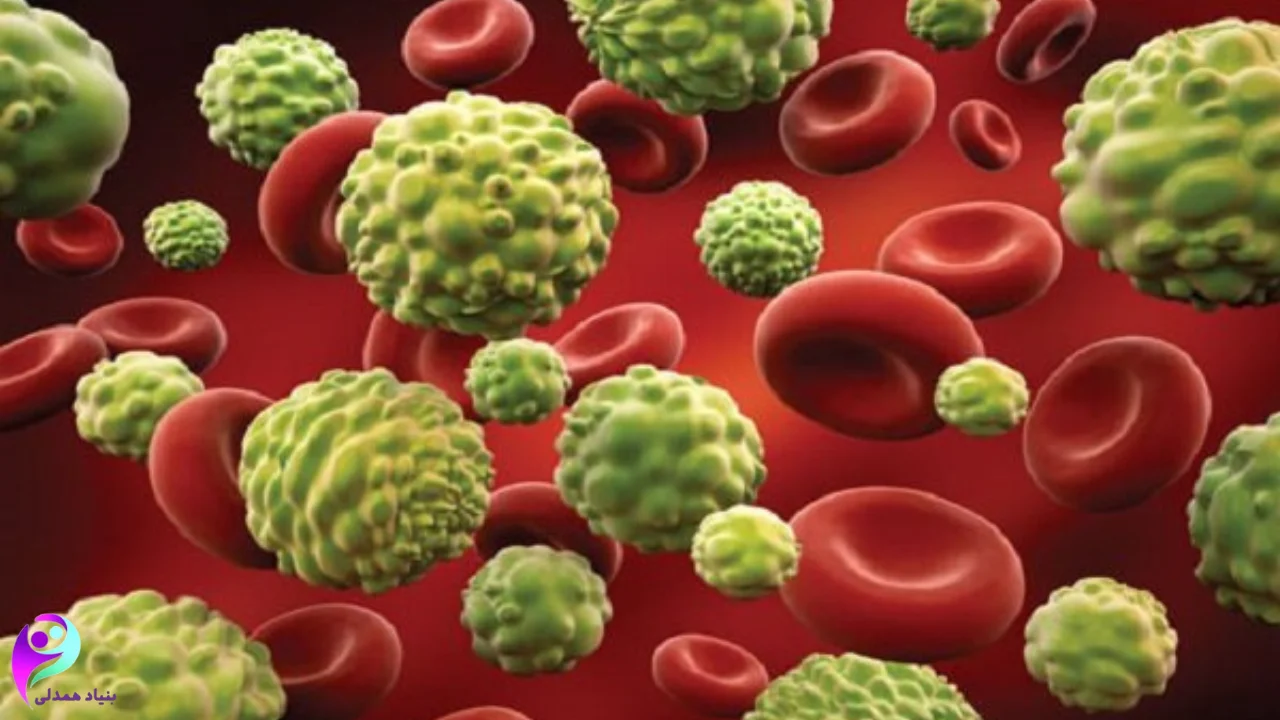
Financial Shock After a Leukemia Diagnosis
For many families, the cost of leukemia treatment presents itself right after hearing the diagnosis. The shock of the disease has not yet been digested, when prescriptions, tests, and hospitalizations begin. The problem is that these costs are not a one-time thing; they come trickle down, but they are continuous, and if the family is not prepared, they gradually wear out. This financial pressure can also affect treatment decisions, which should not happen.
The difference in the cost of treatment in public and private centers
One of the most frequently asked questions by families is whether treatment in a public or private hospital is better. In terms of cost, public centers are usually cheaper, but waiting lines, limited facilities, or crowds can be a challenge. Private centers have more facilities, but the costs sometimes multiply. Choosing between the two is more than a simple choice; it is a forced decision based on financial capacity.
Long-term and erosive costs of treatment
Leukemia usually does not have a short-term cure. Even when the main stages of treatment are finished, the costs continue. Maintenance medications, periodic tests, regular visits and follow-ups are all costly. This stage can be a surprise for families who thought the costs were over.
The role of economic conditions in access to treatment
It is impossible to talk about the cost of leukemia treatment and ignore the economic conditions. Inflation, fluctuating drug prices and increasing ancillary costs make treatment a real crisis for some families. In such circumstances, even families who were moderately well-off at the beginning of the journey may continue to have problems.
Cost of leukemia treatment in different cities
The cost of treatment in big cities is usually higher, but the facilities are also more extensive. Families coming from small towns, in addition to the cost of treatment, must also consider the cost of accommodation, transportation and food. These costs are sometimes as heavy as the treatment itself and create additional pressure.
The impact of the length of hospitalization on costs
A long-term hospitalization is one of the main factors in increasing the cost of leukemia treatment. Every day of hospitalization means the cost of a room, nursing services, medication, and tests. In some cases, the length of hospitalization is unpredictable, and this uncertainty makes financial planning difficult.
The cost of treatment and difficult decisions for families
Unfortunately, some families are forced to make difficult decisions between costs and continuing treatment. This is where the role of social support and charities comes into play. No family should stop treatment due to financial inability, but the reality is that without support, this happens.
The role of awareness in reducing financial pressure
Being aware of the treatment path, possible costs, and sources of support can reduce financial pressure. A family that knows from the beginning what steps are ahead can plan better. Consulting with the treatment team, insurance, and even charities is part of this awareness.
The cost of leukemia treatment and family mental health
Financial stress doesn’t just empty the family’s pockets; it also affects the mind and psyche. Constant anxiety about money can cause mental fatigue, family tension, and even depression. This situation also affects the patient, as the home and surroundings become filled with worries. For this reason, psychological support is very important along with financial support.
A realistic view of costs; no fear, no denial
Some families prefer not to talk about it because of fear of costs. Others think that everything will somehow be resolved. A realistic view means knowing that leukemia treatment is expensive, but there are ways to manage and reduce the pressure. Denial or panic are not helpful.
Social responsibility towards the cost of leukemia treatment
Leukemia is not just a family problem. When the community, support organizations, and charities step in, the pressure is lifted from the family. This social participation makes treatment more humane and fair. The cost of leukemia treatment should not be a criterion for continuing or stopping treatment.
Conclusion; The cost of leukemia treatment is not just a number
The cost of leukemia treatment is not just a number on the hospital bill; it is a set of financial, psychological, and social pressures that affect the family. Understanding these costs, being aware of the treatment path, and using available supports can make this difficult path a little more bearable. Ultimately, no one should be denied treatment due to financial inability; and this is a responsibility that both the community and support organizations have a role to play.
Frequently Asked Questions About the Cost of Leukemia Treatment (FAQ)
How much does leukemia treatment cost on average?
There is no fixed number and it can vary greatly depending on the type of disease, treatment method, medications, and treatment location.
Does insurance cover all the costs of leukemia treatment?
No. Insurance covers some of the costs, but certain medications and some services are usually not covered by insurance.
What is the most expensive part of leukemia treatment?
In many cases, specialized medications and bone marrow transplants cost the most.
Is treatment in a public hospital always cheaper?
Usually yes, but lower costs may be associated with longer waiting times or limited facilities.
What are the additional costs of treatment?
Travel, accommodation, special diets, temporary job loss, and psychotherapy services are among the additional costs.
Can charities cover some of the cost of treatment?
Yes, many charities play an important role in providing medication, hospitalization, or financial support.
Is the cost of treatment different for children than for adults?
Yes, the type of treatment, the length of the course, and the medication
Author of the article:Erfan

