
 erfan yazdani
Nutrition for people with cancer | A comprehensive and practical guide to strengthening the body during illness
Cancer is not just a medical diagnosis; it is a long journey that involves the body and mind at the same time. On this journey, nutrition plays the role of a serious companion. It does not work miracles, nor does it replace treatment, but if managed correctly, it can keep the body afloat, reduce the complications of treatment and improve the patient’s quality of life.
This article is not intended to give stereotypical prescriptions. Its goal is to clarify the principles of nutrition in people with cancer; simple, applicable and in line with the reality of life.
The Importance of Nutrition in Cancer Patients
When a person is dealing with cancer, their body is under multiple stresses; the disease itself, the treatments, and psychological stress. The result of these stresses is usually one of the following: loss of appetite, weight loss, muscle weakness, or nutrient deficiencies.
Proper nutrition helps:
- The body has the energy to endure treatment
- The immune system is strengthened
- Muscle wasting is reduced
- The recovery process after surgery or treatment is faster
Simply put, proper nutrition keeps the body “not lacking.”
Is the nutrition of all cancer patients the same?
No. This is one of the most important points.
Nutrition in people with cancer depends on several factors:
- Type of cancer
- Stage of disease
- Type of treatment (chemotherapy, radiation therapy, surgery)
- Patient’s digestive status
- Age and physical condition
For example, the diet of a patient with stomach cancer cannot be the same as that of a person with breast cancer. This article explains the basic principles; detailed diet adjustments should always be made in consultation with a doctor or nutritionist.
The main goals of nutrition during cancer
Before we get to the food, we need to define the goal.
Nutritional Goals in Cancer Patients
- Maintain weight or prevent extreme weight loss
- Provide daily energy
- Maintain muscle mass
- Reduce treatment side effects
- Help repair tissues
When these goals are clear, food choices become more logical.
Macronutrients in the nutrition of cancer patients
Protein: The mainstay of cancer patient nutrition
Protein is vital for the patient’s body. Without it, muscles atrophy and the body becomes weaker.
Good sources of protein
Eggs
Chicken and turkey
Fish
Low-fat red meat (in limited amounts)
Cooked legumes
Fresh dairy products
In case of poor appetite, protein is always the priority, even if the food volume is small.
Carbohydrates; the main source of energy
Contrary to popular belief, completely eliminating carbohydrates during cancer is not the right thing to do.
Proper carbohydrates
- Rice
- Bread
- Potatoes
- Oatmeal
- Plain Pasta
Carbohydrates are the body’s fuel. Without enough energy, the body loses its ability to cope with treatment.
Healthy Fats; Smart Choices
Fats are high in calories and beneficial for patients trying to lose weight, as long as they are chosen correctly.
Recommended fats
- Olive oil
- Sesame oil
- Nuts (if tolerated)
- Avocado
Unhealthy fats
- Fried foods
- Fast food
- Industrial oils
The role of fruits and vegetables in the nutrition of cancer patients
Fruits and vegetables are rich in vitamins, minerals, and antioxidants, but their consumption should be tailored to the patient’s condition.
Best way to consume
- Cooked vegetables instead of raw
- Vegetable soup
- Soft fruits such as bananas, baked apples, pears
At some stages of treatment, consuming too much fiber or raw vegetables may cause bloating or diarrhea.
Nutrition during chemotherapy
Chemotherapy usually reduces appetite and changes the taste of food.
Nutritional tips for chemotherapy
- Small, frequent meals
- Avoid spicy foods
- Eat lukewarm foods
- Drink fluids in sips
Sometimes a few bites of food are enough; what matters is continuity, not volume.
Nutrition During Radiation Therapy
Radiation therapy, especially to the head and neck area or the digestive tract, can make swallowing and digestion difficult.
Nutritional Recom mendations
- Soft and Pureed Foods
- Vegetable Soups
- Avoid Hard and Dry Foods
- Pay Attention to Oral and Dental Health
Drinking fluids in cancer patients
Dehydration is a common problem in cancer patients.
Suitable fluids
Water
Mild herbal teas
Thin soups
Diluted natural fruit juices
Unhealthy Drinks
- Soft Drinks
- Very Sweet Drinks
- Industrial Juice
Dietary supplements: yes or no?
Supplements are not always necessary and taking them on their own can be dangerous.
Important points about supplements
- Use only with a doctor’s advice
- Have a specific dosage
- Do not replace food
The priority is always with natural nutrition.
Misconceptions about nutrition and cancer
Does sugar cause cancer to grow?
The body converts all sugars into glucose. Completely eliminating sugar weakens the body. The important thing is to control the quantity and quality.
Is meat harmful to cancer patients?
Moderate consumption of cooked, low-fat meat is not a problem.
The role of the family in the nutrition of cancer patients
The eating environment has a big impact.
Correct family behavior
- Don’t force
- Create comfort
- Respect the patient’s taste
- Offer food instead of forcing it
Sometimes emotional support stimulates the appetite more than food.
Diet and Nutrition in Cancer Patients: Regaining Strength and Improving Quality of Life
The fight against cancer doesn’t just happen in operating rooms or chemotherapy wards; a significant part of this battle takes place in the kitchen and on the patient’s plate. Proper nutrition not only helps maintain weight and muscle strength, but also plays a vital role in reducing the side effects of treatment and strengthening the immune system to fight cancer cells.
Why is nutrition in cancer more than just a “simple diet”?
When the body is affected by cancer, metabolism (fuel metabolism) changes dramatically. Tumors secrete substances that change the way the body uses proteins, carbohydrates, and fats. On the other hand, treatments such as chemotherapy and radiation therapy damage healthy cells in the digestive tract in addition to cancer cells.
The main goals of nutrition during treatment:
- Preserve energy reserves: Prevent muscle loss (sarcopenia).
- Repair tissues: Regenerate damaged cells from treatment.
- Reduce inflammation: Use antioxidants to control oxidative stress.
- Boost mood: Enjoy food to combat depression caused by illness.
Macronutrients: The Essential Fuel for Warriors
1. Protein: The Body’s Regenerative Architect
Cancer patients need more protein than the average person. Protein is essential for wound healing and a strong immune system.
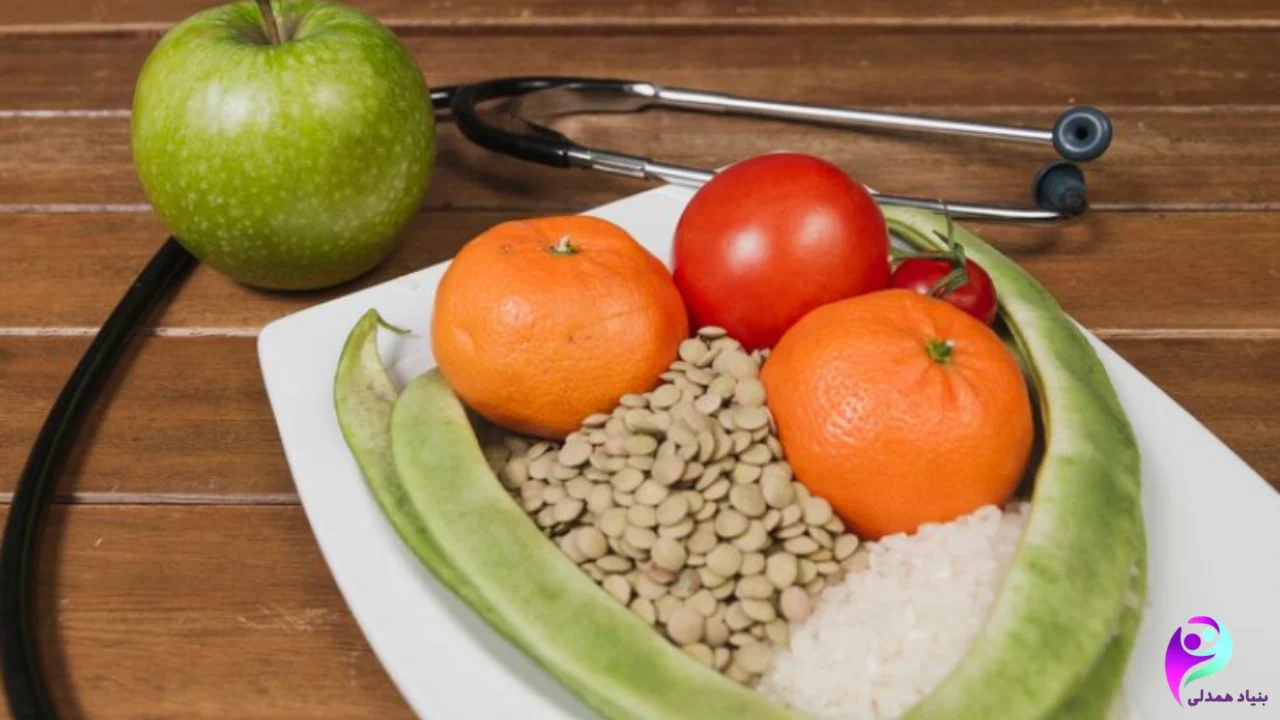
- Great sources: Fish, chicken, eggs, legumes (lentils and beans), low-fat dairy, and raw nuts.
- Golden tip: If you have a poor appetite, use protein isolate powders in smoothies.
2. Healthy Fats; Friend or Foe?
Fats are a dense source of energy. In cancer, we look for anti-inflammatory fats.
- Omega-3: Found in fatty fish (trout), walnuts, and flaxseed, which help reduce tumor inflammation.
- Extra virgin olive oil: An excellent source of antioxidants.
3. Complex Carbohydrates; Sustained Energy
Simple sugars (white sugar, sweets) should be avoided as they cause insulin fluctuations. Instead, whole grains like quinoa, brown rice, and oats release energy gradually.
Managing treatment side effects with smart nutrition
One of the biggest challenges is the physical changes that prevent you from eating normally.
A) Dealing with nausea and vomiting
- Cold or room temperature foods: The smell of hot food often makes nausea worse.
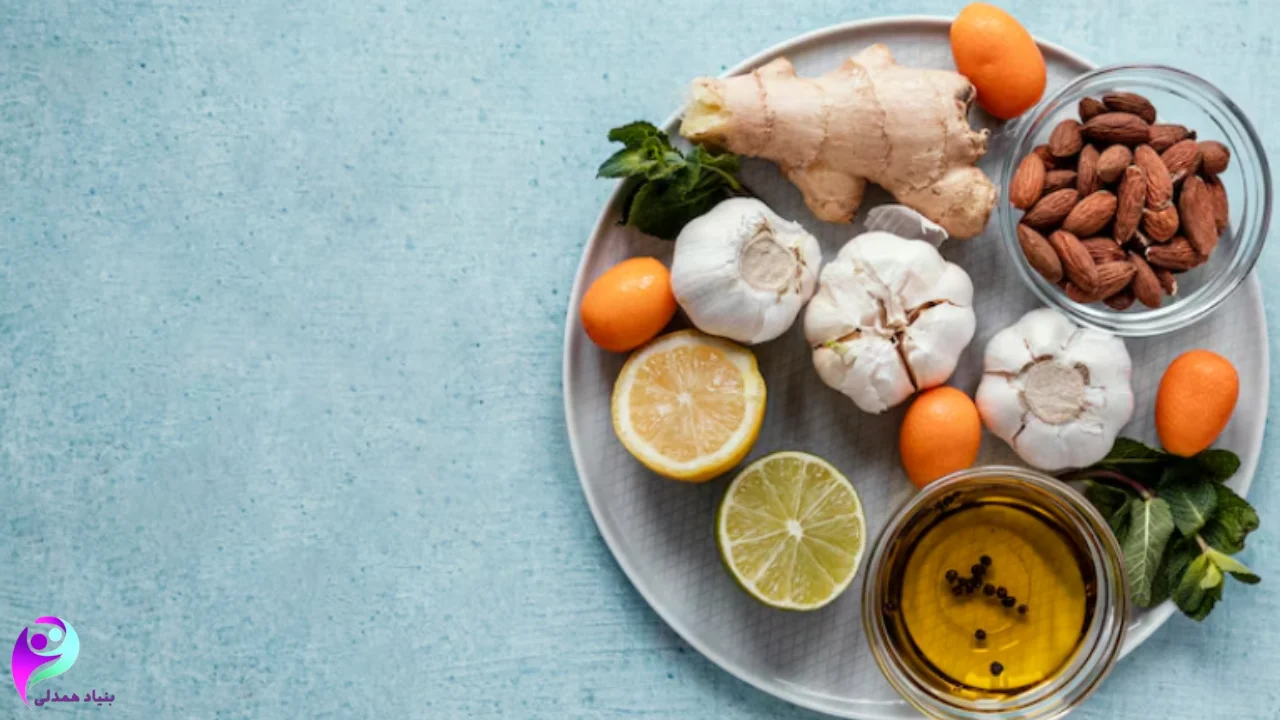
- Ginger: Nature’s miracle for controlling nausea. Ginger tea or sucking on small pieces of ginger is very effective.
- Small, frequent meals: Eat 6 to 8 very small meals instead of 3 large meals.
b) Change in taste (metallic taste in the mouth)
Many patients complain that food tastes metallic.
- Use non-metallic utensils: Use plastic or wooden spoons and forks.
- Strong flavors: Using lemon, orange, and aromatic herbs such as basil and mint can improve the taste of food.
C) Dry mouth and mouth ulcers
- Pureed foods: Use a blender to soften the food.
- Avoid acids and spices: Sour citrus fruits and red peppers can irritate the ulcers.
Superfoods in the Cancer Diet: Fact or Fiction?
There is no such thing as a “one-food cure for cancer,” but some foods have strong supportive properties:
- Turmeric (curcumin): One of the most powerful anti-inflammatories known. Always take it with a little black pepper to increase absorption.
- Cruciferous vegetables: Broccoli, Brussels sprouts, and cauliflower contain a substance called sulforaphane, which helps detoxify the liver.
- Pomegranates and berries: Rich in polyphenol antioxidants to protect cell DNA.
Nutritional strategies for specific types of cancer
- Digestive tract cancers (stomach, intestines): Focus on soluble fiber and easily digestible foods.
- Breast cancer: Emphasis on weight control and high fiber intake to regulate estrogen levels.
- Leukemia: Extreme importance of food hygiene (neutropenic diet) to prevent infection.
Food Pyramid for Cancer Patients
In this pyramid, water and hydration are at the base. Dehydration can lead to extreme fatigue and kidney damage caused by medications. Drinking at least 8 glasses of fluids (water, diluted natural fruit juice, herbal tea) is essential.
Golden Tips for Caregivers
- If you are responsible for preparing meals for a loved one with cancer:
- Don’t push: Overindulging in food increases the patient’s stress.
- Enliven the environment: Using flowers, soft music, and colorful dishes can stimulate the appetite.
Be prepared: Always have small snacks (such as plain yogurt, nuts, or pureed fruit) available.
Final Conclusion
Nutrition in People with Cancer:
- It is part of the treatment, not a side issue
- It should be flexible
- It should be adapted to the patient’s physical and mental condition
Food is not supposed to be an additional burden; it is supposed to support the body.
Frequently Asked Questions About Nutrition in People With Cancer
Do cancer patients need to follow a special diet?
There is no single diet. Nutrition should be adjusted to the individual’s condition.
Are supplements necessary?
Only with the doctor’s advice. Self-medication may interfere with treatment.
What to do when you have a loss of appetite?
Small meals, soft, high-calorie foods are the best choice.
Is eating raw fruit appropriate for all patients?
No. Some patients tolerate cooked or soft fruit better.
Can nutrition improve the treatment process?
Proper nutrition helps a lot in tolerating treatment and reducing complications, but it is not a substitute for medical treatment.
Author of the article:Erfan

