

 erfan yazdani
Psychological support for children with cancer; invisible but vital treatment
When the word cancer comes to mind, the first thing that comes to mind is physical pain, chemotherapy and the hospital. But for children, the story does not end with the body. The child is still learning about the world, he does not yet understand the concept of illness, treatment, fear and even death. For him, cancer is not just a medical diagnosis; it is a huge emotional shock. For this reason, psychological support for children with cancer is not a side option, but an integral part of treatment. If the child’s body is treated but his soul is left alone, the path to recovery will not be complete.
Why is psychological support so important for children with cancer?
Children do not have the tools adults have to manage their emotions. They do not know how to explain their anxiety or analyze their fears. Many children with cancer experience fear, anger, confusion, guilt or even intense loneliness. Some think the illness is their fault, some think they are being punished, and others are terrified of being separated from family or friends. Psychological support helps the child feel safe, understand what is happening, and know that they are not alone.
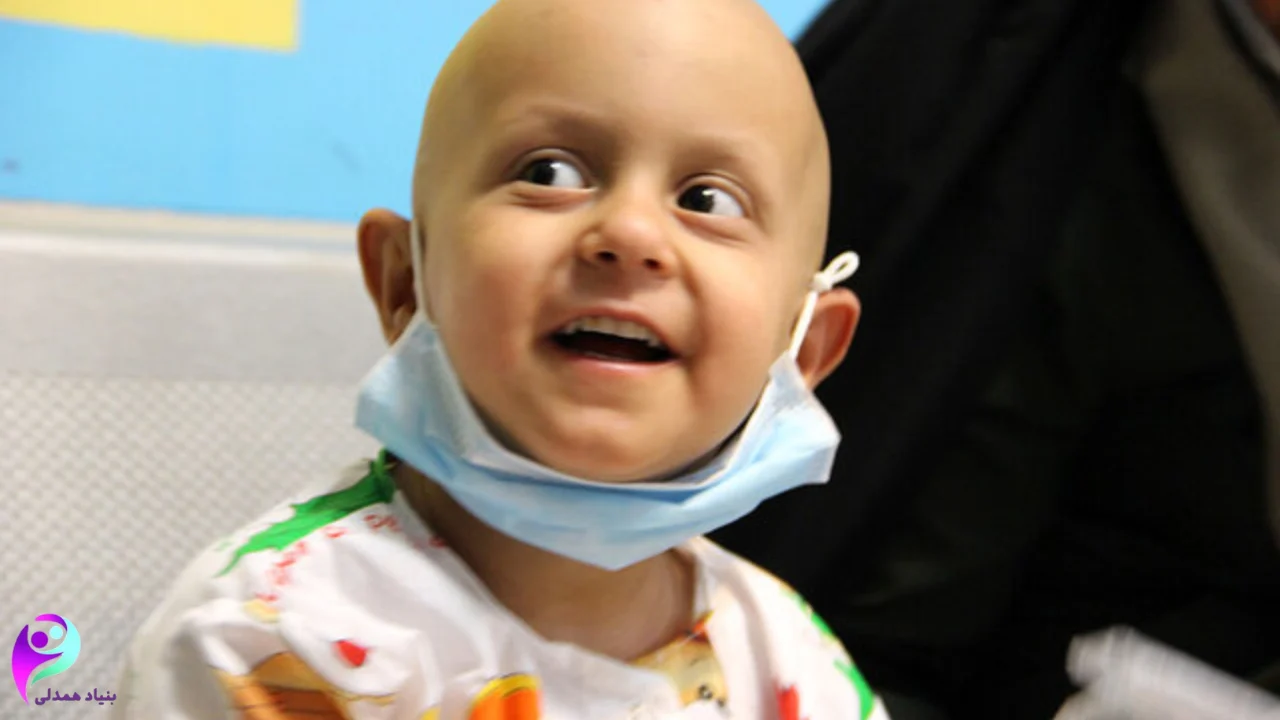
Differences in children’s psychological reactions from adults
Adults may hide the illness, act rationally, or suppress their emotions, but children have more direct reactions. Bedwetting, aggression, withdrawal, fear of sleeping alone, extreme dependence on parents, or even unusual silence can be signs of psychological stress. Psychological support means seeing these signs and taking them seriously, not ignoring or blaming the child.
The first step in psychological support; honest and age-appropriate conversations
One of the biggest mistakes is to think that the child should not know anything. Secrecy usually increases fear. Of course, saying everything in an adult way is not right either. The disease and treatment should be discussed in simple language, appropriate to the child’s age, and without scaring. When the child knows what is going to happen, he or she feels more in control and his or her anxiety decreases.
The role of parents in the mental health of a child with cancer
Parents are the main pillar of a child’s psychological security. The parents’ reaction to the illness directly affects the child’s emotional state. If the parents are constantly anxious, frustrated, or agitated, the child will absorb these feelings. Psychological support for the child begins with calming the parents. Parents who manage their emotions send the message to the child that “we will get through this together.”
The importance of maintaining a normal routine for the child
Cancer should not swallow up the child’s entire identity. As much as possible, parts of the child’s normal life should be maintained; such as playing, drawing, telling stories, seeing friends, or even doing simple homework. This helps the child not see himself as just “a patient.” Psychological support means reminding the child that he is still a child, not just a medical record.
Play therapy; the common language of the child and therapy
Play for the child is not just entertainment; it is a means of expressing emotions. Many children cannot express their fear or anger in words, but they show it in play. Play therapy is one of the most effective methods of psychological support for children with cancer. Through play, the child releases his feelings, reconstructs painful experiences and becomes calmer.
Art, drawing and stories; a safe way to release emotions
Drawing, crafting, music or storytelling allows the child to express his feelings without pressure. Often the child puts things on paper that he does not dare to say in words. Psychological support means providing a safe space for this expression, without judging and without correcting the child’s feelings.
Fear of pain and treatment; how to create comfort?
Fear of injections, chemotherapy or the hospital environment is natural for children. Ignoring these fears only deepens them. It is better for the child to know before treatment what to expect and who will be by his side. The presence of a familiar person, a simple explanation of the treatment steps and even giving the right to small choices increases the child’s sense of security.
The role of the treatment team in psychological support for children
Doctors, nurses and psychologists play an important role in the mental health of children. Humane treatment, patience, use of child-friendly language and respect for the child’s feelings can completely change the treatment experience. When the child feels seen and heard, his cooperation with the treatment increases.
Psychological support for siblings of sick children
Sometimes the siblings of a child with cancer are forgotten. They also experience fear, jealousy, feelings of guilt or rejection. The right psychological support takes the whole family into account. Explaining the situation, emotional attention and dedicated time for other children maintain the psychological balance of the family.
Guilt in children with cancer
Some children think that bad behavior or wrong thinking caused their illness. This feeling of guilt can be very damaging. Psychological support means constantly clarifying that the illness is not the child’s fault and that nothing has caused it. This message must be repeated over and over again.
The role of hope in a child’s mental health
Hope does not mean lying or making unrealistic promises. Hope means focusing on today, on small steps, and on things that are still good. Psychological support means helping a child see the future, even if it is short-term. A small program, a game tomorrow, or a simple celebration can keep hope alive.
Psychological support during a long hospitalization
A long hospitalization can isolate a child. Video communication with friends, sending voice messages, receiving drawings or letters from classmates maintains the child’s sense of belonging. Psychological support means preventing the child from being cut off from the outside world.
The importance of the presence of a child psychologist
In many cases, the presence of a child psychologist or a specialist counselor is essential. These people have the tools and experience to help the child and the family. Professional psychological support can prevent anxiety disorders or depression from developing in the future.
The role of school and teachers
School is not just a place of education; it is an important part of the child’s identity. Communication with teachers, explaining the child’s condition, and creating flexibility in the educational program reduce psychological stress. The child should not feel that he or she is behind in life because of the illness.
Psychological support after treatment
Even after treatment ends, psychological support should continue. Fear of the disease returning, changes in appearance, or academic failure can bother the child. Paying attention to this stage helps the child return to a normal life.
Common mistakes in psychologically dealing with a child with cancer
Ignoring feelings, saying things like “be strong” or “don’t cry,” comparing with others, or magnifying the child’s pain are common mistakes. Real psychological support means accepting the child’s feelings, even if it is difficult for us.

Hidden Psychological Crises in Children with Cancer
Some of the psychological pressures of children with cancer are not immediately visible. The child may appear calm, not cry or complain, but inside he is full of questions and fears. Excessive silence, withdrawal, lack of interest in playing or even suddenly being “very good” can be signs of psychological stress. Psychological support means being sensitive to these subtle changes and understanding that the child does not always show his feelings directly. Many times the child is just waiting for someone to ask how he is, without forcing him to answer.
The role of emotional security in the treatment process
A child who feels emotionally safe tolerates treatment better. Emotional security means the child knows that he will not be abandoned, knows that his pain is seen and knows that there is someone who will stay by his side without judgment. This sense of security makes anxiety less and the child more cooperative with the treatment team. Psychological support means creating this space; A space where the child can express their fear, anger or even frustration and feel safe not to be rejected.
Anger management and aggression in children with cancer
Some children get angry. They yell, get aggressive or show behaviors that are difficult for those around them. This anger usually comes from pain, fear or a sense of injustice. The child sees that they cannot play, go to school or move freely as before. Psychological support means understanding the root of this anger, not suppressing it. A calm approach, accepting the child’s feelings and helping them find healthy ways to vent their anger are an important part of psychological support.
Psychological support in the face of changes in appearance
Hair loss, weight changes or the effects of treatment on the body can disrupt the child’s mental image of themselves. Some children are afraid or feel embarrassed to look at themselves in the mirror. In these situations, psychological support means helping the child to gradually accept the changes, without minimizing their feelings. Saying things like “it doesn’t matter” usually doesn’t help. It’s better to listen to the child’s feelings and give them time to cope with these changes.
The impact of psychological support on the child’s future
Psychological support is not just for today; it also has an impact on the child’s future. Children who receive appropriate emotional support during illness are less likely to suffer from anxiety, depression, or self-esteem problems in the future. They learn to recognize and express their feelings. These skills stay with the child even after treatment ends and help them cope better with life’s challenges.
The role of storytelling and imagination in calming the child
Some children connect better with stories. Turning the treatment process into a simple story, such as a little hero fighting an enemy, can reduce the child’s fear. This helps the child feel empowered and in control. Psychological support means using the child’s language and world to explain difficult concepts, rather than imposing adult language.
Psychological support during critical days
Certain days, such as starting chemotherapy, being hospitalized, or hearing difficult news, are more stressful. During these days, a child needs a calm and supportive presence more than ever. Even if we don’t know the answers to the child’s questions, just being there and saying “I’m here” is very important. Psychological support is not always about answering; sometimes it’s just about being with them.
The importance of educating parents in psychological support for children
Many parents worry that the wrong word or behavior will make their child’s condition worse. Teaching parents how to talk to their child, manage their own emotions, and recognize signs of stress is an important part of psychological support. When parents are more aware, the child feels safer.
The role of the hospital environment in a child’s mental health
The cold and crowded hospital environment can be scary for a child. The use of colors, toys, murals, or even the friendly attitude of the staff has a great impact on the child’s condition. Psychological support is not limited to words; the environment also sends a message. A child-centered environment reduces anxiety.
Psychological support when facing difficult questions from children
Some children ask questions that are difficult to answer, such as “Will I be okay?” or “Will I die?” Avoiding these questions often undermines the child’s trust. Psychological support means giving honest but hopeful answers, appropriate to the child’s age. We don’t need to predict the future; we just need to tell the truth in a kind way.
Final Conclusion
Psychological support for children with cancer is a human responsibility, not just a medical one. This support helps the child to recognize his fears, feel safe, and go through the treatment process with less stress. The supported child is more cooperative with the treatment, has a stronger spirit, and even his body responds better. Cancer may target the child’s body, but with the right psychological support, his soul can be protected. And this protection is one of the most important parts of treatment.
Frequently Asked Questions about Psychological Support for Children with Cancer (FAQ)
Why is psychological support as important as physical therapy for children with cancer?
Because the child does not have enough tools to manage fear and anxiety, and without psychological support, psychological stress can make the treatment process more difficult.
Is not crying a sign that the child is mentally well?
Not necessarily. Some children hide their feelings, and this can be a sign of psychological stress.
Should the child be told everything about the illness?
Yes, but in simple language appropriate to the child’s age, without scaring or hiding too much.
When is it necessary to see a child psychologist?
When symptoms such as severe anxiety, prolonged withdrawal, persistent aggression or sleep disturbance are seen.
Is play therapy really effective?
Yes, because play is the child’s main language for expressing emotions and helps relieve psychological stress.
How can you make the child feel safe?
By being present, listening without judgment, and creating predictable routines in daily life.
What is the role of siblings in psychological support?
They also need attention, and their participation can strengthen the sense of family support.
Is psychological support also necessary after treatment ends?
Yes, because the fear of relapse and adjustment to normal life can be challenging for the child.
Author of the article:Erfan

