
 erfan yazdani
Suitable food for anemia in cancer patients | What should we eat to revive the body?
Anemia in cancer patients is not a strange or rare occurrence. It is often present even before treatment begins, but it usually manifests itself more prominently after chemotherapy or radiation therapy; with constant fatigue, pallor, shortness of breath, lethargy, and a deep feeling of weakness that seems to come from the bones.
This is exactly where nutrition can play a lifesaver. Not as a miracle, but as a serious companion to medical treatment.
Let me put it simply:
The body of a cancer patient needs the right substances to make blood more than ever. If these substances are not available, even the best drugs will be half-effective.
What does anemia mean in cancer patients?
Anemia means having fewer than normal red blood cells, or hemoglobin. Hemoglobin is the molecule that carries oxygen around the body. When it’s low, everything slows down: the brain, the muscles, the immune system.
In cancer patients, anemia usually occurs for several reasons:
- Decreased red blood cell production in the bone marrow
- Occurring bleeding (e.g., in gastrointestinal cancers)
- Iron, vitamin B12, or folic acid deficiency
- Chemotherapy side effects
- Anorexia and malnutrition
All of these have one common message: The body has no raw materials.
Why is nutrition vital in treating anemia in cancer patients?
Suppose you have a factory that has to work 24/7, but:
- The electricity is weak
The raw materials are half-finished
The workers are tired
The body of a cancer patient is in exactly the same situation.
Proper nutrition helps:
- Improve red blood cell production
Reduce weakness and fatigue
Increase chemotherapy tolerance
Keep the immune system stronger
And most importantly:
The patient feels like they can still “live,” not just be cured.
Key nutrients for treating anemia
Before we get to the food list, we need to know what we’re looking for.
1. Iron
The most important element for the production of hemoglobin.
There are two types:
- Heme iron (high absorption – animal sources)
- Non-heme iron (less absorption – plant sources)
2. Vitamin B12
Without it, red blood cells cannot be made properly.
Deficiency is common in cancer patients, especially if they have digestive problems.
3. Folic acid
Essential for cell division and blood formation.
4. Protein
Without protein, the body cannot use iron, even if it has it.
5. Vitamin C
Multiplies the absorption of plant-based iron.
The best foods for anemia in cancer patients
Red meat (in moderation and smartly)
Lean lamb or beef is also one of the best sources of iron.
Not too much, not every day. 2-3 times a week is enough.
Important note:
If the patient has stomach pain or nausea after chemotherapy, use the meat in the form of a soft stew or ground meat.
Liver: Useful but with caution
Liver is rich in iron and B12.
But for cancer patients:
- Once a week at most
- Small amount
- Fully cooked
Don’t overdo it. This is where many people make mistakes.
Chicken and turkey
They have less iron than red meat, but:
- They are easier to digest
They provide high-quality protein
They are great for days when you don’t have an appetite
Steamed chicken breast or chicken soup is a safe choice.
Fish
Fatty fish like salmon and trout:
- High protein
- Less inflammation
- Helps improve appetite
For a patient who hates the taste of meat, fish is a lifesaver.
Eggs
A simple, inexpensive, and complete food.
The yolk of an egg contains iron and the white contains protein.
If the patient has nausea:
- Half-cooked or soft-boiled
- Preferably in the morning
Plant sources of iron (when meat is tough)
Lentils and Beans
Lentils, pinto beans, kidney beans, and chickpeas are good plant-based sources of iron.
Golden tip:
Eat them with lemon juice or bell peppers. Vitamin C increases iron absorption.
Spinach and dark green vegetables
Spinach, beetroot, parsley.
As:
- Soup
- Puree
- Or in dishes
Eating raw is not suitable for everyone, especially during treatment.
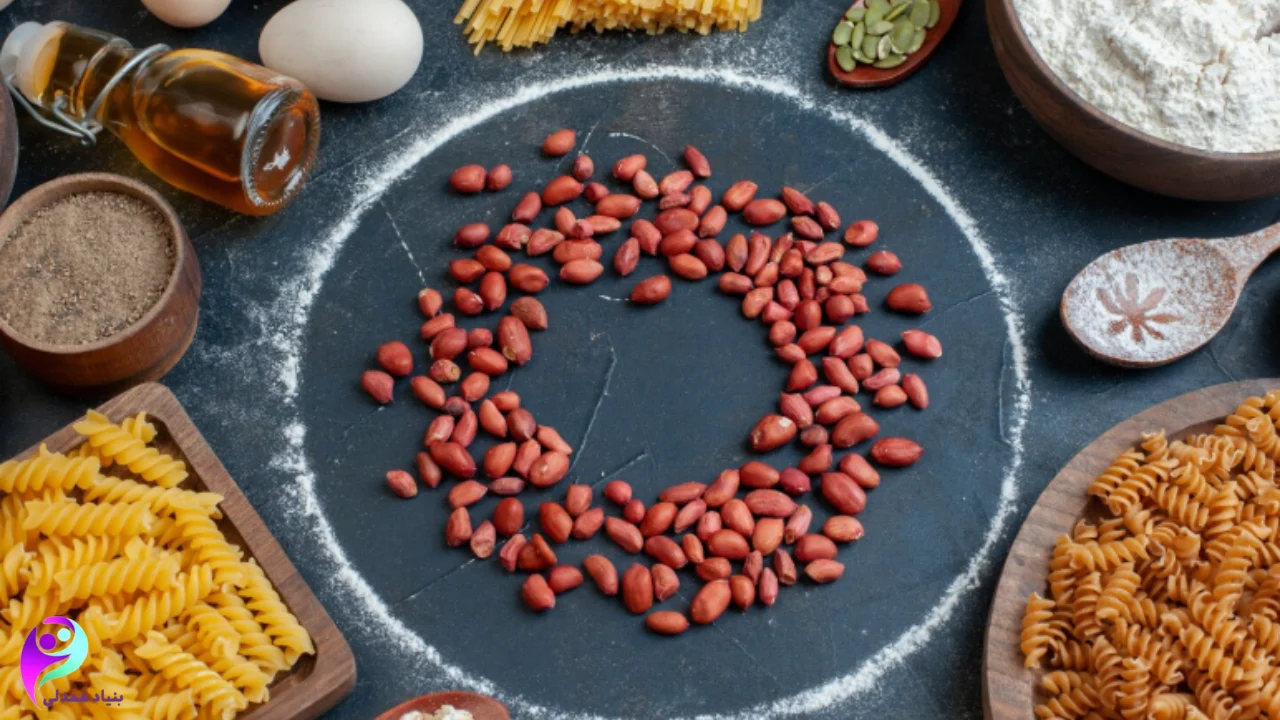
Nuts and seeds
Sesame seeds, pumpkin seeds, almonds, walnuts.
Small amounts but consistent.
If chewing is difficult:
- Powder
Add to porridge or soup
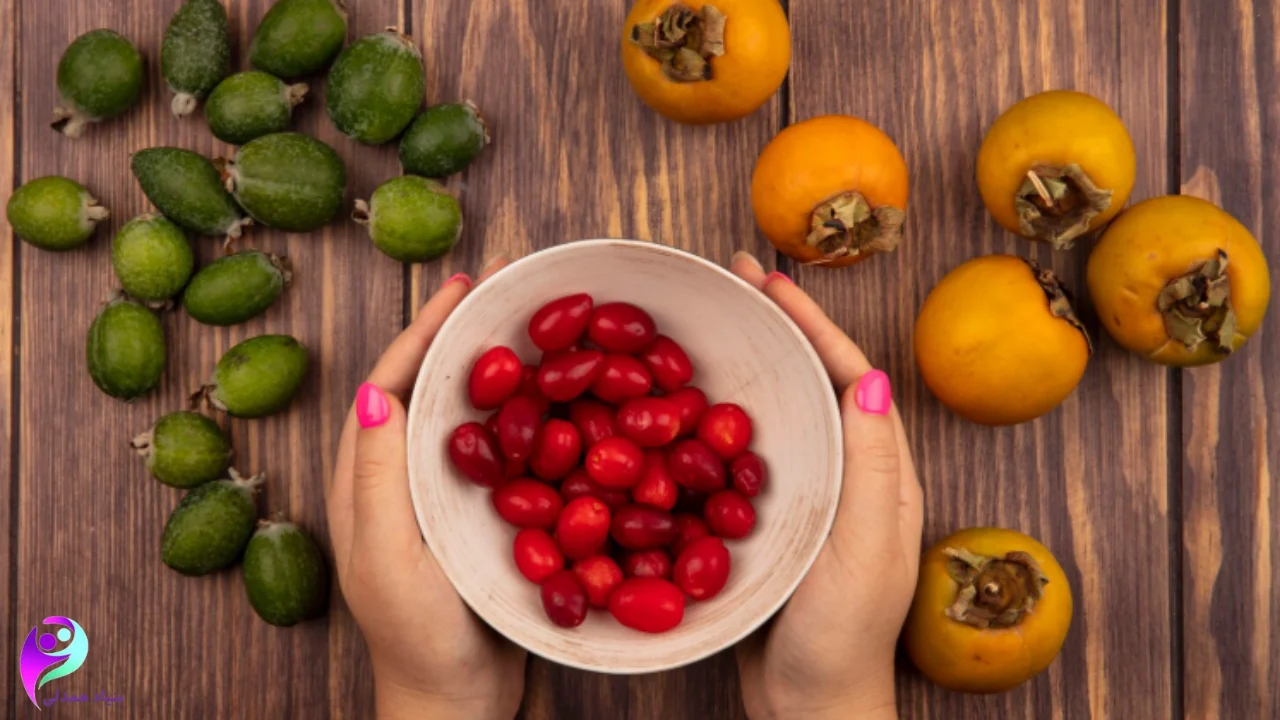
Fruits that are good for anemia
Fruits don’t have a lot of iron, but they play a great supporting role.
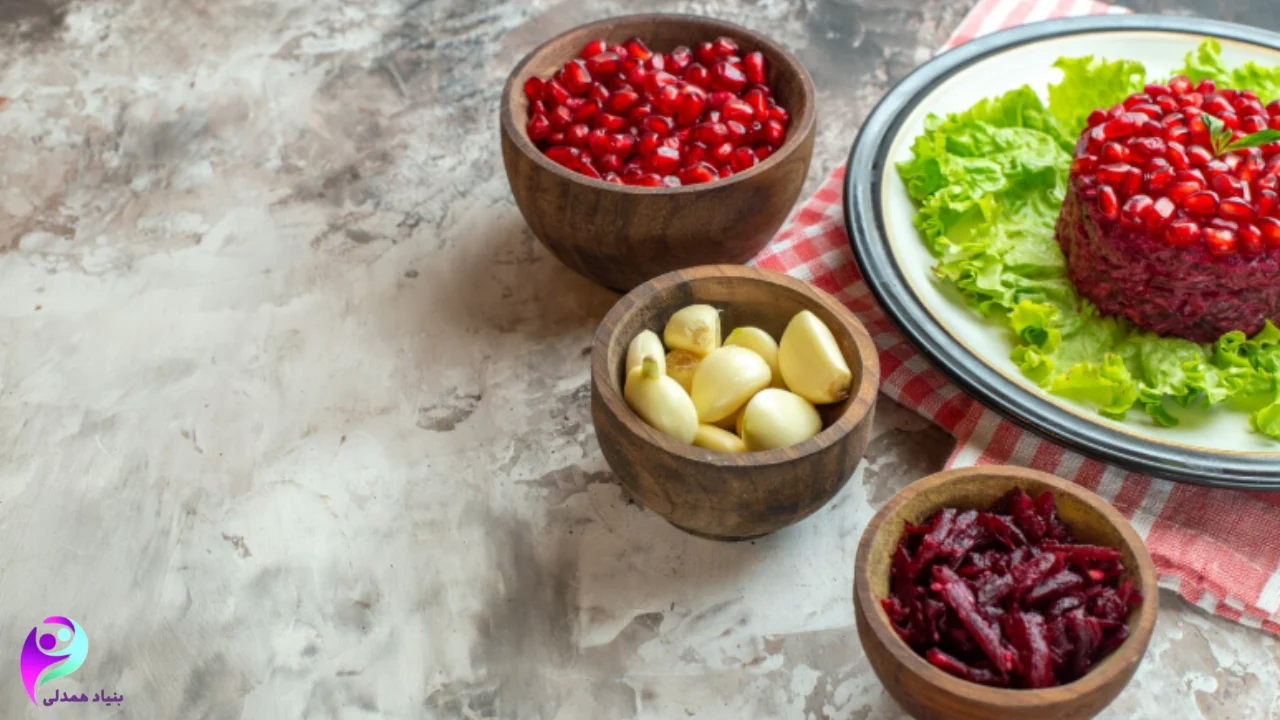
Pomegranate
Both help with appetite and improve iron absorption.
Oranges, kiwi, strawberries
High in vitamin C = better iron absorption.
Raisins and apricot leaves
Have iron, but are high in sugar.
Small amounts, not every day.
Foods that reduce iron absorption
This section is very important and often overlooked.
Tea and coffee (no for 2 hours after meals)
- Dairy with iron-rich foods
- Soft drinks
- A lot of raw bran
Here’s the thing:
Healthy food becomes virtually ineffective if eaten at the wrong time.
Sample daily diet plan for a cancer patient with anemia
Breakfast:
Boiled egg + wholemeal bread + an orange
Snack:
A few raisins or a glass of pomegranate juice
Lunch:
A lentil dish or soft stewed meat + salad with lemon juice
Evening snack:
Chicken soup or porridge with sesame powder
Dinner:
Steamed fish or chicken fillet + cooked vegetables
Supplements; Only with a doctor’s advice
Many people think that if they eat more iron, they will feel better.
Really? Not always.
- Excess iron can cause nausea and constipation
- It is even dangerous in some cancers
Supplements are only necessary when a blood test shows it.
A few human, not medical, points
Don’t blame the patient if they don’t feel like eating
Small portions, more often
Food should be “palatable”, not just healthy
Sometimes a simple bowl of soup works better than a full plate of food
Anemia is not just a number on a test.
It’s a feeling that drains you.
What to do with anemia when the patient has no appetite?
One of the serious challenges in cancer patients is that they simply don’t have the heart or brain to eat. Now imagine that this same person also has anemia and needs to get nutrients. This is where you have to get a little creative.
The point is not to eat a complete meal;
The point is to get something, even if it’s just a little.
For example:
- If he can’t eat rice, a few spoonfuls of lentil soup will do
- If meat makes him sick, shredded chicken or eggs are a good substitute
- If hard food is bothersome, purees and soft foods are a lifesaver
A lot of times, just changing the texture of the food makes a big difference.
The Role of Soups and Liquid Foods in Treating Anemia
Soups are not just “light meals” for cancer patients;
they are actually a complete, tolerable package.
The Best Soups for Anemia:
- Lentil soup with a little lemon juice
- Chicken soup with carrots and parsley
- Thin (not heavy) barley soup
- Cooked vegetable soup (spinach, pumpkin, carrot)
If the patient can only eat one bowl of soup, that one bowl is worth it.
As long as it is not pointless.
Anemia and Weight Loss: A Dangerous Cycle
Many cancer patients experience weight loss along with anemia. The combination really depletes the body.
When the weight comes down:
- Iron stores decrease
- Body protein is burned
- Red blood cell production capacity decreases
To break this cycle:
- Foods should be high in calories but nutritious
- Low volume, high in energy
- Use nuts, olive oil, eggs, legumes
An extra spoonful of healthy oil is sometimes more effective than an extra plate of food.
Anemia during chemotherapy; how does nutrition help?
Chemotherapy often suppresses the bone marrow, which is where blood is made.
In this situation, nutrition is supportive, not curative. But this support is very important.
During this time:
- Simple, digestible foods are a priority
- Small, frequent meals work best
- Protein intake becomes even more important than iron
If the body lacks protein, iron is virtually useless.
Common Nutrition Mistakes for Cancer Patients with Anemia
These are things that many families unwittingly do:
- Excessive urge to eat
- Excessive use of the liver
- Arbitrary use of iron supplements
- Complete elimination of meat due to fear
- Drinking tea immediately after meals
Everyone’s intentions are good, but sometimes the result is the opposite.
The Role of the Family in Improving Anemia
Let me be frank:
The patient’s mental state has a direct impact on his appetite and nutrition.
When eating becomes a fight, insistence, or worry, the body locks up.
Instead:
- Keep the atmosphere calm
- Prepare the food with love
- Have realistic expectations
Sometimes just sitting next to the patient and eating the same food works wonders.
Can traditional medicine help with anemia in cancer patients?
Many people turn to grape juice, date juice, or traditional potions.
The truth is that:
- Some of them have iron
- but are high in sugar
- and are not suitable for all patients
If to be used:
- Small amounts
- With the advice of a doctor
- Not as a replacement for main meals
Anemia is not just a test number
For a cancer patient, anemia means:
- Getting tired easily
- Irritability
- Inability to do simple tasks
- Sometimes even hopelessness
Proper nutrition may not solve everything, but it can reduce this pressure.
And this “reducing” is valuable.
Conclusion
Suitable food for anemia in cancer patients is:
- Providing iron, protein, and vitamins
- Paying attention to the patient’s physical and mental state
- Avoiding excess
- Nutrition should accompany treatment, not be separate from it
If done correctly, the result is not just a better blood test;
the result is that the patient stands a little stronger.
Frequently Asked Questions about the right food for anemia in cancer patients
1. What is the best food for anemia in cancer patients?
Foods that contain a combination of iron, protein, and vitamin C; such as lean meat, lentils, eggs, chicken, dark green vegetables, and fresh fruits.
2. Is liver consumption appropriate for cancer patients with anemia?
Yes, but only in small amounts and no more than once a week. Excessive liver consumption can be harmful.
3. How can cancer patients who do not eat meat compensate for anemia?
By using lentils, beans, spinach, eggs, nuts, and taking vitamin C at the same time for better iron absorption.
4. Is iron supplementation necessary for all cancer patients?
No. Iron supplementation should only be taken with the advice of a doctor and based on a blood test.
5. What foods reduce iron absorption?
Tea, coffee, dairy products with meals, soft drinks, and high consumption of raw bran.
6. What foods are best tolerated for anemia during chemotherapy?
Soups, soft foods, eggs, shredded chicken, pureed vegetables, and small meals.
7. Can fruits treat anemia?
Fruits are low in iron, but they help a lot with iron absorption by containing vitamin C.
Author of the article:Erfan

