

 erfan yazdani
Tonic potion for chemotherapy; when the body needs real support
Chemotherapy is not just a treatment, it is a hard and exhausting path. The body becomes weak, appetite disappears, energy decreases and even eating the simplest foods is sometimes exhausting. In such conditions, proper nutrition plays a vital role. One of the best ways to strengthen the body during this period is to use tonic and natural potions; drinks that are both light, nutritious and easy to digest.
Why does the body need tonic during chemotherapy?
In addition to cancer cells, chemotherapy also puts pressure on healthy cells. The result is severe fatigue, weight loss, a weakened immune system and constant lethargy. Many patients cannot eat full meals, but their bodies still need energy and nutrients. Tonics are designed exactly for this situation; small in size, but high in energy.
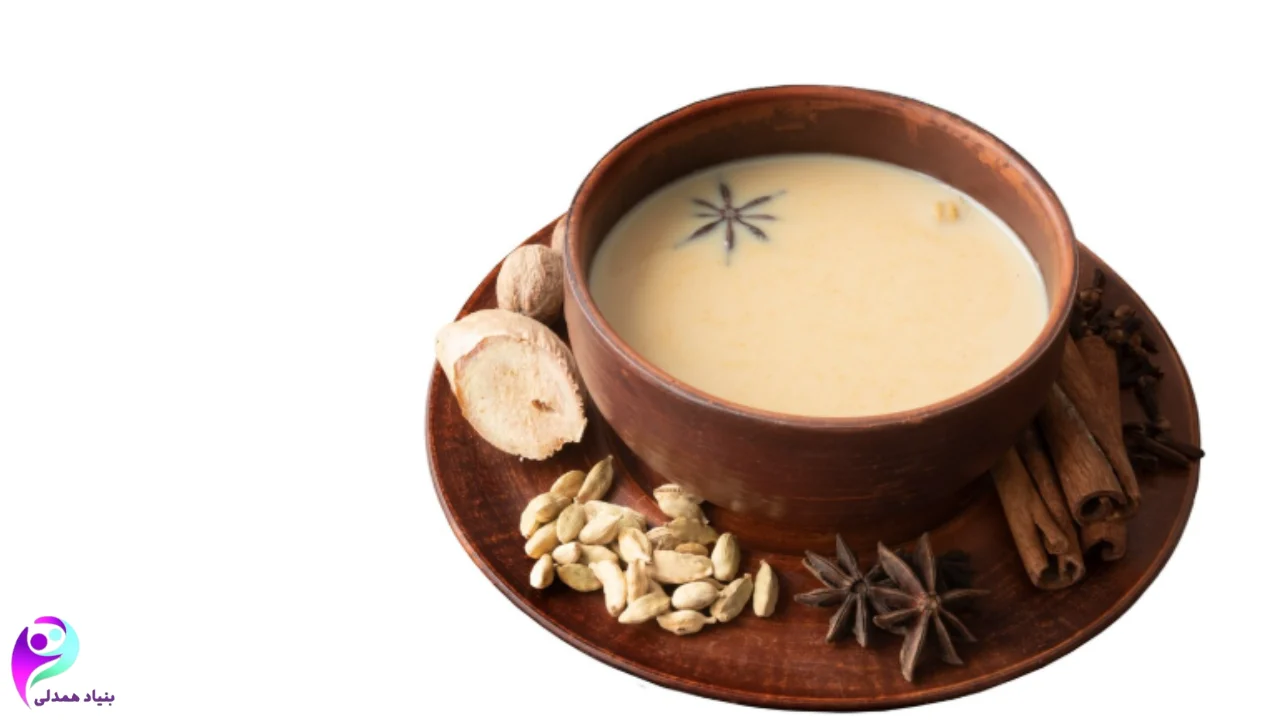
What exactly is a tonic?
A tonic is a combination of natural ingredients such as fruits, nuts, dairy or plant-based alternatives, honey, and whole grains. These blends provide the body with vitamins, protein, and energy without weighing it down. They are not chemical drugs, nor do they work miracles, but they do keep the body going.
Benefits of tonic for chemotherapy patients
Increase energy without weighing down the stomach
- Help maintain body weight
- Strengthen the immune system
- Reduce weakness and lethargy
- Make feeding easier for the patient
Sometimes a glass of concoction can help the body more than a plate of heavy food.
The best ingredients for a tonic potion
Bananas are among the best choices for their potassium and anti-nausea properties, dates for natural energy, honey to reduce inflammation, almonds and walnuts for healthy fats, apples for sensitive stomachs, ginger to reduce nausea, and chia seeds to boost the immune system.
7 Simple Tonic Potion Recipes for Chemotherapy
1. Banana and date concoction
Banana + two dates + lukewarm milk + a little honey
Energizing and suitable for severe weakness
2. Apple and honey concoction
Baked apple + honey + lukewarm water
Suitable for sensitive stomachs and reducing nausea
3. Almond and milk concoction
Soaked almonds + milk + honey
Strengthening and rich in protein
4. Banana and peanut butter concoction
Banana + peanut butter + milk
High calorie to prevent weight loss
5. Ginger and apple concoction
Apple + small amount of ginger + honey
Helps reduce chemotherapy nausea
6. Date and walnut concoction
Dates + walnuts + milk
General body strengthening and energy increase
7. Banana and chia seed concoction
Banana + chia seed + almond milk
Strengthens the immune system
Best time to take tonic
Mornings, between meals, or after chemotherapy sessions are the best times to take it. This is when the body needs the most energy and appetite is usually lower.
Common Mistakes in Consuming Potions
- Using Artificial Sugar
- Adding Too Many Heavy Ingredients
- Drinking Potions Too Cold
- Using Too Many Spices
- Ignoring the Body’s Reaction
A good potion should soothe the body, not make the patient feel worse.
The Role of the Family in Feeding the Patient
During chemotherapy, the patient doesn’t just need food; they also need attention, companionship, and a sense of security. When the family sits next to the patient, makes potions for them, and eats with them, that simple glass becomes a sign that “you are not alone.”
Empathy Foundation; A place to breathe again
The Empathy Foundation charity was formed for these difficult days; so that cancer patients and their families are not left alone. This group does not only provide financial assistance, but also offers emotional support, counseling, care and real companionship. If there is a patient around you who cannot afford it or is left alone, or if you yourself want to make a contribution to improving the well-being of a person, the Empathy Foundation is a place you can trust. Small donations can mean continuing for a patient.
Does the potion replace treatment?
No. The tonic potion does not replace chemotherapy or medication. But a stronger body means better tolerance of treatment, more energy, and a stronger spirit.
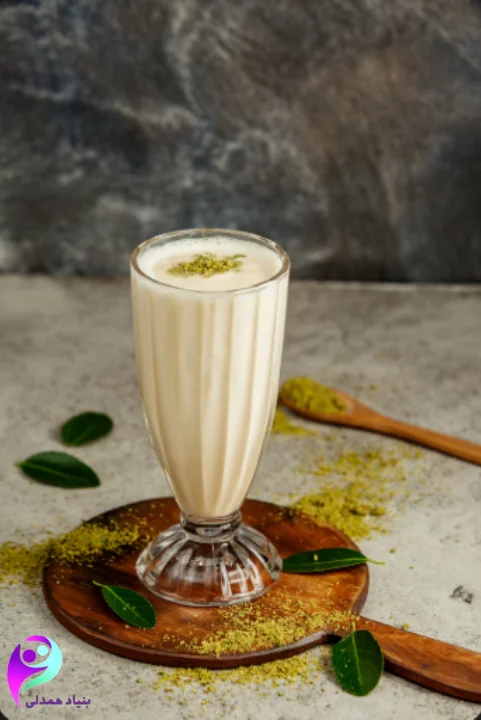
Does the taste of the potion affect patient acceptance?
Much more than we think. During chemotherapy, the sense of taste changes. Some flavors that were previously pleasant now seem bitter or irritating. Therefore, choosing the right flavor for the potion is very important. Mild flavors such as banana, apple, dates, and milk are usually better tolerated. Sour or very sweet flavors may cause nausea. If the patient does not tolerate a particular taste, it is better to change the composition. The goal is not to make the potion “special”; the goal is to make it edible.
Is homemade or ready-made?
Homemade drinks are almost always the better choice. Because:
Their ingredients are known,
They have no sugar or additives,
And they can be adjusted exactly to the patient’s condition.
Ready-made drinks from the market are usually full of sugar, preservatives, and flavorings. They may be delicious, but they are not a good choice for a weakened body of a chemotherapy patient. A simple homemade drink with bananas, milk, and dates is much healthier and more beneficial.
Can a drink help improve appetite?
Yes, in many cases. When a patient cannot eat a full meal, a tasty and light drink can stimulate the appetite. When the body gets a little energy, sometimes it asks for more food. This means that a drink is not just a drink; it can be a restart of the nutritional process.
The Role of Protein in Potions
Protein is essential for repairing body tissues and maintaining muscle strength. During chemotherapy, the body needs protein more than ever. Adding ingredients such as milk, yogurt, almonds, peanut butter or even natural protein powder (with the doctor’s advice) can turn the potion into a real tonic drink. Without protein, the potion becomes just an energy drink, not a complete tonic.
Is the potion suitable for all types of cancer?
In general, yes, but with an important condition:
Each patient has his own unique situation. Some have digestive problems, some have mouth ulcers, some have diabetes. Therefore, the composition of the potion should be chosen according to the patient’s condition. What is great for one person may be annoying for another. Coordination with a doctor or nutritionist is always the best decision.
What potion is best when a patient has mouth ulcers?
In this situation, you should go for soft, cool and acid-free potions. Combinations like banana and milk, or baked apple and honey, are good choices. Sour ingredients like orange, lemon, or pineapple are best avoided. The goal is for the concoction to be both tonic and non-irritating.
Concoction and the patient’s mood; an invisible connection
It may seem strange, but a glass of concoction can also have an effect on the patient’s mood. When someone takes the time for the patient, prepares the ingredients, patiently makes the concoction, and presents it with a smile, the patient feels seen. This feeling of being seen is as important as nutrition.
Social assistance; nutritional supplementation
In addition to nutrition, social support plays a big role. Many families cannot afford the costs of treatment, nutrition, and care alone. This is where charities like the Empathy Foundation come in. The Empathy Foundation doesn’t just raise money; it raises hope. By supporting cancer patients, covering some of the costs, providing advice and human companionship, it ensures that the patient does not feel alone on this path. If you can’t make a potion, if you can’t be with the patient, even a small donation can be part of this chain of support.
Final Conclusion
Chemotherapy is a tough journey, but proper nutrition can make it more bearable. Tonics are simple, natural, and readily available, and they can strengthen the body, restore appetite, and replenish lost energy. In addition, family support and the help of groups like the Empathy Foundation play a big role in patients’ well-being. Sometimes, just “getting a little better” is the biggest step forward.
Frequently Asked Questions About Tonics for Chemotherapy (FAQ)
Can tonics replace meals?
In some cases, yes, especially when the patient has no appetite. But ideally, the potion should be a supplement to food, not a permanent replacement.
How many times a day can you take the potion?
Usually 1 to 2 times a day is enough. Excessive consumption may cause heartburn or digestive problems.
Can honey be used instead of sugar?
Yes, honey is a much better choice because it is natural and has anti-inflammatory properties.
Is warm or cold concoction better?
Most patients cope with lukewarm or cool temperatures. A drink that is too cold may upset the stomach.
Can diabetic patients also take concoction?
Yes, but its sugar should be controlled and combined with a doctor’s advice.
Is ginger suitable for everyone?
No. It is useful for some patients, but for some it may irritate the stomach. Small amounts and with caution.
What should we do if the patient is severely nauseous?
Use mild flavors such as banana, baked apple, and milk and sip the concoction.
Can children with cancer also take concoction?
Yes, with simple and age-appropriate combinations, and definitely with a doctor’s advice.
Author of the article:Erfan

