

The role of Spirulina in supportive cancer treatment | Benefits, how to use and important points
Cancer is one of the most important diseases of the current century, affecting not only the body but also the mind and soul of patients. Common treatments such as chemotherapy and radiotherapy play an effective role in controlling the disease, but they are often accompanied by many side effects. In recent years, the attention of doctors and researchers has been drawn to supportive treatment methods; that is, methods that, in addition to the main treatment, can improve the quality of life of patients. One of these natural supplements is Spirulina; a blue-green algae rich in nutrients, vitamins and antioxidants that has extraordinary properties for cancer patients.
In this article, we comprehensively and scientifically examine the role of Spirulina in supportive cancer treatment, discuss its properties and explain the important points of using this supplement.
The Hamdali Foundation Charity is a support group in the field of helping cancer patients, which aims to reduce treatment concerns, cover essential expenses and boost the morale of patients. The foundation works with public donations and the participation of donors to make the treatment path easier for patients and their families. If you are interested in supporting us, you can do so through online payment, telephone contact, or online chat. Also, people who need help or advice can simply contact the foundation’s support team through these communication channels to receive the necessary guidance.
- What is Spirulina?
- Why is Spirulina Good for Cancer Patients?
- The most important benefits of spirulina for cancer patients:
- Scientific Research on Spirulina and Cancer
- How to use Spirulina for cancer patients
- Who should not take spirulina?
- Spirulina and Improving the Quality of Life of Cancer Patients
- Combining Spirulina with Other Supportive Therapies
- Spirulina and Possible Side Effects
- Important points before taking spirulina
- New Research on Spirulina and Cancer
- Spirulina and its role in reducing inflammation
- Spirulina and Digestive Health in Cancer Patients
- Spirulina and Improving Patients’ Mood
- Best time to take spirulina for cancer patients
- Combining Spirulina with an Anti-Cancer Diet
- Can Spirulina Reduce the Risk of Cancer?
- Important recommendations for cancer patients
- Summary
- Frequently Asked Questions about Spirulina’s Role in Cancer Supportive Therapy
What is Spirulina?
Spirulina is a type of blue-green algae that grows in fresh, alkaline waters. This small but incredibly nutritious plant is considered one of the most complete natural food sources in the world.
Main ingredients of Spirulina
High-quality proteins (more than 60% of its dry weight)
Vitamins: A, B12, E, K
Minerals: iron, magnesium, zinc, potassium
Antioxidants: beta-carotene, chlorophyll, phycocyanin
Essential fatty acids
These ingredients have made Spirulina a “superfood” and used as a dietary supplement all over the world.
Why is Spirulina Good for Cancer Patients?
Cancer patients often face problems such as a weakened immune system, anemia, low energy, and various inflammations due to heavy treatments. Spirulina can play a supportive role in these conditions.

The most important benefits of spirulina for cancer patients:
Strengthening the immune system
Phycocyanin in spirulina increases the production of white blood cells and strengthens the body’s natural defenses.
Reducing inflammation and oxidative stress
Strong antioxidants in spirulina help reduce free radicals and prevent the destruction of healthy cells.
Reducing the side effects of chemotherapy and radiation therapy
Nausea, weakness, hair loss, and fatigue are common side effects. Consuming spirulina can help reduce these symptoms to some extent.
Preventing anemia
The iron and vitamin B12 in spirulina help improve the blood condition of cancer patients.
Increasing energy and reducing fatigue
The protein and mineral content of spirulina increases physical strength and improves the energy level of patients.
Scientific Research on Spirulina and Cancer
Various studies have been conducted on the properties of spirulina. Some of the most important findings:
- Research has shown that the phycocyanin found in spirulina can slow the growth of some cancer cells.
- A study in India showed that daily consumption of spirulina increases the likelihood of healing precancerous lesions in the mouth.
- Some animal studies suggest that spirulina can improve the body’s immune response against tumors.
Of course, it should be emphasized that spirulina is not a definitive cure for cancer, but rather can be useful as a supplement alongside treatment methods.
How to use Spirulina for cancer patients
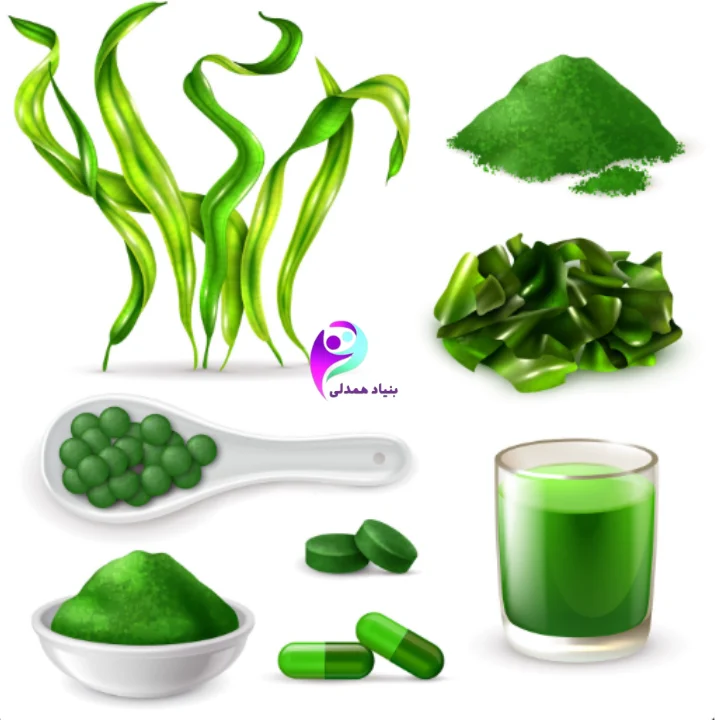
Spirulina is available in various forms such as powder, capsules and tablets on the market.
Recommended dosage
Common dosage: 1 to 3 grams per day
In some studies: up to 10 grams per day have been used.
It is better to use Spirulina under the supervision of a doctor, especially for cancer patients.
Methods of use
Dissolve spirulina powder in water or natural fruit juice
Add to fruit smoothies
Consume in the form of ready-made tablets or capsules
Who should not take spirulina?
- Patients with autoimmune diseases (such as lupus or rheumatoid arthritis)
- People taking immunosuppressant medications
- Pregnant or breastfeeding women (without consulting a doctor)
- People who are allergic to iodine or algae
Spirulina and Improving the Quality of Life of Cancer Patients
Cancer has a great impact on the spirit of people in addition to the body. Taking supplements such as spirulina can:
- Increase energy and reduce fatigue
- Improve appetite
- Boost immunity
- Create a sense of mental peace
- And ultimately improve the quality of life of patients.
The National Institutes of Health (NIH) website describes the role of spirulina as follows:
Background
Recent studies have shown the functional benefits of Spirulina (Arthrospira sp.) in the treatment and prevention of cancer. However, it is unclear whether Spirulina can be used to limit the side effects of chemotherapy in patients with malignant tumors.Methods
In this study, cancer patients receiving four cycles of chemotherapy were randomly assigned to control or treatment groups. The treated group consumed Spirulina during the first two cycles, while the control group did not. The degree of bone marrow suppression and immune function were assessed after each cycle of chemotherapy, and patients were monitored for bone marrow suppression-related side effects throughout the study period.Results
A total of 100 patients were selected and randomly assigned to control (n = 40) or treatment (n = 60) groups. White blood cell (WBC) and neutrophil (NEU) levels were similar in both groups at baseline, but were higher in the treated group than in the control group after the first cycle (P=0.028 for WBC; P=0.006 for NEU) and the second cycle (P=0.023 for WBC; P=0.013 for NEU). Hemoglobin (HGB) and platelet (PLT) counts were not statistically different between groups at baseline or after treatment. Patients in the treated group had less severe bone marrow suppression (P=0.034) and required fewer modifications to their chemotherapy regimen (P=0.012). After four cycles of chemotherapy, IgM levels and CD8+ T cell counts increased in the treated group but decreased in the control group.
Combining Spirulina with Other Supportive Therapies
- Cancer patients can benefit from other natural methods in addition to spirulina:
- Healthy diet: Consume fresh vegetables, fruits, and lean proteins
- Music therapy and meditation: Reduce stress and anxiety
- Light exercise: Walk or yoga to increase energy
- Consumption of other supplements: Vitamin D, omega-3, and probiotics
Spirulina and Possible Side Effects
Although spirulina is generally safe, it may cause side effects in some people:
- Mild nausea
- Diarrhea
- Insomnia or restlessness if taken in excess
Important points before taking spirulina
Always buy spirulina from reputable brands.
Avoid taking it with chemotherapy drugs without consulting a doctor.
Increase the dosage gradually.
Discontinue use if allergic reactions occur.
New Research on Spirulina and Cancer
In recent years, several studies have been conducted on spirulina in different countries. Researchers are looking to discover whether spirulina can be considered a real anti-cancer supplement.
- Laboratory studies: Studies have shown that phycocyanin in spirulina can stimulate apoptosis (programmed cell death of abnormal cells). This means that it inhibits the growth of cancer cells.
- Human studies: In some small studies in patients with oral and stomach cancer, daily consumption of spirulina reduced the size and severity of precancerous lesions.
- Combination studies: Scientists believe that spirulina will have an even more protective effect if taken with other antioxidants, such as vitamins C and E.
Spirulina and its role in reducing inflammation
One of the factors that contribute to the development of cancer is the presence of chronic inflammation in the body. Spirulina has strong anti-inflammatory properties due to its chlorophyll and phycocyanin content.
- These compounds prevent the production of inflammatory cytokines.
- They facilitate the improvement of the digestive condition of patients.
- They reduce pain and swelling caused by some tumors.
Spirulina and Digestive Health in Cancer Patients
Chemotherapy and radiation therapy often cause digestive problems such as nausea, diarrhea, or constipation. Spirulina, due to its soluble fiber and natural probiotics, can:
- Maintain the balance of beneficial intestinal bacteria.
- Increase nutrient absorption.
- Reduce digestive symptoms.
These properties make it easier for patients to continue their diet and avoid severe weight loss.
Spirulina and Improving Patients’ Mood
One of the biggest challenges for cancer patients is depression and anxiety. Interestingly, spirulina contains an amino acid called tryptophan, which is a precursor to serotonin (the happiness hormone).
Regular consumption of spirulina can increase serotonin levels and make you feel better.
Some patients have reported that after a few weeks of taking it, they slept better and their anxiety decreased.
Best time to take spirulina for cancer patients
Fasting morning: Helps with better absorption and increased energy throughout the day.
Before meals: Helps improve digestion and mineral absorption.
After chemotherapy: Can help reduce nausea and fatigue.
It is recommended to start with a low dose (e.g. 500 mg per day) and increase gradually.
Combining Spirulina with an Anti-Cancer Diet
To increase its effectiveness, spirulina should be consumed alongside a healthy, anti-cancer diet. Some of the best combinations are:
Spirulina + fresh vegetable juice (such as carrot or beet juice)
Spirulina + fruit smoothie (mango, banana, blueberry)
Spirulina + probiotic yogurt
Spirulina + oats and nuts
In addition to increasing its nutritional value, these combinations make spirulina more palatable.
Spirulina and Managing Chemotherapy Side Effects
Nausea and Vomiting
The chlorophyll in spirulina helps detoxify the body and reduces the severity of nausea.
Hair Loss
Although spirulina does not completely prevent hair loss caused by chemotherapy, the proteins and B vitamins can help hair grow faster after treatment.
Weakness and Lethargy
The presence of iron, magnesium, and protein in spirulina increases the energy levels of patients.
Can Spirulina Reduce the Risk of Cancer?
According to some research, regular consumption of spirulina in healthy people can also reduce the risk of some cancers because:
- It prevents DNA damage.
- It increases the body’s antioxidant levels.
- It improves liver function and detoxification.
Important recommendations for cancer patients
Spirulina should be a supplement to treatment, not a replacement.
Consumption should be done in consultation with a specialist.
It is better to buy it from reputable brands with health certificates.
Simultaneous use with anticoagulants or immunosuppressants is not recommended.
Summary
Spirulina is a natural supplement with high nutritional value that can play an effective role as a supportive treatment for cancer patients. This marine plant is rich in protein, vitamins, minerals and antioxidants and can strengthen the immune system, reduce fatigue and chemotherapy side effects, and improve the quality of life of patients.
However, the use of spirulina should be under the supervision of a doctor and is not a substitute for primary cancer treatments (such as chemotherapy or radiation therapy).
Frequently Asked Questions about Spirulina’s Role in Cancer Supportive Therapy
1. Can Spirulina Cure Cancer?
No. Spirulina alone is not a definitive cure for cancer, but as a natural dietary supplement, it can help strengthen the immune system, reduce the side effects of chemotherapy, and improve the quality of life of patients.
2. What is the best dosage of spirulina for cancer patients?
The appropriate dosage varies depending on each patient’s condition, but it is usually recommended to take between 1 and 3 grams per day. Starting with a small amount (500 mg) and gradually increasing is the best approach.
3. What important vitamins and minerals does spirulina contain?
Spirulina is rich in protein, B vitamins, iron, magnesium, beta-carotene, chlorophyll, and phycocyanin, all of which are beneficial for cancer patients.
4. Does spirulina have side effects?
Spirulina is usually safe if purchased from a reputable brand. However, it may cause headaches, diarrhea, or allergic reactions in some people. Patients should consult a doctor before taking it.
5. Is it okay to take spirulina during chemotherapy?
Yes, many doctors allow spirulina as a supplement because it can reduce weakness and anemia. However, it is necessary to coordinate with your doctor to avoid drug interactions.
6. Does spirulina help reduce the side effects of radiation therapy?
Yes. Due to its antioxidant and anti-inflammatory properties, spirulina can reduce inflammation, nausea, and fatigue caused by radiation therapy.
Author of the article:Erfan

