
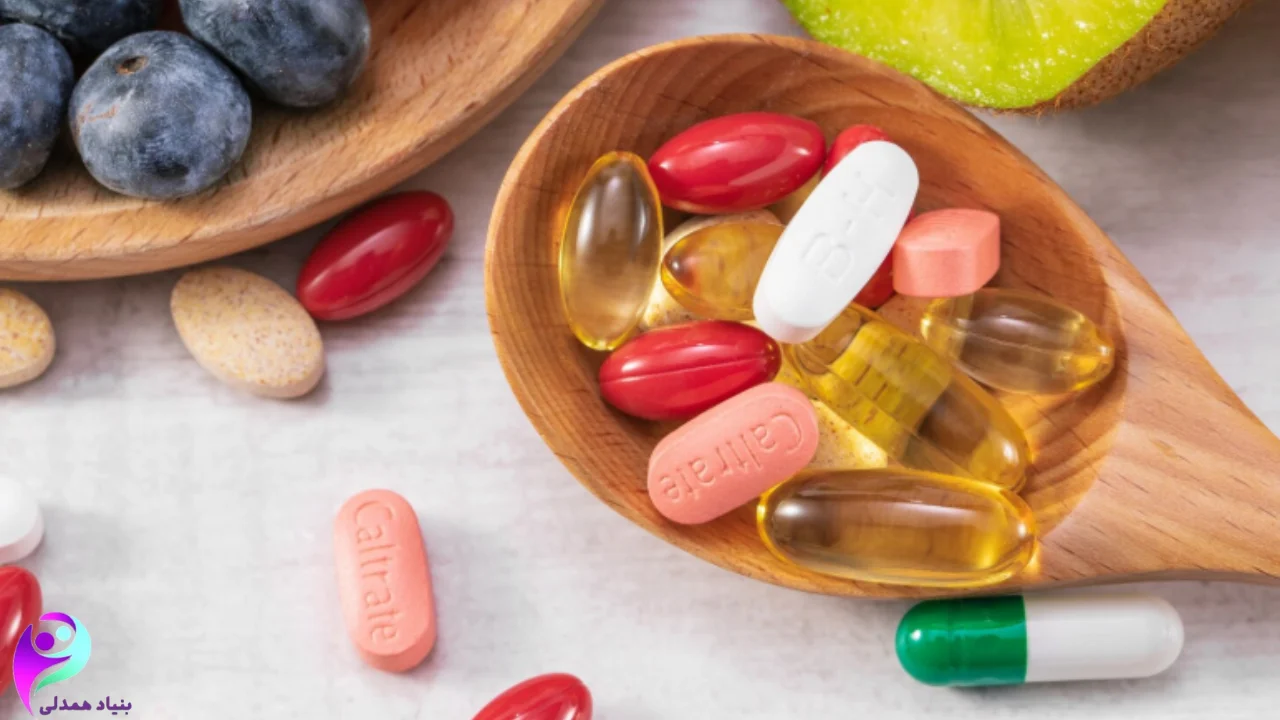
Vitamins and Minerals for Breast Cancer: A Comprehensive Guide for Patients and Families
Breast cancer is one of the most common types of cancer in women and some men, affecting millions of people worldwide each year. Treatment for the disease may include surgery, chemotherapy, radiation therapy, hormone therapy, or a combination of these. These treatments can have a significant impact on a person’s immune system, energy levels, appetite, and overall health.
One of the keys to successful management of this disease is proper nutrition and adequate intake of vitamins and minerals. These micronutrients can play a role in reducing treatment side effects, improving quality of life, preventing nutritional deficiencies, and even helping to increase the body’s resistance to disease progression.
In this comprehensive article, we will review the most important vitamins and minerals needed by breast cancer patients, natural food sources, the role of supplements, practical recommendations, and important warnings.
The Hamdali Foundation is a support group in the field of helping cancer patients, which aims to reduce treatment concerns, cover essential expenses, and boost patients’ morale. The foundation, with public donations and the participation of donors, tries to make the treatment path smoother for patients and their families. If you are interested in supporting them, you can do so through online payment, telephone contact, or online chat. Also, people who need help or advice can simply contact the foundation’s support team through these communication channels to receive the necessary guidance.
- Why are vitamins and minerals essential for breast cancer patients?
- Key vitamins for breast cancer patients
- 2. Vitamin C: A Powerful Antioxidant for Body Repair
- 3. Vitamin A and Beta-Carotene: Cellular Protector
- 4. Vitamin E: Anti-inflammatory and supports cellular health
- 5. B vitamins: Energizing and nerve-strengthening
- Diet for Breast Cancer Patients
- Supplements: Yes or No?
- Practical advice for patients
- The Importance of Vitamins for Breast Cancer Patients
- Essential Minerals for Breast Cancer Patients
- Natural Sources of Vitamins and Minerals
- Vitamin and Mineral Supplements for Patients
- The Role of Antioxidants in Improving Quality of Life
- Nutritional recommendations for breast cancer patients
- Summary
- Frequently Asked Questions About Vitamins and Minerals for Breast Cancer
Why are vitamins and minerals essential for breast cancer patients?
The human body requires a range of micronutrients to function properly. These needs are even greater during the fight against cancer because:
- The immune system needs a boost to fight infections and repair damage.
Oxidative stress from treatments causes cell damage, making antioxidant intake important.
Appetite and nutrient absorption may be reduced, so targeted vitamin intake is essential.
Cell and tissue regeneration after chemotherapy or surgery depends on micronutrients.
Research shows that having adequate levels of vitamins D, C, E, and minerals such as zinc and selenium can significantly improve patients’ quality of life.
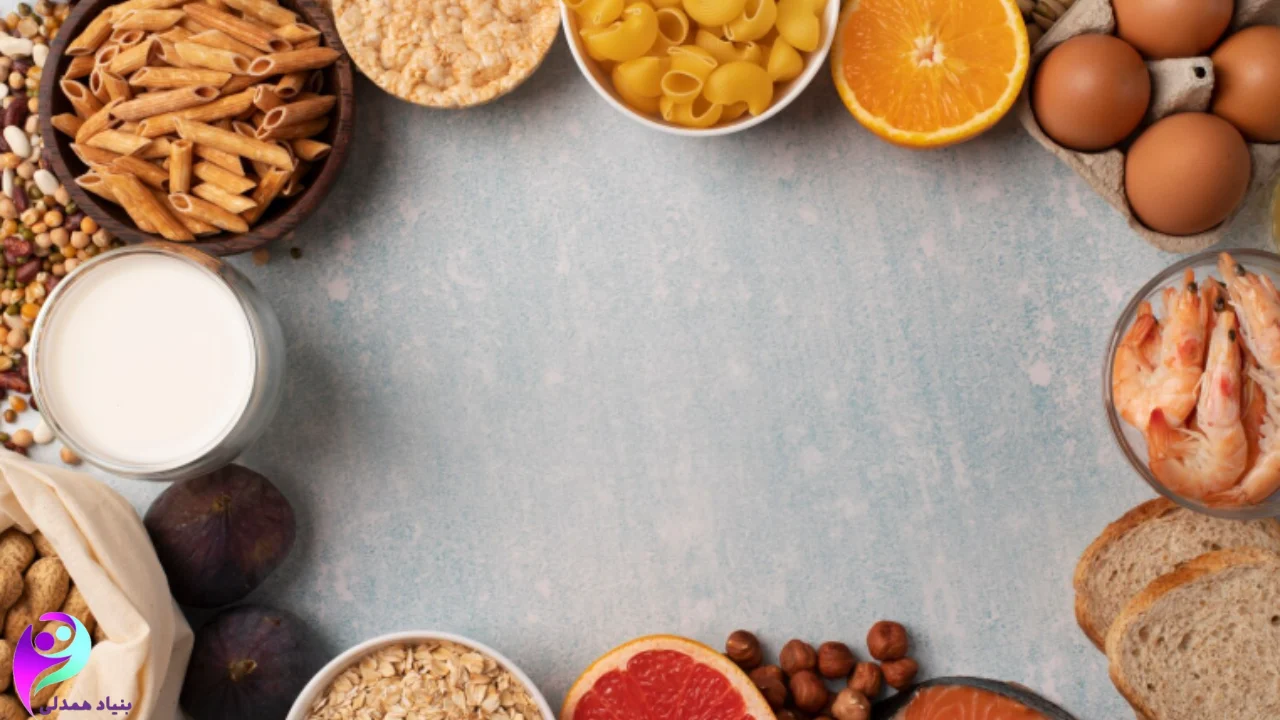
Key vitamins for breast cancer patients
1. Vitamin D: The Sunshine Vitamin
Vitamin D plays a key role in bone health, immune system function, and preventing the development of some cancers.
Benefits for patients: Reduces inflammation, increases body strength, improves immune response.
Food sources: Salmon, sardines, egg yolks, fortified dairy products.
Important note: Vitamin D deficiency is common in many patients, so it is essential to get a blood test and take supplements as prescribed by a doctor.
2. Vitamin C: A Powerful Antioxidant for Body Repair
Vitamin C protects cells from damage caused by cancer treatments due to its powerful antioxidant properties.
Benefits: Boosts the immune system, improves iron absorption, helps heal surgical wounds.
Natural sources: Oranges, lemons, kiwi, strawberries, bell peppers.
Note: Natural consumption of this vitamin through fruits is better than supplements.
3. Vitamin A and Beta-Carotene: Cellular Protector
This vitamin plays a role in tissue regeneration, skin and mucosa health, and immune system strengthening.
Sources: Carrots, pumpkin, spinach, liver.
Warning: Excessive vitamin A supplementation can be toxic, so it should be taken in appropriate doses.
4. Vitamin E: Anti-inflammatory and supports cellular health
Vitamin E is a fat-soluble antioxidant that protects cells from oxidative stress.
Benefits: Reduces inflammation, helps with skin health, boosts the immune system.
Sources: Nuts, seeds, vegetable oils like olive oil.
Important: Excessive consumption can alter the effects of chemotherapy drugs.
5. B vitamins: Energizing and nerve-strengthening
B vitamins such as B6, B12, and folic acid are essential for energy production, brain health, reducing fatigue, and improving mood.
Sources: Lean red meat, eggs, leafy green vegetables, whole grains.
Importance: Helping to reduce treatment side effects such as neuropathy (numbness in the hands and feet).
Vital Minerals to Fight Breast Cancer
Selenium: Powerful Protector Against Cell Damage
Selenium is one of the most important minerals with high antioxidant properties.
Benefits: Reduces the risk of cancer cell growth, strengthens the immune system.
Sources: Brazil nuts, fish, eggs, whole grains.
Zinc: A powerful tissue repairer
Zinc is vital for wound healing, boosting the immune system, and improving the sense of taste.
Sources: Red meat, poultry, nuts, legumes.
Note: Zinc can be helpful in chemotherapy patients who experience a loss of appetite.
Calcium and Magnesium: Bone and Nerve Health
Calcium: To prevent osteoporosis caused by hormone treatments.
Magnesium: Helps reduce stress, improves muscle and nerve function.
Sources: Low-fat dairy products, almonds, green vegetables, fish.
Iron: Targeted consumption for patients
Some patients develop anemia due to bleeding or loss of appetite and need iron.
Sources: Red meat, lentils, spinach.
Note: Iron supplementation is only recommended in cases of proven deficiency.
Diet for Breast Cancer Patients
A cancer-fighting diet should include:
Leafy green vegetables
Colorful fruits
Lean proteins
Whole grains
Nuts and seeds
Reducing your intake of simple sugars, processed foods, and unhealthy fats will also help improve your condition.
Supplements: Yes or No?
Supplement use for breast cancer patients should be individualized. Some supplements are helpful in boosting the immune system and reducing treatment side effects, but their arbitrary use can be harmful.
When is supplementation necessary?
Proven deficiency in blood tests
Severe weight loss
Malnutrition or absorption problems
When should you exercise caution?
Taking high doses of antioxidants without consulting a doctor
Combining multiple supplements without expert supervision
Practical advice for patients
Get blood tests to check your vitamin and mineral levels.
Eat a varied diet with a variety of colors of vegetables and fruits.
Instead of supplements, use natural sources whenever possible.
Never start taking supplements without consulting your doctor.
Drink plenty of water and get some light exercise.
The Importance of Vitamins for Breast Cancer Patients
Vitamins are a group of micronutrients that play a role in many vital processes in the body, such as boosting the immune system, repairing DNA, protecting cells from free radicals, and increasing energy. For breast cancer patients, getting adequate amounts of these vitamins through a healthy diet or prescription supplements can be helpful.
Vitamin D is one of the most important vitamins for breast cancer patients. Research has shown that low levels of this vitamin may be associated with an increased risk of cancer recurrence and reduced treatment effects. Natural sources of vitamin D include sunlight, fatty fish such as salmon, fortified dairy products, and eggs.
Vitamin C, due to its high antioxidant properties, can help the body fight oxidative stress caused by cancer treatments. In addition to strengthening the immune system, this vitamin also plays a role in healing surgical wounds and increasing iron absorption from food.
Vitamin A and beta-carotene are also useful in protecting tissues, maintaining skin health, and improving immune function. This vitamin is found in abundance in colorful vegetables such as carrots, squash, and green leafy vegetables.
Essential Minerals for Breast Cancer Patients
In addition to vitamins, minerals are also very important in the treatment process of breast cancer patients. Selenium is one of the most important minerals with strong antioxidant properties that can be effective in reducing cell damage caused by cancer treatments.
Zinc is also essential for strengthening the immune system, healing wounds and repairing tissues. Consuming food sources containing zinc such as lean meat, legumes, nuts and seeds can meet the body’s needs.
Calcium and magnesium are also important for patients due to their vital role in bone health, reducing stress and improving muscle function, especially for people who are at risk of osteoporosis due to hormonal treatments or chemotherapy.
Natural Sources of Vitamins and Minerals
A balanced diet rich in natural ingredients can meet many of the needs of patients. Green leafy vegetables such as spinach and broccoli, colorful fruits such as oranges, strawberries, kiwi, and healthy sources of protein such as fish, chicken, and eggs are among the most important choices. Nuts, seeds, and whole grains are also recommended to provide essential vitamins and minerals.
Vitamin and Mineral Supplements for Patients
Although getting nutrients from food is the best option, vitamin and mineral supplements are recommended in cases where the patient is severely malnourished or unable to eat certain foods due to chemotherapy side effects. However, any supplement should be taken under the supervision of a physician to avoid potential drug interactions.
The Role of Antioxidants in Improving Quality of Life
Antioxidants such as vitamins C, E, selenium, and zinc can play a key role in reducing oxidative stress and supporting cells. However, excessive consumption of these compounds can reduce the effectiveness of cancer treatments, so they should be used in consultation with a doctor.
Nutritional recommendations for breast cancer patients
Patients should focus on eating fresh, low-fat foods that are high in fiber and protein, and avoid processed foods, high in sugar, and saturated fats. Drinking enough water, getting enough sleep, and getting light exercise can also help improve the condition.

Summary
Vitamins and minerals play a vital role in the treatment of breast cancer. They can improve quality of life, reduce treatment complications, and strengthen the immune system. The best way to get these micronutrients is through a balanced and varied diet, and if supplements are needed, they should be taken under the supervision of a doctor.
Not only does paying attention to proper nutrition help patients cope with the complications of treatment, but it can also provide more energy and hope to continue the treatment path.
Frequently Asked Questions About Vitamins and Minerals for Breast Cancer
1. Is it safe for breast cancer patients to take vitamin supplements?
Most patients can take vitamin and mineral supplements, but the type and dosage should be selected under the supervision of a doctor or nutritionist to ensure that they do not interfere with chemotherapy or radiation therapy medications.
2. What are the best vitamins to boost the immune system of breast cancer patients?
Vitamin C, vitamin D, vitamin E, and vitamin A play an important role in boosting the immune system, reducing inflammation, and healing tissues.
3. Is vitamin D effective in preventing the progression of breast cancer?
Research has shown that adequate levels of vitamin D can be associated with a reduced risk of cancer recurrence and improved immune system function, but its consumption should be done according to blood tests and doctor’s advice.
4. Is the consumption of minerals such as zinc and selenium recommended for breast cancer patients?
Yes, zinc is useful for tissue repair and selenium for reducing oxidative stress. However, excessive consumption of these substances can be harmful.
5. Is it beneficial for patients to take antioxidants such as vitamin E?
Vitamin E can be helpful in protecting cells from damage caused by cancer treatments. However, taking too much of it without consulting a doctor is not recommended.
6. Should breast cancer patients get their vitamins from food or supplements?
The best way is to get vitamins through a balanced diet that includes vegetables, fruits, nuts, and whole grains. Supplements are recommended in certain situations and for specific deficiencies.
The author of the article:Erfan

