

What are the early symptoms of colon cancer? How to detect the disease early
Colon cancer is a common and very important disease that, if detected early, increases the chances of cure. Unfortunately, many people, due to lack of awareness, delay seeking medical attention when the disease is in advanced stages. In this article, we will talk about the early symptoms of colon cancer in simple and understandable language and help you take action faster if you notice any symptoms.
The Hamdali Foundation is a support group in the field of helping cancer patients, which aims to reduce treatment concerns, cover essential expenses, and boost patients’ morale. The foundation, with public donations and the participation of donors, tries to make the treatment path smoother for patients and their families. If you are interested in supporting them, you can do so through online payment, telephone contact, or online chat. Also, people who need help or advice can simply contact the foundation’s support team through these communication channels to receive the necessary guidance.
- What is bowel cancer?
- What are the early signs of bowel cancer? Why you shouldn’t ignore them
- Who is most at risk?
- How is bowel cancer diagnosed?
- How can you prevent colon cancer?
- The impact of lifestyle on bowel cancer: How can everyday habits help prevent or worsen the disease?
- New Treatments: Immunotherapy and Targeted Therapies
- Finally
- Bowel cancer screening schedule: When and how to get tested?
- For people at higher risk (e.g., family history of colon cancer or inflammatory bowel disease):
- Important points before and after colonoscopy: Preparation and care
- Conclusion
- Frequently asked questions about early signs of bowel cancer
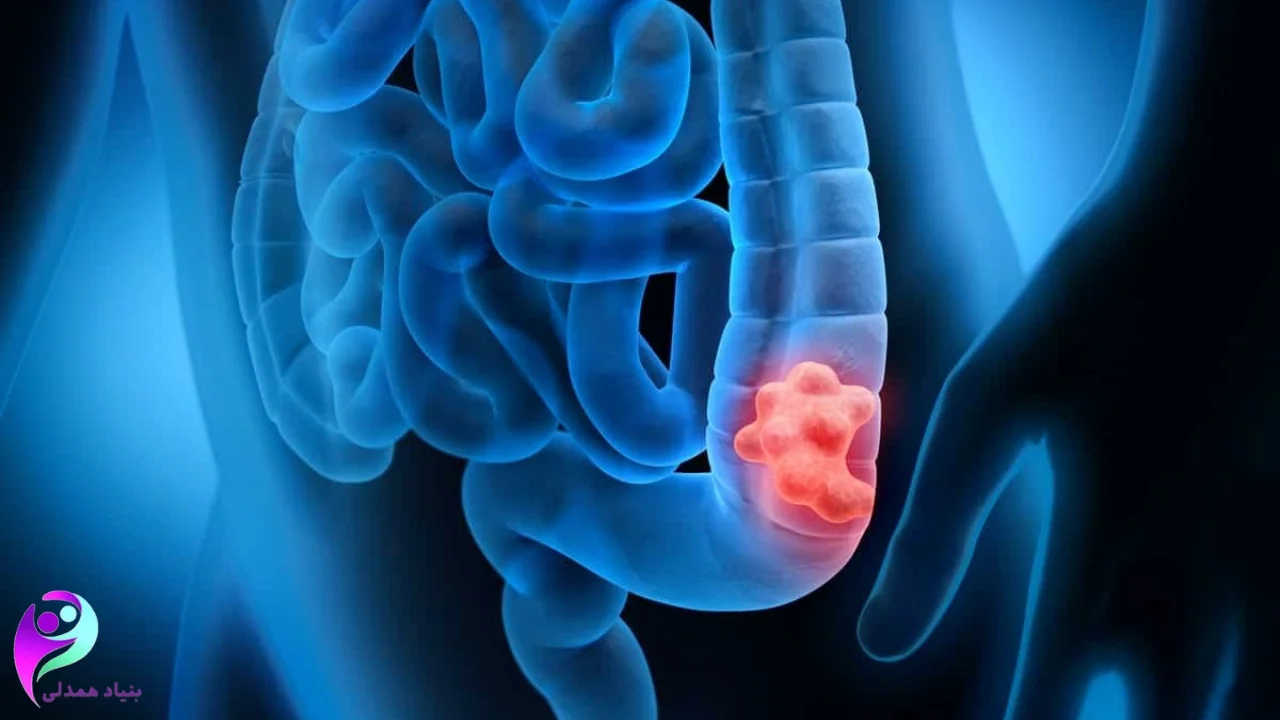
What is bowel cancer?
Bowel cancer is the abnormal growth of cells in the large intestine or rectum. It usually starts as small, noncancerous polyps that can turn into cancer over time. The two main types of bowel cancer are:
Colon cancer (large intestine)
Rectal cancer (last part of the intestine)
Knowing these two types and their symptoms can help with early diagnosis and successful treatment.
What are the early signs of bowel cancer? Why you shouldn’t ignore them
Sometimes our bodies give us signs that we shouldn’t just ignore. Bowel cancer also has symptoms that appear in the early stages and it’s important to be aware of them:
1. Sudden change in bowel habits
If you suddenly develop diarrhea, constipation, or a change in the frequency of your bowel movements that lasts for more than a few days, you should pay attention to it.
2. Bleeding or blood in your stool
Seeing bright red or dark blood in your stool is a major warning sign. Even if it’s a small amount, it’s not something you should ignore.
3. Abdominal pain or discomfort
Recurrent cramping, bloating, or pain in your abdomen can be a sign of a serious problem.
4. Unexpected weight loss
Weight loss without any special diet or exercise should be investigated.
5. Persistent fatigue and weakness
Anemia caused by intestinal bleeding can cause you to feel weak and tired all the time.
6. Change in stool shape or consistency
If your stool is thinner than usual, this could be a sign of a blockage or inflammation.
Who is most at risk?
Bowel cancer can affect anyone, but the following factors increase your risk:
Age over 50
A family history of bowel cancer
A diet high in fat and low in fiber
Obesity and physical inactivity
Smoking and drinking alcohol
Inflammatory bowel disease, such as ulcerative colitis or Crohn’s disease
When should you see a doctor?
If any of the above symptoms last for more than two weeks, or if you have risk factors, it is best to see a doctor without delay. Early detection can save your life.
How is bowel cancer diagnosed?
Colonoscopy
One of the best ways to thoroughly examine the large intestine, in which the doctor uses a small camera to view the inside of the intestine and, if necessary, take a sample.
Fecal occult blood test
This test helps detect hidden bleeding in the intestine.
Medical imaging
Methods such as CT scan or MRI may be used to monitor the progression of the disease or plan treatment.
How can you prevent colon cancer?
Eat more fruits, vegetables, and whole grains
Exercise regularly and maintain a healthy weight
Quit smoking and reduce alcohol consumption
Have screening tests as recommended by your doctor, especially after age 50
The impact of lifestyle on bowel cancer: How can everyday habits help prevent or worsen the disease?
Our lives are a series of small and large decisions that we make every day, whether consciously or unconsciously. These decisions not only affect how we feel and behave, but can also determine the course of our long-term health. Bowel cancer is no exception, and our daily lifestyle can have a huge impact on the likelihood of developing the disease.
Nutrition: The Foundation of Gut Health
The first and most important factor influencing gut health is the food we eat. A diet rich in natural fiber, such as fruits, vegetables, legumes, and whole grains, helps keep the intestines healthy and maintains normal bowel movements. This fiber helps prevent polyps by adding bulk to stool and making it easier to move through the intestines. Conversely, eating too much red and processed meats, unhealthy fats, and fast foods can cause chronic inflammation in the gut and increase the risk of cancer.
You may have heard the saying, “We are what we eat”; this simple but profound statement reminds us that our food choices can determine our health more than anything else.
Regular exercise and movement: a natural medicine for the body
Several studies have shown that active and athletic people are less likely to develop colon cancer than those who lead a sedentary lifestyle. Regular exercise helps improve bowel movements, control weight, and reduce inflammation in the body. Even a 30-minute walk a day can have positive effects on colon health.
Stress and Gut Health
It may not be surprising that chronic stress and anxiety can have a direct impact on bowel cancer, but the immune system and digestive health are closely linked. Ongoing stress can cause inflammation and reduce the body’s resistance to cancer cells. Therefore, managing stress through methods such as meditation, exercise, getting enough sleep, and even talking to friends and family is very important.
Adequate and Quality Sleep
Proper sleep is a key component of overall health. When the body does not get enough, quality sleep, cell repair and immune system function are impaired. Chronic sleep deprivation can put additional strain on the immune system and increase the risk of chronic diseases, including colon cancer.
Quit Bad Habits: Smoking and Alcohol
Smoking and alcohol consumption are known factors that increase the risk of various cancers, including colon cancer. These two harmful habits provide a suitable environment for cancer cells to grow by directly damaging cells and causing chronic inflammation. Quitting these habits will not only help your gut health, but your entire body, so you can live a better and healthier life.
Overall
No lifestyle change happens overnight, and it’s important not to pressure yourself into expecting instant miracles. Small, consistent changes like adding an extra serving of fruit, taking a daily walk or cutting back on smoking can gradually improve your gut health and significantly reduce your risk of bowel cancer.
You have the power to create a healthier, more fulfilling life by making smart choices. Your body will thank you for taking care of it.
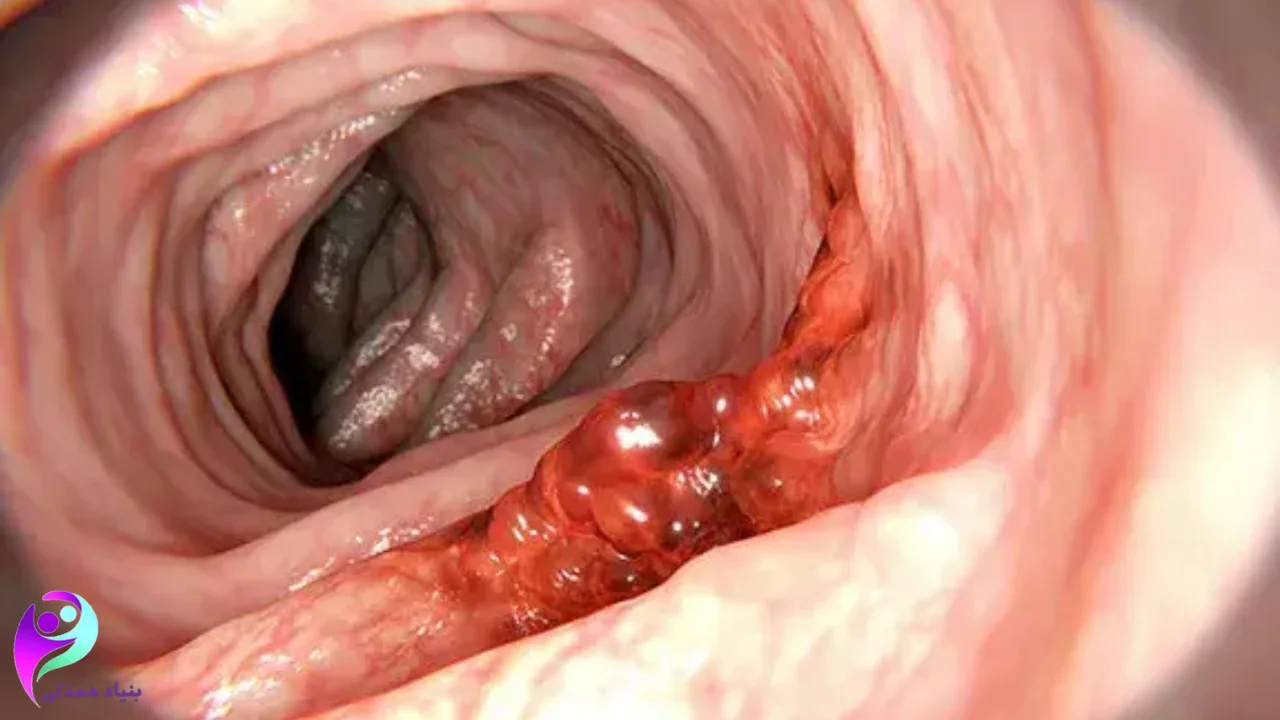
Colon Cancer Treatments: Ways to Get Back to Life and Hope
When the name colon cancer comes up, it is natural for people to feel worried and afraid. But we should know that scientific and medical advances in recent years have provided effective and diverse ways to treat this disease. Understanding the treatment methods and how they work can give patients and families more peace of mind and hope.
Surgery: Removing the tumor and starting treatment
Surgery is one of the most common and effective ways to treat colon cancer. In this method, doctors remove the tumor and some of the healthy tissue around it to kill the cancer cells. Depending on the location and size of the tumor, surgery can be performed open or laparoscopically. After surgery, additional treatments are often needed.
Chemotherapy: Attacking Cancer Cells from Within
Chemotherapy uses special drugs to kill cancer cells throughout the body. It is usually given after surgery to reduce the chance of the disease coming back. Although it can cause side effects such as fatigue, nausea, and hair loss, this treatment significantly increases the chance of a cure.
Radiation Therapy: Precise Targeting to Kill Cancer Cells
Radiation therapy uses high-energy waves to destroy cancer cells in a specific area. It is usually used to shrink a tumor before surgery or to control the disease when surgery is not possible. Radiation therapy can also reduce pain and symptoms.
New Treatments: Immunotherapy and Targeted Therapies
New advances in medical science have introduced new treatments such as immunotherapy and targeted drugs, which boost the body’s immune system to fight cancer or directly target cancer cells. These treatments are usually used in advanced cases or those that are resistant to traditional treatments and promise better results and fewer side effects.
Psychosocial Support in the Treatment Process
In addition to medical treatments, psychological support and social work play a very important role in improving the quality of life of patients. Having a strong support network, psychological counseling, and receiving financial and social assistance can facilitate the treatment process and keep hope alive in the hearts of patients.
Finally
In the face of colon cancer, awareness and support are two essential pillars. Diverse and advanced treatment methods have made it possible for patients to walk the path to recovery with hope and motivation. Every small step towards treatment is a big step towards a healthier and better life.
Bowel cancer screening schedule: When and how to get tested?
Bowel cancer screening is one of the most important preventive measures that can save many lives. But the question is when and how often should you have these tests? The answer to this question depends on a number of factors, including your age, family history and overall health.
For people at higher risk (e.g., family history of colon cancer or inflammatory bowel disease):
Screening may begin earlier than age 50 (e.g., age 40 or younger)
Your doctor may recommend colonoscopies at shorter intervals (e.g., every 3 to 5 years)
Additional tests, such as MRI or colonoscopy, may be necessary in some cases
Important:
It is always best to talk to your doctor about the best time and type of screening. Even if you have no symptoms, regular screening can help detect cancer early and prevent it from progressing.
Important points before and after colonoscopy: Preparation and care
Colonoscopy is one of the most important tools for diagnosing and preventing colon cancer, but in order for this test to be performed in the best possible way, it is essential to observe the following points.
Before your colonoscopy:
Follow a special diet: You should usually eat a bland, low-fiber diet for 1 to 3 days before your procedure and avoid solid foods.
Take a laxative: Your doctor will prescribe a medication that you should take as directed to completely clear your colon. This is important because any stool left in your colon may obstruct your doctor’s view.
Drink plenty of water: Drink plenty of water in the days leading up to and on the day of your colonoscopy to prevent dehydration.
Stop taking certain medications: If you are taking certain medications, talk to your doctor about whether to continue or stop taking them. This is especially true for blood thinners.
After your colonoscopy:
Rest: You may feel tired or bloated after the test, so it’s best to rest for a few hours.
Eat a light diet: Eat light, easily digestible foods to help your digestive system return to normal.
Watch for unusual symptoms: If you have heavy bleeding, unusual abdominal pain, or a fever, see your doctor right away.
Follow your results: Your doctor will provide you with any treatment or follow-up instructions based on your colonoscopy results.
Conclusion
Bolster cancer may initially appear without symptoms or with mild symptoms, but paying attention to small changes in the body can help with early detection and successful treatment. If you have any of the symptoms listed, do not hesitate to consult a doctor. Your health is the most important asset in your life.
Frequently asked questions about early signs of bowel cancer
1. What is bowel cancer and how does it develop?
Bowel cancer is the abnormal, uncontrolled growth of cells in the large intestine or rectum. The disease usually starts as small polyps that turn into cancer over time.
2. What are the early signs of bowel cancer?
Early signs include changes in bowel habits such as prolonged diarrhea or constipation, blood in the stool, abdominal pain, sudden weight loss, persistent fatigue, and changes in the shape of the stool.
3. Who is at higher risk of bowel cancer?
People over 50, those with a family history, poor diet, obesity, smoking and alcohol use, and inflammatory bowel diseases are at higher risk.
4. How can bowel cancer be detected early?
Screening tests such as colonoscopy and fecal occult blood tests help in early detection.
5. Is bowel cancer preventable?
Yes, by following a healthy diet, exercising regularly, quitting smoking and drinking less alcohol, you can reduce your risk.
6. When should you see a doctor?
If warning signs such as rectal bleeding, frequent changes in bowel habits or abdominal pain persist for more than two weeks, it is best to see a doctor immediately.
The author of the article:Erfan
