
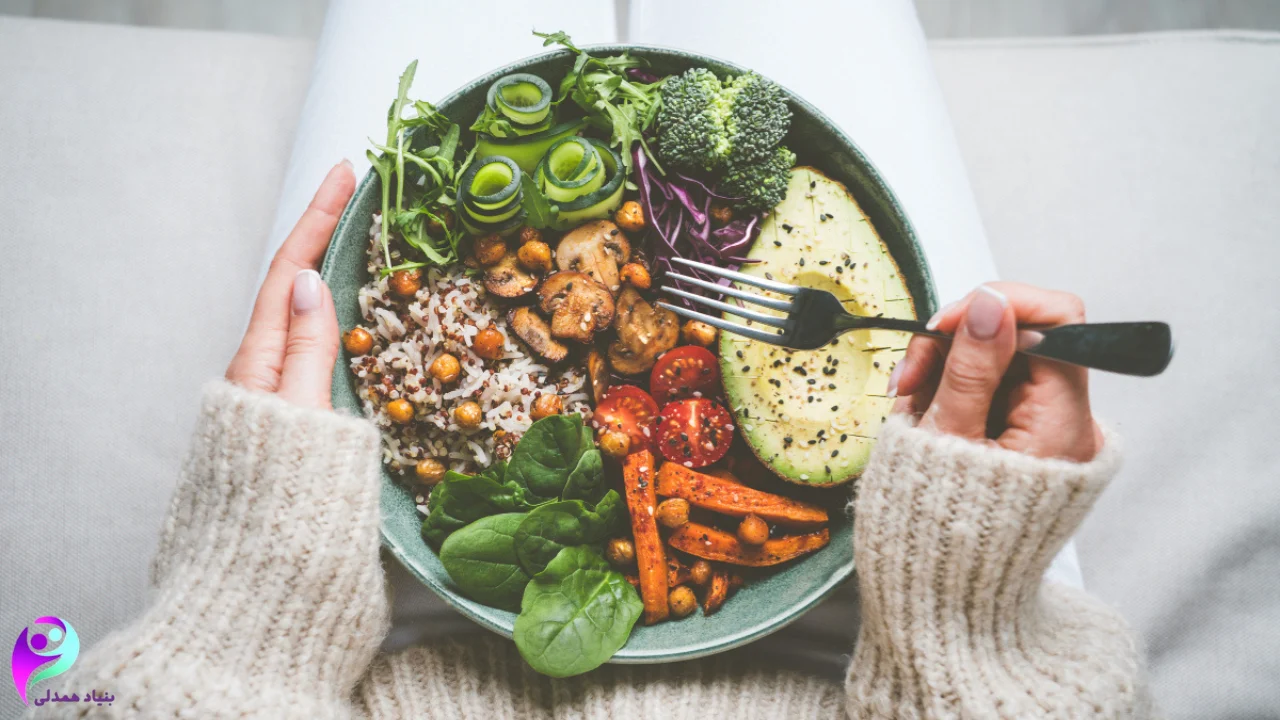
Bowel cancer diet plan: A complete nutritional guide for patients from diagnosis to recovery.
Colon cancer is one of the most common types of cancer worldwide, which is directly related to lifestyle, diet, and daily habits. Although genetic and environmental factors also play a role in the occurrence of this disease, nutrition is one of the most important elements in preventing, controlling, and even improving the condition of patients with colon cancer. In this article, we will discuss in detail the principles of nutrition in colon cancer, the recommended diet, beneficial and harmful foods, and important nutritional tips for patients.
The Hamdali Foundation Charity is a support group in the field of helping cancer patients, which aims to reduce treatment concerns, cover essential expenses, and boost patients’ morale. With public donations and the participation of donors, this foundation tries to make the treatment path smoother for patients and their families. If you are interested in supporting, you can do so through online payment, telephone contact, or online chat. Also, people who need help or advice can easily contact the foundation’s support team through these communication channels to receive the necessary guidance.
- The Importance of Nutrition in Colon Cancer
- Before designing any type of diet plan, it is essential to observe a few important principles:
- Food groups that are beneficial for colon cancer patients
- Foods that colon cancer patients should avoid
- The Role of Fiber in a Colon Cancer Diet
- The Role of Probiotics in Patients’ Gut Health
- Nutrition during chemotherapy and radiation therapy
- The Importance of Vitamins and Minerals in a Colon Cancer Diet
- According to the Cancer Research website, the bowel cancer diet plan:
- The Role of Diet in Improving Complications of Colon Cancer Treatment
- The role of lifestyle along with nutrition
- The role of nutritional supplements in the colon cancer diet
- The role of hydration and fluids in the bowel cancer diet
- The role of soups and soft foods in patient nutrition
- The role of antioxidants in the prevention and control of colon cancer
- The Importance of Personalizing Your Diet
- Misconceptions about nutrition in colon cancer
- The role of family in adhering to a patient’s diet plan
- Conclusion
- Frequently Asked Questions About Colon Cancer Diet
The Importance of Nutrition in Colon Cancer
Proper nutrition not only plays a role in preventing colon cancer, but also in the treatment process, increasing quality of life and even reducing side effects of treatments. A proper diet can strengthen the immune system, reduce inflammation, improve bowel function and even prevent recurrence of the disease. Patients with colon cancer usually face problems such as weight loss, malnutrition, anemia, weakness and diarrhea, all of which can be controlled with a principled diet.
General principles of a diet plan for colon cancer patients
Before designing any type of diet plan, it is essential to observe a few important principles:
- Balanced nutrition: Consuming all food groups, including proteins, carbohydrates, healthy fats, vitamins and minerals.
- Small and frequent meals: Dividing meals into 5 to 6 small meals instead of 3 large ones.
- Drinking enough water: To prevent dehydration and help the digestive system function better.
- Avoiding irritating foods: Avoid fatty, fried, spicy and processed foods that may irritate the intestines.
- Pay attention to the cooking method: Using healthy methods such as steaming, boiling and grilling instead of frying.
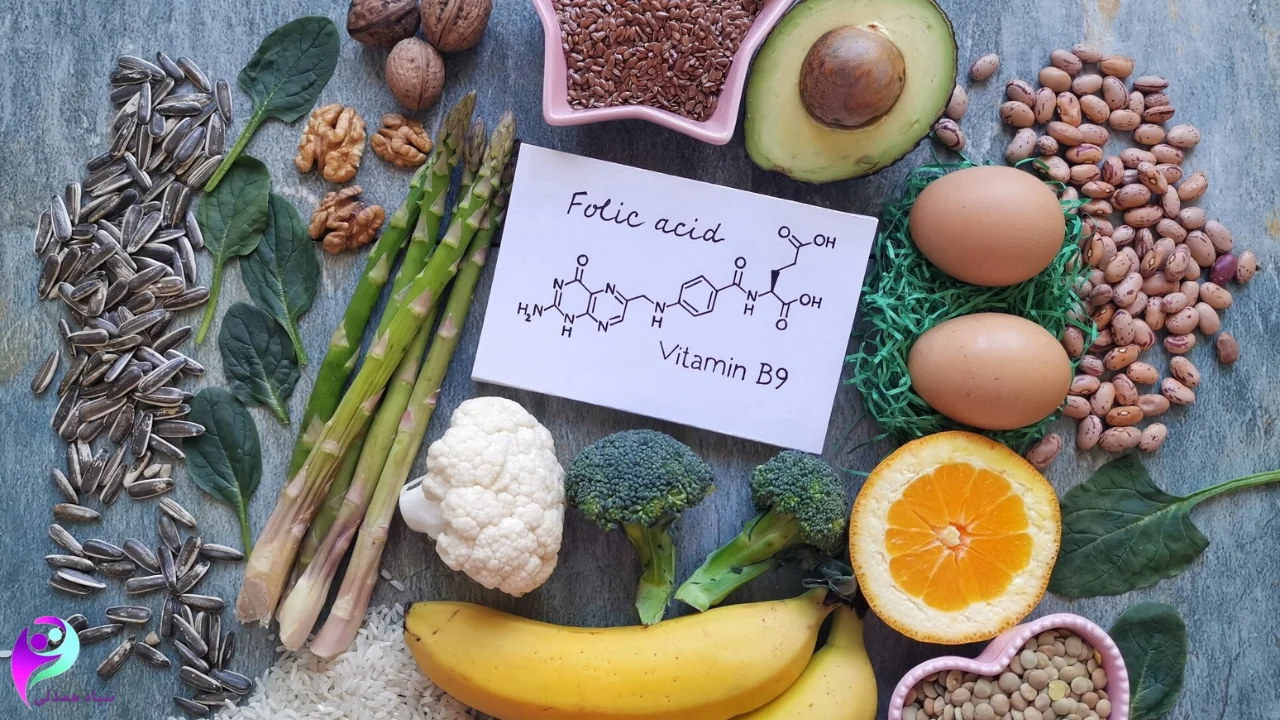
Food groups that are beneficial for colon cancer patients
1. Fresh fruits and vegetables
Fruits and vegetables are a rich source of antioxidants, fiber, and essential vitamins. Fiber helps improve bowel function, and antioxidants fight free radicals.
Examples:
Broccoli, spinach, Brussels sprouts
Apples, strawberries, pomegranates
Carrots, and beets
2. Whole grains
Whole grains like oatmeal, brown rice, and whole grain bread are good sources of fiber, which helps support gut health.
3. High-quality proteins
Protein is essential for tissue repair and boosting the immune system. It’s best to use lean protein sources.
Examples:
Skinless chicken
Salmon and trout
Eggs
Legumes like lentils and beans
4. Healthy Fats
Unsaturated fats can help reduce inflammation and promote overall health.
Examples:
Olive oil
Avocado
Nuts and seeds (walnuts, almonds, flaxseeds)
Foods that colon cancer patients should avoid
- Processed foods: sausages, hot dogs, canned goods
- Excessive red meat: High consumption is associated with an increased risk of colon cancer recurrence.
- Fried and fatty foods: Cause inflammation and irritation of the intestines.
- Sugar and industrial sweets: Cause the growth of cancer cells.
- Carbonated and alcoholic beverages: Can irritate the intestines and weaken the immune system.
The Role of Fiber in a Colon Cancer Diet
Fiber is one of the most important elements of a colon cancer patient’s diet. Fiber not only improves bowel function, but also helps remove toxins from the body and reduces the likelihood of cancer cell growth. It is recommended to consume 25 to 30 grams of fiber daily from sources such as vegetables, fruits, and whole grains.
The Role of Probiotics in Patients’ Gut Health
Probiotics are beneficial bacteria that help balance the intestinal flora. They can reduce the side effects of treatments such as chemotherapy and radiation therapy and improve digestive function.
Sources of Probiotics:
- Probiotic Yogurt
- Kefir
- Homemade Pickles Without Vinegar
Nutrition during chemotherapy and radiation therapy
Patients undergoing cancer treatments often experience loss of appetite, nausea, changes in taste, and digestive problems. During this period, it is very important to consume soft, pureed, low-fat, and easily digestible foods.
Important points:
- Eat small but frequent meals
- Drink enough water and fluids to prevent dehydration
- Use soups, smoothies, and purees for easier digestion
- Avoid spicy, acidic, and heavy foods
The Importance of Vitamins and Minerals in a Colon Cancer Diet
Vitamins and minerals play an important role in strengthening the immune system, repairing tissues, and reducing the side effects of cancer treatments. Some of the most important ones are:
- Vitamin C: Strengthens the immune system and reduces inflammation
- Vitamin D: Reduces the growth of cancer cells
- Zinc: Repairs tissues and strengthens the immune system
- Selenium: Antioxidant properties and protects cells
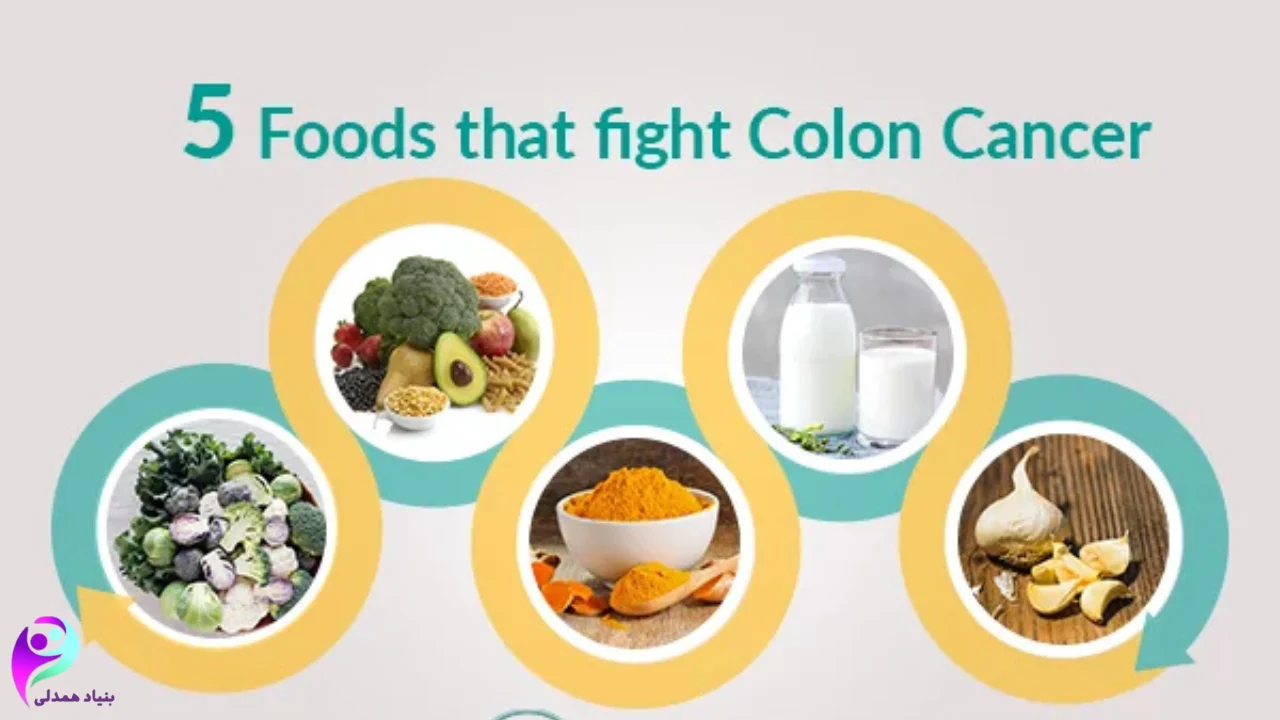
According to the Cancer Research website, the bowel cancer diet plan:
You will find that your digestion takes time to settle down after bowel cancer treatment. Everyone is different. How long it takes can depend on the type of surgery and treatment you’ve had. Some foods can upset the way your bowel works. After treatment, high fibre foods, such as fruit and vegetables, may give you loose poo and increased wind. You may need to go to the toilet much more often than normal.
If you have had a colostomy
you may find that it takes a few months for your bowel to work normally again. If you have had a combination of treatments, you may have permanent changes to your bowel. You may need to avoid certain foods.
Some foods can cause wind, which will go into your stoma bag if you have a colostomy or ileostomy.
You may need to experiment a bit to find out which foods upset your system. The foods most likely to cause problems are:
- very high fibre fruits and vegetables
- onions, brussels sprouts and cabbage
- pulses such as baked beans or lentils
- fizzy drinks, beer and lager
- very rich or fatty foods
The Role of Diet in Improving Complications of Colon Cancer Treatment
Patients with colon cancer often face treatments such as chemotherapy, radiation therapy, or surgery, each of which can have significant side effects on the digestive system and overall health of the body. One of the best ways to control these complications and help the body in the healing process is to follow a systematic and targeted diet plan. Below are some of the most important complications and nutritional ways to reduce them:
1. Dealing with nausea and vomiting
Many patients experience nausea during chemotherapy. To reduce this, it is recommended to:
Eat small, frequent meals.
Eat bland foods such as white rice, baked potatoes, toast, and apples.
Drink ginger or chamomile tea to reduce nausea.
2. Control diarrhea
Radiation therapy or some medications can cause intestinal irritation and diarrhea. To control it:
Consume soluble fiber such as oatmeal, unpeeled apples, and cooked carrots.
Avoid high-fat dairy products, spicy foods, and artificial sugars.
It is essential to drink fluids to prevent dehydration.
3. Dealing with constipation
Some medications can reduce bowel movements. Nutritional Solutions:
Increase fiber intake through fruits, vegetables, and whole grains
Drink plenty of water
Consume olive oil and flaxseeds to help with bowel movements
4. Increase energy and reduce fatigue
Fatigue is one of the most common side effects of cancer treatment. To increase energy levels:
Eat meals that contain protein and complex carbohydrates, such as brown rice, chicken, and legumes
Use dried fruits and nuts as energy-boosting snacks
Drink enough water to maintain energy levels
The role of lifestyle along with nutrition
Although healthy nutrition plays a very important role in managing colon cancer, it is not the only factor. Combining diet with a healthy lifestyle can yield much better results.
1. Regular physical activity
Light exercises such as daily walking or yoga can improve the functioning of the digestive system, strengthen the body’s immunity and reduce the feeling of fatigue.
2. Adequate and quality sleep
Regular sleep plays an important role in cell regeneration and improving the functioning of the immune system. Lack of sleep can slow down the healing process and increase feelings of weakness.
3. Stress reduction and psychological care
Anxiety and stress can disrupt digestive function. Breathing exercises, meditation, music therapy and talking to a counselor can help calm the mind and improve physical health.
The role of nutritional supplements in the colon cancer diet
In some cases, the doctor may prescribe certain nutritional supplements to patients to address nutritional deficiencies and improve the treatment process. However, self-medication with supplements is not recommended and should be done under the supervision of a doctor.
Common supplements:
- Vitamin D: to strengthen the immune system and reduce inflammation
- Vitamin B12: to produce red blood cells and increase energy
- Omega-3: to reduce inflammation and improve gut health
- Probiotics: to maintain the balance of beneficial gut bacteria and improve digestive function
The role of hydration and fluids in the bowel cancer diet
Drinking enough water and fluids is one of the simplest but most vital parts of the bowel cancer diet. Dehydration can cause constipation, fatigue, headaches and impaired digestive function.
Important points in hydration:
- Drink 8 to 10 glasses of water daily
- Use diluted natural fruit juices to provide vitamins
- Use mild herbal teas such as chamomile and mint to improve bowel function
- Avoid carbonated drinks, coffee and sugary drinks that can irritate the bowel
The role of soups and soft foods in patient nutrition
During treatment, the intestines may become sensitive and it may be difficult to digest heavy foods. In such situations, consuming soft foods and soups is an ideal choice. These foods are not only easily digested, but also provide the necessary nutrients.
Suitable examples:
- Chicken and vegetable soup with oats
- Pumpkin puree
- Lentil soup with carrots
- Mashed potatoes with olive oil
The role of antioxidants in the prevention and control of colon cancer
Antioxidants are compounds that fight free radicals and prevent damage to cells. Consuming foods rich in antioxidants can play an important role in preventing the growth of cancer cells and protecting the body against the side effects of treatment.
Sources of antioxidants:
- Fruits such as pomegranates, blueberries, black grapes and oranges
- Vegetables such as spinach, broccoli and tomatoes
- Nuts such as walnuts and almonds
- Natural green tea
The Importance of Personalizing Your Diet
Each patient requires a different diet plan depending on their physical condition, stage of the disease, type of treatment, and response to medications. Therefore, it is very important to consult a nutritionist to design a personalized diet. Personalizing your diet can reduce treatment side effects, increase your body’s tolerance to medications, and even significantly improve your quality of life.
Misconceptions about nutrition in colon cancer
Many patients and families believe in misconceptions about nutrition in colon cancer that can harm the treatment process. Below, we will examine some of these beliefs and their scientific reality:
- Misconception 1: Patients must have a very limited diet.
✅ Reality: Food variety is essential to provide nutrients. - Misconception 2: Sugar consumption causes cancer to grow faster.
✅ Reality: Excessive sugar consumption is harmful, but completely eliminating carbohydrates can also be dangerous. - Misconception 3: Patients should not use supplements.
✅ Reality: Some supplements can be very useful in addition to the main treatment, but they should be taken under the supervision of a doctor.
The role of family in adhering to a patient’s diet plan
Families play a very important role in implementing a patient’s diet plan. Psychological and emotional support, preparing healthy meals, helping when appetite decreases, and carefully following the doctor’s recommendations can have a significant impact on the treatment process. Family participation in choosing foods, preparing tasty meals, and even accompanying the patient during meals can increase his motivation to continue the treatment path.
Conclusion
The diet of patients with colon cancer should be based on balance, variety and high quality. Healthy eating can not only speed up the treatment process but also help reduce side effects, increase energy and improve the quality of life of patients. Consuming fresh fruits and vegetables, whole grains, high-quality proteins and healthy fats, along with avoiding processed and harmful foods, can be an important step in the fight against colon cancer. Paying attention to nutritional details and consulting a nutritionist is also of particular importance.
Frequently Asked Questions About Colon Cancer Diet
1. What is the best diet for colon cancer patients?
The best diet should be balanced, varied, and rich in nutrients. This plan usually includes fresh fruits and vegetables, whole grains, lean proteins (such as chicken and fish), healthy oils such as olive oil, and plenty of water. The type and amount of food should be adjusted with the advice of a nutritionist and based on the patient’s condition.
2. Should colon cancer patients limit fiber intake?
In the early stages of the disease or in situations where the patient does not have severe diarrhea, consuming soluble fiber (such as oatmeal, cooked carrots, and apples without skin) is very helpful. However, if the bowel has become irritable or the patient has a bowel obstruction, the doctor may consider temporarily restricting fiber intake.
3. Is dairy allowed for colon cancer patients?
Yes, but with caution. Some patients develop lactose intolerance after treatment. In this case, it is better to use lactose-free dairy products or plant-based alternatives such as almond milk. Consuming probiotic yogurts can also help improve gut health.
4. Can colon cancer patients eat red meat?
Consuming red meat in small amounts and in moderation is not a problem, but it is better to completely eliminate processed meats such as sausages and hot dogs. It is recommended to use more lean meats such as chicken, turkey, and fish, which are both easier to digest and have beneficial nutrients.
5. What foods should be eliminated from the diet of colon cancer patients?
Fried and fatty foods
Processed meats
Carbonated and sugary drinks
Too much sweets and sugar
Very spicy or spicy foods
Products containing chemical additives
Eliminating these substances can help reduce inflammation and improve bowel function.
6. Is it necessary for colon cancer patients to take nutritional supplements?
In some cases, yes. Supplements such as vitamin D, vitamin B12, omega-3, and probiotics can play a supportive role, but they should be taken only under the supervision of a doctor to avoid drug interactions or unwanted side effects.
Author of the article:Erfan

