

Warning signs of bowel cancer in men | Symptoms you shouldn’t ignore
Colon cancer is one of the most common types of cancer in men, claiming thousands of lives worldwide each year. The disease often progresses without symptoms in its early stages, which is why many men only see a doctor when the cancer has reached an advanced stage. Early recognition of the warning signs of colon cancer in men can significantly increase the chances of successful treatment. Being aware of these signs and seeing a doctor on time can not only save your life or that of your loved ones, but can also preserve your quality of life.
In this article, we will comprehensively and scientifically examine all the warning signs of colon cancer in men, risk factors, early detection methods, and prevention strategies.
The Hamdali Foundation Charity is a support group in the field of helping cancer patients, which aims to reduce treatment concerns, provide essential expenses, and boost patients’ morale. This foundation, with public donations and the participation of donors, tries to make the treatment path smoother for patients and their families. If you would like to support, you can do so through online payment, telephone contact, or online chat. Also, those who need help or advice can simply contact the foundation’s support team through these communication channels to receive the necessary guidance.
- What is bowel cancer and why is it more common in men?
- Warning signs of bowel cancer in men
- Stages of bowel cancer
- Risk factors for bowel cancer in men
- Methods for early detection of bowel cancer
- Ways to prevent colon cancer in men
- The role of nutrition in reducing the risk of colon cancer
- The role of screening in saving men’s lives
- Lesser-known symptoms of bowel cancer in men
- How can bowel cancer be distinguished from other digestive diseases?
- New advances in colon cancer treatment
- Healthy lifestyle to reduce the risk of bowel cancer
- The warning signs of bowel cancer in men, according to the Cancer Council website, are as follows:
- Bowel cancer signs and symptoms
What is bowel cancer and why is it more common in men?
Bowel cancer (also known as colon and rectal cancer) is the uncontrolled growth of abnormal cells in the lining of the large intestine or rectum. These cells can form lumps called polyps that, if left untreated, can become cancerous over time.
Studies show that men are more likely to develop bowel cancer than women due to factors such as an unhealthy diet, smoking, obesity, a sedentary lifestyle and genetic factors. Male hormones may also play a role in the growth of cancer cells in the bowel.
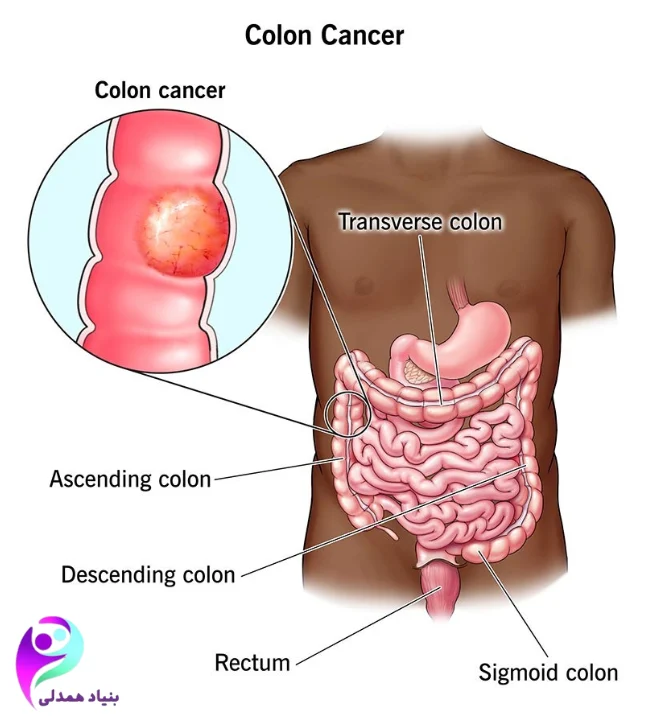
Warning signs of bowel cancer in men
Early recognition of the early signs of bowel cancer can play an important role in the success of treatment. These symptoms may be mild at first and can be confused with other digestive diseases, but it is very important to pay attention to them.
1. Persistent changes in bowel habits
One of the most important warning signs is a persistent change in bowel habits. If you have the following for more than two weeks, be sure to see a doctor:
Prolonged diarrhea or constipation
A feeling that the bowel has not been completely emptied after defecation
A change in the diameter or shape of the stool (for example, abnormally narrowing)
These changes can be a sign of a growth in the intestine that has changed the path of passage.
2. Blood in the stool or rectal bleeding
Blood in the stool can be one of the most important signs of bowel cancer. The color of the blood can also be an important clue:
Bright red blood: Usually comes from the lower part of the intestine or rectum.
Dark or black blood: Indicates bleeding in the upper part of the colon.
Although blood in the stool does not always mean cancer and may be caused by hemorrhoids, it is necessary to check it with a doctor.
3. Sudden and unexplained weight loss
If you experience sudden weight loss without changing your diet or physical activity, your body may be using its energy to fight cancer cells. Unexplained weight loss is one of the warning signs of many cancers, including colon cancer.
4. Chronic and unexplained fatigue
Cancer cells need a lot of energy to grow, and the body becomes energy-deprived in this process. Hidden bleeding in the intestine can also cause anemia and, as a result, constant fatigue. If you feel weak and tired all the time, do not ignore this.
5. Persistent abdominal pain and bloating
Pain, cramping, bloating, or a feeling of fullness in the abdomen that lasts for a long time can be a sign of a mass in the intestines. This mass may block the digestive tract and cause a buildup of gas or material.
6. Frequent nausea and vomiting
In more advanced stages, a cancerous mass can cause a blockage in the intestines, resulting in nausea and vomiting. This symptom requires immediate investigation, especially when accompanied by other symptoms.
7. Unexplained anemia
If your blood test shows anemia (low hemoglobin levels), it may be due to chronic, hidden bleeding from bowel cancer. Anemia is usually accompanied by symptoms such as pale skin, palpitations, and shortness of breath.
Stages of bowel cancer
Bowel cancer in men usually progresses in four stages:
Stage 1: The cancer is confined to the inner wall of the bowel.
Stage 2: The cancer has spread to deeper layers of the bowel wall.
Stage 3: The cancer has reached the lymph nodes around the bowel.
Stage 4: The cancer has metastasized to other organs, such as the liver or lungs.
Early diagnosis is usually made at stage 1 or 2, and the chances of successful treatment are very high.
Risk factors for bowel cancer in men
Some of the most important factors that increase the risk of bowel cancer include:
- Old age: Most cases are seen in men over 50.
- Family history: Having bowel cancer in a first-degree relative doubles the risk.
- Unhealthy diet: High consumption of red and processed meat and lack of fiber.
- A sedentary lifestyle: Regular exercise can reduce the risk.
- Obesity and overweight: Directly associated with an increased risk of bowel cancer.
- Alcohol and smoking: Important factors in the occurrence of bowel cancer.
Methods for early detection of bowel cancer
Early detection is the key to successful treatment of bowel cancer. Men over 45 should be screened regularly. The main methods are:
- Colonoscopy: The most accurate method for detecting polyps and early cancers.
- Fecal occult blood test (FOBT): To detect hidden bleeding.
- Sigmoidoscopy: Examination of the lower part of the large intestine.
- CT colonography: A non-invasive, highly accurate method.
Ways to prevent colon cancer in men
Prevention is always better than cure. Some of the most important ways to reduce your risk include:
- Eating a diet rich in fiber, vegetables, and fruits
- Reducing your intake of processed meats
- Exercising regularly for at least 30 minutes a day
- Maintaining a healthy weight and avoiding obesity
- Quitting smoking and limiting alcohol consumption
- Getting regular tests after age 45
The role of nutrition in reducing the risk of colon cancer
A healthy diet is one of the most important factors in preventing and even improving the condition of patients with colon cancer. Foods such as:
- Leafy green vegetables: such as spinach and broccoli, which are rich in antioxidants.
- Whole grains: help improve bowel function and reduce inflammation.
- Fish and lean proteins: are good sources of omega-3 fatty acids.
- Colorful fruits: contain flavonoids and anti-cancer antioxidants.
The role of screening in saving men’s lives
Regular screening from the age of 45 can reduce the risk of dying from bowel cancer by more than 60%. Men with a family history of cancer should start screening even earlier.
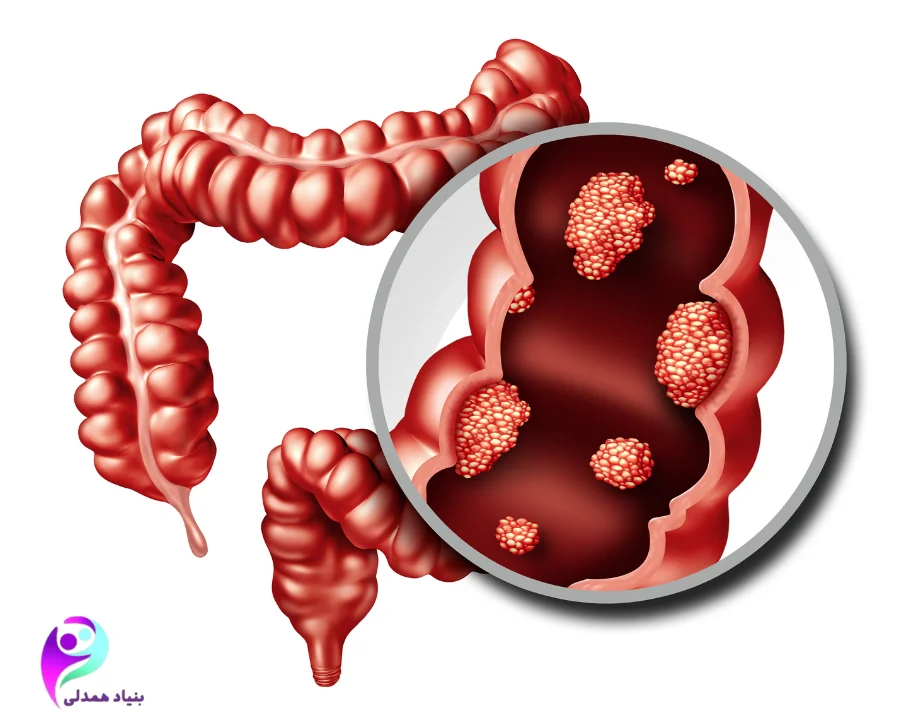
The relationship between age and bowel cancer in men
One of the most important risk factors for bowel cancer is increasing age. According to global research, more than 90% of bowel cancer cases occur in people over 50 years of age. However, in recent years, a worrying trend has been observed: the incidence in men under 50 is also increasing. This increase is especially seen in societies where the consumption of processed foods, unhealthy fats and a sedentary lifestyle is more common.
The reason for the increase in risk with age is because cells are more susceptible to genetic mutations over time. The immune system also becomes weaker with age and may be less effective in combating abnormal cells. Therefore, doctors strongly recommend that men start regular bowel screenings from the age of 45 and, if they have a family history, even start these examinations from the age of 40.
Lesser-known symptoms of bowel cancer in men
In addition to the main symptoms mentioned earlier, some other symptoms can also be a warning sign. These symptoms may not seem serious at first, but together with other symptoms, they can be a sign of cancer:
A feeling of fullness or pressure in the anal area: even after defecation.
- A change in the smell of the stool: which may be due to bacterial changes caused by the tumor.
- Palpitations or dizziness: due to chronic anemia.
- Loss of appetite: for no specific reason.
- Change in skin color or jaundice: if the cancer has spread to the liver.
How can bowel cancer be distinguished from other digestive diseases?
Many men mistakenly confuse the symptoms of bowel cancer with common digestive problems such as irritable bowel syndrome (IBS), hemorrhoids or stomach ulcers. The main difference is how long the symptoms last and how severe they are. If symptoms such as blood in the stool, changes in bowel habits or weight loss persist for more than 2 weeks, they should be taken seriously.
Also, with bowel cancer, symptoms usually become more severe over time, while in functional digestive diseases, symptoms are usually periodic and fluctuate in severity.
New advances in colon cancer treatment
In recent years, significant advances have been made in the treatment of colon cancer, which has increased the life expectancy of patients. Some of the new treatment methods include:
1. Minimally invasive surgeries
Today, many colon cancer surgeries are performed laparoscopically, which has less pain, a shorter recovery period, and better results. In the early stages, removing polyps or part of the intestine can completely eliminate the cancer.
2. Targeted therapies
These methods destroy cancer cells by targeting specific molecules that play a role in the growth of cancer cells, causing less damage to healthy cells.
3. Immunotherapy
In this method, the body’s immune system is stimulated to identify and destroy cancer cells. Immunotherapy has been very effective in men with advanced cancer or who have not responded to other treatments.
4. Combination therapy
A combination of surgery, chemotherapy, radiation therapy, and targeted therapies can produce very favorable results, depending on the stage of the disease.
Healthy lifestyle to reduce the risk of bowel cancer
Research shows that more than 50% of bowel cancer cases are preventable if a healthier lifestyle is adopted. The most important recommendations for men are:
Healthy and balanced diet
Daily consumption of fresh fruits and vegetables
Using whole grains instead of white flour
Reducing consumption of red and processed meats
Drinking enough water (8 glasses a day) for healthy bowel function
Regular physical activity
Daily exercise for 30 to 45 minutes can improve bowel movements, strengthen the immune system and reduce internal inflammation.
Stress management
Chronic stress can affect the functioning of the digestive system and immunity. Using methods such as meditation, yoga or deep breathing can be effective in reducing the risk of cancer.
Sufficient and quality sleep
Lack of sleep can disrupt hormone regulation and weaken the immune system. A nightly sleep of 7 to 8 hours is essential for overall health.
The warning signs of bowel cancer in men, according to the Cancer Council website, are as follows:
Bowel cancer signs and symptoms
Symptoms of bowel cancer include:
- change in bowel habit including diarrhoea, constipation or the feeling of incomplete emptying
- a change in the appearance or consistency of bowel movements such as thin bowel stools
- blood in the stools
- abdominal pain, bloating or cramping
- anal or rectal pain
- a lump in the anus or rectum
- weight loss
- unexplained fatigue
- tiredness and/or anaemia (pale complexion, weakness and breathlessness)
- blood in the urine or passing urine frequently or during the night, change in urine colour – dark, rusty or brown
The role of family and friends in the treatment process
Men facing colon cancer need psychological and social support in addition to medical treatment. Family and friends can play an effective role in the following ways:
- Accompanying the patient to treatment sessions and medical visits
- Encouraging the patient to follow a healthy diet
- Creating a calm and stress-free environment
- Emotional support and listening to the patient’s concerns
Studies have shown that patients who have stronger psychological support have a more successful treatment process and a higher quality of life.
Common misconceptions about bowel cancer
There are common misconceptions about bowel cancer that can delay diagnosis and treatment. Here are some of the common misconceptions:
❌ “Bowel cancer only affects older people”
Fact: Although age is a risk factor, this cancer can also affect younger men.
❌ “If I don’t have any symptoms, then it’s okay”
Fact: Bowel cancer is often asymptomatic in its early stages. Regular screening is essential even if there are no symptoms.
❌ “Diet has no role”
Fact: An unhealthy diet is one of the most important risk factors for developing this disease.
❌ “Treatment for bowel cancer is always difficult and ineffective”
Fact: If diagnosed early, the 5-year survival rate is over 90%.
The Future of Colon Cancer Treatment
Medical science is advancing at a rapid pace. New technologies such as gene therapy, tumor DNA analysis, and personalized medicine can provide much more precise treatments. In the near future, doctors will be able to design treatments that are precisely tailored to each patient’s genetic characteristics.
In addition, research into the role of the gut microbiome in the prevention and treatment of colon cancer is expanding. The balance of beneficial bacteria in the gut can play an important role in inhibiting the growth of cancer cells.
Conclusion
Bolster cancer is one of the most dangerous types of cancer in men, but the good news is that if detected early, its treatment is successful in more than 90% of cases. Paying attention to warning signs such as changes in bowel habits, blood in the stool, unexplained weight loss, abdominal pain and persistent fatigue can save your life.
Lifestyle changes, a healthy diet, regular exercise and periodic screenings are also the most important strategies for preventing this disease. If you notice any of these symptoms in yourself, do not delay seeing a doctor. Early detection can be the difference between a simple treatment and a life-threatening disease.
Frequently Asked Questions about Warning Signs of Bowel Cancer in Men
1. What are the most common early signs of bowel cancer in men?
The most common early signs include persistent changes in bowel habits (constipation or prolonged diarrhea), blood in the stool, unexplained weight loss, extreme fatigue, frequent pain or cramping in the abdomen, and a feeling of incomplete emptying of the bowel after a bowel movement. These symptoms should be checked out if they persist for more than a few weeks.
2. Is bowel cancer always accompanied by blood in the stool?
No. Although blood in the stool is a common symptom, many men with the disease in the early stages may not have this symptom. Changes in digestion, frequent bloating, or sudden weight loss can also be important signs.
3. Is abdominal pain alone a sign of bowel cancer?
Abdominal pain can be caused by a variety of reasons, from simple digestive problems to more serious diseases. But if abdominal pain is accompanied by symptoms such as blood in the stool, changes in bowel habits or weight loss, it requires urgent specialist examination.
4. When should you see a doctor for bowel cancer?
If any of the warning signs such as digestive bleeding, persistent changes in bowel habits, abdominal pain or unusual fatigue persist for more than two weeks, it is essential to see a doctor. Early detection plays an important role in the success of treatment.
5. Does age play a role in the development of bowel cancer in men?
Yes. The risk of developing bowel cancer increases after the age of 50. However, in recent years, cases of this disease have also been seen in younger men, especially if there is a family history or an unhealthy lifestyle.
6. Can lifestyle affect the development of bowel cancer symptoms?
Definitely yes. A low-fiber, high-fat diet, lack of exercise, smoking and alcohol consumption and obesity are risk factors. Maintaining a healthy lifestyle can both reduce the risk of infection and lessen the severity of symptoms.
Author of the article:Erfan

