
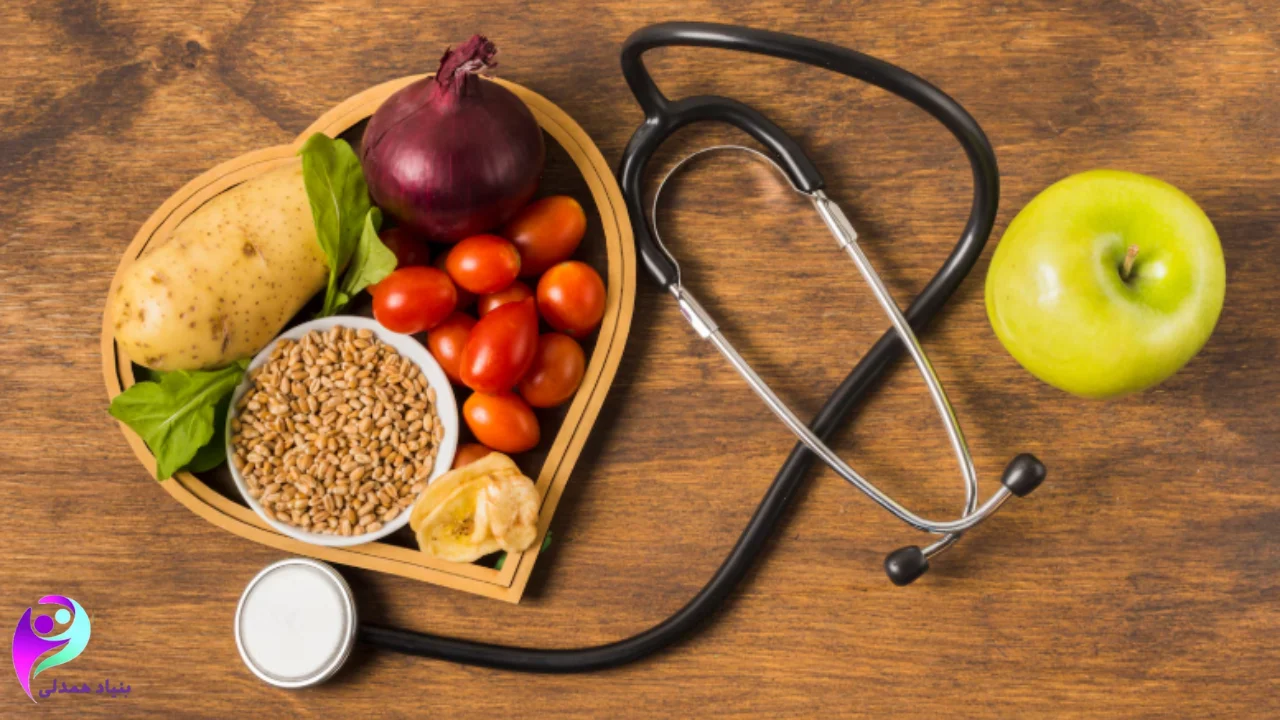
Nutrition during radiation therapy | A comprehensive guide for cancer patients
Radiation therapy is one of the main methods of treating cancer, which uses high-energy rays to kill cancer cells or prevent their growth. However, along with the therapeutic benefits, this method can be associated with side effects such as fatigue, loss of appetite, nausea, digestive problems, and a weakened immune system. One of the most important factors that can help reduce these side effects is proper nutrition during radiation therapy.
Having a proper diet not only maintains the patient’s energy and physical strength, but also helps improve the treatment process and increase the quality of life. In this article, we will comprehensively discuss the principles of nutrition in radiation therapy, the best foods, dietary dos and don’ts, supplements, and even psychological tips in nutrition.
The Hamdali Foundation is a support group in the field of helping cancer patients, which aims to reduce treatment concerns, cover essential expenses, and boost patients’ morale. The foundation, with public donations and the participation of donors, tries to make the treatment path smoother for patients and their families. If you are interested in supporting them, you can do so through online payment, telephone contact, or online chat. Also, people who need help or advice can simply contact the foundation’s support team through these communication channels to receive the necessary guidance.
- Why is nutrition important during radiation therapy?
- General principles of nutrition during radiation therapy
- Best Foods for Radiation Patients
- Anti-inflammatory foods
- Do’s and Don’ts of Diet During Radiation Therapy Do’s:
- Don’ts:
- Nutritional Supplements in Radiation Therapy
- Managing Radiation Side Effects with Nutrition
- The Role of Psychological Nutrition in Radiation Therapy
- The Role of Charitable Foundations and Social Support
- Nutrition’s Role in Reducing Inflammation from Radiation Therapy
- The Importance of Hydration During Radiation Therapy
- Managing Taste Changes
- Foods to Improve Energy and Reduce Fatigue
- Important food avoidances during radiation therapy
- The role of fiber in the radiation therapy diet
- Examples of healthy snacks for radiation patients
- Psychological support through nutrition
- Light exercise and nutritional supplementation
- Common misconceptions about nutrition in radiation therapy
- Conclusion
- Frequently Asked Questions (FAQ) about nutrition in radiation therapy
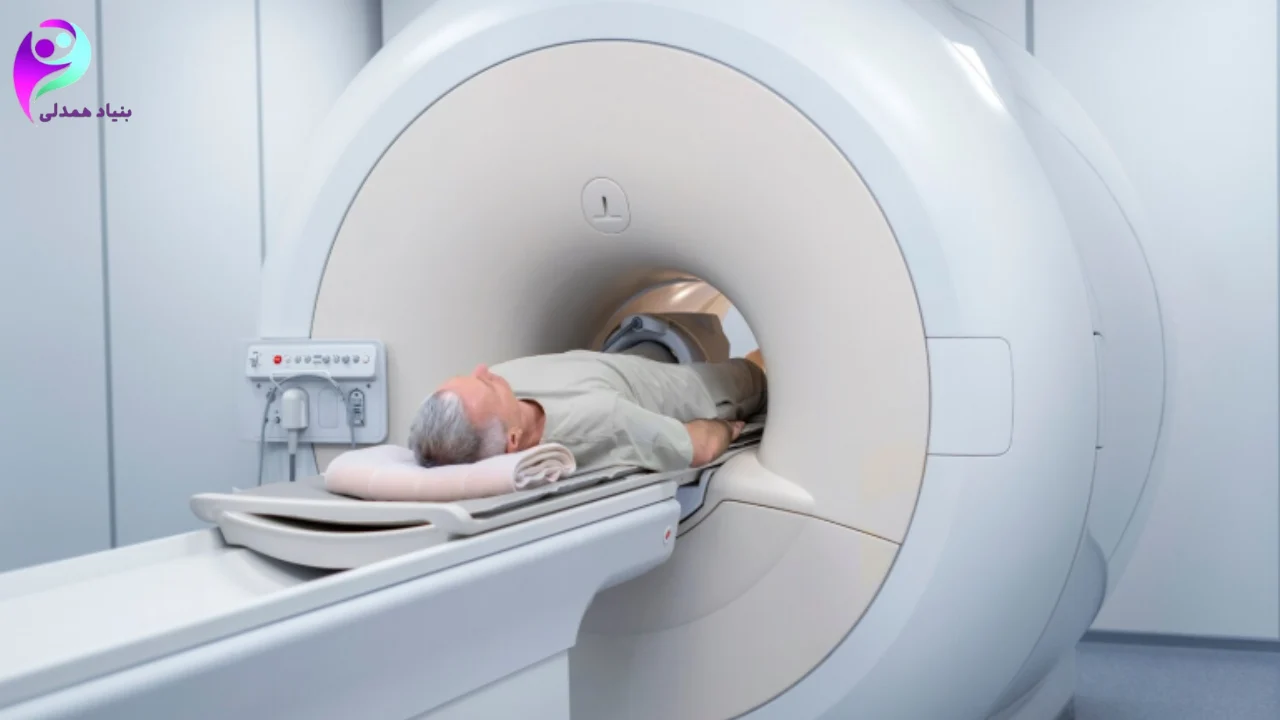
Why is nutrition important during radiation therapy?
The patient’s body needs more nutrients during radiation therapy due to damage to healthy cells. The main reasons why proper nutrition is important during this period are:
Strengthening the immune system: to fight infections and rebuild damaged cells.
Reducing treatment side effects: such as nausea, diarrhea, constipation or mouth sores.
Maintaining energy and the ability to perform daily activities.
Preventing malnutrition and severe weight loss.
Helping to recover faster and better tolerate radiation therapy.
General principles of nutrition during radiation therapy
1. Consume enough protein
Protein is essential for repairing body tissues and rebuilding healthy cells. Good sources of protein include:
White meat (cooked or steamed chicken and fish)
Eggs
Low-fat dairy products
Legumes (lentils, beans, chickpeas)
Nuts and seeds
2. Consume healthy carbohydrates
Carbohydrates are the body’s main source of energy. It is best for patients to consume healthy sources:
Brown rice, oatmeal, whole grain bread
Baked or baked potatoes
Fresh fruits and vegetables
3. Consume healthy fats
Healthy fats are good for absorbing certain vitamins and reducing inflammation:
Olive oil
Avocado
Nuts and seeds
Fatty fish like salmon and sardines
4. Drink enough fluids
The body loses a lot of water during radiation therapy. It is recommended to drink 8 to 10 glasses of water a day. You can also use natural fruit juices and thin soups.
Best Foods for Radiation Patients
Colorful Fruits and Vegetables
These are rich in antioxidants, vitamins, and fiber, and help the body fight oxidative stress. Examples:
Carrots, spinach, broccoli, red cabbage
Oranges, pomegranates, apples, kiwi
Soft, easily digestible foods
For patients with mouth ulcers or throat problems:
Vegetable soup
Mashed potatoes
Low-fat yogurt
Homemade smoothies
Anti-inflammatory foods
Turmeric
Ginger
Omega-3 fish
Leafy green vegetables
Probiotics
Probiotic dairy products and kefir can help improve gut health.
Do’s and Don’ts of Diet During Radiation Therapy
Do’s:
Eating small, frequent meals instead of large meals
Choosing fresh, homemade foods
Eating high-calorie foods if you’ve lost a lot of weight
Don’ts:
Very fatty or fried foods
Sweets and artificial sugars
Carbonated and alcoholic beverages
Processed foods such as sausages and hot dogs
Nutritional Supplements in Radiation Therapy
Patients may need supplements such as vitamin D, calcium, iron, or omega-3. However, their use should be supervised by a doctor, as some supplements can reduce the effect of radiation therapy.
Managing Radiation Side Effects with Nutrition
Nausea and vomiting: Eat ginger and light meals.
Diarrhea: Eat white rice, bananas, boiled potatoes.
Constipation: Eat soluble fiber (oatmeal, apples, steamed vegetables).
Mouth ulcers: Eat soft, cool foods such as yogurt and smoothies.
Fatigue: Eat protein-rich snacks and nuts. Managing Radiation Side Effects with Nutrition
Nausea and vomiting: Eat ginger and light meals.
Diarrhea: Eat white rice, bananas, boiled potatoes.
Constipation: Eat soluble fiber (oatmeal, apples, steamed vegetables).
Mouth ulcers: Eat soft, cool foods such as yogurt and smoothies.
Fatigue: Eat protein-rich snacks and nuts.
The Role of Psychological Nutrition in Radiation Therapy
Food is not only a source of energy; it can also help improve patients’ mood. Eating tasty and colorful foods, having family meals, and having a variety of foods can reduce patient stress.
The Role of Charitable Foundations and Social Support
In Iran, some charities help cancer patients maintain a better diet during radiation therapy by providing healthy food packages and financial support.
Nutrition’s Role in Reducing Inflammation from Radiation Therapy
Radiation therapy can cause inflammation in healthy tissues around tumors. Choosing anti-inflammatory foods can help reduce this problem:
Fatty fish (such as salmon, sardines, and trout) have anti-inflammatory properties due to their omega-3 fatty acids.
Dark green leafy vegetables such as spinach, kale, and broccoli help reduce inflammation due to their chlorophyll and fiber.
Red and purple fruits such as blueberries, pomegranates, and grapes are rich in antioxidants that reduce cell damage caused by free radicals.
Spices such as turmeric and ginger are known to be natural anti-inflammatories.
The Importance of Hydration During Radiation Therapy
A common side effect of radiation therapy is dry mouth and dehydration. Drinking enough water and choosing healthy fluids is vital:
Plain water is the best choice.
Drinking mild herbal teas such as chamomile or mint can be soothing.
Diluted natural fruit juices and thin soups are a good alternative for those who do not feel like drinking water.
Consuming industrially sweetened or carbonated drinks is not recommended due to their high sugar and additives.
Managing Taste Changes
Many patients undergoing radiation therapy experience changes in their sense of taste. Some foods may taste metallic or bitter. To manage this problem:
Using natural seasonings, such as lemon juice or aromatic herbs.
Choosing cool foods instead of hot.
Using glass or plastic containers instead of metal to reduce the metallic taste of food.
Trying different foods to find more palatable flavors.
Foods to Improve Energy and Reduce Fatigue
Fatigue is one of the most common side effects of radiation therapy. Nutrition can help reduce this condition:
Eating small but nutritious snacks throughout the day (such as yogurt and fruit or nuts and dates).
Choosing complex carbohydrates such as whole grain bread and oatmeal to provide sustained energy.
Using light protein sources such as boiled eggs or steamed chicken to increase body strength.
Drinking enough water to prevent dehydration, which itself is a cause of fatigue.
Important food avoidances during radiation therapy
Undercooked or raw foods, such as undercooked eggs or undercooked meat, can cause infection.
Spicy and hot foods may aggravate mouth or digestive ulcers.
Artificial sweeteners and sugary drinks weaken the immune system.
Packaged and processed foods contain preservatives and should be avoided.
The role of fiber in the radiation therapy diet
Fiber helps maintain a healthy digestive system. However, its amount should be adjusted according to the patient’s condition:
In case of diarrhea: Insoluble fiber intake (such as wheat bran) should be reduced and more soluble fiber (oats, apples, bananas) is recommended.
In case of constipation: Insoluble fiber intake (raw vegetables, whole grain bread) can be beneficial.
Examples of healthy snacks for radiation patients
Probiotic yogurt mixed with fresh fruit and a little honey
Light vegetable soup
Mashed potatoes with olive oil
Brown rice with steamed vegetables
Poached egg and a slice of whole grain bread
Nuts (almonds, walnuts, hazelnuts) in small amounts
Psychological support through nutrition
Food is not only a physical need, but also plays an important role in the patient’s mood:
Colorful and tasty foods can increase the patient’s desire to eat.
Eating with family or friends reduces anxiety.
Preparing traditional dishes that the patient loves can create a sense of peace.
Some charities in Iran, in addition to meeting physical needs, also encourage patients mentally by providing healthy food packages.
Light exercise and nutritional supplementation
Light exercise such as gentle walking or yoga, along with proper nutrition, can help improve digestion, increase appetite, and reduce fatigue. The combination of physical activity + healthy nutrition enhances the healing process.
Common misconceptions about nutrition in radiation therapy
“The patient should not eat protein because it feeds cancer cells.”
❌ Wrong. Protein is essential for the regeneration of healthy cells.
“Just eat fruits and vegetables.”
❌ The body also needs protein, healthy fats, and carbohydrates.
“Multivitamins are definitely necessary.”
❌ Supplements should only be taken when needed and with a doctor’s prescription.
“Any food that causes weight loss is beneficial.”
❌ Extreme weight loss is harmful in cancer patients, and a high-energy and balanced diet should be followed.
Conclusion
Nutrition during radiation therapy is not only part of the treatment but can also significantly improve the quality of life of patients. Consuming enough protein, fresh fruits and vegetables, soft foods, drinking enough fluids, and avoiding harmful foods can make the treatment process easier. It is also important to pay attention to the patient’s mental health through tasty nutrition and family companionship.
Frequently Asked Questions (FAQ) about nutrition in radiation therapy
1. Is dairy beneficial during radiation therapy?
Yes, but it is better to consume low-fat dairy products and probiotics. If the patient experiences severe diarrhea, restrictions may be needed.
2. Can patients take dietary supplements?
Yes, but taking any type of supplement should be under the supervision of a doctor or nutritionist, as some supplements can reduce the effect of radiation therapy.
3. What is the best drink during radiation therapy?
Plain water, mild herbal teas, and natural fruit juices are the best choices.
4. Can patients eat out or eat at restaurants?
It is best to eat home-cooked, fresh foods to reduce the risk of contamination or preservatives.
5. How can a patient’s appetite be increased?
Variety
Use mild spices
Small, frequent meals
Serve food in a relaxed, friendly environment
The author of the article:Erfan

