
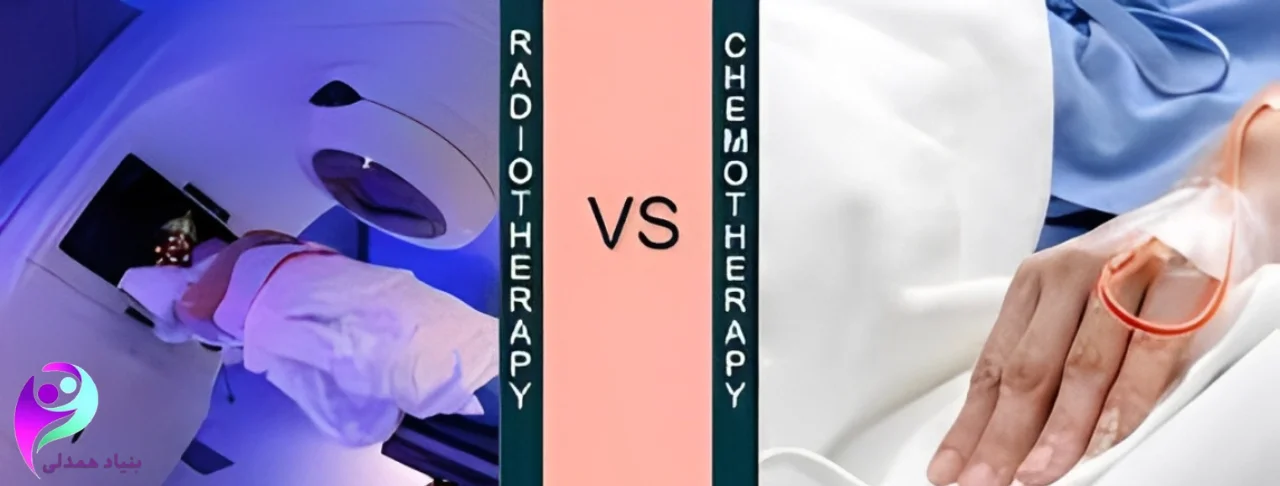
Differences between chemotherapy and radiation therapy: The best way to treat
What is the difference between chemotherapy and radiation therapy? When someone is diagnosed with cancer, one of the most important concerns is choosing the type of treatment. The two main methods that are usually recommended are chemotherapy and radiation therapy. But what are the differences between these two methods? Which one is more effective? And what are their side effects? In this article, we have tried to provide answers to all these questions in simple and human language.
The Hamdali Foundation is a support group in the field of helping cancer patients, which aims to reduce treatment concerns, cover essential expenses, and boost patients’ morale. The foundation, with public donations and the participation of donors, tries to make the treatment path smoother for patients and their families. If you are interested in supporting them, you can do so through online payment, telephone contact, or online chat. Also, people who need help or advice can simply contact the foundation’s support team through these communication channels to receive the necessary guidance.
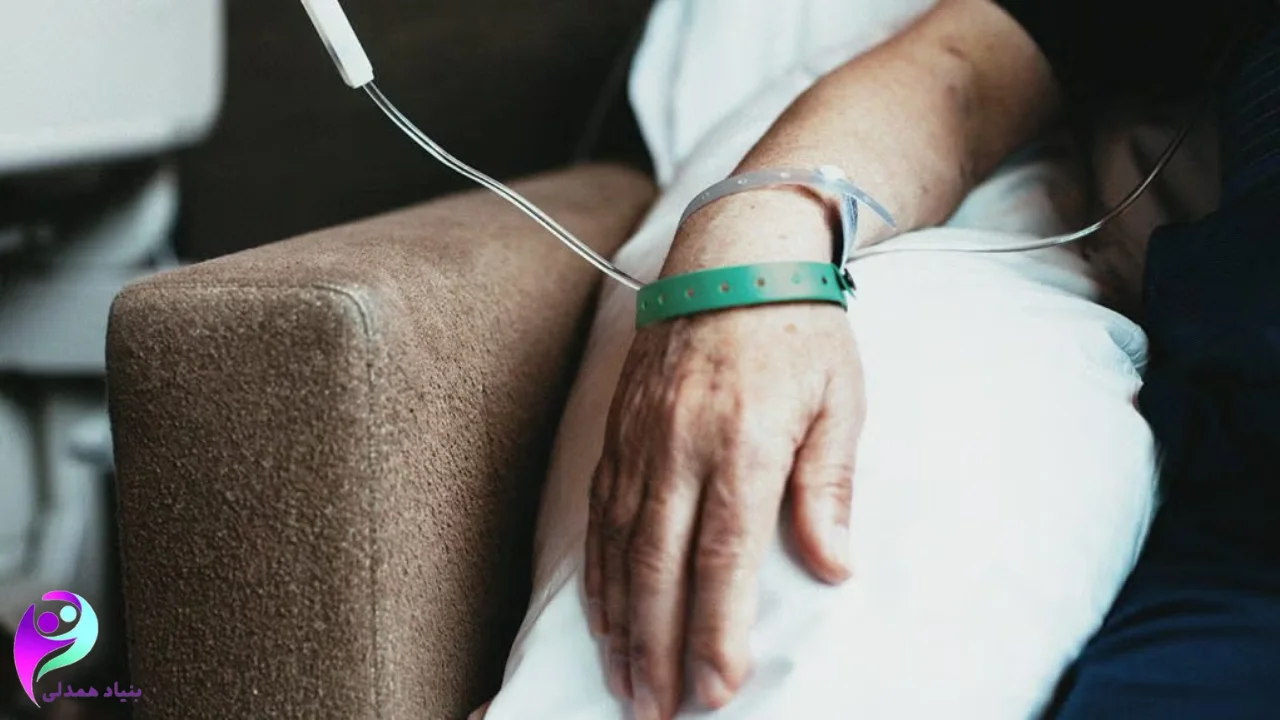
What is chemotherapy?
Chemotherapy is the use of powerful drugs to kill cancer cells in the body. These drugs are usually given by injection or orally and circulate throughout the body.
Benefits:
Suitable for cancers that have spread throughout the body
Combined with surgery or radiation therapy to increase effectiveness
Can be used at different stages of the disease
Common side effects:
Hair loss
Nausea and vomiting
Weakened immune system
Fatigue and weakness
Loss of appetite
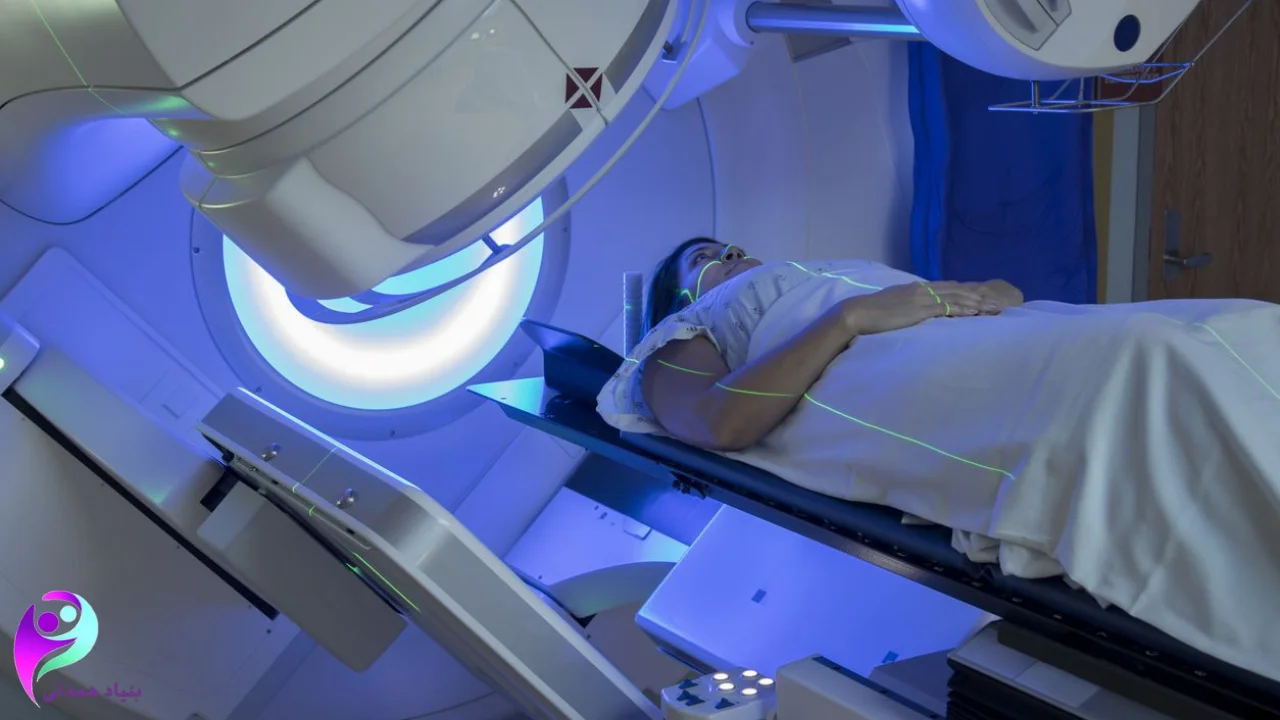
What is radiation therapy?
Radiotherapy is the use of high-energy rays to destroy cancer cells in a specific area of the body. Unlike chemotherapy, radiation therapy focuses on a specific area.
Benefits:
Suitable for localized tumors
Less damage to surrounding healthy cells than before (with the help of modern technology)
Can be combined with other treatments
Common side effects:
Burning skin in the radiation area
Fatigue
Dry mouth and sores (in head and neck radiation therapy)
Digestive problems (in the abdomen or pelvis)
When is chemotherapy used?
When cancer has spread to other parts of the body
To shrink a tumor before surgery
To kill any remaining cells after surgery
When is radiation therapy recommended?
To treat tumors that have not yet spread
As an adjuvant treatment after surgery
To reduce pain or symptoms of advanced cancer
Combining chemotherapy and radiation therapy
In many cases, doctors prescribe these two methods simultaneously or sequentially to increase the effectiveness of the treatment. However, combining them may cause more complications and require more care.
The impact of patient condition on treatment choice
Many factors influence the choice between chemotherapy and radiation therapy:
Type of cancer
Stage of disease
Patient’s physical and mental condition
Age
Personal priorities
The doctor usually makes the best decision in consultation with the treatment team and the patient.
- Nutrition; The Hidden Pillar in Cancer Treatment
- The role of psychological counseling and social support
- Questions to Ask Your Doctor
- New Cancer Treatment Technologies
- Treatment Roadmap: From Diagnosis to Treatment
- The impact of chemotherapy and radiation side effects on quality of life
- Chemotherapy Side Effects
- Side effects of radiation therapy
- The Importance of Follow-Up and Aftercare
- The role of family and society in supporting cancer patients
- Golden Tips for Patients During Treatment
- Conclusion:
- Frequently Asked Questions:
Nutrition; The Hidden Pillar in Cancer Treatment
Whether during chemotherapy or radiation therapy, the body needs to be strong. Proper nutrition can:
Help strengthen the immune system
Replace lost energy
Reduce nausea and weakness caused by treatment
Tips for healthy eating during treatment:
Eat antioxidant fruits like pomegranates, berries, and blueberries
Eat lean protein like cooked chicken or fish
Drink plenty of water to prevent dehydration
Avoid heavy, high-fat foods
The role of psychological counseling and social support
Many times, the psychological burden of the disease is even heavier than its treatment. Anxiety, depression, fear of the future… all of these are normal. But isn’t it hard to be alone in these circumstances?
Support for patients should be multifaceted:
Individual or group psychological counseling
Companionship with family and friends
Online or in-person sympathy groups
Support for charities to reduce financial and emotional pressures
Questions to Ask Your Doctor
During your consultation, always ask these important questions:
Which treatment is best for me: chemotherapy or radiation therapy?
What are the side effects of this treatment and how can I manage them?
How long will the treatment last?
Do I need special care at home?
When can I resume my activities after treatment?
It is the patient’s right to ask!
New Cancer Treatment Technologies
Science is always advancing. Today:
IMRT (Intensity Modulated Radiation Therapy) delivers the dose more precisely to the tumor
Proton therapy minimizes damage to healthy tissue
Targeted Therapy targets only cancer cells
Cancer treatment is getting smarter every day.
Treatment Roadmap: From Diagnosis to Treatment
If you’ve just found out you need to start treatment, don’t worry. This is a typical path:
Tests and biopsies
Determining the type and stage of cancer
Consulting with an oncologist
Choosing a treatment method (or a combination of both)
Starting treatment sessions
Reviewing results and ongoing monitoring
The impact of chemotherapy and radiation side effects on quality of life
In the process of cancer treatment, in addition to fighting the disease, dealing with the side effects of each treatment is one of the biggest challenges for patients. These side effects can affect daily life, mood, and even social relationships.
Chemotherapy Side Effects
Chemotherapy often affects healthy cells in the body, especially those that divide rapidly, such as hair cells and cells in the digestive tract. Because of this, patients undergoing chemotherapy may experience the following problems:
Hair loss: One of the most visible and distressing side effects for patients is hair loss. This can sometimes have a significant impact on a patient’s self-confidence.
Nausea and vomiting: Many chemotherapy drugs cause nausea, which can be helped by anti-nausea medications.
Weakened immune system: A decrease in white blood cells makes the body more susceptible to infections. The patient must take special care of their health during this period.
Extreme fatigue: A feeling of lack of energy and general weakness that can affect daily activities.
Side effects of radiation therapy
Radiotherapy is usually limited to a part of the body, but it can still cause the following side effects:
Fatigue: This is one of the most common side effects of radiation therapy and can last for weeks or months after treatment.
Skin problems: The area treated may become red, dry, or even scaly, which can look like a burn.
Burning and pain: Sometimes patients may feel a burning or pain at the site of the radiation.
Local changes: Hair may fall out in the treated area, but this loss is limited to that area.
The Importance of Follow-Up and Aftercare
Many patients think that they no longer need special care after treatment sessions are complete, but the reality is that medical follow-up and personal care are an important part of the treatment and recovery journey.
- Periodic check-ups: Regular check-ups and blood tests help detect disease recurrence or late side effects.Psychological care: Psychological counseling is essential to deal with anxiety and depression after treatment.
Healthy diet: Maintaining proper nutrition and a healthy lifestyle helps the body recover better.
Physical activity: Regular light exercise, in consultation with a doctor, helps improve mood and physical strength.
The role of family and society in supporting cancer patients
In this difficult and long journey, the presence of family and friends, as well as social and charitable support, plays a very important role.
Emotional support: The companionship and emotional support of the family helps the patient feel that they are not alone and increases their motivation to continue treatment.
Financial assistance: The costs of cancer treatment are heavy, and charities such as the Sympathy Foundation can take a large part of this financial burden off the shoulders of patients and families.
Education and information: Raising awareness about the disease and treatment methods helps patients make better and more informed decisions.
Support groups: Membership in sympathy and patient support groups increases the feeling of solidarity and hope in patients.
Golden Tips for Patients During Treatment
To better cope with the challenges of cancer treatment, keep these practical tips in mind:
Listen to your body: If you feel tired or in pain, give your body a chance to rest and reduce stress.
Ask your doctor questions: Discuss any questions or concerns with your treatment team so you don’t get confused.
Hygiene: Regular hand washing, staying away from sick people, and following hygiene tips are essential to prevent infections.
Maintain a positive attitude: Positive thinking and hope can miraculously help the treatment process.
Conclusion:
Choosing between chemotherapy and radiation therapy is a crucial decision that should be made in consultation with a doctor, based on the type of cancer and the patient’s condition. Both methods have their advantages and disadvantages, but with sufficient information and support from those around you, you can go through the treatment process with hope and peace of mind.
Frequently Asked Questions:
1. Does radiation therapy cause hair loss?
No, hair loss is only possible if the radiation is to the head.
2. How long does it take for the body to recover after chemotherapy?
Depending on the type of drug and the patient’s body, it can take anywhere from a few weeks to a few months.
3. Does chemotherapy hurt?
No, the injections of the drugs are not very painful, but side effects may occur.
4. Is radiation therapy dangerous?
With new technologies, radiation therapy has become much more precise and safer.
The author of the article:Erfan

