

Is breast cancer curable? Examining methods and chances of recovery
Breast cancer is one of the most common types of cancer among women, and thousands of people worldwide are diagnosed with it every year. Although hearing the word cancer always brings fear and worry, medical advances in recent years have significantly increased the chances of treating and recovering from the disease.
One of the most common questions asked by patients and families is, “Is breast cancer curable?” The answer to this question depends on a variety of factors, including the stage of diagnosis, the type of cancer, the patient’s general condition, and the treatment options chosen. In this article, we aim to provide you with a comprehensive and scientific review of this topic and provide you with practical information.
The Hamdali Foundation is a support group in the field of helping cancer patients, which aims to reduce treatment concerns, cover essential expenses, and boost patients’ morale. The foundation, with public donations and the participation of donors, tries to make the treatment path smoother for patients and their families. If you are interested in supporting them, you can do so through online payment, telephone contact, or online chat. Also, people who need help or advice can simply contact the foundation’s support team through these communication channels to receive the necessary guidance.
- What is breast cancer?
- Risk factors
- Chances of cure and prognosis
- Psychological and social support
- Scientific advances and new research
- The effect of a healthy lifestyle on the prevention and treatment of breast cancer
- Breast Cancer and the Role of Nutrition in Treatment
- Patient Experiences and Success Stories
- The Importance of Support from the Empathy Foundation and Support Groups
- Prevention strategies for women at risk
- Breast Cancer in Men
- Breast Cancer and the Role of Genetics and Preventive Tests
- The impact of mental health on treatment
- The Role of Complementary and Alternative Medicine
- Advanced Breast Cancer and Combination Therapy
- Breast Cancer and Post-Treatment Care
- Hope and Motivation: True Patient Stories
- Golden Tips to Increase the Chances of Treatment
- Conclusion
- Frequently Asked Questions (FAQ)
What is breast cancer?
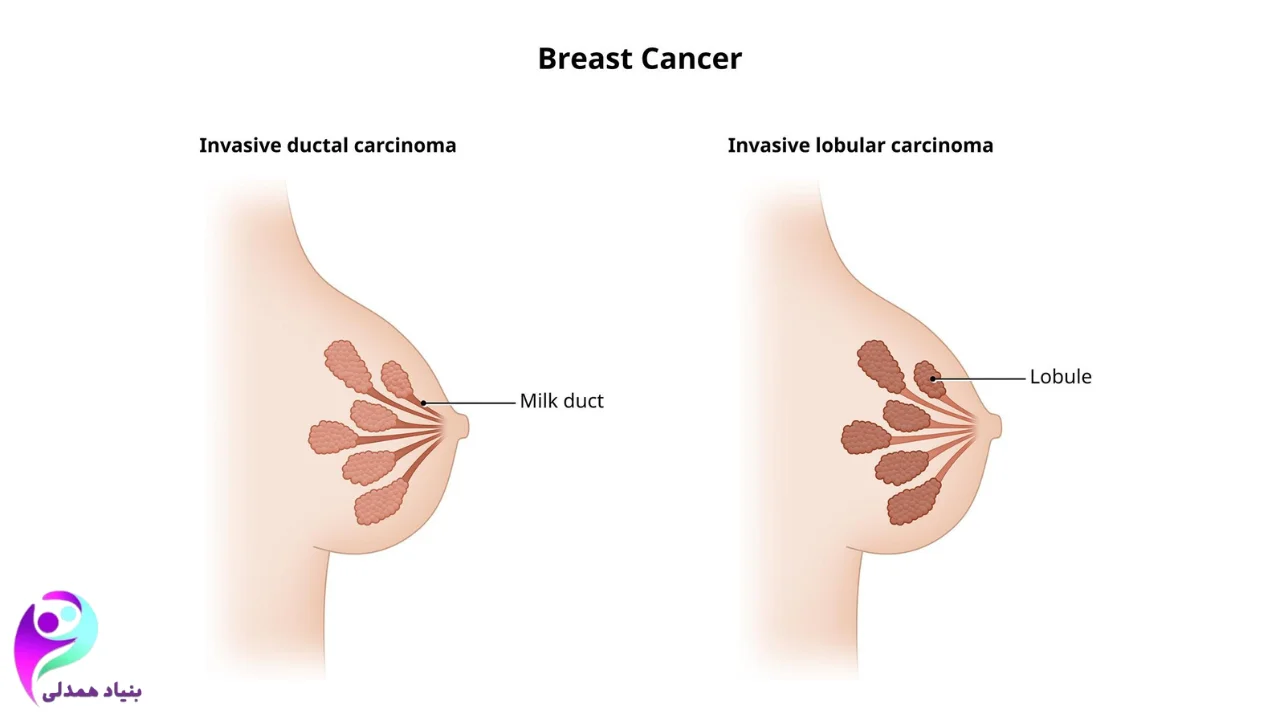
Breast cancer occurs when cells in the breast tissue grow abnormally and out of control. These cells can invade surrounding tissues and, if left untreated, spread to other parts of the body.
Early signs of breast cancer usually include:
A lump or lump in the breast or armpit
A change in the size or shape of the breast
Unusual nipple discharge
Skin changes such as dimpling or redness
Early detection is crucial to successful treatment. Therefore, regular check-ups and medical screenings are a vital step in reducing your risk and increasing your chances of recovery.
Risk factors
Several factors contribute to an increased risk of developing breast cancer:
1. Genetics and family history
People who have a parent or sibling with breast cancer are at higher risk. Some genes, such as BRCA1 and BRCA2, are associated with an increased risk of breast cancer.
2. Age and hormones
Advanced age is a risk factor; the highest incidence is seen in women over 50. Hormonal changes throughout life, especially during menopause and long-term use of hormones, can also increase the risk.
3. Lifestyle and Nutrition
Obesity, physical inactivity, alcohol consumption, and poor diet are important preventable factors. Creating a healthy lifestyle that includes regular exercise, a balanced diet, and weight control can reduce the risk.
Breast Cancer Treatment Methods
With medical advances, breast cancer treatment includes several options that are selected depending on the type and stage of the disease.
Surgery
One of the most common treatments for breast cancer. Surgery can involve removing the tumor along with some breast tissue (lumpectomy) or removing the entire breast (mastectomy). The goal of surgery is to remove cancer cells and reduce the chance of the disease coming back.
Chemotherapy
Chemotherapy uses special drugs to kill cancer cells. It is usually done before or after surgery to shrink the tumor or kill any remaining cells.
Radiation therapy
Radiation therapy uses high-energy rays to kill cancer cells and is usually done after surgery to reduce the chance of the cancer coming back. This treatment is used for patients with large tumors or residual cells.
Hormone therapy
Some types of breast cancer grow under the influence of hormones. Hormone therapy slows the growth of cancer cells by blocking the effects of hormones. This treatment is effective for patients with hormone-sensitive cancers.
Targeted therapy and immunotherapy
Newer treatments include drugs that specifically target cancer cells without harming healthy tissue. Immunotherapy also boosts the body’s immune system to fight cancer cells.
Chances of cure and prognosis
The chances of curing breast cancer depend on several factors:
Stage of diagnosis: The earlier the disease is diagnosed, the higher the chances of cure.
Type of cancer: Some types of cancer, such as hormone receptor-positive cancer, respond better to treatment.
General condition of the patient: General health, age, and physical condition affect the success of treatment.
Studies show that about 90% of patients can make a complete recovery if diagnosed in the early stages. Even in advanced stages, with combination treatments, the chances of controlling the disease and increasing life expectancy are increased.
Prevention and Screening
Prevention and early detection play a vital role in the success of treatment.
Mammography and ultrasound
These methods can detect small tumors before symptoms appear. It is recommended that women over 40 have a mammogram annually.
Breast self-examination
Performing monthly breast self-examinations helps to quickly identify any abnormal changes.
Healthy lifestyle
Regular exercise, a diet rich in fruits and vegetables, weight control, and reducing alcohol consumption are the most important prevention factors.
Psychological and social support
A diagnosis of breast cancer can put a lot of psychological stress on the patient and family. Psychological support plays an important role in the treatment process:
Family and friends: emotional support and companionship during treatment sessions
Support groups: participation in patient groups and foundations such as the Empathy Foundation
Psychological counseling: reducing anxiety, depression and boosting the patient’s morale
Research has shown that patients with appropriate psychological support have a better chance of recovery and quality of life.
Scientific advances and new research
In recent years, new therapeutic methods such as immunotherapy and targeted therapy have increased the chances of cure and reduced side effects. Studies show that the use of targeted drugs in combination with chemotherapy and radiation therapy has very favorable results. Also, research in the field of gene therapy and personalized therapies is progressing, which increases the hope of a complete cure even in advanced stages.
The effect of a healthy lifestyle on the prevention and treatment of breast cancer
A healthy lifestyle plays an important role in reducing the risk of breast cancer and improving the treatment process. Research shows that women who have a diet rich in fruits, vegetables, whole grains and healthy proteins are less likely to develop breast cancer. Also, regular exercise strengthens the immune system and reduces the risk of cancer recurrence.
Important lifestyle factors:
A proper diet: eating fruits, vegetables, fish and reducing the consumption of saturated fats and red meat
Regular physical activity: at least 150 minutes of moderate exercise per week
Weight control: obesity can increase the risk of cancer by increasing hormone levels
Avoiding alcohol and tobacco
Breast Cancer and the Role of Nutrition in Treatment
Proper nutrition not only helps in prevention, but also has an impact on the treatment process. Some foods can reduce the side effects of chemotherapy and radiation treatments and maintain the patient’s energy.
Recommended foods:
Fresh fruits and vegetables to provide vitamins and antioxidants
Healthy proteins such as white meat, fish and legumes to rebuild tissues
Whole grains to maintain energy and strengthen the immune system
Healthy fats such as olive oil and nuts
Also, patients who drink enough water during treatment and avoid processed foods experience fewer side effects such as nausea, fatigue and severe weight loss.
Patient Experiences and Success Stories
One effective way to reduce patient anxiety is to learn about other people’s success stories. Many patients who were diagnosed with breast cancer in its early stages have been able to return to normal lives with a combination of medical treatment and psychological support.
For example, a woman who found a small lump in her breast was completely cured with a lumpectomy and chemotherapy. Similar stories show that early diagnosis and follow-up treatment play a key role in success.
The Importance of Support from the Empathy Foundation and Support Groups
The Empathy Foundation plays an important role in the breast cancer treatment process by providing counseling, psychological support, and patient education services. Support groups and counseling sessions reduce patients’ stress and anxiety and increase their motivation to pursue treatment.
The Empathy Foundation’s services include:
Medical and psychological counseling
Introducing educational resources and reputable scientific articles
Holding group sessions with patients and families
Guidelines for a healthy lifestyle and proper nutrition
Prevention strategies for women at risk
Women with a strong family history or certain genetic mutations should take more aggressive preventive measures. These include regular screenings, breast self-exams, and sometimes genetic counseling.
Prevention suggestions:
Get a mammogram every 12 months
Get an ultrasound if you have dense breast tissue
Genetic counseling for those with a strong family history
Maintain a healthy lifestyle and reduce risk factors
Breast Cancer in Men
Although breast cancer is less common in men, it is still significant. Men over 60 and those with a family history are at higher risk.
Symptoms are similar to those in women: a lump, skin changes, or abnormal nipple discharge. Men can also have a good chance of recovery with early detection and proper treatment.
Breast Cancer and the Role of Genetics and Preventive Tests
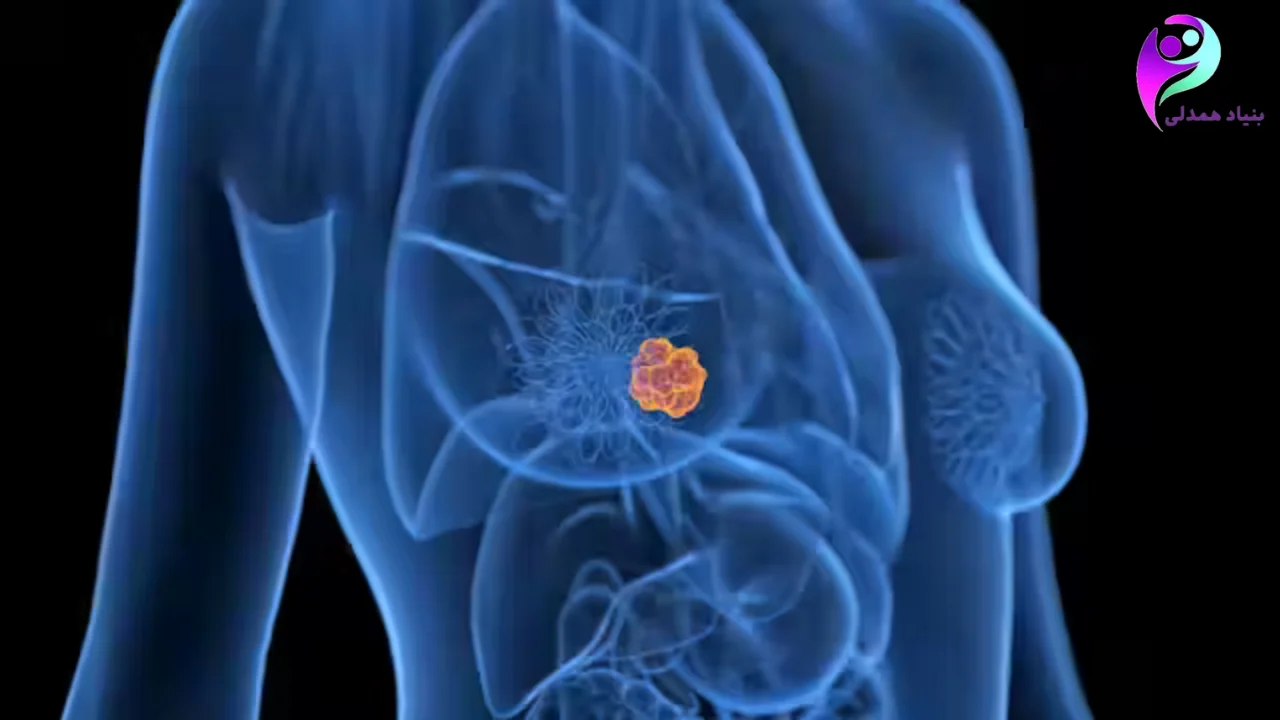
Genetics is an important factor in breast cancer. Women with a family history of breast or ovarian cancer are at higher risk. Genetic tests such as BRCA1 and BRCA2 can identify high-risk individuals and help plan screening and prevention.
Genetic-based preventive strategies:
Family history and genetic counseling
Early and regular screening
Lifestyle changes and a healthy diet
Sometimes preventive actions for high-risk individuals
By using these methods, individuals can significantly reduce their risk of developing breast cancer and increase their chances of treatment if they develop it.
The impact of mental health on treatment
Research has shown that mental health and reducing anxiety play an important role in the success of breast cancer treatment. Anxiety, depression, and stress can weaken the body’s immune system and slow down the healing process.
Effective ways to maintain mental health:
Psychological counseling: Reduce anxiety and stress, help manage emotions
Support groups: Exchange experiences with similar patients and receive motivation
Calming activities: Yoga, meditation, deep breathing
Support from family and friends: Accompanying in treatment sessions and daily care
By combining psychological support and medical treatments, the patient will feel more in control of their illness and the chances of treatment success increase.
The Role of Complementary and Alternative Medicine
Some patients tend to use complementary and alternative methods to reduce the side effects of treatment. These methods include acupuncture, massage therapy, herbal medicine, and relaxation techniques.
Benefits:
Reduce pain and nausea caused by chemotherapy
Improve sleep quality
Increase energy and reduce fatigue
Important note: Always consult your doctor before using complementary medicine to avoid interference with mainstream treatments.
Advanced Breast Cancer and Combination Therapy
If the cancer is diagnosed at an advanced stage, combination therapy becomes more important. These treatments include a combination of surgery, chemotherapy, radiation therapy, and targeted drugs.
With medical advances, even in advanced stages, it is possible to control the disease and increase the life expectancy of patients. Studies show that using multiple treatments at the same time reduces the chance of cancer coming back and improves quality of life.
Breast Cancer and Post-Treatment Care
After treatment, regular care and medical follow-up are very important. This care includes:
Periodic examinations by a specialist
Regular mammograms and ultrasounds
Lifestyle changes and a healthy diet
Psychological care and continued participation in support groups
Post-treatment care not only prevents the disease from returning, but also significantly increases the quality of life of patients.
Hope and Motivation: True Patient Stories
One of the most effective tools for boosting patients’ morale is to learn about other people’s success stories. Many women diagnosed with early-stage breast cancer have returned to normal lives with treatment and support from family and support groups.
Examples:
A woman who successfully underwent a lumpectomy and chemotherapy
A woman who reduced the side effects of treatment and maintained her quality of life by making lifestyle and diet changes
Support groups that have given patients renewed motivation and hope
These stories show patients that breast cancer is treatable and that there is always hope.
Golden Tips to Increase the Chances of Treatment
To increase the chances of successful breast cancer treatment, patients can:
Take screening and early diagnosis seriously
Adhere to a healthy lifestyle including proper nutrition and exercise
Receive psychological and social support
Follow medical treatments on time and completely
Use reliable scientific sources for education and decision-making
By following these tips, the chances of recovery increase and the quality of life of patients improves.
Conclusion
Breast cancer is a serious and challenging disease, but with early detection, appropriate treatment options, and psychosocial support, it is treatable. Being aware of the symptoms, getting regular screenings, and adopting a healthy lifestyle can significantly increase your chances of recovery. The Empathy Foundation is here to help you on your journey to recovery by providing counseling, psychological support, and educational resources.
Frequently Asked Questions (FAQ)
1. Is breast cancer curable?
Yes, with timely diagnosis and appropriate treatment, the chances of curing breast cancer are very high, especially in the early stages.
2. What is the best treatment method?
There is no single method for all patients. Surgery, chemotherapy, radiation therapy and hormone therapy are combined depending on the type and stage of cancer.
3. Does nutrition affect the treatment process?
Yes, a healthy and balanced diet helps reduce treatment complications, increase energy, and improve quality of life.
4. What is the role of psychological support?
Psychological and social support can reduce anxiety and depression and improve the chances of recovery and quality of life for patients.
5. Does breast cancer also occur in men?
Yes, although it is less common, men can also develop breast cancer and need timely diagnosis and treatment.
The author of the article:Erfan
