
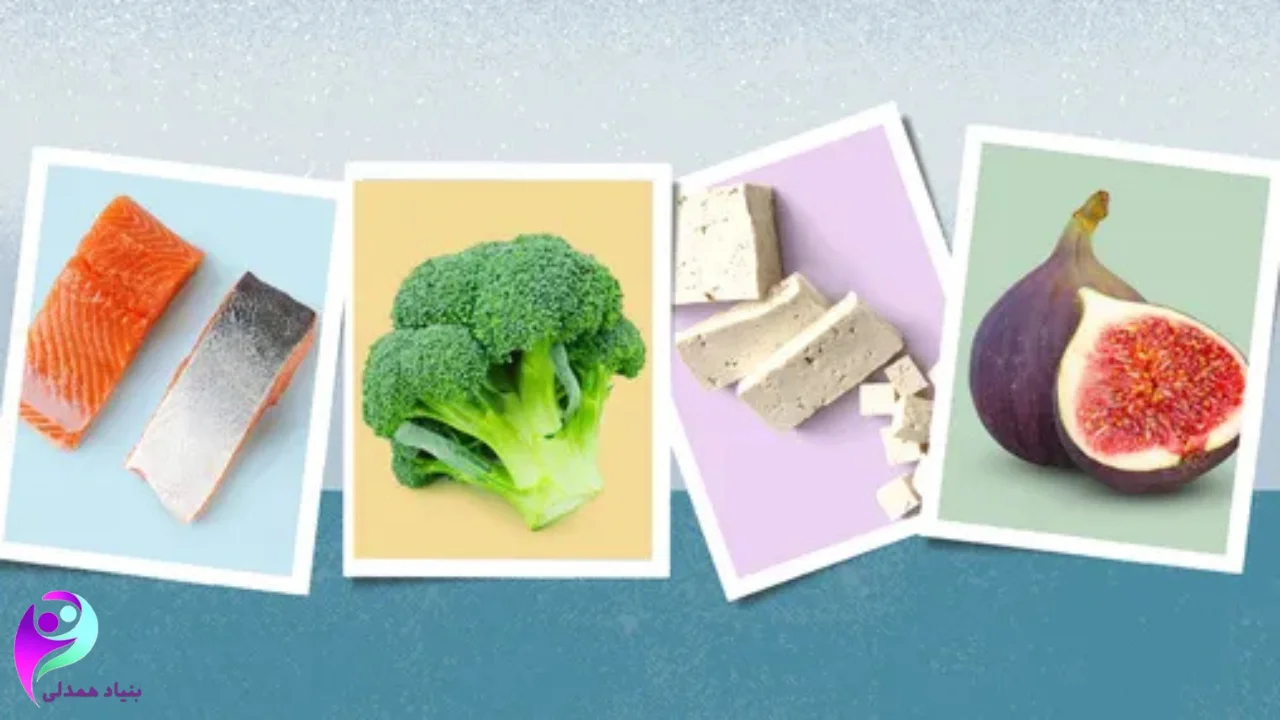
Food for Breast Cancer Patients: A Complete Guide to Healthy Eating and a Speedy Recovery
Breast cancer is one of the most common types of cancer in the world, affecting not only women but also men. Along with medical treatments such as surgery, chemotherapy and radiotherapy, proper nutrition plays a vital role in improving the quality of life of patients, reducing the side effects of treatment and even preventing the recurrence of the disease. In this article, we will discuss in detail the best and worst foods for breast cancer patients, the recommended diet, scientific and practical tips and even a sample diet plan.
The Hamdali Foundation is a support group in the field of helping cancer patients, which aims to reduce treatment concerns, cover essential expenses, and boost patients’ morale. The foundation, with public donations and the participation of donors, tries to make the treatment path smoother for patients and their families. If you are interested in supporting them, you can do so through online payment, telephone contact, or online chat. Also, people who need help or advice can simply contact the foundation’s support team through these communication channels to receive the necessary guidance.
- Why is nutrition important in breast cancer?
- The best food groups for breast cancer patients
- Foods to Limit or Eliminate
- Nutrition during chemotherapy and radiation therapy
- Anti-cancer foods for breast cancer patients
- Special Nutrition Tips for Patients Recovering from Breast Cancer Surgery
- Common Nutrition Mistakes for Breast Cancer Patients
- Suggestions for increasing appetite in patients
- Summary
- Frequently Asked Questions About Food for Breast Cancer Patients
Why is nutrition important in breast cancer?
During breast cancer treatment, the body is under a lot of physical and mental stress. Treatments can cause a loss of appetite, changes in taste, a weakened immune system, and weight loss. Healthy eating in this situation will:
Strengthen the body’s immune system.
Increase the body’s ability to fight infections.
The healing process will proceed faster.
Maintain daily energy.
Reduce side effects of treatment.
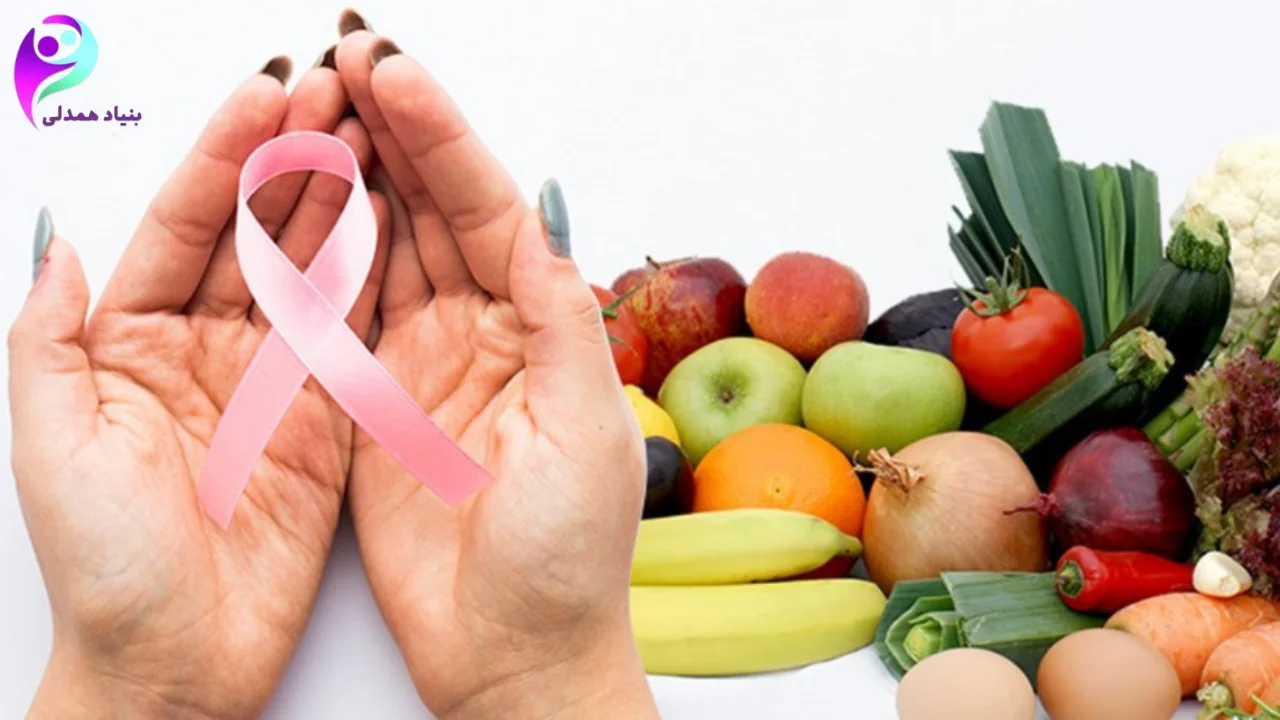
The best food groups for breast cancer patients
1. Colorful fruits and vegetables
Fresh fruits and vegetables are rich in antioxidants, vitamins, and minerals that can fight free radicals.
Best choices:
Berries (blueberries, strawberries, blackberries)
Pomegranates
Oranges and grapefruit
Spinach and broccoli
Carrots and red bell peppers
Tip: It is best to eat at least 5 servings of fruits and vegetables daily.
2. Healthy, low-fat proteins
Protein is essential for tissue repair, immune cell production, and muscle mass maintenance.
Good sources of protein:
Skinless chicken
Fatty fish (salmon, sardines, trout)
Eggs
Legumes (lentils, chickpeas, beans)
Tofu and soy
3. Whole grains and high fiber
Whole grains control blood sugar and help with digestive health because they contain fiber.
Best choices:
Whole grain bread
Brown rice
Oatmeal
Quinoa
4. Low-fat dairy and probiotics
Dairy is a great source of calcium and protein.
Suggestions:
Probiotic yogurt
Low-fat milk
Low-fat cheese
5. Healthy fats
Healthy fats reduce inflammation and improve brain function.
Good sources:
Olive oil
Canola oil
Walnuts, almonds, pistachios
Flaxseeds and chia seeds
Foods to Limit or Eliminate
Processed Meats (Sausages, Sausages)
Fried and High-Fat Foods
Sweets and Simple Sugars
Sodas and Sugary Drinks
Fast Foods
Nutrition during chemotherapy and radiation therapy
During this period, the patient may experience loss of appetite, nausea, a change in taste in the mouth, or mouth ulcers. Key points:
Eating small but frequent meals
Eating soft, easily digestible foods
Drinking enough water
Avoiding spicy and very hot foods
Additional tips for breast cancer patients’ nutrition
Use anti-inflammatory spices such as turmeric and ginger
Reduce salt intake
Drink enough water (8 glasses per day)
Replace sugar with natural honey if needed

Anti-cancer foods for breast cancer patients
1. Broccoli and the cabbage family
Broccoli, cauliflower, purple cabbage, and kale contain compounds such as sulforaphane, which, according to research, can reduce the growth of cancer cells.
It is best to consume them steamed to preserve their nutrients.
2. Garlic and onions
Garlic contains allicin compounds, and onions are rich in quercetin, which have anti-inflammatory and anti-cancer properties.
- It is recommended to consume one clove of fresh garlic daily with food.
3. Turmeric and black pepper
Turmeric contains curcumin, which plays a role in preventing the growth of cancerous tumors. Combining it with black pepper increases the absorption of curcumin several times.
4. Green tea
Green tea is rich in catechins, which are powerful antioxidants and can prevent the growth of abnormal cells.
5. Flax and chia seeds
They are rich in omega-3, fiber, and lignans, which may regulate hormones associated with breast cancer growth.
Special Nutrition Tips for Patients Recovering from Breast Cancer Surgery
Increase protein intake: to repair tissues and prevent muscle loss.
High in vitamin C: to heal wounds (oranges, kiwi, bell peppers).
Bland, easy-to-digest foods: to reduce pressure on the digestive tract.
Avoid gassy foods: such as carbonated drinks and heavy grains without soaking.
Common Nutrition Mistakes for Breast Cancer Patients
Completely Eliminating Fats (While Healthy Fats Are Essential)
Excessive Consumption of Artificial Sugars
Relying on Unsupported Nutrition Rumors
Completely Eliminating Food Groups Without Consulting a Doctor or Nutritionist
Suggestions for increasing appetite in patients
Using colorful and decorated foods
Eating small, frequent meals instead of large meals
Using aromatic spices such as cinnamon and ginger
Drinking smoothies and natural juices between meals
Summary
Nutrition plays a key role in the treatment process, improving quality of life, and reducing side effects of medications. Choosing cancer-fighting foods such as fresh vegetables, colorful fruits, whole grains, lean proteins, and antioxidant-rich sources can help boost the immune system and reduce inflammation.
At the same time, avoiding processed foods, added sugars, unhealthy fats, and fast foods is essential. Each patient has their own unique physical condition and nutritional needs, so a meal plan should be personalized with the advice of a doctor or nutritionist.
Finally, combining a healthy diet with light physical activity, stress management, and adequate sleep can make the treatment process smoother and give patients more hope and energy.
Frequently Asked Questions About Food for Breast Cancer Patients
1. What are the best fruits for breast cancer patients?
Fruits such as strawberries, blueberries, oranges, pomegranates and apples can help reduce inflammation, strengthen the immune system and improve the treatment process due to their high antioxidant and vitamin C content.
2. Can breast cancer patients eat meat?
Yes, but it is better to use white meat such as chicken and fish and limit red meat consumption. Fatty fish such as salmon are a good source of omega-3, which have anti-inflammatory properties.
3. What drinks are suitable for breast cancer patients?
Water, green tea, herbal teas such as chamomile and ginger, and natural fruit juices without sugar are the best options. Sweet drinks and sodas should be eliminated.
4. Should breast cancer patients consume dairy?
Low-fat dairy products such as probiotic yogurt and skim milk can be beneficial, but high-fat and processed dairy products should be avoided.
5. Is a vegetarian diet suitable for breast cancer patients?
A vegetarian diet is rich in fiber, antioxidants, and nutrients, but you should ensure that you get enough protein from sources such as legumes, nuts, and soy.
6. What foods should breast cancer patients avoid during chemotherapy?
Processed, fatty, fried foods, simple sugars, and smoked or processed meats should be eliminated or severely limited.
The author of the article:Erfan

