

Comprehensive Nutrition Guide for Cancer Patients | How Does Proper Nutrition Help During Treatment?
Why is nutrition vital for cancer patients?
Cancer is not just a disease; it is a profound experience that affects the entire life of the patient and those around them. On this difficult journey, nutrition for cancer patients can be a companion and a source of strength. As the body fights cancer cells, it needs more energy and nutrients. But problems such as loss of appetite, fatigue, and side effects of treatment can make it difficult to eat.
Proper nutrition for cancer patients means providing the necessary fuel to maintain the body’s strength, strengthen the immune system, and help heal wounds and cells. This makes the patient better able to cope with the disease and go through the treatment process more easily.
On the other hand, proper nutrition nourishes not only the body but also the soul of the patient. When the patient enjoys the food he eats, his hope and motivation increase, which is a big step towards recovery.
The Hamdali Foundation is a support group in the field of helping cancer patients, which aims to reduce treatment concerns, cover essential expenses, and boost patients’ morale. The foundation, with public donations and the participation of donors, tries to make the treatment path smoother for patients and their families. If you are interested in supporting them, you can do so through online payment, telephone contact, or online chat. Also, people who need help or advice can simply contact the foundation’s support team through these communication channels to receive the necessary guidance.
- The impact of cancer and its treatment on nutrition and the body
- Main Goals of Nutrition Therapy in Cancer Patients
- Foods That Help Cancer Patients
- Harmful Foods and Nutritional Avoidances in Cancer
- Strategies to deal with loss of appetite and nausea caused by chemotherapy or radiation therapy
- The Role of Nutritional Supplements and Vitamins in Cancer Treatment
- Nutritional Differences Between Types of Cancer
- The Role of the Nutritionist and the Medical Team in Nutritional Management
- 10 important nutrition tips for cancer patients
- 1. Nutrition at different stages of cancer
- 2. Nutrition and specific side effects of cancer drugs
- 3. The Role of Water and Hydration in Cancer Patients
- 4. Nutrition during recovery and after treatment
- 5. Nutrition and Mental Health for Cancer Patients
- 6. Traditional and herbal foods in support of cancer patients
- 7. Nutritional recommendations for caregivers and families
- 8. Sample Daily Meal Plan for Cancer Patients
- 9. Nutrition and Cancer Recurrence Prevention
- 10. New Studies and Research on Nutrition and Cancer
- Practical tips for improving appetite in cancer patients
- Nutritional Challenges for Patients with Specific Cancers
- The importance of psychological and nutritional support from family and friends
- Introducing Foods and Foods That Boost the Immune System
- Nutritional recommendations for protection against infections
- The impact of a healthy lifestyle (exercise, sleep, and nutrition) on the treatment process
- Overall Conclusion
- Frequently Asked Questions About Nutrition for Cancer Patients
The impact of cancer and its treatment on nutrition and the body
Cancer and its treatments, such as chemotherapy and radiation therapy, have profound effects on the digestive tract and other organs. These effects sometimes make it impossible for a patient to eat enough or absorb necessary nutrients.
For example:
Nausea and vomiting: One of the most common side effects of chemotherapy is a complete loss of appetite.
- Mouth ulcers: cause pain when eating and drinking.
Altered sense of taste: foods may have an unpleasant or metallic taste, which may make the patient avoid eating.
Digestive problems: Constipation or diarrhea can disrupt the nutritional balance.
These problems, along with psychological stress and anxiety, increase the risk of malnutrition, which can slow the healing process and increase the complications of treatment. For this reason, nutritional management in these patients is a vital and sensitive area.
Main Goals of Nutrition Therapy in Cancer Patients
The goal of nutrition therapy is more than just eating. The goals include:
Maintaining weight and muscle mass: Severe weight loss and muscle wasting can lead to general weakness and a reduced ability to fight disease.
Immune system support: Nutrients such as vitamins, protein, and minerals help strengthen the body’s defenses.
- Reducing treatment complications: Proper nutrition can reduce some complications such as nausea or mouth ulcers.
Improving tolerance to drug treatments: A stronger body can better tolerate difficult treatments.
Increasing energy and improving quality of life: Proper nutrition helps maintain the patient’s energy and mood.
These goals are pursued in collaboration with the medical team, nutritionist, and the patient themselves.
Foods That Help Cancer Patients
Choosing the right foods can have a huge impact on your treatment. Here are a few key categories:
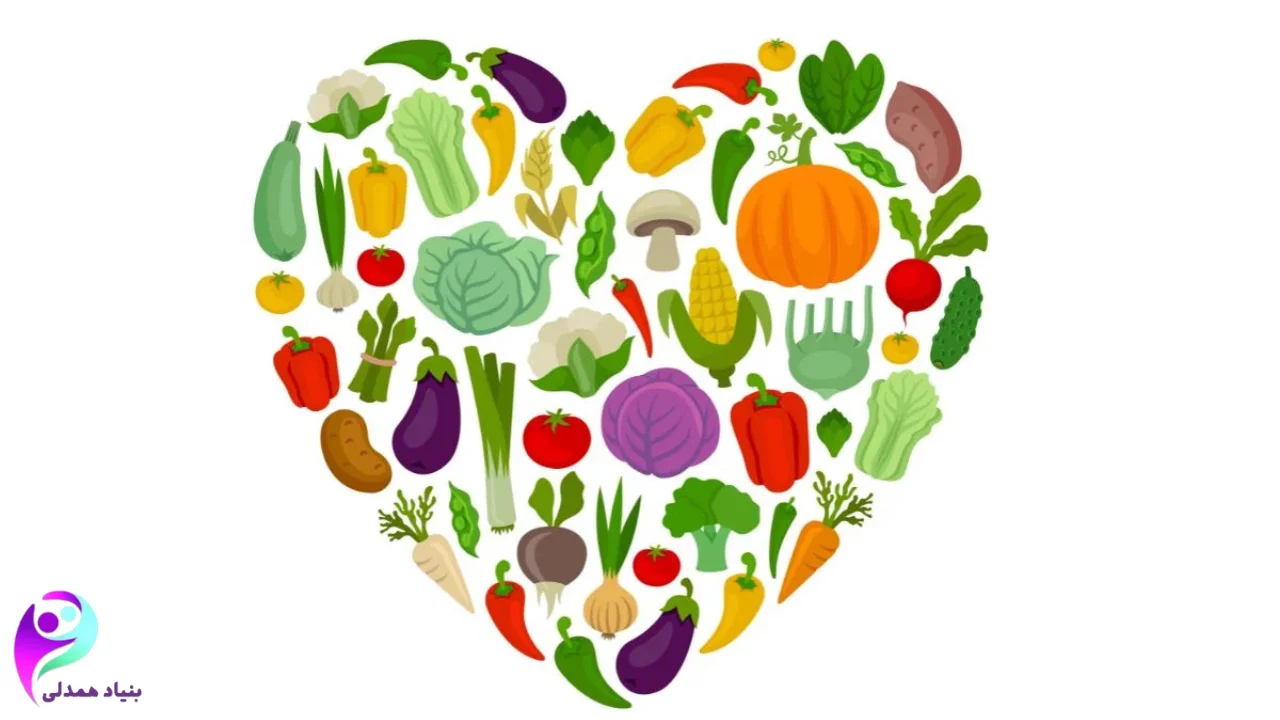
Vegetables and fruits: Rich in antioxidants like vitamin C and beta-carotene, which help fight cancer cells. Plus, the fiber in them helps improve digestive function.
- Proteins: Maintaining and repairing body tissues is not possible without protein. White meat, fish, legumes, and low-fat dairy are the best sources.
Healthy fats: Omega-3s found in fish and seeds reduce inflammation and help with heart health.
Whole grains: They provide sustained energy and are high in fiber, which helps with better digestion.
It is recommended that foods be as fresh, low in salt, and low in fat as possible, and that a variety of foods be used to meet all the body’s needs.
Harmful Foods and Nutritional Avoidances in Cancer
Just like choosing good food, it is important to know what foods to avoid:
Processed foods: Contain salt, preservatives, and unhealthy fats that can exacerbate inflammation and treatment complications.
Simple sugars: Consuming too much sugar can cause blood sugar fluctuations and unhealthy weight gain.
Fried and fatty foods: Stress the digestive tract and can worsen digestive problems.
Taking supplements or herbal remedies on your own: Sometimes these products can interact with chemotherapy drugs and may reduce the effectiveness of treatment.
Always consult a doctor or nutritionist before changing your diet or starting a new supplement.
Strategies to deal with loss of appetite and nausea caused by chemotherapy or radiation therapy
Loss of appetite and nausea are a big challenge for cancer patients, but they can be managed with simple strategies:
Dividing meals into smaller and more frequent portions
Drinking fluids in sips and between meals
Eating cold or cool foods that have less odor
Choosing soft, easy-to-digest foods
Adding mild spices such as ginger and mint to reduce nausea
Using mild herbal teas (after doctor approval)
Sometimes these simple changes make a big difference in a patient’s quality of life.
The Role of Nutritional Supplements and Vitamins in Cancer Treatment
Supplements can be part of nutritional therapy, but they should be used carefully and under the supervision of a doctor. In some patients, a deficiency of vitamin D, B12, iron, or zinc is observed, which can be compensated with appropriate supplements.
Omega-3 supplements are also known to be anti-inflammatory and can help reduce complications.
However, the important point is that taking supplements on their own may cause problems and even interfere with medications, so be sure to coordinate with your medical team.
Nutritional Differences Between Types of Cancer
Each type of cancer has its own characteristics and nutritional needs:
Gastrointestinal cancer: Due to absorption problems, simple, bland, and soft foods are recommended.
Breast and prostate cancer: Fat and calorie control is important, and unhealthy fats should be avoided.
Leukemia: More protein and energy are needed to stay strong.
Brain cancer: Antioxidants and healthy fats are important to enhance brain function.
Nutrition should be adjusted based on the type of cancer and the patient’s physical condition.
The Role of the Nutritionist and the Medical Team in Nutritional Management
A professional nutritionist, with a thorough understanding of the patient’s condition and treatment, can provide a personalized program. This program addresses the patient’s dietary preferences and emotional state in addition to meeting their physical needs.
The medical team and nutritionist work together to ensure that the patient is not only nutritionally supported, but also emotionally supported.
10 important nutrition tips for cancer patients
1. Nutrition at different stages of cancer
Cancer is a complex disease that changes at different stages, the body’s needs and the patient’s physical condition. In the early stages, patients may still maintain their appetite and be able to eat a balanced diet. However, as the disease progresses and harsh treatments such as chemotherapy begin, the situation changes.
In a more advanced stage, the body desperately needs nutrients to cope with the side effects of treatment and prevent muscle wasting. Therefore, the diet should be flexible and tailored to the patient’s condition; for example, when the appetite is low, smaller but frequent meals are helpful, and foods with high calories and protein are recommended.
2. Nutrition and specific side effects of cancer drugs
Chemotherapy and radiation therapy drugs may have various side effects that affect the patient’s nutrition. For example:
Mouth ulcers: Soft, cool, and bland foods help reduce pain.
Nausea and vomiting: Consuming ginger, mint, and small meals can be effective.
Constipation or diarrhea: Dietary fiber should be adjusted according to the condition and enough water should be drunk.
Recognizing these side effects and adjusting nutrition accordingly can significantly improve the patient’s quality of life.
3. The Role of Water and Hydration in Cancer Patients
Water is one of the most important elements for the body’s health, especially when the body is fighting the disease. Dehydration can cause fatigue, weakness, kidney problems, and even reduce the effectiveness of treatment.
Cancer patients should drink at least 8 glasses of water daily. If water intake is low due to nausea or digestive problems, thin soups, herbal teas, and natural juices can be used to maintain hydration.
4. Nutrition during recovery and after treatment
After completing intensive treatments, the body needs to rebuild. This phase is just as important as the treatment itself because it helps cells repair and the immune system return to normal.
The diet during this period should contain adequate protein, antioxidant vitamins (such as vitamins C and E), minerals, and adequate calories. Consuming colorful vegetables, fresh fruits, and whole grains is very important during this period.
5. Nutrition and Mental Health for Cancer Patients
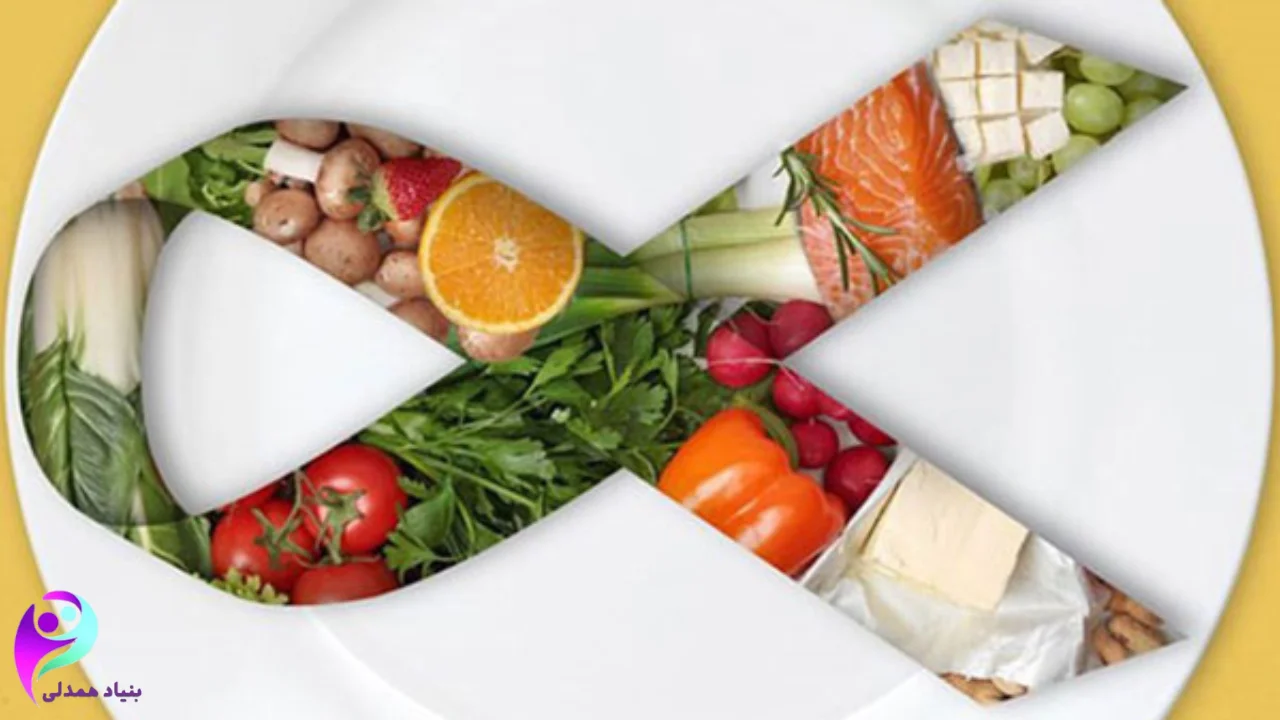
Cancer takes a toll not only on the body but also on the mind. A healthy, balanced diet can help improve mood and reduce anxiety.
Eating foods rich in omega-3 fatty acids, B vitamins, and minerals like magnesium and zinc can help reduce stress and improve sleep. Eating regular meals and maintaining energy levels can also help patients feel better.
6. Traditional and herbal foods in support of cancer patients
Some traditional and herbal foods such as turmeric, garlic, natural honey and herbal teas can be useful as supplements alongside medical treatments.
For example, turmeric is known for its anti-inflammatory properties, but its use should be under the supervision of a doctor and not as a replacement for primary treatments.
These substances can help strengthen the immune system and reduce inflammation, but should not be seen as the main treatment.
7. Nutritional recommendations for caregivers and families
Caregivers play a very important role in supporting patients. They should:
Follow the patient’s diet and consult a nutritionist if problems arise.
Prepare tasty and varied meals to maintain the patient’s appetite.
Help the patient with fluids and soft foods.
Be patient, as changes in appetite and mood are normal.
Family education and support are important elements of successful treatment.
8. Sample Daily Meal Plan for Cancer Patients
A sample simple meal plan for cancer patients may look like this:
Breakfast: boiled egg, whole wheat bread, one fresh fruit
Morning snack: a handful of almonds or walnuts
Lunch: cooked chicken or fish, steamed vegetables, brown rice
Evening snack: low-fat yogurt with honey and dried fruit
Dinner: vegetable soup and whole wheat bread
Before bed: herbal tea or almond milk
Of course, this plan should be adjusted with the advice of a nutritionist and according to the patient’s condition.
9. Nutrition and Cancer Recurrence Prevention
A healthy, balanced diet can help reduce the risk of cancer recurrence. Foods high in antioxidants, colorful vegetables, whole grains, and healthy fats help reduce inflammation and support the immune system.
Maintaining a healthy weight and getting regular exercise, along with proper nutrition, also play an important role in preventing cancer recurrence.
10. New Studies and Research on Nutrition and Cancer
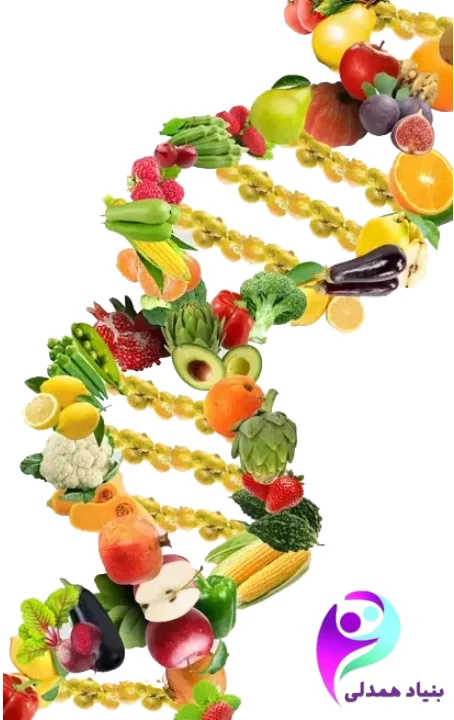
New scientific studies are showing that nutrition plays a much broader role in cancer treatment. Research points to the connection between diet and cancer genetics, the impact of antioxidants, and the effects of the gut microbiome on cancer.
For example, regular consumption of certain vegetables and fruits can help regulate the body’s immune response and reduce the growth of cancer cells. Research is also ongoing into low-carb diets and the role of plant-based diets in cancer treatment.
It is always recommended that patients and families use reputable scientific sources and adhere to medical advice.
Practical tips for improving appetite in cancer patients
A common problem in cancer patients is loss of appetite, which can lead to weakness and weight loss. But there are a few simple strategies that can improve appetite:
Small, frequent meals: Instead of three large meals, offer the patient 5-6 small meals throughout the day to put less strain on the digestive system.
Variety in taste and smell: Using mild spices such as ginger, cinnamon or mint can stimulate the sense of smell and taste and increase appetite.
- Changing food temperature: Some patients tolerate cold or lukewarm foods better than hot foods. You can adjust the foods according to the patient’s preference.
Adequate water and fluids: Drinking fluids in sips and between meals helps to stay hydrated and prevents a false feeling of fullness.
Pleasant environment: Eating in a relaxed environment with loved ones can improve the patient’s mood and appetite.
These simple tips can help improve the patient’s nutritional status and provide the energy needed to cope with the disease.
Nutritional Challenges for Patients with Specific Cancers
Some cancers present specific nutritional challenges that need to be addressed, depending on the location of the cancer:
Gastrointestinal cancer: Patients may experience pain, nausea, or problems with absorption. Soft, low-fat, and bland foods are recommended. Foods that are difficult to digest should also be avoided.
Head and neck cancer: Due to mouth ulcers and swallowing difficulties, soft, watery foods such as soups and purees are best.
Lung cancer: Fatigue and shortness of breath may reduce appetite. Nutrition should be energizing and easy to digest.
Leukemia: Due to a weakened immune system, it is important to pay special attention to nutrients and consume fresh, clean foods.
Understanding these differences helps to develop a better diet for each patient.
The importance of psychological and nutritional support from family and friends
Emotional support from family and friends plays a vital role in the health and recovery of cancer patients. When the patient feels that he is not alone and that those around him are thinking of him, his mood improves, which will have a positive effect on his appetite and nutrition.
Accompanying him at meals
Encouraging him to eat healthy foods
Listening to the patient’s problems and concerns
Helping him prepare and prepare food
This support makes the patient feel calm and his nutrition improves. Therefore, family and caregivers should be trained on how to be the best companions on this path.
Introducing Foods and Foods That Boost the Immune System
Some specific foods naturally help boost the immune system, which is very important for cancer patients:
- Garlic: Has antibacterial and antiviral properties and can help fight infections.
Ginger: Has anti-inflammatory and anti-nausea properties and is useful for reducing digestive problems.
Citrus fruits: Oranges, lemons, and tangerines are rich sources of vitamin C, which help increase the body’s resistance.
Probiotic yogurt: Strengthens the immune system by maintaining intestinal health.
Green leafy vegetables: Such as spinach and broccoli, which are rich in antioxidants and vitamins.
These foods can be included in the patient’s diet in various meals, fresh or cooked.
Nutritional recommendations for protection against infections
Cancer patients are susceptible to various infections due to a weakened immune system, and nutritional care plays an important role in preventing them:
Washing fruits and vegetables thoroughly before consumption
Avoiding eating raw or undercooked foods
Storing food properly and hygienically
Avoiding eating expired or leftover foods
Washing hands before preparing and eating food
Following these simple but vital tips can significantly reduce the risk of infection.
The impact of a healthy lifestyle (exercise, sleep, and nutrition) on the treatment process
A healthy diet is most effective when combined with a healthy lifestyle. Regular light exercise, such as short walks, helps improve blood circulation and reduce fatigue. Adequate sleep helps the body repair and rebuild itself and reduces stress.
Good nutrition, regular sleep, and light exercise together help the body fight cancer better and make the treatment process faster and more effective.
Overall Conclusion
Healthy and principled nutrition for cancer patients is not only a physical need but also a powerful tool to combat the disease. During treatment, the body faces many challenges, and proper nutrition can make this path smoother and more bearable. Following a balanced diet, consuming fresh and nutritious foods, avoiding unhealthy foods, and paying attention to body symptoms all help the patient not only become stronger physically, but also feel better mentally and emotionally.
Family and caregivers play a very important role in providing nutritional and emotional support to patients, and their companionship can increase motivation and hope in patients. Also, using the guidance of nutritionists and the treatment team will help you choose the best path to improve and maintain your patient’s quality of life.
Finally, remember that proper nutrition is part of the treatment; an effective step along with medications, medical care, and psychological support that can make life brighter and more hopeful for cancer patients.
Frequently Asked Questions About Nutrition for Cancer Patients
1. Do cancer patients need to follow a special diet?
Yes, a cancer patient’s diet should be rich in nutrients, adequate protein, and adequate calories to help the body fight the disease and tolerate treatments. Of course, this diet should be adjusted to the patient’s condition and type of cancer.
2. Can nutrition improve the process of cancer treatment?
Proper nutrition can strengthen the immune system, reduce the side effects of treatment, and help maintain a patient’s weight and strength, but it is not a substitute for medical treatments.
3. What foods should be more in the diet of cancer patients?
Fruits, fresh vegetables, quality proteins such as fish and chicken, whole grains, and healthy fats are the best options.
4. Is sugar or sweets prohibited for cancer patients?
Excessive consumption of simple sugars is not recommended because it can increase inflammation and cause blood sugar fluctuations, but it is not necessary to completely eliminate them.
5. Can cancer patients take supplements?
Supplement consumption should definitely be under the supervision of a doctor or nutritionist. Self-medication and excessive use of supplements can be harmful.
The author of the article:Erfan
