
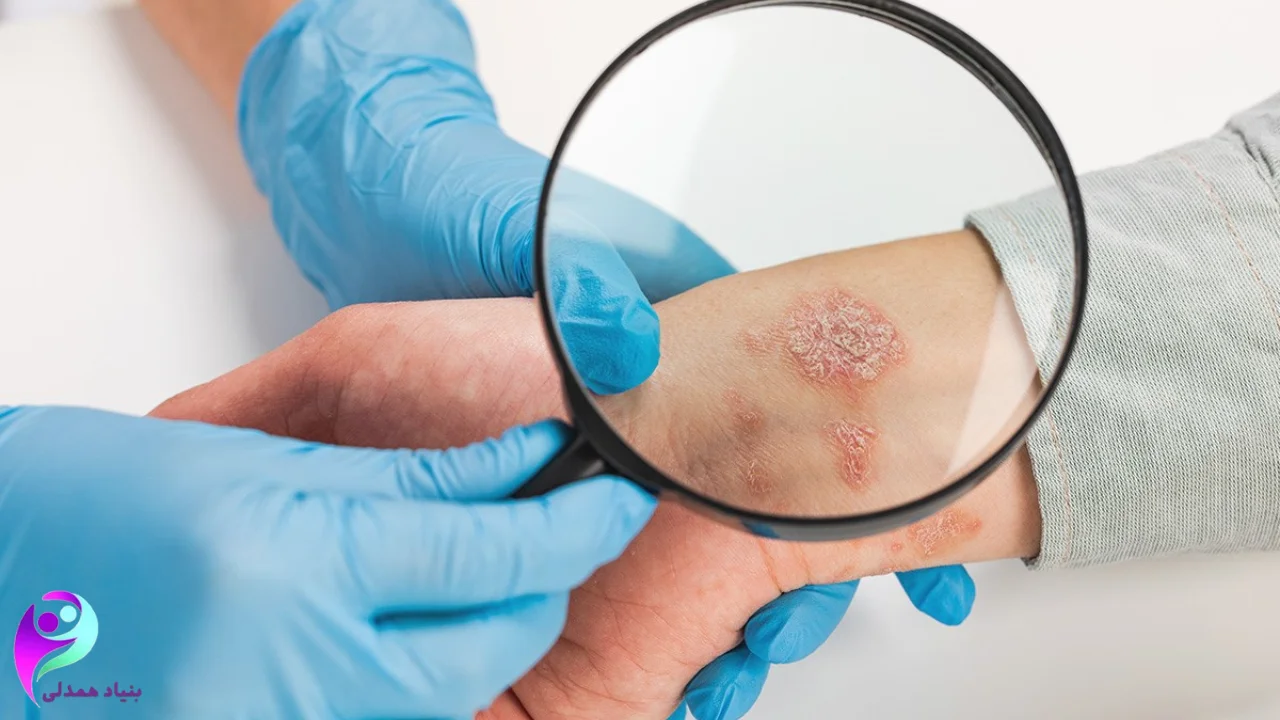
What is skin cancer? Definition and the importance of awareness
Skin cancer is a disease in which skin cells begin to grow abnormally and out of control. The skin, the largest organ in the body, has three main layers: the epidermis (outer layer), the dermis (middle layer), and the hypodermis (underneath). Skin cancer most often begins in the epidermis, where stem cells and melanocytes are located.
The importance of knowing about skin cancer stems from the fact that the disease can be life-threatening if detected late. Many cases of skin cancer are also preventable if people are aware of the risk factors and early signs.
Skin cancer affects not only physical health, but also mental health and quality of life of patients. With medical advances, early detection and proper treatment can lead to better outcomes for patients. Therefore, education and information about skin cancer is a public health priority.
The Hamdali Foundation is a support group in the field of helping cancer patients, which aims to reduce treatment concerns, cover essential expenses, and boost patients’ morale. The foundation, with public donations and the participation of donors, tries to make the treatment path smoother for patients and their families. If you are interested in supporting them, you can do so through online payment, telephone contact, or online chat. Also, people who need help or advice can simply contact the foundation’s support team through these communication channels to receive the necessary guidance.
- Types of Skin Cancer: A Comprehensive Guide with Causes, Symptoms, Treatment, and Prevention
- 2. Squamous Cell Carcinoma (SCC): A more aggressive and high-risk skin cancer
- 4. Merkel Cell Carcinoma (MCC): A Rare but Aggressive Cancer
- 5. Langerhans Cell Histiocytosis: A Rare Disease in Children and Adolescents
- Causes and Factors of Skin Cancer: Everything You Need to Know
- Skin Cancer Warning Signs and Symptoms
- Risk factors and important risk factors for skin cancer
- Accurate methods for diagnosing skin cancer
- Skin Cancer Treatment Options: From Surgery to Newer Methods
- Skin Cancer Statistics and Prevalence in Iran
- How to prevent skin cancer? Golden tips for skin care
- Conclusion
- Frequently Asked Questions About Skin Cancer: Practical and Scientific Answers
Types of Skin Cancer: A Comprehensive Guide with Causes, Symptoms, Treatment, and Prevention
Skin cancer is a common but serious disease that has different types, each with different characteristics, causes, and treatment methods. In this article, we will take a comprehensive look at the 5 main types of skin cancer and explain each in more detail.
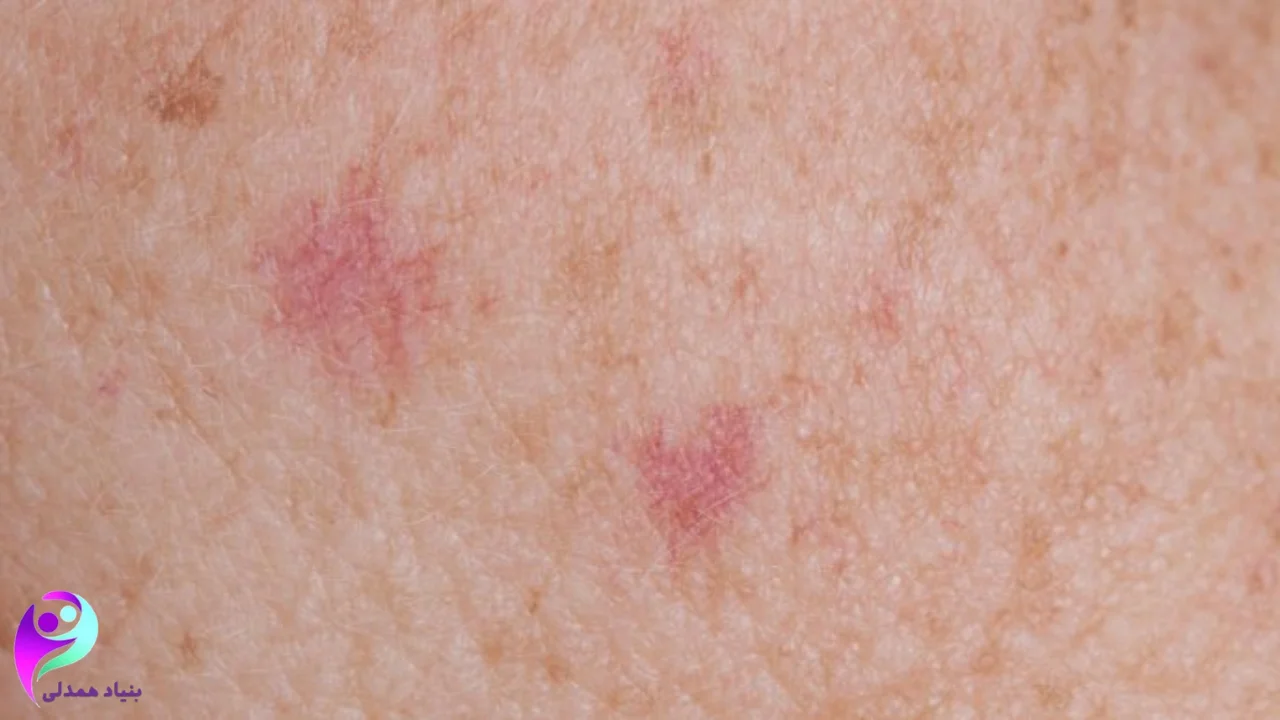
1. Basal Cell Carcinoma (BCC): A Common But Insidious Skin Cancer
Basal cell carcinoma (BCC) is the most common type of skin cancer and begins in the basal cells in the bottom layer of the skin, the epidermis. These cells are responsible for producing new skin cells. Repeated damage to the DNA of these cells, particularly from harmful ultraviolet (UV) radiation from the sun or artificial sources such as tanning beds, causes the cells to divide uncontrollably and form tumors.
Fair-skinned people and people who spend a lot of time in the sun or UV sources are at higher risk. In addition to UV radiation, exposure to chemicals such as arsenic and smoking also increase the risk of this cancer.
BCC usually occurs on areas of the skin that are most exposed to the sun, such as the face, neck, and hands, and rarely spreads to other parts of the body.
Symptoms
A small, shiny, pearly or pink lump on the skin
A sore that doesn’t heal or has discharge
A bump with a raised, well-defined edge
Itching or mild bleeding at the site of the lesion
Treatment
Local surgery to remove the lesion and a small area of healthy skin around it
Cryotherapy (freezing with liquid nitrogen) for superficial lesions
Topical treatment with creams such as imiquimod or 5-fluorouracil
Radiation therapy in cases where surgery is not possible or to control large lesions
Prevention
Daily use of sunscreen with an SPF of at least 30
Wearing protective clothing and a hat against the sun
Avoiding direct sunlight during peak hours (10 a.m. to 4 p.m.)
Monthly skin examination to detect suspicious changes
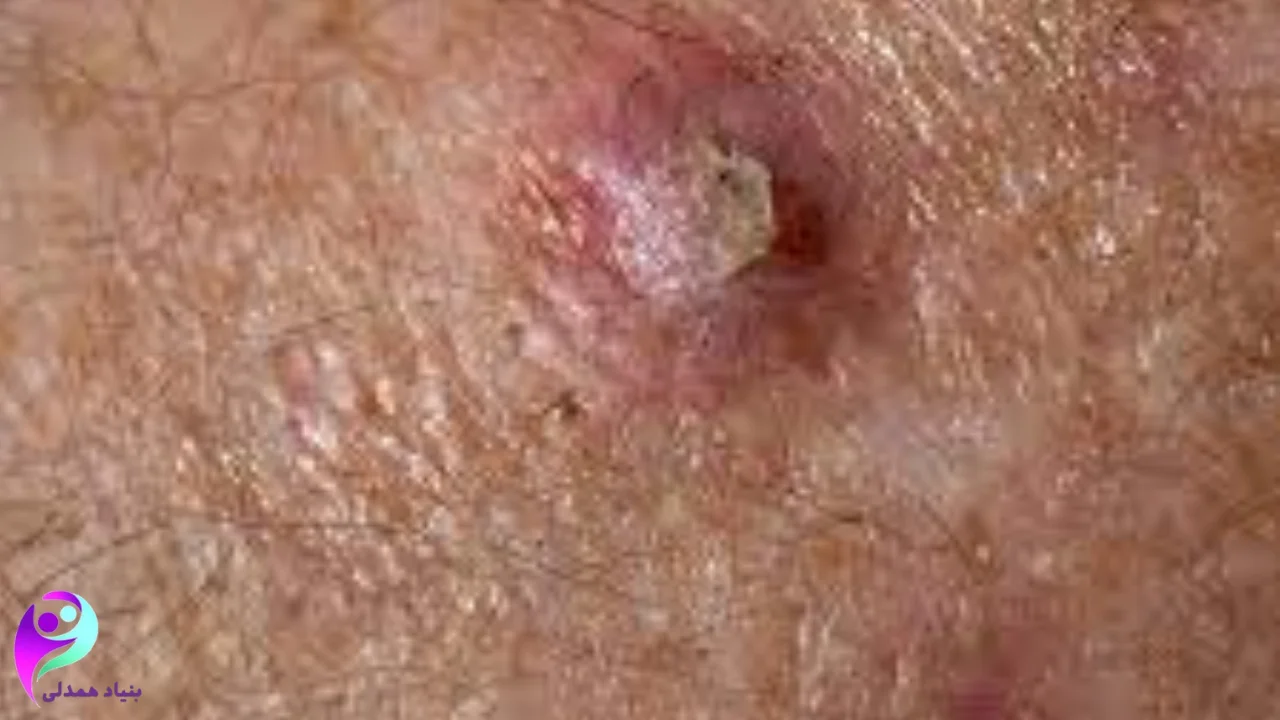
2. Squamous Cell Carcinoma (SCC): A more aggressive and high-risk skin cancer
Squamous cell carcinoma (SCC) arises from the squamous cells that line the outer surface of the skin. These cells are responsible for protecting the underlying layers of the skin, but due to damage from UV rays, chronic wounds, or exposure to chemicals, they can mutate and grow abnormally.
SCC is more aggressive than BCC and can spread to the lymph nodes and other organs. Other factors, such as chronic inflammation, old wounds, repeated skin infections, and a weakened immune system, also play a role in the development of this cancer.
This cancer is usually seen in sun-exposed areas such as the lips, ears, and hands.
Symptoms
A thick, red, or scaly patch on the skin
A sore or lump that bleeds or doesn’t heal
Hard, sometimes painful bumps
An area of thick or cracked skin
Treatment
Surgical removal of the lesion along with surrounding healthy tissue
Radiation therapy in cases where surgery is not possible
Cryotherapy for superficial lesions
Topical and systemic drug therapy in specific and advanced cases
Prevention
Full protection of the skin from sunlight
Prompt treatment of wounds and chronic skin inflammation
Avoid contact with harmful chemicals
Examination and referral to a doctor for suspicious lesions
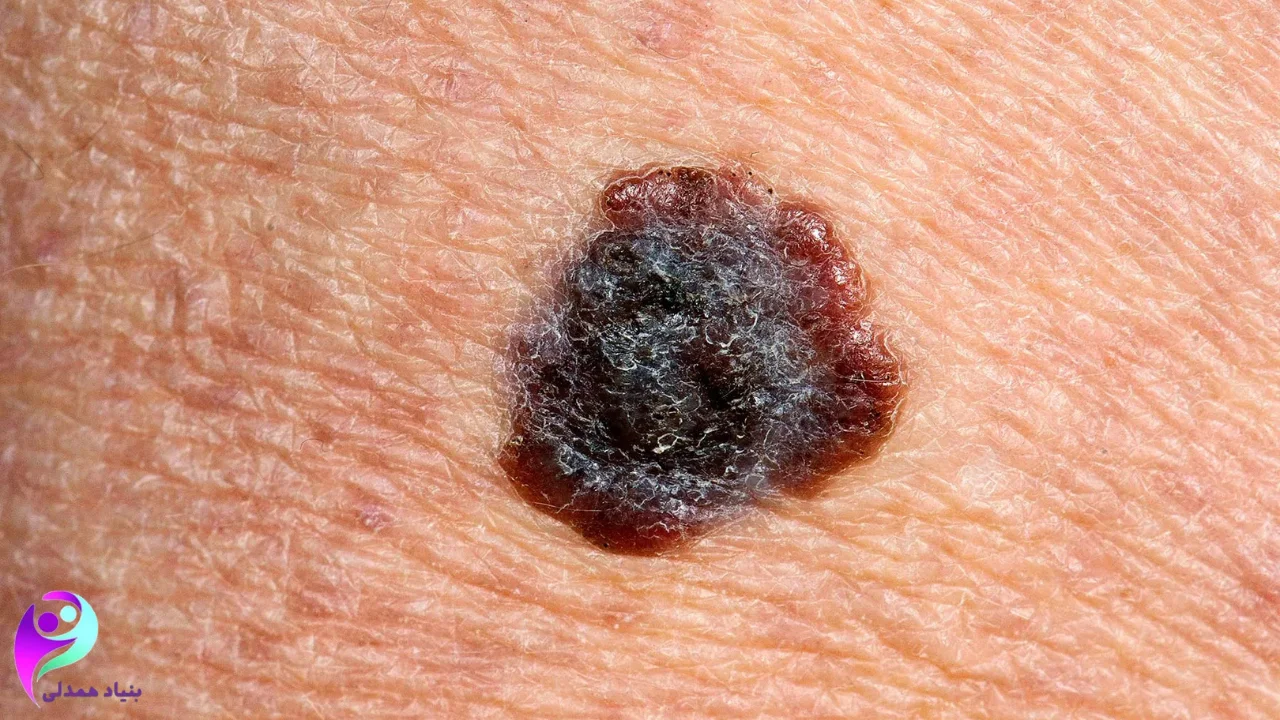
3. Melanoma: The Silent and Aggressive Skin Killer
Melanoma is a very dangerous and aggressive type of skin cancer that arises from melanocyte cells, which produce skin pigment (melanin). Melanocytes normally protect the skin from UV rays, but when they become genetically mutated, they grow uncontrollably, forming tumors that can spread rapidly throughout the body.
Risk factors include frequent and intense sun exposure, severe sunburns, especially as a child, having many moles or abnormal moles, and a family history of melanoma. This cancer can appear anywhere on the body, even in areas that are less exposed to the sun.
Symptoms
Change in size, color, or shape of moles
Creating spots of various colors such as brown, black, blue, red, or white
Ragged and asymmetrical edges of the mole or lesion
Itching, pain, bleeding, or discharge at the site of the lesion
Treatment
Extensive surgery to remove the tumor and surrounding healthy tissue
Review and removal of nearby lymph nodes to control spread
Immunotherapy to boost the immune system
Targeted therapy and chemotherapy in advanced stages
Careful and long-term follow-up to prevent recurrence
Prevention
Complete avoidance of direct sunlight during peak hours
Continuous and correct use of sunscreen with a high SPF
Performing monthly skin self-examinations
Seeing a doctor immediately if suspicious changes are observed
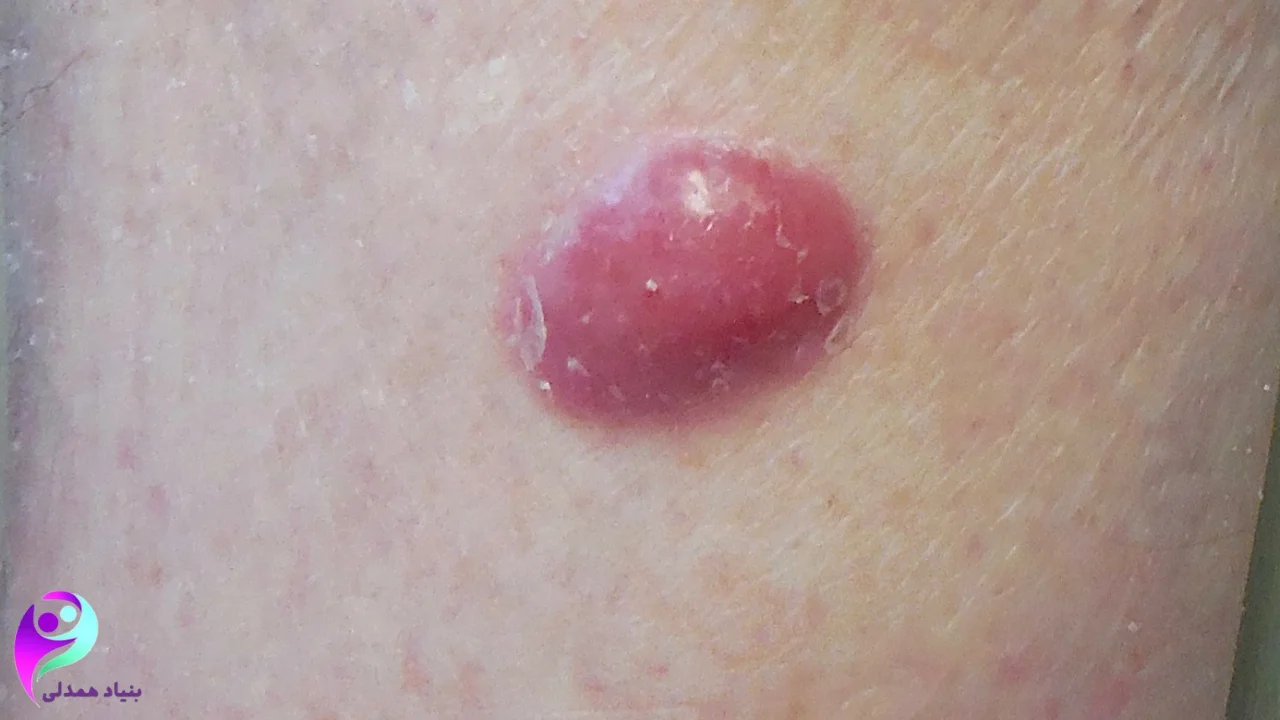
4. Merkel Cell Carcinoma (MCC): A Rare but Aggressive Cancer
Merkel cell carcinoma is a rare and highly aggressive skin cancer that originates from neurocutaneous cells called mixed cells. This cancer is more common in older people and those with weakened immune systems.
One of the known causes of MCC is the Merkel cell polyomavirus, which has been identified in many patients. In addition, excessive sunlight exposure and a weakened immune system play an important role in the development and progression of this cancer.
This cancer grows rapidly and can quickly spread to the lymph nodes and other organs.
Symptoms
A hard, painless, rapidly growing lump on the skin
Red, purple, or dark pink
Usually appears on the face, neck, and upper limbs
May bleed or ulcerate
Treatment
Surgery to completely remove the tumor
Radiation therapy for local control and to reduce the risk of recurrence
Chemotherapy and immunotherapy in advanced cases
Careful follow-up to control the disease
Prevention
Protect the skin from sunlight
Immune system support
See a doctor immediately if you notice a lump or ulcer that is growing rapidly
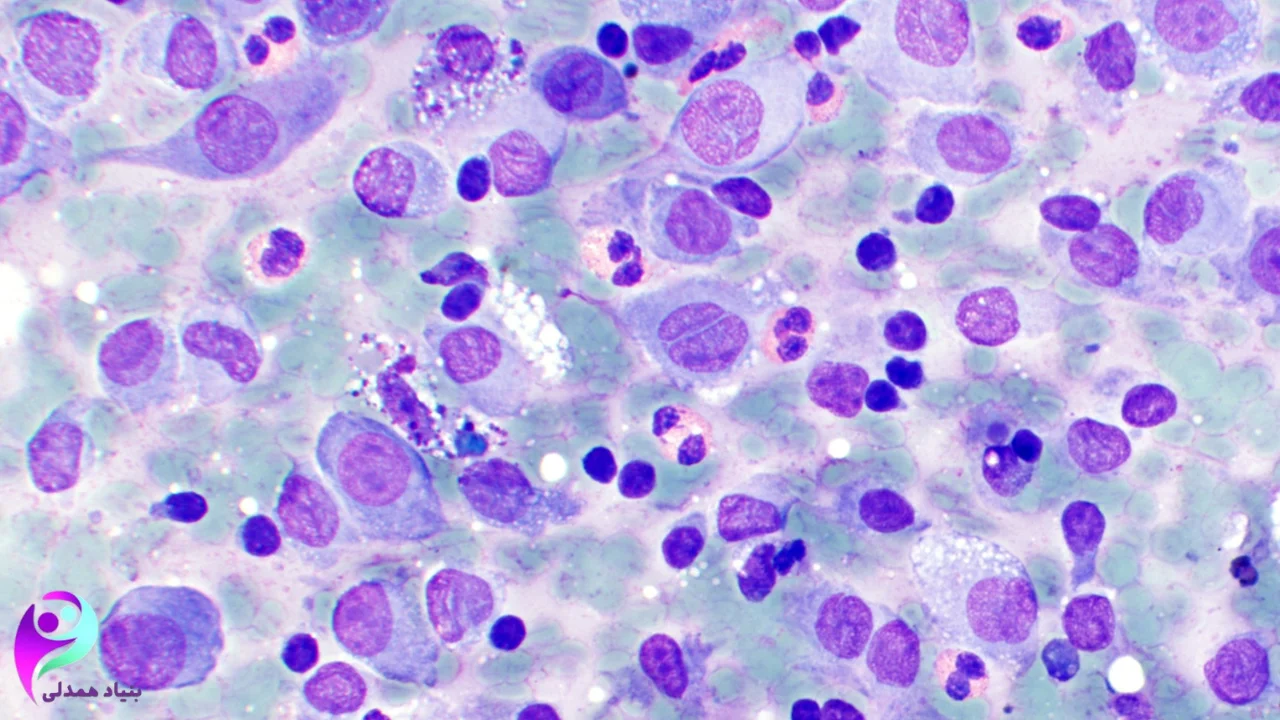
5. Langerhans Cell Histiocytosis: A Rare Disease in Children and Adolescents
This rare disease is caused by the abnormal proliferation of Langerhans cells, a type of immune cell in the skin. It usually affects children and adolescents, and the exact cause is not yet fully understood, but genetic and environmental factors play a role in its occurrence.
Langerhans cells normally play a role in immune defense, but in this disease they proliferate excessively, causing inflammation and skin lesions.
The disease can become systemic and affect other organs.
Symptoms
Red, scaly, ulcerated lesions on the skin
Pain or tenderness at the site of the lesion
Fever, weight loss, and systemic symptoms in children
Possibility of bone and liver problems in severe cases
Treatment
Corticosteroid medications to reduce inflammation
Chemotherapy in advanced cases
Topical treatment for skin lesions
Long-term care and follow-up to prevent recurrence
Prevention
There is no specific prevention
Early diagnosis and prompt treatment can reduce complications
Causes and Factors of Skin Cancer: Everything You Need to Know
Skin cancer is caused by genetic changes in skin cells that cause them to grow abnormally and multiply excessively. These changes can occur for a variety of reasons, the most important of which are discussed below:
- Long-term exposure to ultraviolet (UV) radiation: One of the most important risk factors for skin cancer is exposure to sunlight or artificial sources of UV radiation, such as tanning beds. This radiation can damage the DNA of skin cells and increase the risk of cancerous mutations.
Fair skin: People with fair skin, blond or red hair, and light eyes are at higher risk of skin cancer because they have less melanin to protect the skin from UV radiation.
Family and genetic history: If one family member has had skin cancer, other family members are more likely to develop it. Certain genetic disorders can also increase the risk of skin cancer.
- Older age: As you age, your skin becomes more susceptible to damage and the accumulation of genetic mutations, which increases your risk of skin cancer.
Weakened immune system: People with weakened immune systems (such as organ transplant recipients or those with certain diseases) are more likely to develop skin cancer.
Exposure to harmful chemicals: Contact with substances such as arsenic, tar, petroleum, and some solvents can increase your risk of skin cancer.
Chronic skin wounds or inflammation: Areas of skin that have old wounds or chronic inflammation may be sites of skin cancer.
Knowing these factors can help people take appropriate preventive measures and see a doctor sooner if they notice symptoms.
Skin Cancer Warning Signs and Symptoms
Skin cancer usually starts with visible changes in the skin that you should pay special attention to. Recognizing these signs can help with early detection:
A new spot or lesion on the skin: A red, pink, or brown spot may appear that gradually enlarges.
A change in the shape or size of a mole: Moles that suddenly change color, size, or shape, or develop irregular edges, should be taken seriously.
- Skin sores that don’t heal: A sore that doesn’t heal for more than a few weeks could be a sign of cancer.
Bleeding or discharge from a wound: Any bleeding or discharge from a wound on the skin should be investigated.
Itching, pain, or tenderness at the site of the injury: If an area of skin becomes unusually itchy, painful, or tender, it should be followed up.
Appearance of a hard lump under the skin: The presence of an unusual bump or lump on the skin could be a sign of basal cell cancer or other types.
It is best to have any unusual changes on the skin evaluated by a dermatologist so that diagnostic and treatment steps can be initiated if necessary.
Risk factors and important risk factors for skin cancer
As mentioned, various factors can increase the risk of developing skin cancer. Some of these factors include:
Amount and intensity of exposure to sunlight: People who spend long hours outdoors and in direct sunlight are at greater risk.
Not using skin protectors: Not using sunscreen, protective clothing, and hats against the sun
- History of severe sunburn: Having a history of sunburn, especially during childhood or adolescence, increases the risk of skin cancer.
Having more than 50 moles on the body: A large number of moles can indicate a higher risk of melanoma.
Taking immunosuppressant drugs: These drugs can reduce the body’s ability to fight cancer cells.
Exposure to chemicals and industrial chemicals: Being exposed to environments with carcinogens can increase the risk.
Understanding and managing these factors can help reduce the risk of skin cancer.
Accurate methods for diagnosing skin cancer
Diagnosis of skin cancer usually begins with a clinical examination by a dermatologist. In the case of suspicious lesions, the following procedures are used:
Biopsy: Taking a sample of the affected area for microscopic examination of the cells to confirm the presence of cancer cells.
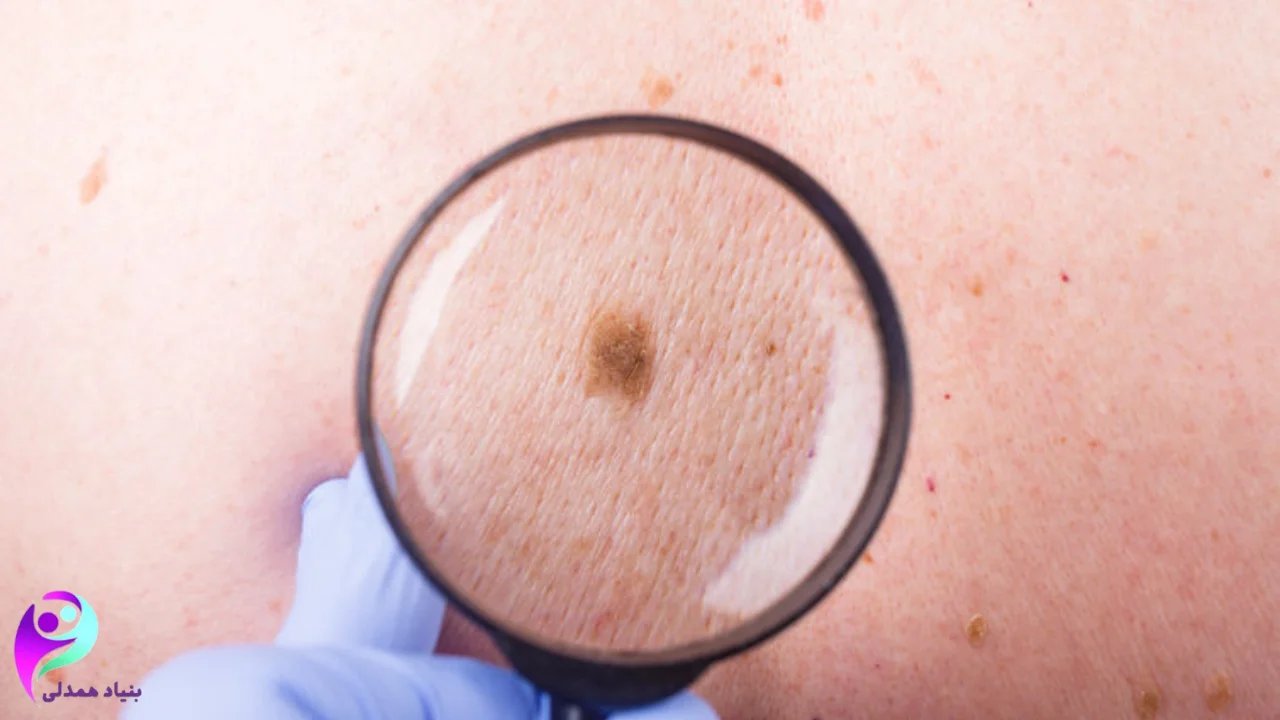
Dermoscopy: Using a special device to more closely observe the structure of the skin and moles.
Imaging tests: In cases where the cancer is advanced, ultrasound, CT scan, or MRI are used to check for spread to other organs.
Lymph node examination: Examining the lymph nodes around the lesion to determine if the cancer has spread.
Early and accurate diagnosis is the key to successful treatment of skin cancer.
Skin Cancer Treatment Options: From Surgery to Newer Methods
Treatment for skin cancer depends on the type, location, size, and stage of the disease. Common treatment options include:
Surgical excision: The most common method, in which the lesion and some of the surrounding tissue are removed.
- Cryotherapy (freezing the lesion): Using liquid nitrogen to freeze and destroy superficial cancer cells.
Topical drug therapy: Using creams and solutions that kill cancer cells.
Radiotherapy: Using X-rays to treat lesions that are inoperable or are in sensitive areas.
Systemic chemotherapy: In advanced cases where the cancer has spread to other organs, the use of anticancer drugs through the blood.
Immunotherapy and targeted therapies: New methods that stimulate the body’s immune system or target cancer cells.
The choice of treatment method should be made by a specialized medical team according to the patient’s condition.
Skin Cancer Statistics and Prevalence in Iran
Skin cancer is one of the most common cancers worldwide and, unfortunately, its incidence is increasing in Iran. According to official statistics from the Ministry of Health, thousands of people in the country are diagnosed with this disease every year, most of whom live in provinces with more intense sunlight, such as the southern provinces. Studies show that more than 90 percent of skin cancers are caused by repeated exposure to the sun’s ultraviolet rays, and prevention and awareness of risk factors can significantly prevent the occurrence of this disease.
How to prevent skin cancer? Golden tips for skin care
Prevention of skin cancer is much more important and effective than treatment. To reduce the risk of developing it, the following tips are recommended:
- Always use sunscreen with an appropriate SPF (at least 30) even on cloudy days.
Wear protective clothing and a brimmed hat when exposed to the sun.
Avoid sun exposure during peak hours (10 a.m. to 4 p.m.) when UV intensity is highest.
Do monthly skin self-examinations to identify suspicious changes and see a doctor promptly.
Avoid solariums and artificial tanning devices, which greatly increase the risk of skin cancer.
Maintain a healthy diet and consume antioxidants that contribute to skin health.
Visit a dermatologist regularly, especially for high-risk individuals.
Following these steps can significantly prevent skin cancer.
Conclusion
Skin cancer is a preventable and treatable disease that can save many lives with awareness, care, and timely follow-up. Understanding the types of skin cancer, symptoms, risk factors, and treatment methods will help you effectively combat this disease.
Also, following prevention tips, using sunscreen, and seeing a doctor on time are the main ways to reduce the risk of contracting it.
If you care about your skin and think about your future health, be sure to take the training and strategies in this article seriously and pass them on to others.
Frequently Asked Questions About Skin Cancer: Practical and Scientific Answers
1. Is skin cancer contagious?
No, skin cancer is not contagious and cannot be passed from one person to another.
2. Do all moles become cancerous?
No, most moles are benign, but sudden changes in moles should be investigated.
3. How fast does skin cancer progress?
Melanoma can grow very quickly, but basal cell and squamous cell cancers usually progress more slowly.
4. Does only fair-skinned people get skin cancer?
Fair-skinned people are at higher risk, but any skin tone can get it.
5. Is skin cancer always treated successfully?
If it is detected early, a high percentage of treatments are successful. Advanced stages can be more complicated.
6. Does sunscreen really work?
Yes, using sunscreen regularly is one of the best ways to prevent it.
The author of the article:Erfan

