

Emotional Support for Cancer Patients | Why is emotional support for cancer patients important?
Cancer is not just a physical illness; it is a major challenge in life that challenges the patient’s mind, soul, and spirit. In this regard, emotional support plays a vital role as much as chemotherapy and medication. Many cancer patients suffer from feelings of loneliness, fear of the future, hopelessness, and anxiety more than physical pain. In this article, we will discuss the vital role of emotional support, effective strategies, the role of family, psychologists, charities, and human experiences alongside medical treatment.
The Hamdali Foundation is a support group in the field of helping cancer patients, which aims to reduce treatment concerns, cover essential expenses, and boost patients’ morale. The foundation, with public donations and the participation of donors, tries to make the treatment path smoother for patients and their families. If you are interested in supporting them, you can do so through online payment, telephone contact, or online chat. Also, people who need help or advice can simply contact the foundation’s support team through these communication channels to receive the necessary guidance.
- What is emotional support and why is it important in cancer treatment?
- Psychological consequences of cancer on the patient’s psyche | Psychological support for cancer patients
- The Role of Family and Friends in Emotional Support
- The Role of Psychology and Professional Counseling
- Relaxation techniques for cancer patients
- The Role of Charities in Emotional Support
- Patient Experience: Let’s Hear Their Voice
- Connection with God, Spirituality, and Inner Peace
- The Role of Art Therapy in Improving the Mood of Cancer Patients
- Confronting the Fear of Death; Don’t Be Silent, Speak Up
- The Role of Nurses and Doctors in Emotional Support for Cancer Patients
- Beware of emotional exhaustion in families
- The Role of Friends and Community: The Forgotten Emotional Support
- Seeking Help from Survivors
- Strengthening a sense of purpose in patients
- Using Technology for Emotional Support
- The Importance of Touch, Caress, and Human Contact
- Remember: Silence is also a form of support
- Conclusion: Hope is half the cure
- Frequently Asked Questions About Emotional Support for Cancer Patients
What is emotional support and why is it important in cancer treatment?
Emotional support means creating a safe environment for the patient, filled with love, attention, and respect. This support can come from family, friends, mental health professionals, or even volunteer groups. Research has shown that patients who receive adequate emotional support:
Have a higher quality of life
Show greater tolerance for pain and fatigue
Accept treatment better
Experience lower levels of stress
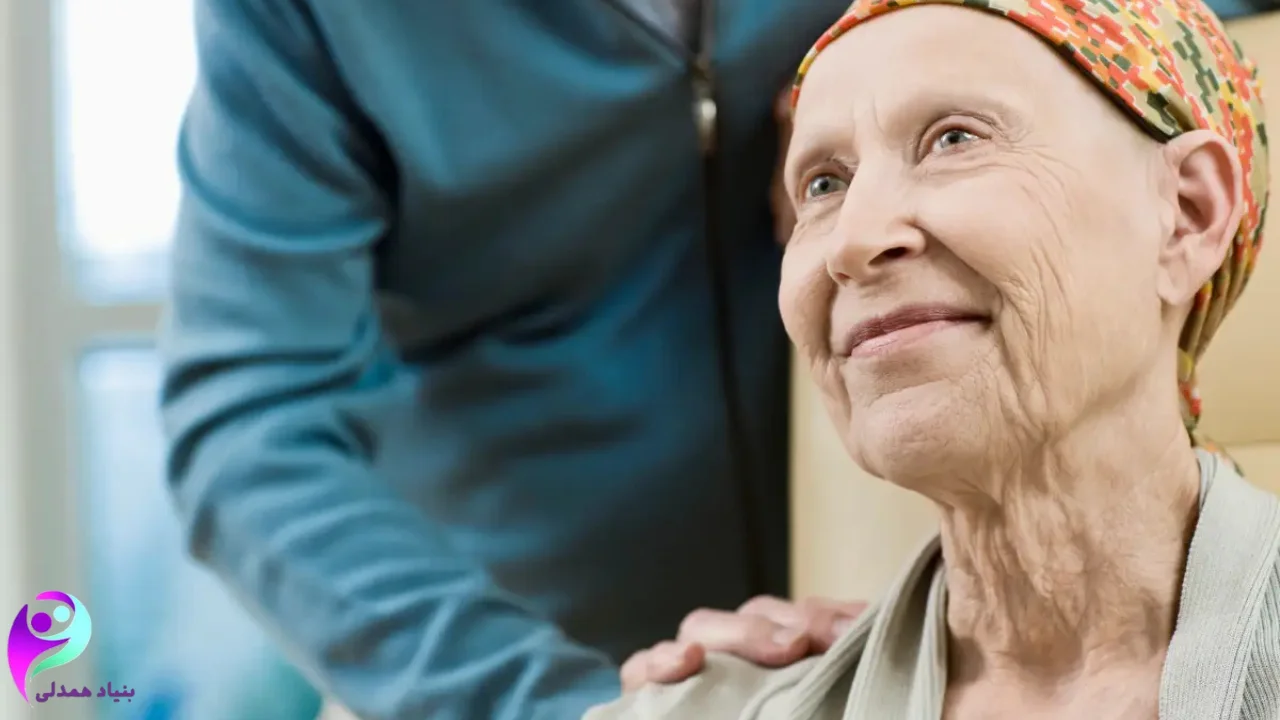
Psychological consequences of cancer on the patient’s psyche | Psychological support for cancer patients
Cancer is associated with severe psychological stress. The patient may experience feelings such as:
Fear of death or recurrence of the disease
Worry about the family’s future
Anxiety about the cost of treatment
Low self-esteem due to changes in appearance or loss of abilities
Depression, isolation, or feelings of worthlessness
If these feelings are ignored, they can severely disrupt the treatment process.
The Role of Family and Friends in Emotional Support
Family is the first and most important source of emotional support. When a patient is facing uncertainty, pain, or anxiety, a simple call, a companion in treatment sessions, or even active listening can bring a world of comfort.
Here are some simple ways to provide emotional support to loved ones with cancer:
Make time every day to talk and empathize
Don’t judge their feelings
Laugh with them, watch a movie, or reminisce
Being present, even in silence, is invaluable
The Role of Psychology and Professional Counseling
Clinical psychologists, counselors, and social workers can help patients navigate crises using techniques such as:
Individual or group psychotherapy
Cognitive Behavioral Therapy (CBT)
Stress Management and Mindfulness Training
Acceptance and Commitment Therapy (ACT)
The presence of a professional psychologist on the treatment team can have a significant impact on controlling anxiety, depression, and even improving the treatment process.
Relaxation techniques for cancer patients
Simple strategies that the patient can do at home:
Deep breathing exercises
Meditation or mindfulness meditation
Yoga and gentle exercise
Listening to soothing music
Writing feelings in a personal journal
These activities help reduce anxiety, improve sleep, and increase relaxation.
The Role of Charities in Emotional Support
Charities such as the Empathy Foundation and Pars Solidarity are active not only in covering treatment costs, but also in creating a sense of empathy, connecting with other patients, free psychological programs, and even group sessions to vent emotions.
These centers play a significant role in rebuilding patients’ morale and reducing their feelings of loneliness.
Patient Experience: Let’s Hear Their Voice
One of the most powerful forms of emotional support is hearing the stories of other patients. When a patient hears the story of another person who has gone through a difficult stage, hope is rekindled in their heart.
Social media sites and networks can be a platform for this exchange of experiences.
Connection with God, Spirituality, and Inner Peace
For many patients, a connection with God or spiritual beliefs is a refuge for peace and strength. Prayer, meditation, or attending religious services can give them a sense of hope, security, and peace.
The Role of Art Therapy in Improving the Mood of Cancer Patients
Art is a universal language for expressing emotions. Painting, music, storytelling, theater, or even crafts can provide an opportunity for patients to vent, rebuild hope, and increase vitality.

Confronting the Fear of Death; Don’t Be Silent, Speak Up
One of the deepest fears of cancer patients is the fear of death. This fear, especially when not properly heard and managed, can lead to isolation. Many people around them believe that talking about death will ruin the patient’s mood, when in fact, talking about this fear can be liberating and comforting.
Honest, empathetic, and nonjudgmental conversations with the patient about their true feelings create an opportunity to lighten up, find meaning, and strengthen the connection between people.
The Role of Nurses and Doctors in Emotional Support for Cancer Patients
Doctors, nurses, and medical staff play a greater role in the formation of emotional support than is commonly thought. Humane behavior, smiling, listening to concerns, and non-mechanical interaction win the patient’s trust. By training in human communication skills, medical staff can not only heal the body but also soothe the soul.
In many modern hospitals around the world, special departments for “oncology psychiatry” or “psychological support for special patients” are active so that patients do not feel that they are only being treated, but also understood.
Beware of emotional exhaustion in families
While families play a vital role in providing emotional support, they can also experience emotional exhaustion, or what’s called “empathy fatigue,” along the way. Caring, following through on treatment, worrying constantly, and watching their loved one suffer takes a lot of mental energy.
Here are some tips for families:
Enlist the help of others; don’t take it all on yourself
Make time for rest and self-care
Talk to a counselor or support group
Don’t feel guilty; you’re human too
Supporting your family is just as important as supporting your patient.
The Role of Friends and Community: The Forgotten Emotional Support
Friends, colleagues, neighbors, and community members sometimes assume that they should not bother the patient or that there is nothing they can do. While a loving message, a short visit, or even a home-cooked meal can be a sign of being seen, cared for, and belonging.
Building a culture of “appropriate behavior toward cancer patients” can help create a supportive and kind community.
Seeking Help from Survivors
Cancer survivors can be messengers of hope. Creating groups of survivors to support new patients not only boosts morale, but also helps share experiences, strategies, and reduce fears of the unknown.
In different countries, these groups, known as “survivor support groups,” play an important role in the recovery process. Charities like the Empathy Foundation can help build a bridge between hope and patients by forming such groups.
Strengthening a sense of purpose in patients
One of the keys to emotional support is to create a sense of meaning, purpose, and contribution to life. Many patients feel that they are no longer useful after receiving a diagnosis. Helping to redefine one’s role in the family, community, or even by participating in small charitable or educational activities can restore a sense of worth in the patient.
For example:
Teaching children to draw or learn a language
Writing a memoir or creating an experience-based podcast
Participating in online or home-based charitable projects
Using Technology for Emotional Support
In this day and age, technology plays an important role in supporting patients. Mental health apps, WhatsApp or Telegram groups, online meditation classes, and remote counseling can all provide opportunities for patients to connect, learn, relax, and be supported, even when they are bedridden.
Platforms like “Hamyar Rawan” or websites like “Bonad Hamdali” can provide platforms for empathy and support by creating an online community.
The Importance of Touch, Caress, and Human Contact
Sometimes, the touch of a loved one’s hand, the caress of a face, or a warm hug can be more soothing than a thousand words. Human contact is one of the most important tools of emotional support that even in infants promotes calm and better development.
In cancer patients, the feeling of loving touch can also strengthen emotional connection and create a sense of security. Of course, the patient’s physical condition and wishes must also be taken into account.
Remember: Silence is also a form of support
Sometimes we think we have to say something, offer a solution, or give hope to the patient. But in fact, being present without judgment, listening without advice, and remaining silent with empathy are the deepest forms of emotional support.
The patient just needs to know that they are not alone; even if no one can solve the problem, the “companionship” itself is a relief.
Conclusion: Hope is half the cure
Cancer may challenge the body, but it is the human spirit that can make the cure possible and the path brighter. With continued emotional support, patients can see a glimmer of hope in the darkness.
If each of us, whether as family, professionals, friends or even charity, takes just one step towards a patient’s mental peace, we may have provided the greatest cure.
Frequently Asked Questions About Emotional Support for Cancer Patients
1. Is psychotherapy really effective for cancer patients?
Yes, research has shown that psychotherapy can reduce patients’ anxiety, depression, and stress and improve the treatment process.
2. What are the best ways to reduce stress in patients?
Meditation, yoga, music therapy, deep breathing, and supportive conversations are some of the best methods.
3. How can you volunteer to support patients?
By joining charities such as the Empathy Foundation, participating in group psychology programs, talking to patients, or even writing letters of hope.
4. Does spirituality really affect patients’ morale?
Yes, for many patients, spirituality is one of the most important sources of mental strength and can increase feelings of peace, meaning, and hope.
The author of the article:Erfan

