
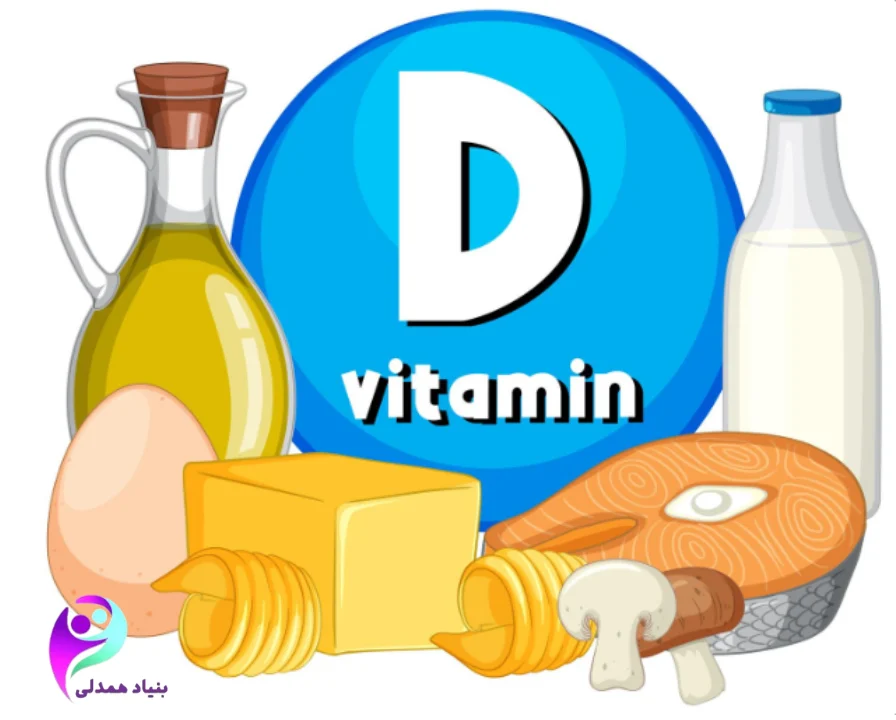
Does Vitamin D Prevent Cancer? The Scientific Truth About the Role of This Vitamin in Cancer Prevention
Vitamin D, often called the “sunshine vitamin,” is one of the most important fat-soluble vitamins, playing a key role in bone health, the immune system, hormone regulation, and even mental health. In recent years, scientists have been paying attention to the role of this vitamin in cancer prevention.
But can taking vitamin D really reduce the risk of cancer, or is this just a popular belief? In this article, we will scientifically and comprehensively examine the connection between vitamin D and cancer, its sources, symptoms of deficiency, and the best ways to maintain appropriate levels of this vitamin.
The Hamdali Foundation is a support group in the field of helping cancer patients, which aims to reduce treatment concerns, cover essential expenses, and boost patients’ morale. The foundation, with public donations and the participation of donors, tries to make the treatment path smoother for patients and their families. If you are interested in supporting them, you can do so through online payment, telephone contact, or online chat. Also, people who need help or advice can simply contact the foundation’s support team through these communication channels to receive the necessary guidance.
- What is vitamin D and why is it essential for the body?
- Vitamin D’s Role in Cancer Prevention
- How can vitamin D prevent cancer?
- Symptoms of Vitamin D Deficiency
- The Role of Blood Tests in Determining Vitamin D Levels
- Important points when taking vitamin D supplements
- Vitamin D and a Healthy Lifestyle
- More scientific research on vitamin D and cancer
- Genetics in Vitamin D Absorption
- The importance of a healthy lifestyle with vitamin D
- Vitamin D supplements; who is it for?
- Vitamin D Deficiency Status in Iran
- The Impact of Vitamin D on Mental Health in Cancer Patients
- Misconceptions about Vitamin D
- Expert Advice
- Summary
- FAQ Does Vitamin D Prevent Cancer
What is vitamin D and why is it essential for the body?
Vitamin D is a fat-soluble vitamin that, unlike many vitamins, the body can also produce through sunlight. This vitamin plays an important role in calcium absorption, maintaining bone health, strengthening the immune system and proper cell function.
The most important functions of vitamin D include the following:
Helping to better absorb calcium and phosphorus for bone health
Strengthening the immune system and fighting infections
Helping to properly function muscles
Reducing inflammation in the body
Supporting brain function and mental health
Vitamin D’s Role in Cancer Prevention
Several scientific studies have shown that vitamin D may play a role in reducing the risk of some cancers. This effect is due to vitamin D’s effects on cell growth, reducing inflammation, and improving immune system function.
Some studies suggest that adequate levels of vitamin D may reduce the risk of the following cancers:
Colorectal cancer (large intestine and rectum):
Large studies have shown that people with higher vitamin D levels are less likely to develop colon cancer.
Breast cancer:
Some research has shown a link between high vitamin D levels and a reduced risk of breast cancer, especially in postmenopausal women.
Prostate cancer:
Research has mixed results, but there is evidence that vitamin D may help slow the growth of prostate tumors.
Pancreatic and ovarian cancer:
Although research is limited, some data suggest that adequate vitamin D levels may be effective in reducing the risk of these cancers.
How can vitamin D prevent cancer?
Vitamin D may have a protective effect against cancer in several ways:
Regulating cell division: Preventing abnormal cell growth
Increasing cancer cell death: Helping a process called apoptosis, which kills damaged cells
Reducing inflammation: Chronic inflammation is a major factor in the development of cancer
Boosting the immune system: Helps the body identify cancer cells earlier
Natural Sources of Vitamin D
To reap the benefits of vitamin D, it is essential to get it from natural sources.
Sunlight:
The best and easiest way to get vitamin D is to be exposed to direct sunlight. About 10 to 20 minutes a day is enough.
Foods:
Fatty fish such as salmon, sardines, tuna
Egg yolks
Beef liver
Fortified dairy products
Certain mushrooms
Supplements:
If you do not have access to sunlight or a proper diet, taking a supplement with a doctor’s prescription is essential.
Symptoms of Vitamin D Deficiency
Vitamin D deficiency is a common problem in the world that can threaten the overall health of the body. Some of the symptoms of deficiency include:
General fatigue and weakness
Bone and muscle pain
Hair loss
Increased risk of infections
Mood problems such as depression
Increased risk of chronic diseases including cancer
The Role of Blood Tests in Determining Vitamin D Levels
A simple blood test can determine your vitamin D levels. Normal levels are usually considered to be between 30 and 50 ng/ml. If your vitamin D levels are low, your doctor may prescribe high-dose supplements.
Important points when taking vitamin D supplements
Self-medication with vitamin D supplements may lead to vitamin toxicity.
Adjust the dosage according to your doctor’s prescription.
Take supplements with fatty foods for better absorption.
Vitamin D and a Healthy Lifestyle
Vitamin D is only one part of a healthy lifestyle for cancer prevention. It is also important to:
Eat a diet rich in fruits, vegetables, and fiber
Exercise regularly
Avoid smoking and alcohol
Reduce stress and get enough sleep
More scientific research on vitamin D and cancer
In recent years, a large number of studies have been conducted worldwide to investigate the direct connection between vitamin D and cancer prevention. The results of these studies show:
A study in the British Medical Journal: showed that taking vitamin D supplements for 5 years reduced the risk of developing gastrointestinal cancers by 15%.
Harvard University research: Women with higher vitamin D levels were 25% less likely to develop breast cancer.
Research by the US National Cancer Institute: Vitamin D prevents tumor growth by regulating genes related to cell growth.
This scientific evidence shows that vitamin D is an important element in an anti-cancer lifestyle.
Genetics in Vitamin D Absorption
One of the interesting findings in recent research is the genetic differences in vitamin D absorption and metabolism.
Some people have low levels of this vitamin even with adequate sun exposure. This is due to genes associated with vitamin D receptors.
For this reason, it is important to have regular blood tests to check vitamin D levels so that each person can receive their own specific supplement dosage.
Sunlight: The Easiest Source of Vitamin D
Sunlight is still the best and most natural source of vitamin D.
Best time: Between 10am and 3pm, for 15 to 20 minutes
Fair skin: People with fair skin absorb vitamin D faster.
Dark skin: They may need more time to be exposed to the sun.
Note that using strong sunscreen may reduce the absorption of vitamin D, so it is better to be in the sun without sunscreen for the first few minutes (of course, taking care of your skin health).
The importance of a healthy lifestyle with vitamin D
Vitamin D alone cannot completely prevent cancer. To achieve the best results, you should follow a healthy lifestyle:
A diet rich in antioxidants: Consume colorful fruits and vegetables
Regular exercise: Physical activity strengthens the immune system.
Stress management: Chronic stress increases the risk of cancer.
Avoid tobacco and alcohol: One of the most important risk factors for cancer is smoking and alcohol consumption.
Vitamin D supplements; who is it for?
Some people are more at risk of vitamin D deficiency than others and should definitely take supplements:
Elderly people: As we age, the skin loses its ability to produce vitamin D.
Overweight people: Body fat can reduce vitamin D stores.
People who live in areas with little sunlight: Residents of northern regions are often deficient.
Pregnant or breastfeeding women: This group has a higher need for vitamin D.
Vitamin D Deficiency Status in Iran
According to statistics from the Ministry of Health, more than 70% of Iranians are vitamin D deficient. This is related to the following factors:
Lack of exposure to sunlight
Continuous use of full coverage
Lack of food sources rich in vitamin D
These statistics show that awareness of the importance of this vitamin is essential for preventing diseases, especially cancer.
The Impact of Vitamin D on Mental Health in Cancer Patients
Research shows that low levels of vitamin D can increase the risk of depression in cancer patients. Supplementation not only strengthens the immune system but can also help improve the mood and quality of life of these patients.
Misconceptions about Vitamin D
1. “The more we consume, the better.”
Wrong! Excessive consumption of this vitamin can lead to toxicity.
2. “Vitamin D is only for bones.”
Wrong! This vitamin plays a role in immune system function, hormone regulation, and even cancer prevention.
3. “Only supplements matter.”
Taking supplements without lifestyle and diet modifications is not enough.
Expert Advice
Annual blood test: To check vitamin D levels
Smart sun exposure: Instead of avoiding it completely or prolonged exposure
Supplement in winter: Vitamin D levels decrease during the colder months of the year.
Medical advice: Always consult a doctor before taking strong supplements.
Summary
Vitamin D plays an important role in general health and the prevention of many diseases, including cancer. Research has shown that this vitamin can reduce the risk of some cancers by regulating cell growth, reducing inflammation, and strengthening the immune system.
By following a proper diet, getting plenty of sunlight, and taking supplements as prescribed by your doctor, you can reap the benefits of vitamin D and live a healthier lifestyle.
FAQ Does Vitamin D Prevent Cancer
1. Is it dangerous to take too much vitamin D?
Yes. Too much can lead to high blood calcium levels, kidney damage, and heart problems.
2. Should everyone take a vitamin D supplement?
No. If you have a healthy lifestyle and are exposed to sunlight, you may not need a supplement.
3. Does vitamin D help treat cancer?
Vitamin D is not a substitute for medical treatment, but it can play a supportive role.
4. When is the best time to take a vitamin D supplement?
It is usually recommended with a main meal.
The author of the article:Erfan

