

- How to deal with cancer patients
- Part One: Understanding Cancer Patients’ Emotions
- Part Two: Being a Good Listener
- Part Three: Avoiding Excessive Pity and Compassion
- Part Four: Maintaining Hope and Positive Energy
- Part Five: Respect the patient’s autonomy
- Part Six: Pay attention to spiritual and emotional needs
- Part 7: How to Talk About the Disease
- Part 8: Practical help instead of words
- Part Nine: Supporting the Patient’s Family
- Part Ten: Behavior during relapse or progression of the disease
- Part 11: Being present, even in silence
- Part 12: Common Mistakes in Dealing with Cancer Patients
- Part Thirteen: The Role of Smiles and Kindness
- Part Fourteen: Hope, Not Denial
- Part Fifteen: The Role of Community and Charities
- Understanding Medications and Managing Side Effects
- Creating a safe and accepting environment
- Sensitive Situations: Accepting Refusal of Treatment and the Decision to Withdraw Treatment
- Empowering Caregivers: Education, Infection Management, and Daily Care
- Social, Spiritual, and Local Resources
- The Empathetic and Practical Path: Specific Steps for Effective Cancer Care
- Caring for Cancer Patients | Physical and Emotional Support During Treatment
- Conclusion
- Frequently Asked Questions About Dealing with Cancer Patients
How to deal with cancer patients
Cancer is not just a physical illness; it is a difficult and complex path that also involves the patient’s soul and mind. When one of our loved ones is facing cancer, we may not know what to say or how to behave. Many of us say things out of compassion that unintentionally cause the patient to be hurt or disappointed.
A proper understanding of how to deal with cancer patients can give them hope, peace, and new motivation to continue their treatment. In this article, we will learn about the human, psychological, and behavioral principles of dealing with cancer patients.
The Hamdali Foundation Charity is a support group in the field of helping cancer patients, which aims to reduce treatment concerns, cover essential expenses, and boost patients’ morale. With public donations and the participation of donors, this foundation tries to make the treatment path smoother for patients and their families. If you are interested in supporting, you can do so through online payment, telephone contact, or online chat. Also, people who need help or advice can easily contact the foundation’s support team through these communication channels to receive the necessary guidance.
Dealing with Cancer
When a loved one is diagnosed with cancer, the first reactions are often a mix of worry, confusion, and an urgent need to act. Dealing with cancer is not just a set of practical tasks, but also the art of communicating in a way that maintains calm, safety, and dignity. Families and caregivers are looking for clear guidance: how to ask the right questions of the medical team, what to do in an emergency, and how to manage medication side effects and a patient’s energy levels. This article will help you build a foundation for realistic decision-making, use simple tools like medication logs and checklists, and learn supportive conversation skills to move conversations from fear to empathy and planning. It also provides practical, actionable tips on accepting the patient’s decisions, educating caregivers, and accessing local support resources. Read on to learn clear, actionable steps for appropriate behavior, psychological support, and day-to-day management of cancer care.
Part One: Understanding Cancer Patients’ Emotions
Cancer patients often experience a mix of complex emotions, such as fear, worry, anger, denial, and even guilt.
The first step in dealing with them is to understand and accept their feelings without judgment.
Instead of saying things like:
“Don’t worry, you’ll be fine!”
which may seem superficial or unrealistic to them, it’s better to say:
“I know it’s hard, but I’m here for you.”
This simple statement conveys a message of support and genuine presence, and keeps the patient’s trust alive.
Part Two: Being a Good Listener
Sometimes patients don’t need advice; they just want to talk and be heard.
One of the most important behaviors when dealing with cancer patients is to:
Listen patiently
Don’t interrupt
Validate their feelings
Instead of trying to change the subject or give unrealistic hopes, it’s better to say:
“I understand how difficult this has been for you, thank you for sharing it with me.”
This type of conversation gives the patient a sense of security and value.
Part Three: Avoiding Excessive Pity and Compassion
One of the common mistakes in dealing with cancer patients is a pitying look.
The patient is looking for respect, not compassion. When we constantly tell him, “You are helpless” or “I am so upset,” he may feel weak or helpless.
Instead of pity, we should give respect, trust, and real hope.
For example, we can say:
“You have always been strong, and this strength can help you continue.”
Part Four: Maintaining Hope and Positive Energy
Although cancer is a difficult disease, many patients have been able to overcome it with a positive spirit and the support of those around them.
Our words and behavior have a direct impact on the patient’s morale.
So:
Use encouraging words
Remind positive memories
Involve the patient in small, enjoyable activities
Use healthy humor to reduce stress
Sometimes a simple smile is more effective than a thousand medicines.
Part Five: Respect the patient’s autonomy
Cancer patients do not like to feel like everything is out of their control.
Let them have a role in treatment, food, and even daily decisions.
Instead of saying:
“You shouldn’t do this, I’ll give it to you.”
Say:
“Don’t you think it would be easier if we changed this a little?”
This type of approach makes the patient feel valued and more empowered.
Part Six: Pay attention to spiritual and emotional needs
Many cancer patients need spiritual support and inner peace during their treatment.
The patient may want to pray, talk to a spiritual counselor, or listen to soothing music.
Our job is not to judge them, but to show understanding and support.
Even if our beliefs differ, respecting the patient’s spiritual beliefs can bring them deep peace.

Part 7: How to Talk About the Disease
Talking about cancer is difficult for many patients.
To make the conversation constructive and calming:
Let the patient initiate the conversation.
Don’t force them if they don’t want to talk.
Avoid negative words like “death,” “disability,” or “the end.”
Instead of asking medical questions, ask about their feelings.
Sometimes, a sentence like
“How are you today?”
can create a deeper and more human conversation than any medical question.
Part 8: Practical help instead of words
Everyone wants to help the patient, but sometimes help doesn’t come in the right form.
Instead of saying, “Let me know if there’s anything you need,” it’s better to make specific suggestions:
“Would you like me to bring you food today?”
“Can I go to the doctor with you?”
“Would you like me to help you adjust your medication?”
Small but real help gives the patient a sense of security and support.
Part Nine: Supporting the Patient’s Family
Let’s not forget that the patient’s family is also under a lot of emotional and financial pressure.
Sometimes it is enough to ask them:
“How are you?”
Or to reduce their fatigue a little by being present for a short time.
Empathy with the family is actually indirect support for the patient himself. When the family is calm, they transmit positive energy to the patient.
Part Ten: Behavior during relapse or progression of the disease
Sometimes the path to treatment becomes more difficult and the disease relapses.
At this time, the patient needs the peace and acceptance of those around him more than ever.
Saying sentences like:
“Why did it come back again?”
or
“The treatment must not have been done properly”
should be avoided.
Instead, say:
“I know things are getting tougher, but we can get through this together.”
This short sentence can revive hope.
Part 11: Being present, even in silence
Sometimes no words can ease a patient’s pain, but being calm and nonjudgmental can work wonders.
Sitting next to a patient, without talking, without calling, just looking at them and being calm, is a form of therapy in itself.
True presence means:
Being there with all your being, even if you don’t say a word.
Part 12: Common Mistakes in Dealing with Cancer Patients
- Making unrealistic promises (“You’ll be completely well soon!”)
- Ignoring the patient’s feelings
- Comparing with others (“So-and-so had it too, he got well soon!”)
- Avoiding talking about the illness
- Insisting on being happy all the time
These behaviors may come from good intentions, but they have a negative impact on the patient’s morale.
Part Thirteen: The Role of Smiles and Kindness
Sometimes the smallest gestures have the biggest impact:
- A smile
- A gentle eye contact
- A hug with the patient’s consent
- A statement like “I love you” or “I’m proud of you”
These simple gestures remind the patient that love still exists and that life is still worth living.
Part Fourteen: Hope, Not Denial
True hope is different from denial of reality.
Hope means accepting that there is hardship, but believing that we can face it.
Cancer patients need to feel like they still have a chance to live, even if the path to treatment is difficult.
So instead of saying, “Everything is great,” it’s better to say:
“It may be a long road, but you’re not alone.”
Part Fifteen: The Role of Community and Charities
The role of community and charities is very important in dealing with cancer patients.
Organizations like the Empathy Foundation help patients and their families navigate the treatment process more peacefully by providing financial, medical, and emotional support.
If each of us donates a small portion of our kindness, many patients can continue their treatment.
Even a call, a smile, or a small donation can shine a light in the heart of the patient.
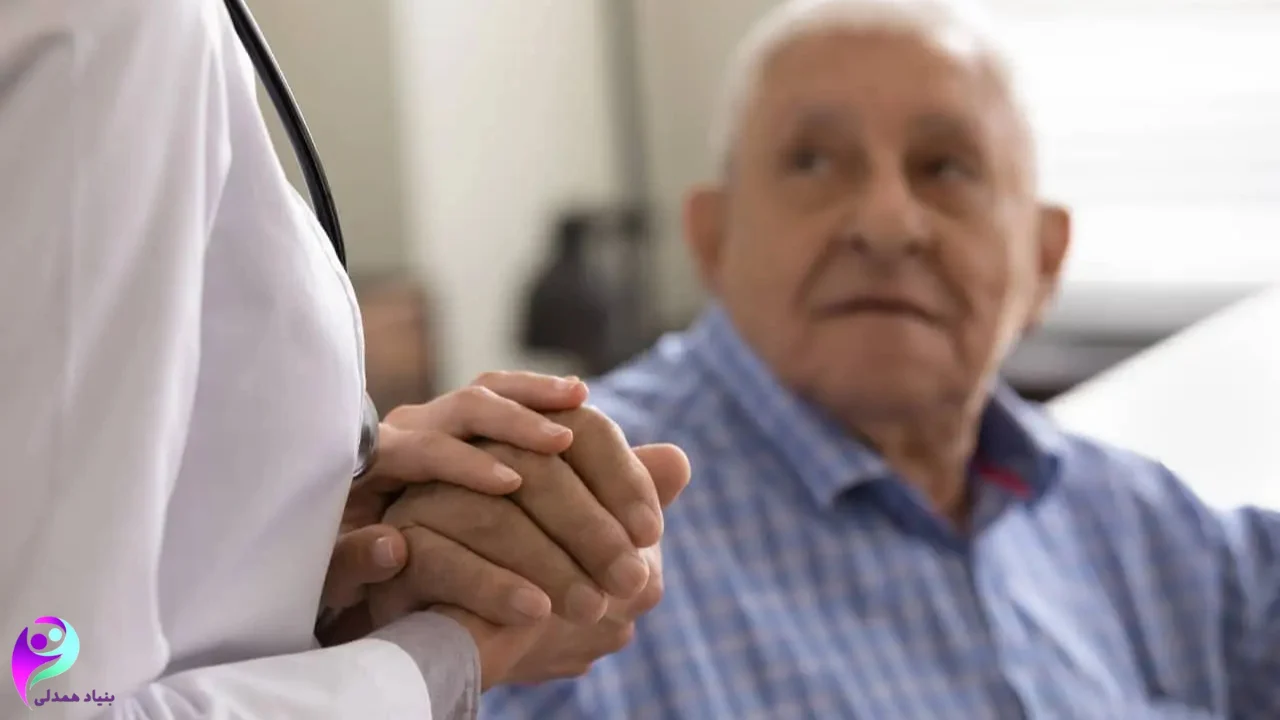
Understanding Medications and Managing Side Effects
When a patient receives a new prescription for a medication, learn the name of the medication and its intended purpose, and ask specific questions about how to take it and food interactions. Some medications should be taken with food or with a certain amount of water, while others should be taken on an empty stomach; following these guidelines will help prevent reduced effectiveness or increased side effects. Keeping a daily record of side effects such as nausea, drowsiness, or dry mouth will allow the treatment team to recommend appropriate supportive care. If nausea persists or appetite decreases, consulting with a nutritionist can help develop a meal plan that is appropriate for each phase of treatment. Practical example: If a patient becomes drowsy after taking a new medication, adjusting the time of day to take the medication to the evening instead of the morning may improve the patient’s quality of daily life.
Creating a safe and accepting environment
Creating an environment where the patient feels safe and accepted has a direct impact on resilience and motivation to continue treatment. Active listening without judgment to cancer patients reduces feelings of loneliness and allows them to express their fears and needs. Using short, affirming statements such as “I understand that this is difficult” demonstrates the power of empathy and helps reduce anxiety. Holding family meetings to explain the treatment plan and divide tasks between members takes the psychological burden off one or two people and makes the caregiving process sustainable. If symptoms of depression or self-harming thoughts are observed, prompt referral to psychological and support services is essential, and the Charity of the Empathy Foundation can play an effective role in introducing local support resources or support groups.
Sensitive Situations: Accepting Refusal of Treatment and the Decision to Withdraw Treatment
When a patient refuses cancer treatment or decides to withhold aggressive treatments, the first response should be to respect and listen to their reasons; coercion or blame will only destroy the relationship. Individuals have the right to make decisions about their own bodies and their treatment, and the family should accept this right even if they feel differently. A rational explanation of the consequences, offering alternative supportive options, and joint consultation with the medical team can help the patient make a more informed choice. After the decision to discontinue targeted therapy, coordinated communication with other family members and holding support sessions to explain palliative care and set expectations are essential. The Hamdali Foundation can provide counseling services and referrals to palliative resources at such critical stages to strengthen the family in understanding and accepting the patient’s decision.
Empowering Caregivers: Education, Infection Management, and Daily Care
Caregivers should receive basic training on how to dress surgical wounds, recognize signs of infection, and when to seek immediate medical attention to avoid costly mistakes. Low white blood cell counts are a common risk of treatment; in this case, the patient should be protected from contact with sick people and crowded environments, and referred to a health care facility immediately if fever occurs. Creating a daily checklist that includes medication intake, skin care, fluid intake, and new symptoms can help keep the team on track. Dividing tasks between family members for housekeeping, meal preparation, and accompanying the primary caregiver to therapy sessions can help reduce burnout. Scheduling caregiver breaks, using support groups, and volunteering can reduce stress and maintain quality of care.
Social, Spiritual, and Local Resources
Spiritual, financial, and social support are important parts of comprehensive patient care, and local organizations or charities can play a key role. Providing informational support to families, facilitating access to specific medications, and helping with medical expenses are some of the needs that community groups can address. In many communities, coordinating services such as ambulances, regular psychological counseling for caregivers, and nutritional assistance for cancer patients is essential. Practical suggestion: Make a list of local services, including support centers, cancer support groups, and accredited counselors, and keep a copy with caregivers. The Hamdali Foundation can act as a facilitator, providing families with contact information for support centers, and participating in organizing local assistance to reduce the financial and emotional burden on the family.
The Empathetic and Practical Path: Specific Steps for Effective Cancer Care
Now that you are familiar with the key principles of caregiving, it is best to implement the best practices immediately: prepare a bedside medication log and checklist of emergency symptoms, create an emergency contact plan and list of local support centers, and hold short weekly meetings between family members to divide tasks and review the situation. Teach basic dressing, infection recognition, and when to refer to a doctor for at least two caregivers to reduce the risk of errors. On the psychological side, practice active listening and acceptance of the patient’s choices, and refer promptly to specialized services if symptoms of depression or self-harm occur; this psychological support has a direct impact on survival and quality of life. To maintain continuity of care, set up a schedule for caregiver breaks and use support groups. Following these steps will not only reduce the likelihood of errors, but also preserve the patient’s dignity and make the decision-making process more realistic. Remember: your conscious, empathetic, and planned presence can provide a space of hope and peace for the patient more than any medical tool.
Caring for Cancer Patients | Physical and Emotional Support During Treatment
Caring for cancer patients is not limited to giving medication or accompanying them during chemotherapy sessions. Real care means understanding, attention, companionship, and ongoing love. A cancer patient needs a combination of physical, psychological, emotional, and social support during treatment so that they can go through this journey with more energy and hope.
1. Physical and health care
Cancer patients are more vulnerable to infections due to their weakened immune systems. Therefore, it is very important to observe personal and environmental hygiene:
Regular hand washing before contact with the patient
Disinfection of living environment, utensils and food containers
Proper ventilation of the patient’s room
Healthy diet rich in protein, fresh fruits and vegetables
Pay attention to body temperature, breathing and signs of fatigue
Also, the patient should not feel that he is just “taken care of”; he should know that this care is done out of love and respect, not out of pity.
2. Proper nutrition for cancer patients
Nutrition plays a vital role in the treatment process. The body needs more energy and nutrients to cope with the effects of chemotherapy or radiation therapy.
Eat light, low-fat but high-calorie foods.
Drinking plenty of fluids, especially water and natural fruit juices, is recommended.
Raw or unhealthy foods should be avoided.
In case of loss of appetite, small but frequent meals are better than large meals.
Sometimes even a simple homemade soup or warm herbal tea can provide a lot of physical and mental comfort to the patient.
3. Psychological and emotional care
The mental health of cancer patients is as important as physical treatment. Many patients feel depressed or worthless during treatment. At this time, conversation, companionship and emotional support play a key role.
Use hopeful and realistic sentences.
Let them express their feelings without judgment.
When they are sad or crying, just be there for them.
A calm and non-judgmental presence is sometimes more effective than a thousand words.
4. Social and communication care
Social isolation is one of the problems of cancer patients. Many of them distance themselves from others due to fatigue or changes in appearance. Family and friends should maintain communication with natural and loving behavior.
Include the patient in small family gatherings.
Ask him about his feelings and interests.
If he is willing, go to a park or open space with him.
These activities make the patient feel that he is still part of the community and family.
5. Care for the Caregiver
Caring for a cancer patient can sometimes be very difficult and exhausting for the family or caregiver.
The caregiver should also be supported emotionally and physically:
Get enough rest.
Talk to a counselor or psychologist if necessary.
Share responsibilities with other family members.
The caregiver’s mental health directly affects the patient’s mental state.
6. The role of love and empathy in care
No medicine can replace love, smiles, and genuine kindness.
A cancer patient needs to feel that they are still loved, that life still has value.
Sometimes saying things like:
“You mean a lot to me.”
“I’m proud of you.”
It can have a positive impact on the healing process.
Love is the most powerful medicine you can give a patient — one that has no side effects and is always available.
Conclusion
Cancer doesn’t just affect the body; it affects the soul as well.
Our right attitude can be the strength a patient needs to keep going.
Ultimately, the most important thing every patient needs to hear from those around them is this:
“You are not alone.”
Frequently Asked Questions About Dealing with Cancer Patients
1. How can I talk to a cancer patient without upsetting them?
Respect the patient and be sensitive to their feelings. Use simple, empathetic language and try to listen, not just give advice or impose your own experience.
2. Should I always force positive thinking on the patient?
No, forcing a patient to think positively can be stressful. It is better to be supportive and empathetic and let the patient express their feelings.
3. What should I not say to a cancer patient?
Negative or advice-based statements such as “Don’t worry, everything will be fine” or comparing the patient to others can be hurtful. It is also not appropriate to express excessive surprise at the patient’s appearance or to share frightening details about the disease.
4. How can I motivate the patient without putting pressure on them?
By offering genuine support and encouragement. Offering small, doable activities, being present in simple moments, and encouraging expression of feelings are more effective than pushing for “immediate improvement.”
5. Is physical presence important, or can support be provided only by phone or text?
Both are important. Some patients find physical presence comforting, while others prefer to be supported remotely. It’s best to ask the patient or their family about their preference.
6. How can I help a child with cancer?
Keep your child busy and happy with games, hobbies, and creative activities. Listening to your child’s feelings and being involved in daily activities can boost their mood and reduce anxiety.
Article author:Erfan

