
Is bowel cancer curable? A look at treatment options, chances of recovery, and important facts you need to know.
Hearing the word “cancer” is always scary, but when it comes to colon cancer (Colon Cancer / Colorectal Cancer), the matter is a little different; because this cancer, unlike many types of cancer, is highly treatable if detected early.
The Hamdali Foundation Charity is a support group in the field of helping cancer patients, which aims to reduce treatment concerns, cover essential expenses, and boost patients’ morale. With public donations and the participation of donors, this foundation tries to make the treatment path smoother for patients and their families. If you are interested in supporting, you can do so through online payment, telephone contact, or online chat. Also, people who need help or advice can simply contact the foundation’s support team through these communication channels to receive the necessary guidance.
The main question that patients and families usually ask is:
Is colon cancer curable?
The scientific and factual answer is:
Yes — bowel cancer is completely curable in a high percentage of cases if detected early.
In many patients, even if the cancer has reached a more advanced stage, effective treatments including surgery, chemotherapy, radiation therapy, and targeted therapies can stop or control the growth of the cancer and maintain the patient’s quality of life.
Here’s a full breakdown:
- What is bowel cancer and how does it develop?
- Is bowel cancer curable? (Definite answer + percentage chance of recovery)
- Treatment methods for colon cancer (based on the stage of the disease)
- How do we know if colon cancer is curable?
- Bowel cancer symptoms that should not be ignored
- Colonoscopy: The most important method of early detection
- Risk factors for bowel cancer
- Lifestyle after bowel cancer treatment
- Proper nutrition to increase the chances of healing
- The role of the family in colon cancer treatment
- Ways to Prevent Colon Cancer (Scientific and Practical Methods)
- Definite prevention methods:
- Misconceptions about bowel cancer
- Can an unhealthy lifestyle after treatment cause the cancer to come back?
- Patient Experience (Inspiring Real Case Study)
- How much does bowel cancer treatment cost in Iran?
- Important note:
- How to deal with the fear of bowel cancer?
- Is bowel cancer fatal?
- Conclusion
- Frequently Asked Questions about Colon Cancer Treatment
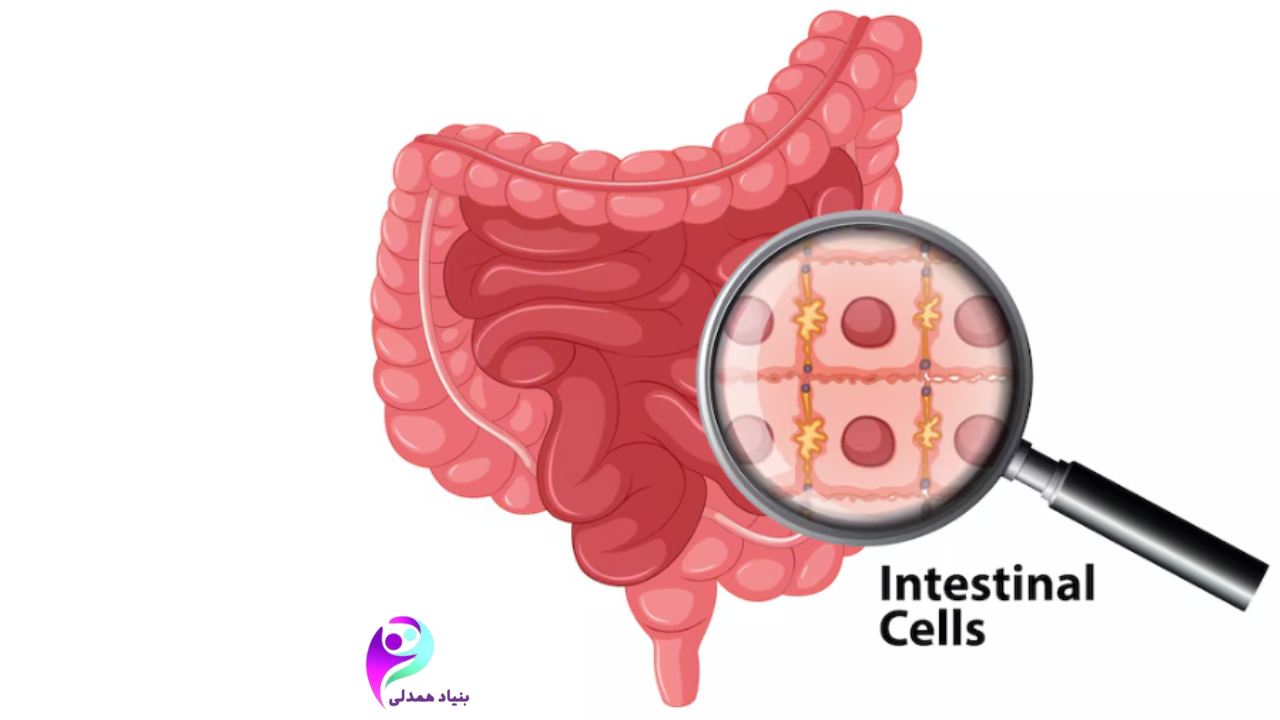
What is bowel cancer and how does it develop?
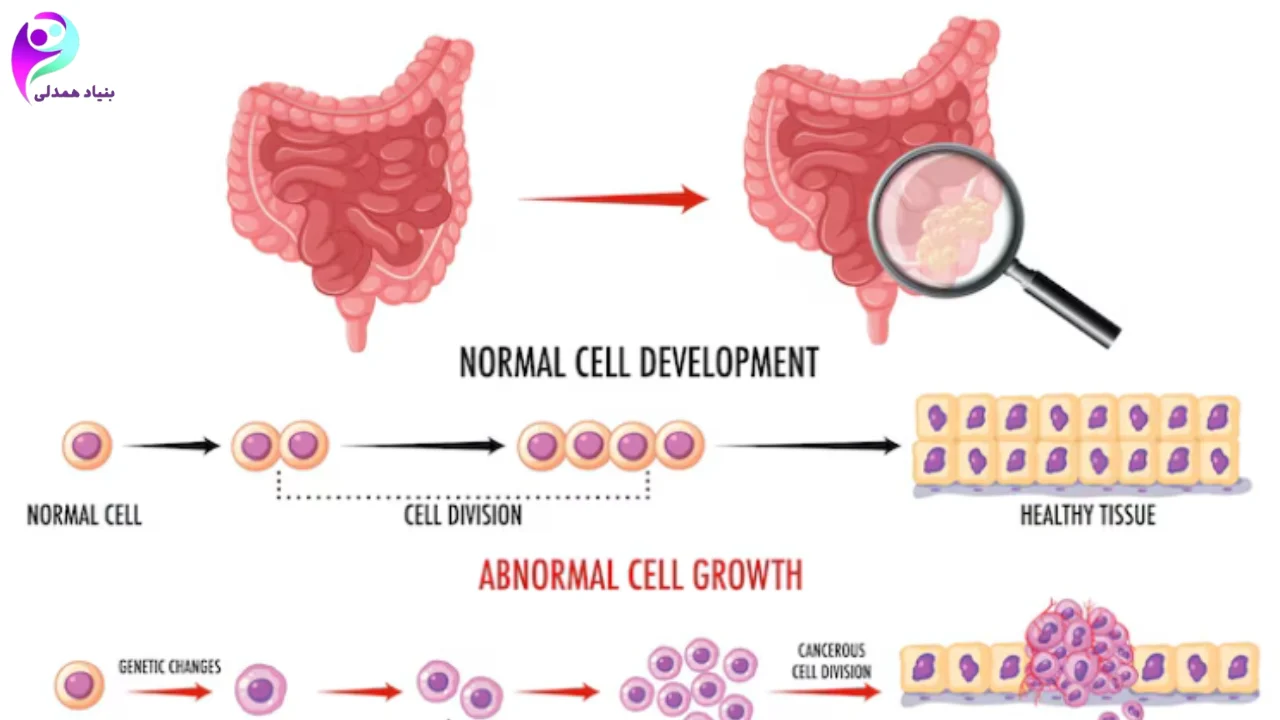
Bowel cancer usually starts as an abnormal growth of polyps (small growths in the bowel). These polyps may remain asymptomatic for years. But if they are not detected in time, they can develop into cancerous tumors.
Doctors believe:
Early detection = very high chance of cure
Late detection = more difficult treatment
Is bowel cancer curable? (Definite answer + percentage chance of recovery)
The success rate of treatment varies depending on the stage of the disease:
❗ Important note: Stage 4 does not mean the end of the road. Many patients live active, high-quality lives for years with proper treatment.
So the main question is not “Is bowel cancer curable?”
The question is:
The earlier cancer is detected, the easier, less expensive, and more successful the treatment will be.
Treatment methods for colon cancer (based on the stage of the disease)
1. Surgery (the main and most effective treatment)
If the cancer is in its early stages, the doctor can operate on the bowel and completely remove the polyp or tumor.
In stages 1 and 2, surgery alone is usually sufficient.
In some cases, surgery is supplemented with chemotherapy or radiation therapy.
2. Chemotherapy
Chemotherapy is used in the following cases:
To prevent the disease from recurring after surgery
To shrink the tumor before surgery
To control the cancer in advanced stages
3. Radiation therapy
It is most often used in colon and rectal cancer, especially when:
The tumor is attached to the surrounding walls
Surgery alone is not enough
4. Immunotherapy (treatment to boost the immune system)
It is one of the newest treatments in the world. In this method:
The body learns to find and destroy cancer cells.
5. Targeted Therapy
In this method, drugs only target cancer cells, not healthy cells.
This method is suitable for advanced stage patients.
How do we know if colon cancer is curable?
The doctor determines the stage of the disease by performing the following tests:
Colonoscopy
CT scan or MRI
Sampling (biopsy)
Blood test (CEA)
After the examination, the doctor decides:
Is surgery possible?
What type of treatment is suitable for the patient?
What is the probability of success of the treatment?
Bowel cancer symptoms that should not be ignored
If a person experiences any of the following symptoms, it is best to see a doctor:
- Change in bowel habits (constipation or prolonged diarrhea)
- Blood in the stool
- Feeling of incomplete bowel movements
- Unexplained weight loss
- Severe abdominal pain or bloating
- Extreme fatigue
❗ More than 50% of people with colon cancer have no symptoms in the early stages.
That is why screening tests (colonoscopy) are so important.
Colonoscopy: The most important method of early detection
A colonoscopy is the best way to prevent colon cancer.
Because:
The doctor detects and removes polyps before they become cancerous
The test only takes 30 to 45 minutes
Risk factors for bowel cancer
Controllable factors:
- A diet high in fat and low in fiber
- A high intake of processed meat
- Inactivity
- Being overweight
- Smoking and drinking alcohol
Uncontrollable factors:
- Older age
- A family history of bowel cancer
- Inflammatory bowel disease (Crohn’s, ulcerative colitis)
Can colon cancer come back?
Yes, it can. That’s why regular follow-up visits after treatment are so important.
A follow-up schedule usually includes:
- Blood tests every 3 months
- Annual CT scan
- Annual colonoscopy
Lifestyle after bowel cancer treatment
To prevent the cancer from coming back, patients should:
- Eat a healthy diet high in fiber
- Limit red meat intake
- Maintain a healthy weight
- Be active for at least 30 minutes a day
- Manage stress
Proper nutrition to increase the chances of healing
Good foods:
- Dark green vegetables
- Whole grains
- Olive oil
- Fish
- Healthy proteins (chicken, legumes)
Bad foods:
- Fried foods
- Fast food
- Sodas and simple sugars
The role of the family in colon cancer treatment
Underlying all medical treatments, there is one vital factor:
Hope and motivation.
Family support:
Reduces patient anxiety
Strengthens mental and emotional well-being
Increases patient cooperation in the treatment process
Sometimes a simple statement like:
“We’ll get through this together.”
It can be the starting point of a new life.
Ways to Prevent Colon Cancer (Scientific and Practical Methods)
One of the important points that is rarely talked about is that a large part of the risk of developing colon cancer is preventable.
That is, you can reduce the risk of developing it by 60% by changing your lifestyle.
Definite prevention methods:
1. High-fiber diet
The fiber in vegetables and fruits helps food move better through the intestines and flush out toxins.
High-fiber foods:
Green vegetables (spinach, broccoli)
Fruits, especially apples and pears
Whole grains: oatmeal, whole-wheat bread
2. Reduce red meat and processed meat
Processed meats such as:
Sausages
Sausages
Industrial hamburgers
They are directly linked to colon cancer due to the presence of preservatives and nitrites.
3. Regular physical activity
Regular exercise improves bowel function and regulates the immune system.
Doctors recommend:
A brisk 30-minute walk a day is enough.
4. Stress control
Long-term stress weakens the immune system and increases inflammation in the body.
Stress management strategies:
Deep breathing
Yoga
Journaling
Talking to friends and family
Misconceptions about bowel cancer
While researching this article, I came across some misconceptions that unfortunately delay people from seeing a doctor. Some of these beliefs include:
Misconceptions 1: “If there is blood in the stool, it means I have hemorrhoids, not cancer.”
Fact:
Yes, hemorrhoids may be the cause of bleeding, but bowel cancer also has the exact same symptoms.
No symptom should be ignored.
Misconceptions 2: “Bowel cancer only affects older people.”
Fact:
Although the risk of developing it increases with age, statistics show that cases of bowel cancer are increasing in people aged 30 to 45.
Misconceptions 3: “There is nothing that can be done about bowel cancer once it starts.”
Fact:
Bowel cancer is one of the most treatable cancers, and even in advanced stages, there are ways to control the disease.
The impact of mood and mind on cancer treatment
Doctors say:
50% of cancer treatment is physical and 50% psychological.
Studies have shown that patients who have a strong mood, family support, and hope:
- Feel less pain
- Get better treatment results
- Have a higher quality of life
What boosts a patient’s spirits?
Talking to a counselor
Being around uplifting people
Doing things they enjoy: books, music, art
Keeping a daily journal of their feelings
❗ Important tip for families:
Please don’t tell the patient to “stay positive!”
Instead, say:
“I’m with you. We’ll get through this together.”
This is much more powerful.
Can an unhealthy lifestyle after treatment cause the cancer to come back?
Yes.
Colon cancer is like a red light to the body saying:
“The current lifestyle is not suitable, you need to change.”
After treatment, the person needs to:
- Eat healthy food
- Be active
- Have regular checkups
Studies have shown that people who continue a healthy diet and exercise after treatment are 50% less likely to relapse.
Patient Experience (Inspiring Real Case Study)
Mr. N. was a busy 48-year-old man who had been seeing blood in his stool for a while. He thought it was hemorrhoids and didn’t care.
After seeing a doctor and having a colonoscopy, he was diagnosed with stage 2 colon cancer.
The doctor scheduled surgery that same day, and the cancer was completely removed.
After surgery, he underwent a short course of chemotherapy and has been completely healthy for 3 years now.
In his words,
“The fear of the colonoscopy is much worse than the outcome of the colon cancer. I wish I had gone earlier.”
These stories remind us that fear should not be a barrier to prevention and diagnosis.
How much does bowel cancer treatment cost in Iran?
Costs vary depending on the stage of the disease, but generally:
Important note:
Many charities and support funds offer financial assistance to low-income patients.
How to deal with the fear of bowel cancer?
Fear is natural.
But you should know:
Knowing is better than not knowing.
Stress reduction tips:
✅ Talk to a specialist
The more accurate information you have, the less fear you will have.
✅ Don’t enter the disappointing internet space
Unscientific content and bitter stories increase anxiety.
✅ Have a supportive companion
The patient does not have to go through this path alone.
Is bowel cancer fatal?
If it is detected late, yes.
But if it is detected early, it is curable.
Doctors have a famous saying:
“Bowel cancer is one of the few cancers that we can prevent before it becomes cancerous.”
Conclusion
In the early stages, colon cancer is curable.
- The key to treatment: early detection and prompt action.
- Treatment methods include surgery, chemotherapy, radiation therapy, targeted therapy, and immunotherapy.
- Lifestyle changes play an important role in preventing recurrence.
- The thing that cancer fears most is awareness and early detection.
Frequently Asked Questions about Colon Cancer Treatment
1. At what stage is colon cancer curable?
It is completely curable in stages 1 and 2.
It is controllable and manageable in stages 3 and 4.
2. Can colon cancer be cured without surgery?
In the early stages, polyps may be removed without open surgery and only with a colonoscopy.
3. Does colon cancer recur after treatment?
There is a possibility of recurrence, which is why regular follow-up is very important.
4. Does diet have an effect on colon cancer treatment?
Yes, a healthy diet increases the strength of the immune system and reduces inflammation.
Article author:Erfan
