

Support services for cancer patients | A complete guide to physical, emotional, financial and social support
Cancer is not just a medical challenge; it is a path that involves every patient and their family in different aspects of life. From physical pain to emotional stress, from treatment costs to career and family problems; all these factors show that cancer patients do not only need medicine and treatment to continue their journey.
They need support; comprehensive, continuous, and humane support.
In this article, we will fully and comprehensively examine all the support services needed by cancer patients; from psychological services to nutritional counseling, rehabilitation, financial support, awareness, the role of the family, and even community participation. This text is written so that you can publish it directly on a charity website, medical, or educational content related to cancer and get a high ranking.
The Hamdali Foundation Charity is a support group in the field of helping cancer patients, which aims to reduce treatment concerns, cover essential expenses, and boost patients’ morale. The foundation works with public donations and the participation of donors to make the treatment path easier for patients and their families. If you are interested in supporting us, you can do so through online payment, telephone contact, or online chat. Also, people who need help or advice can simply contact the foundation’s support team through these communication channels to receive the necessary guidance.
- Why are support services essential for cancer patients?
- Types of support services for cancer patients
- Psychological and emotional services
- Rehabilitation and Physical Care Services
- Social Services and Social Support
- Financial support for cancer patients
- The role of the family in supporting cancer patients
- Spiritual and Spiritual Support
- Patient and family education
- Digital and Online Support
- Supporting Children with Cancer
- Supporting families of cancer patients
- The Role of Organizations and Charities in Supporting Cancer Patients
- Support services for patients with advanced cancer
- Palliative Care
- Home Care
- Support services to improve quality of life after treatment
- The role of nutrition in strengthening the patient’s spirit and body
- The Role of Spiritual Activities in Reducing Stress
- Support Services for Children with Cancer
- Why should support services be available to everyone?
- Conclusion: Support is lifesaving
- Frequently Asked Questions about Supportive Services for Cancer Patients

Why are support services essential for cancer patients?
When someone receives a cancer diagnosis, the first reaction is usually fear, worry, and confusion. Even with the best doctor and the best treatment, a patient may lose the ability to continue on their path without emotional and social support.
Support services enable the patient to:
- Go through the treatment process with more hope
- Experience less anxiety, depression, and stress
- Better manage the side effects of treatment
- Improve their quality of life
- Don’t feel lonely
- Be able to get back to a normal life
In fact, the right support = increased chances of treatment success + increased patient strength in coping with cancer.
Types of support services for cancer patients
Support services are a broad concept and include all activities that contribute to the mental, physical, social and financial well-being of the patient. Below, we will review the most important categories with full explanations.
Psychological and emotional services
Individual Counseling
Psychotherapy is one of the most vital support services. Many patients experience shock, fear of the future, feelings of worthlessness, and even negative thoughts after hearing the word “cancer.”
In counseling sessions:
- The patient expresses their feelings
- Learns stress management techniques
- Increases self-confidence
- Coping with negative thoughts
- Gains more hope and motivation
Group therapy
Talking with people who have had similar experiences has a great impact on reducing feelings of loneliness. In these groups:
- Patients share their experiences
- Get energy from each other
- Learn practical solutions from each other
Family Emotional Support
The family is the patient’s first and most important source of strength. Educating the family on:
How to talk to the patient correctly
How to manage fear and anxiety
Creating a safe and calm environment
Is considered an essential support service.
Rehabilitation and Physical Care Services
Cancer and its treatments, such as chemotherapy, radiation therapy, and surgery, can cause many complications. Rehabilitation services help patients regain their physical strength and quality of life.
Physiotherapy
To address:
Muscle weakness
Body pain
Reduced mobility
Chronic fatigue
Physiotherapy plays a key role.
Occupational Therapy
Occupational therapy helps a patient:
Return to daily activities
Regain greater independence
Function better at home and at work
Pain Management
Cancer is one of the diseases that sometimes causes severe pain. Pain management services include:
Consultation with a pain specialist
Appropriate medication
Pain reduction techniques such as massage, physiotherapy and non-pharmacological methods
Palliative Care
Palliative care aims to reduce pain, increase comfort, and improve quality of life, and is not just for terminally ill patients; it is beneficial for all cancer patients.
Nutritional Services and Nutritional Counseling
Proper nutrition is one of the most fundamental pillars of cancer treatment. Many patients experience:
- Loss of appetite
- Weight loss
- Nausea
- Severe weakness
- due to chemotherapy.
Nutritional counseling
Depending on the type of cancer, stage of the disease, and type of treatment, the nutritionist:
Provides a specialized diet plan
Introduces necessary supplements
Identifies beneficial and harmful foods
Diet plan to increase energy
Eating light, energy-rich, vitamin-rich foods is essential to maintain a patient’s strength.
Managing Digestive Complications
A nutritionist offers practical strategies for managing nausea, constipation, diarrhea, and loss of appetite.
Social Services and Social Support
Cancer patients sometimes have limited social relationships due to long-term treatments and emotional stress. Social support helps them feel a sense of belonging again.
Return to society
Social counselors and NGOs help the patient:
Return to work or school
Participate in social activities
Rebuild relationships
Volunteer Groups
Volunteer groups provide great help to patients by:
- Visit
- Patient companionship
- Assistance with daily tasks
- Creating a friendly atmosphere
Financial support for cancer patients
Cancer treatment costs are very high; from tests and medications to therapy sessions and hospitalizations. One of the most important support services is financial support.
Charitable Donations
Charities pay a portion of the costs of patients’ treatment through crowdfunding and public donations.
Insurance Coverage
Insurance counseling is essential to provide information about:
- Medication coverage
- Payable costs
- Cost reduction methods.
Loans and living allowances
Patients who are unable to work need living allowances and interest-free loans.
The role of the family in supporting cancer patients
The family is the heart of patient support. Family education helps:
- Behave appropriately and supportively towards the patient
- Avoid hurtful and disappointing statements
- Give the patient a sense of love and security
- Better manage the patient’s medical and medication needs
A loving family connection is one of the patient’s greatest sources of energy.
Spiritual and Spiritual Support
Many patients find comfort in trust, spirituality, and connection with God. Support services include:
- Spiritual counseling sessions
- Clergy counseling
- Relaxation and meditation techniques
- Brief, non-pressured prayer and religious activities
These supports should be provided without coercion and with complete respect.
Patient and family education
Knowing what will happen during treatment, what complications may occur, and how to cope with them reduces patient fear.
Education includes:
- Explanation of treatment steps
- Learning about side effects
- Self-care methods
- How to take medications
- Warning about symptoms that should be taken seriously
Informed patient = stronger patient.
Digital and Online Support
In the modern era, many support services are delivered over the internet:
- Online psychotherapy sessions
- Online nutrition counseling
- Virtual support groups
- Cancer video tutorials
- Treatment management apps
These services are very useful for patients who cannot be physically present.
Supporting Children with Cancer
Children with cancer have special needs. Support services for them include:
- Child-centered psychotherapy
- Play therapy
- Academic support during treatment
- Fun and joy therapy
- Support for the child’s parents
Creating a happy environment for children is one of the most beautiful forms of support.
Supporting families of cancer patients
When a family member becomes ill, the whole family is under stress. Support services for the family include:
- Psychological counseling
- Coping training
- Reducing stress for caregivers
- Financial support
- Support groups for caregivers
A caregiver who maintains their mental health can better help the patient.
The Role of Organizations and Charities in Supporting Cancer Patients
Charities are the most important part of social support. They play a major role in saving patients’ lives by:
- Providing treatment costs
- Providing medicine
- Providing transportation costs
- Providing psychological services
- Educating patients and their families
Supporting them during the treatment process
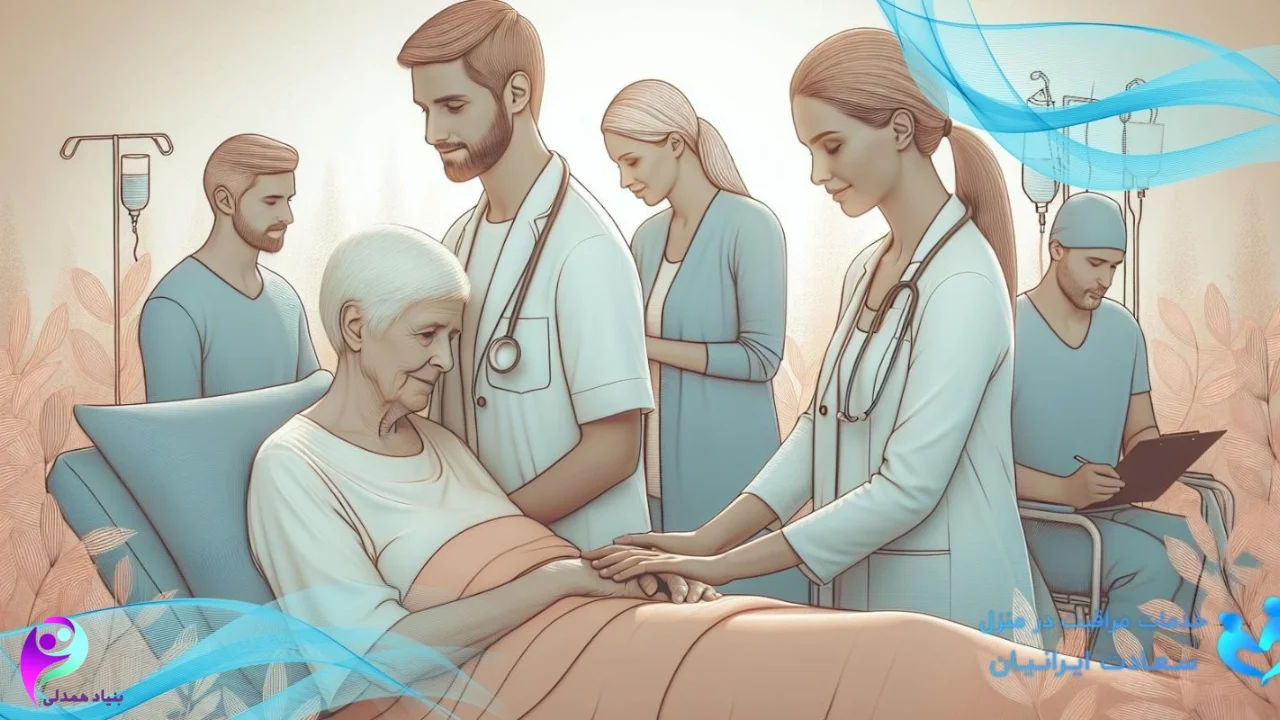
Support services for patients with advanced cancer
Although many patients recover with advanced treatments, some enter a stage where they require more specialized support. At this stage, the main goal is not just to prolong life; it is also to provide comfort, reduce pain, and maintain the patient’s human dignity.
Palliative Care
Palliative care is not just for the final days; it can also start right from the beginning of treatment and includes the following:
- Managing chronic pain
- Reducing anxiety and nightmares
- Improving sleep quality
- Controlling nausea and weakness
- Psychological counseling for the patient and family
These services are usually provided in hospitals, nursing homes, or even at home.
Home Care
Many patients prefer to spend the difficult period of illness at home and with their family. Home care services include:
- Specialized nursing
- Vital sign monitoring
- Injections and dressings
- Medication management
- Family guidance for better care
This type of service, in addition to reducing costs, provides greater comfort to the patient.
Support services to improve quality of life after treatment
Some patients face new problems after the end of treatment. The idea that “treatment is over, so the patient is completely fine” is not always true.
Dealing with the Fear of Cancer Recurrence
One of the most common challenges is the fear of cancer returning. Psychological counseling is very important for:
- Managing fear
- Strengthening a positive mindset
- Accepting reality without anxiety.
Return to social activities
Veterans of treatment should be gradually re-entered into society. Support services include:
- Training in how to manage the behavior of others
- Assistance in engaging in enjoyable activities
- Social rehabilitation programs
Job and educational support
Many patients after treatment:
- are not physically able to return to work
- need to change jobs
- are temporarily disabled
- or are students whose studies have been interrupted
Support organizations and social psychologists can:
- design a return to work plan
- negotiate with employers
- provide easier educational conditions
The importance of family support in the success of treatment
The role of the family is not limited to physical companionship. The family must:
- Have a loving and non-sympathetic relationship
- Reinforce the patient’s sense of worthlessness
- Keep the patient away from negative news
- Be there for him during emotional crises
- Seek help from a counselor for themselves
Common Mistakes Families Make
Some behaviors unintentionally hurt the patient:
- Using disappointing statements
- Comparing the patient to others
- Hiding important information
- Being overprotective and taking away the patient’s independence
Educating the family can help reduce these mistakes.
How can the family give hope?
- By talking about things the patient likes
- Encouraging small activities
- Creating a happy atmosphere at home
- Appreciating the patient’s efforts
Sometimes just a simple sentence like “We are with you” works wonders.
The role of nutrition in strengthening the patient’s spirit and body
Proper nutrition is not only for strengthening the body; it also has a direct effect on the patient’s spirit.
Immune-boosting foods
The most important include:
- Green vegetables
- Nuts and seeds
- Fatty fish
- High-calorie soups and light meals
- Fruits containing antioxidants
Foods to Eat During Chemotherapy
- Bland, low-fat foods
- Small, frequent meals
- Ample fluids
- Cool foods to reduce nausea
Family Nutritional Support
Sometimes the patient has no appetite; but the family can encourage the patient to eat by:
- Preparing favorite foods
- Simple food garnishing
- Creating a calm environment during mealtime
The Role of Spiritual Activities in Reducing Stress
Spirituality can provide relief to the patient in various forms:
- Prayer
- Meditation
- Relaxing Yoga
- Reading Motivational Books
- Soothing Music
These activities:
- Reduce anxiety
- Increase hope
- Improve sleep quality
- Reduce the patient’s sensitivity to pain.
Support Services for Children with Cancer
Children have a different world. For them, cancer is not just an illness; it is a sudden stop to play, school, and being a child.
Play Therapy
One of the best ways to reduce stress in children:
- Drawing
- Legos
- Medical Toys
- Music Therapy
Parental support
A child needs to know that he is not alone. Parents should:
- Listen to the child’s feelings
- Play with him
- Build his confidence
- Avoid scary statements
Educational support
- Charities and organizations should provide:
- Free tutoring
- Online education
- Remedial class programs
for these children.
Why should support services be available to everyone?
One of the most important challenges is inequality in access to support services. Some patients live in cities or regions with few facilities.
For healthcare equity:
- Online services should be expanded
- Charities should create a wider network
- Hospitals should create supportive care centers
- People should be encouraged to have a culture of helping
No patient should be excluded from support services because of financial or geographical circumstances.
Practical advice for patients and families
For patients
- Don’t hide your feelings
- Talk to your doctor about pain or complications
- Don’t be shy about asking for help
- Do small but enjoyable activities
- Get proper nutrition and enough sleep
For Families
- Be patient
- Don’t judge or compare
- Share caregiving responsibilities
- Get help from a counselor
- Give the patient independence
Conclusion: Support is lifesaving
Support services for cancer patients are a human, social, and therapeutic necessity.
To get through this difficult journey, a cancer patient needs:
- Emotional support
- Financial support
- Physical support
- Social support
- Spiritual support.
This support increases the quality of life and can even make the treatment process more effective. No cancer patient should be left alone on this journey.
Frequently Asked Questions about Supportive Services for Cancer Patients
1. What do supportive services for cancer patients include?
Supportive services are a set of measures that improve the patient’s quality of life during treatment. These services include psychological counseling, nutritional therapy, physiotherapy, pain management, financial support, education, home care, spiritual support, and social services. The goal of these services is to reduce stress, manage complications, and boost the patient’s morale.
2. Are supportive services only for terminally ill patients?
No. This is a common misconception. Supportive services are useful for all cancer patients at every stage of the disease; even in the early stages of diagnosis or the post-treatment period. These services help the patient cope better with the complications of treatment and increase their quality of life.
3. How important is the role of the family in supporting the patient?
Very important. The family is the patient’s most important source of emotional strength. Correct behavior, hopeful conversations, companionship in treatment sessions, and creating a calm environment reduce the patient’s anxiety. Families should also be educated on how to help without causing emotional distress.
4. Is financial support included in support services?
Yes. The costs of cancer treatment are often very high. Many patients need help from charities, insurance coverage, interest-free loans and public support. Financial support is an important part of support services and can take a huge burden off the shoulders of the patient and family.
5. How can cancer patients access support services?
Patients can access these services through hospitals, medical centers, cancer societies, charities, counseling centers, online services and volunteer groups. Many charities also offer free or low-cost services and help patients navigate the treatment process more comfortably.
Article author:Erfan

