
The best foods for colon cancer patients | Complete nutrition guide
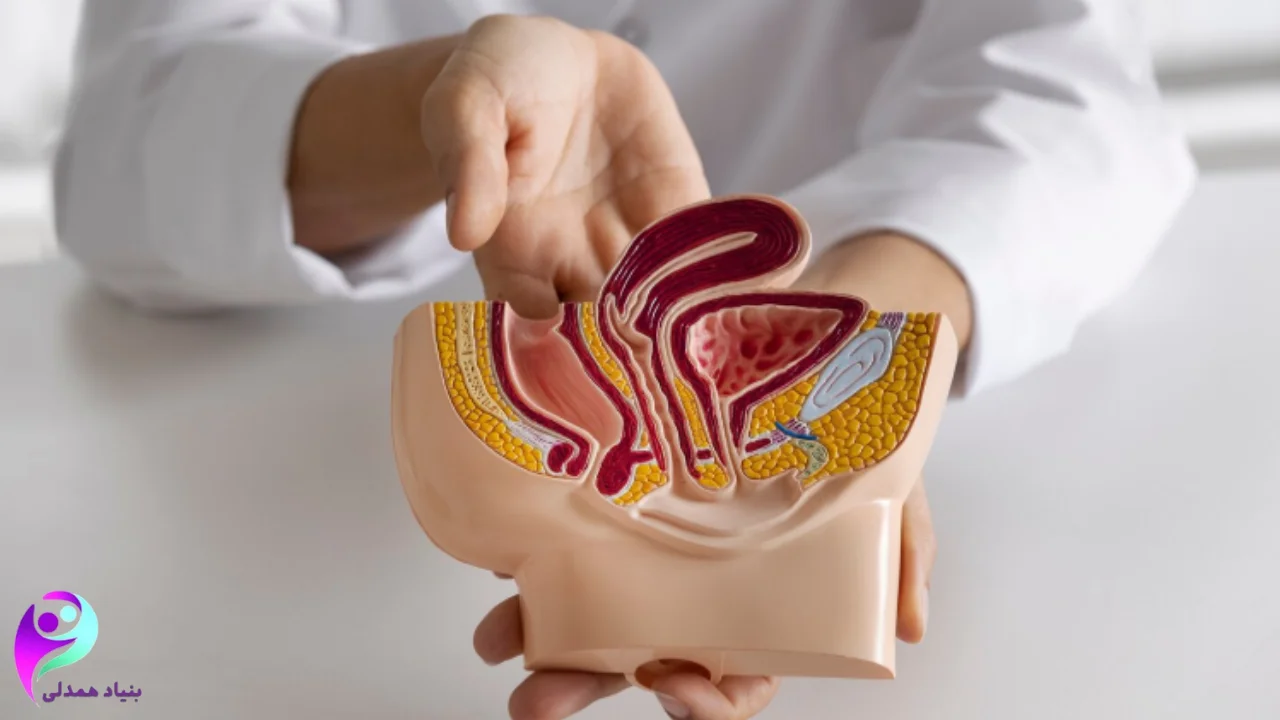
Colon cancer is one of the most common types of gastrointestinal cancer that directly affects the quality of life of patients. Treatment for this disease usually includes surgery, chemotherapy, or radiation therapy, and each of these methods can weaken the body. In these situations, proper nutrition plays a key role in strengthening the immune system, increasing physical strength, and reducing the complications of treatment.
But the main question is: What are the best foods for patients with colon cancer?
In this article, we have thoroughly introduced beneficial foods, food avoidance, expert advice, and practical tips for feeding cancer patients.
The Hamdali Foundation is a support group in the field of helping cancer patients, which aims to reduce treatment concerns, cover essential expenses, and boost patients’ morale. The foundation, with public donations and the participation of donors, tries to make the treatment path smoother for patients and their families. If you are interested in supporting them, you can do so through online payment, telephone contact, or online chat. Also, people who need help or advice can simply contact the foundation’s support team through these communication channels to receive the necessary guidance.
- The importance of nutrition in patients with colon cancer
- Main food groups for patients with bowel cancer
- Foods to limit or avoid
- The Role of Antioxidants in Cancer Patient Nutrition
- Nutritional Recommendations During Chemotherapy
- The Role of Charitable Foundations in Supporting Patients’ Nutrition
- Nutrition for Colon Cancer Patients After Surgery
- The role of fiber in the diet of colon cancer patients
- Dietary supplements and their role
- The Role of Nutritional Psychology in Cancer Patients
- Traditional Iranian Foods Beneficial for Colon Cancer Patients
- The importance of hydration in colon cancer patients
- Nutritional Tips to Increase Patients’ Energy
- Family Support in Patients’ Diet
- Other misconceptions about bowel cancer nutrition
- Summary
- Frequently Asked Questions (FAQ)
The importance of nutrition in patients with colon cancer
Proper nutrition not only helps regenerate body cells, but also has a direct impact on the speed of recovery and quality of life of patients. Reasons why proper nutrition is important:
Helps repair damaged tissues
Reduces inflammation in the intestine
Improves immune system function
Increases energy and reduces fatigue caused by treatment
Prevents severe weight loss and malnutrition
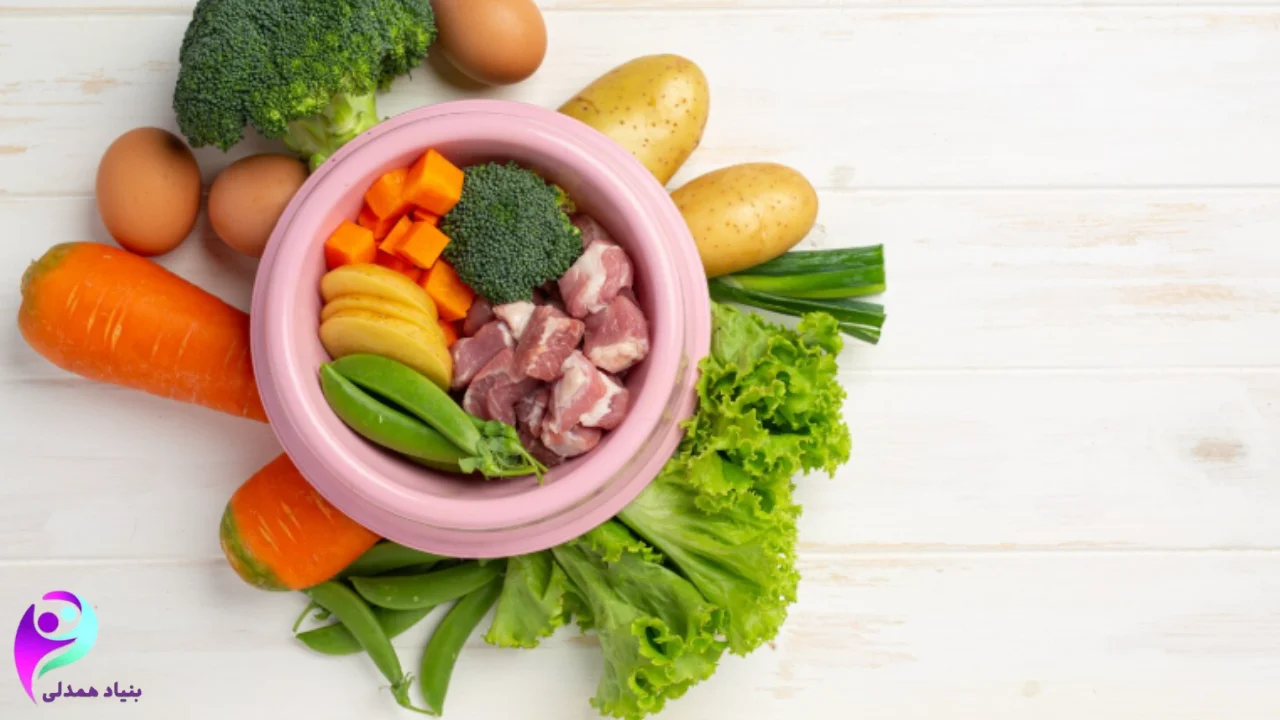
Main food groups for patients with bowel cancer
1. High-quality proteins
Proteins are essential for cell repair and fighting fatigue.
Good sources:
Skinless chicken
Fatty fish like salmon and sardines (a source of omega-3s)
Lentils, chickpeas, and beans
Eggs
Greek yogurt
2. Fresh fruits and vegetables
This category is rich in antioxidants, fiber, and vitamins.
Best choices:
Broccoli, Brussels sprouts, and cauliflower (rich in cancer-fighting compounds)
Carrots and pumpkin (a source of beta-carotene)
Berries like raspberries and blueberries (a powerful antioxidant)
Apples and pears (high in fiber)
3. Whole Grains
Whole grains help with gut health because of their soluble fiber.
Good choices:
Oatmeal
Brown bread and rice
Quinoa
Whole wheat
4. Healthy Fats
Good fats are essential for energy and reducing inflammation.
Examples:
Olive oil
Canola oil
Flax and chia seeds
Avocado
5. Drink plenty of fluids and water
Dehydration can worsen digestive problems. Drinking water, herbal teas, and natural fruit juices is recommended.
Foods to limit or avoid
While some foods are beneficial, others can worsen the condition of patients with colon cancer:
Fried and fatty foods
Processed meats (sausages, sausages)
Sugar and industrial sweets
Carbonated and alcoholic beverages
Spicy foods that irritate the intestines
The Role of Antioxidants in Cancer Patient Nutrition
Antioxidants fight free radicals and prevent cell damage.
Important Sources:
Vitamin C (citrus fruits, bell peppers)
Vitamin E (almonds, sunflower seeds)
Polyphenols (green tea, pomegranate)
Nutritional Recommendations During Chemotherapy
Patients undergoing chemotherapy often experience nausea, loss of appetite, and mouth ulcers. For these conditions:
Eat soft, pureed foods
Eat small, frequent meals
Avoid foods that are too hot or too cold
Use ginger to reduce nausea
The Role of Charitable Foundations in Supporting Patients’ Nutrition
Charities such as the Hamdali Foundation in Iran help improve the nutritional status of patients with colon cancer by providing them with healthy food packages. This support not only provides financial support but also emotional support.
Nutrition for Colon Cancer Patients After Surgery
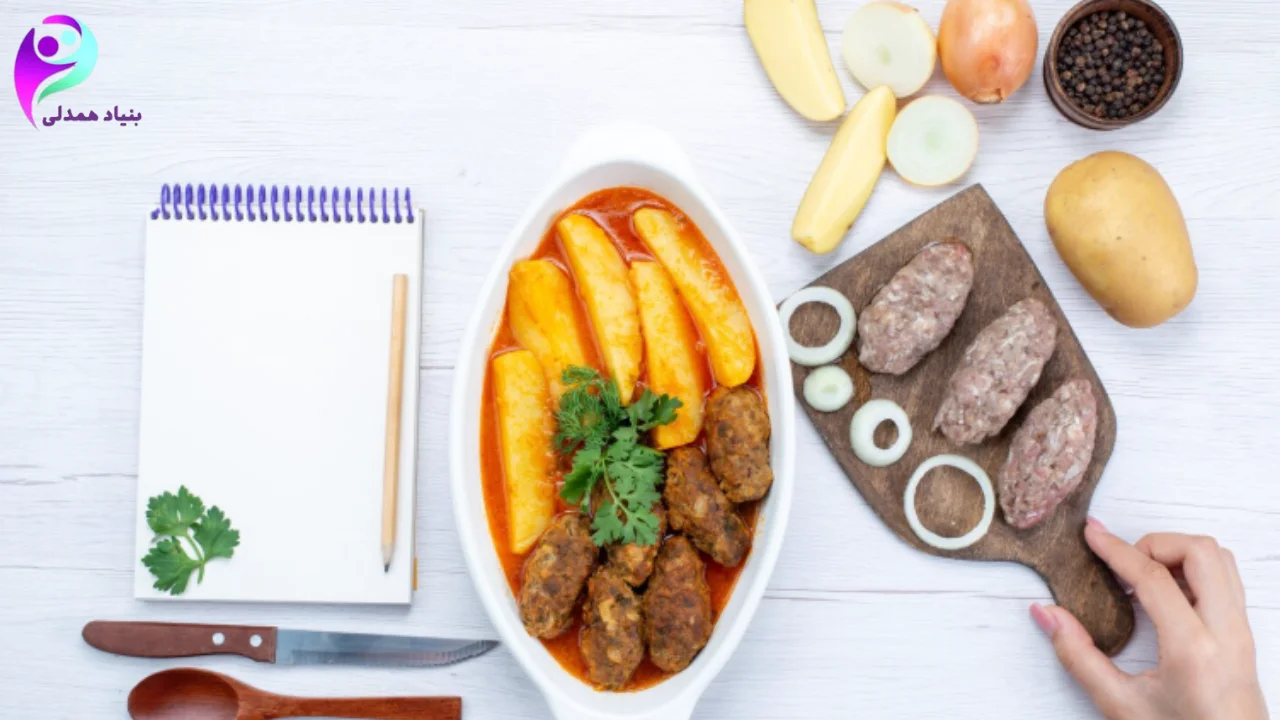
Many patients require surgery during the treatment process. Bowel surgery can cause significant changes in digestion and absorption of nutrients. Therefore, the diet at this stage should be designed in a way that puts the least amount of strain on the digestive system.
Important recommendations:
Start with soft foods such as vegetable soup and mashed potatoes
Eat small but frequent meals to prevent pressure on the intestines
Avoid raw and gassy vegetables such as cabbage or beans in the early days
Gradually increase soluble fiber (such as oatmeal) after partial recovery
This method helps the patient slowly regain their digestive power and prevent malnutrition.
The role of fiber in the diet of colon cancer patients
Fiber is one of the most important parts of a healthy diet, but it should be consumed carefully in colon cancer patients.
Soluble fiber (such as oats, apples, carrots) helps improve bowel movements and acts more gently.
Insoluble fiber (such as wheat bran, corn) may cause bloating or diarrhea during sensitive periods and should be limited.
The best approach is to choose soluble fibers and add them to the diet gradually.
Dietary supplements and their role
Some patients cannot get all the nutrients they need from food due to decreased appetite or digestive problems. In these cases, the doctor may prescribe supplements.
Vitamin D and calcium supplements to prevent osteoporosis in patients undergoing treatment
Omega-3 to reduce inflammation and boost immunity
Probiotics to improve intestinal flora and reduce digestive problems
Light multivitamins to provide micronutrients
⚠️ Important note: Supplements should be taken under the supervision of a doctor, as arbitrary use may cause side effects.
The Role of Nutritional Psychology in Cancer Patients
Often, patients’ main problem is not just physical; fear, anxiety, and depression can cause their appetite to decrease. In these situations, creating a calm and pleasant environment for eating is important.
Serving food in a calm and stress-free environment
Preparing foods with attractive colors and flavors
Encouraging the patient to eat with family or friends
Using natural aromas (such as cinnamon and mint) to stimulate appetite
These methods can help patients eat more willingly and enjoy eating as part of the treatment process.
Traditional Iranian Foods Beneficial for Colon Cancer Patients
Many Iranian foods are rich in nutrients and can be included in the diet of cancer patients.
Barley soup: soft, rich in soluble fiber and soothing for the intestines
Vegetable soup with lentils: a source of vegetable protein and antioxidants
Yogurt and cucumber with dill: cool, light and probiotic
Grilled or steamed fish: rich in omega-3 and healthy protein
Almond puree: strengthening and suitable for patients with poor appetite
These foods are simple, easily digestible and give the patient enough energy.
The importance of hydration in colon cancer patients
Lack of fluids is a common problem in cancer patients, especially when there is diarrhea or constipation due to treatment.
Drink 8 to 10 glasses of water daily
Use mild herbal teas (such as chamomile and ginger)
Natural juices such as pomegranate juice, apple juice and carrot juice
Thin soups as a dual source of water and nutrients
Keeping the body hydrated helps greatly in improving bowel function and reducing treatment complications.
Nutritional Tips to Increase Patients’ Energy
Many patients complain of constant fatigue. To increase energy:
Eat complex carbohydrates such as brown rice and oatmeal
Incorporate protein with every meal
Avoid artificial sweeteners that cause sudden drops in blood sugar
Use nuts and dried fruits as nutritious snacks
Family Support in Patients’ Diet
Family support is an integral part of the patient’s nutrition process. Many patients are more motivated to follow their diet when they see family members eating healthy foods with them.
Preparing healthy meals for the whole family
Participating in meals
Encouraging them to try new foods
Attention to the patient’s food preferences to increase their appetite
Other misconceptions about bowel cancer nutrition
❌ “Cancer patients should only drink liquids.” → Not true; the body needs protein and solids.
❌ “The more fiber we eat, the better.” → Excessive consumption of insoluble fiber can put pressure on the intestines.
❌ “Energy drinks give the body a boost.” → They are often full of caffeine and sugar and are considered harmful.
❌ “Supplements can replace food.” → Supplements only play an auxiliary role, and food should be the main source.
Summary
Proper nutrition is an integral part of treating patients with colon cancer. The best foods for these patients include healthy proteins, fresh fruits and vegetables, whole grains, and healthy fats. In contrast, processed, fried, and sugary foods should be eliminated.
By following these principles, patients can have more energy and stamina and improve their quality of life.
Frequently Asked Questions (FAQ)
1. Can patients with colon cancer consume dairy products?
Yes, but it is better to use low-fat dairy products with probiotics, such as Greek yogurt.
2. What is the best drink for colon cancer patients?
Water, mild herbal teas (chamomile, mint), and natural fruit juices are the best choices.
3. Is red meat prohibited?
Limited and lean consumption is okay, but processed meats should be eliminated.
4. When should patients use dietary supplements?
Only in case of a specific deficiency and with a doctor’s prescription, because arbitrary consumption can be dangerous.
The author of the article:Erfan

