

Preventing bowel cancer؛A way to maintain health and peace in life
Colon cancer is one of the most common types of cancer worldwide, affecting many people every year. But the good news is that in many cases, the disease can be prevented or significantly reduced by following a few simple lifestyle principles. Awareness of risk factors, proper nutrition, regular physical activity, and periodic screenings are the most important steps to prevent colon cancer.
In this article, we will comprehensively examine what factors cause colon cancer, what changes can reduce the risk of developing it, and how you can build a healthier future with smarter choices.
The Hamdali Foundation is a support group in the field of helping cancer patients, which aims to reduce treatment concerns, cover essential expenses, and boost patients’ morale. The foundation works with public donations and the participation of donors to make the treatment path smoother for patients and their families. If you would like to support, you can do so through online payment, telephone contact, or online chat. Also, those who need help or advice can simply contact the foundation’s support team through these communication channels to receive the necessary guidance.
- What is bowel cancer and how does it develop?
- Risk factors for colon cancer
- The Role of Nutrition in Bowel Cancer Prevention
- Healthy lifestyle to prevent bowel cancer
- The importance of screening and early detection
- The role of vitamins and minerals in preventing colon cancer
- The effect of sufficient water on intestinal health
- The connection between obesity and intestinal cancer
- Mediterranean Diet; The Best Choice for Colon Cancer Prevention
- Final tips for a healthy gut
- The Role of Probiotics in Colon Cancer Prevention
- The Role of Exercise in Reducing Inflammation and Preventing Cancer
- The Importance of Mental Health in Preventing Colon Cancer
- The effect of adequate sleep on bowel function
- The role of genetics and diagnostic tests
- The Impact of an Anti-Inflammatory Diet on Cancer Prevention
- The role of natural juices in maintaining intestinal health
- Bowel cancer prevention in women and men; differences
- The role of sunlight in intestinal health
- Foods to Limit
- The Role of Charitable Foundations and Education in Cancer Prevention
- Conclusion
- Frequently Asked Questions About Colon Cancer Prevention
What is bowel cancer and how does it develop?
Bowel cancer, also known as colorectal cancer, is caused by the abnormal growth of cells in the large intestine or rectum. These abnormal cells may first appear as small polyps and, if left untreated, can develop into cancerous masses.
Genetic changes, an unhealthy diet, lack of exercise, and environmental factors are among the main reasons for the growth of cancerous cells in the bowel. Fortunately, if detected early, treatment for this type of cancer is very successful.
Risk factors for colon cancer
To prevent colon cancer, we must first become familiar with its risk factors. These factors are divided into two categories:
unchangeable factors such as age and family history, and controllable factors such as nutrition and lifestyle.
Non-modifiable factors:
Old age: The risk of developing it increases after the age of 50.
Family history of cancer: Having a first-degree relative with colon cancer increases the risk.
Inflammatory bowel diseases: Such as ulcerative colitis and Crohn’s.
Controllable factors:
Unhealthy diet: High consumption of red meat, saturated fats and processed foods.
Inactivity: Lack of regular physical activity.
Smoking and alcohol: The most important factors that increase the risk of developing it.
Obesity: The accumulation of fat in the abdominal area is one of the important risk factors.

The Role of Nutrition in Bowel Cancer Prevention
A healthy diet is one of the most effective ways to prevent bowel cancer. Choosing the right foods can improve the functioning of the digestive system and inhibit the growth of abnormal cells.
1. Eat plenty of fiber
Fiber helps maintain normal bowel movements and helps eliminate waste from the body more quickly.
Great sources of fiber:
Vegetables, whole grains, fruits, legumes, and whole grains.
2. Cut down on red meat and processed foods
Studies have shown that high consumption of red meat, especially processed meats like sausage and hot dogs, is associated with an increased risk of bowel cancer. It is better to replace these foods with plant-based proteins like lentils, beans, and soy.
3. Eat healthy fats
Olive oil, avocados, fatty fish (such as salmon), and nuts are rich in omega-3 fatty acids, which have anti-inflammatory properties.
4. Eat Colorful Vegetables
Vegetables like broccoli, spinach, carrots, and beets contain antioxidants that fight free radicals and protect the body’s cells from damage.
Healthy lifestyle to prevent bowel cancer
Lifestyle has a direct impact on bowel health. Changing daily habits can increase the body’s defenses and prevent the growth of cancer cells.
Regular exercise
Daily exercise, even a 30-minute walk, improves blood flow and bowel function. Physical activity helps regulate weight and reduces inflammation in the body.
Enough sleep
Lack of sleep weakens the immune system and increases the risk of cancer. At least 7 hours of sleep per night is recommended.
Stress management
Chronic stress can lead to increased inflammation in the body and impaired immune function. Relaxation techniques such as yoga, deep breathing and meditation are very useful.
Quitting smoking and alcohol
Smoking and alcohol consumption are among the most important risk factors. Quitting them not only reduces the risk of bowel cancer but also the risk of other cancers.
The importance of screening and early detection
Screening for colon cancer is one of the most effective methods of prevention. In this method, any polyps or abnormal changes can be identified and treated by examining the condition of the intestine before symptoms appear.
Common screening methods:
- Colonoscopy: The most accurate method of diagnosis.
- Stool test to detect hidden blood.
- Sigmoidoscopy: Examination of the lower part of the large intestine.
These tests are recommended from the age of 45 (or earlier for high-risk individuals).
The role of vitamins and minerals in preventing colon cancer
Certain vitamins and minerals can play a protective role against the growth of cancer cells.
Vitamin D: Reduces inflammation and regulates cell growth.
Calcium: Neutralizes carcinogenic compounds in the intestine.
Folate (B9): Helps repair DNA and prevent genetic mutations.
Selenium and zinc: Powerful antioxidants to strengthen the immune system.
The effect of sufficient water on intestinal health
Drinking sufficient water helps food to be digested better and toxins to be flushed out of the body. Lack of water can cause constipation and accumulation of harmful substances in the intestines, which in the long term increases the risk of cancer.
The connection between obesity and intestinal cancer
Obesity, especially in the abdominal area, is associated with increased levels of insulin and inflammatory hormones in the body. This condition provides a suitable environment for the growth of cancer cells.
Weight loss through a healthy diet and regular exercise can reduce the risk of developing it by 30%.
Mediterranean Diet; The Best Choice for Colon Cancer Prevention
The Mediterranean diet includes plenty of vegetables, fruits, whole grains, olive oil, and fish and is known as one of the healthiest diets.
This diet directly protects the gut by reducing inflammation, improving immune function, and controlling weight.
Final tips for a healthy gut
Eat at least 5 servings of fruits and vegetables a day.
Avoid high intake of simple sugars and processed foods.
Get screened annually.
Include probiotic yogurt and fermented foods in your diet.
See your doctor immediately if you notice any changes in bowel function (constipation, chronic diarrhea, or blood in your stool).
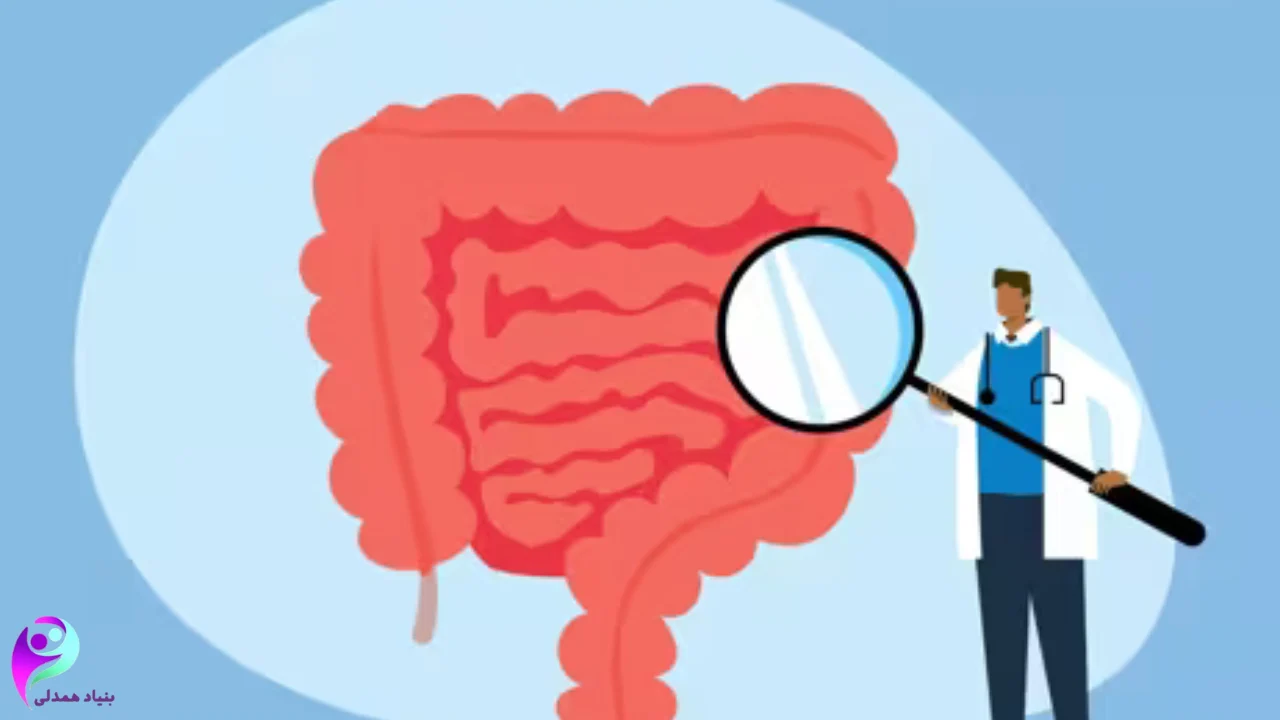
The Role of Probiotics in Colon Cancer Prevention
Probiotics are beneficial bacteria that live in the intestines and help maintain a healthy digestive system. These bacteria maintain the microbial balance in the intestines and prevent the growth of harmful bacteria. Research has shown that regular consumption of probiotics can prevent colon cancer by reducing inflammation, strengthening the immune system, and neutralizing carcinogenic compounds.
Natural sources of probiotics:
- Natural yogurt and buttermilk without additives
- Kefir (a fermented dairy drink)
- Homemade and natural pickles
- Fermented vegetables such as sauerkraut
Combining probiotics with dietary fibers (prebiotics) such as garlic, onions, and bananas multiplies their protective effects.
The Role of Exercise in Reducing Inflammation and Preventing Cancer
Exercise is not just for weight control; it also prevents the growth of abnormal cells by reducing inflammation and improving immune system function.
Regular exercise increases blood flow in the intestines and eliminates waste faster, which prevents the accumulation of toxins and the occurrence of genetic mutations.
Tips for starting a healthy physical activity routine:
- 30 minutes of daily walking or light jogging
- Yoga and stretching to reduce stress
- Swimming or cycling to increase endurance
- Resistance training twice a week to strengthen muscles
Even if you’re short on time, walking at work or taking the stairs can be a good start.
The Importance of Mental Health in Preventing Colon Cancer
Mental health has a direct impact on physical health. Chronic stress can create inflammation in the body and weaken the immune system, paving the way for cancer cells to grow.
In today’s world, learning how to manage stress is a vital step in cancer prevention.
Simple ways to reduce stress:
- Doing gentle breathing exercises
- Listening to soft music
- Meditation and yoga
- Spending time with family or nature
Creating mental peace not only maintains the health of the soul, but also makes the body more resistant to diseases.
The effect of adequate sleep on bowel function
Insufficient or poor-quality sleep disrupts cell repair and increases levels of inflammatory hormones in the body. This can increase the risk of bowel cancer in the long term.
People who sleep less than 6 hours a night are 20 to 30 percent more likely to develop digestive cancers, according to studies.
To get quality sleep:
- Go to bed at a specific time every night.
- Don’t use your cell phone or TV before bed.
- Keep your bedroom dark and cool.
- Reduce caffeine intake in the evening and at night.
The role of genetics and diagnostic tests
If a family member has had colon cancer, it is better to undergo genetic counseling. Some genetic mutations such as APC, MLH1 and MSH2 can increase the risk of developing it.
By performing genetic tests, the likelihood of developing cancer can be predicted and preventive measures can be started earlier.
People at high risk should undergo colonoscopy every 3 to 5 years from a young age to detect any abnormal changes in the intestine at an early stage.
The Impact of an Anti-Inflammatory Diet on Cancer Prevention
Chronic inflammation is a major driver of cancer cell growth. Consuming anti-inflammatory foods can inhibit this process.
Effective anti-inflammatory foods:
Turmeric (contains curcumin)
Fresh ginger
Fatty fish such as salmon and tuna
Green leafy vegetables
Fruits such as strawberries, blueberries and pomegranates
On the other hand, fried foods, high sugar and industrial drinks should be avoided.
The role of natural juices in maintaining intestinal health
Natural juices are rich in antioxidants and vitamins and help the digestive system function better.
The best juices for intestinal health:
- Carrot juice (rich in beta-carotene)
- Pomegranate juice (anti-inflammatory and antioxidant)
- Beetroot juice (increases blood flow in the intestines)
Green apple juice (improves bowel movements and reduces constipation)
It is recommended to consume juices fresh and without added sugar.
Bowel cancer prevention in women and men; differences
Although bowel cancer occurs in both sexes, the risk pattern is different in men and women.
In men, abdominal obesity, alcohol consumption, and red meat are the main risk factors.
In women, hormonal changes and vitamin D deficiency play a more prominent role.
For this reason, prevention programs should be tailored to gender to be more effective.
The role of sunlight in intestinal health
Sunlight is the main source of vitamin D, which is effective in strengthening the immune system and preventing the growth of cancer cells.
20 minutes of exposure to sunlight per day can meet the body’s need for this vitamin.
However, in cold seasons or low-light areas, taking vitamin D supplements under the supervision of a doctor is recommended.
Foods to Limit
To maintain gut health and prevent cancer, some foods should be reduced in the daily diet:
- Smoked and processed meats
- Fried foods with industrial oils
- Sodas and artificial sugars
- White flour and industrial breads
- High salt
Reducing the consumption of these foods helps maintain the balance of beneficial gut bacteria and better digestive system function.
The Role of Charitable Foundations and Education in Cancer Prevention
One of the most important aspects of combating cancer is increasing public awareness. Charitable foundations such as the Hamdali Foundation, through educational workshops and awareness programs, educate people about the importance of healthy eating, cancer screening, and prevention.
These types of activities not only increase public awareness but also motivate individuals to take care of their health.
Conclusion
Preventing bowel cancer may seem difficult at first, but the truth is that it can be prevented by changing your lifestyle and following a few simple habits. A healthy diet, regular exercise, quitting smoking, getting enough sleep and regular screenings are the keys to a healthy and cancer-free life.
Prevention is always better than cure. Awareness and attention to bowel health not only reduces the risk of cancer, but also improves your quality of life.
Frequently Asked Questions About Colon Cancer Prevention
1. What is the most effective way to prevent colon cancer?
The most effective way is to combine several healthy habits; including a diet rich in fiber, eating fresh fruits and vegetables, exercising regularly, quitting smoking, and having regular colonoscopies. These measures can reduce the risk of developing the disease by more than 50%.
2. At what age should colon cancer screening begin?
For people with no family history, screening is recommended to begin at age 45. However, if there is a family or genetic history, it is better to have a colonoscopy at age 35 or even 30.
3. Can a plant-based diet prevent colon cancer?
Yes, a plant-based diet is rich in fiber, antioxidants, and anti-inflammatory substances that help maintain a healthy colon. Foods such as legumes, leafy green vegetables, seeds, and nuts can reduce the risk.
4. What foods increase the risk of developing colon cancer?
Consumption of processed red meat (such as sausages and sausages), fried foods, high sugar and industrial drinks are important factors that increase the risk of bowel cancer. It is better to minimize these substances.
5. Does dairy consumption have an effect on the prevention of bowel cancer?
Some research has shown that moderate consumption of dairy products, especially probiotic yogurts, can reduce the risk of bowel cancer because it balances the intestinal microflora and strengthens the immune system.
Author of the article:Erfan

