
Nutrition during chemotherapy for colon cancer | A complete nutrition guide to reduce side effects, increase energy, and strengthen the immune system
Chemotherapy is one of the main methods of treating colon cancer, but at the same time it can have a great impact on the body and digestive system. During this period, patients often experience loss of appetite, nausea, diarrhea, general weakness and changes in the taste of food. In such situations, proper nutrition can act as a complementary treatment and accelerate the recovery process.
In this article, we will comprehensively examine the principles of nutrition during colon cancer chemotherapy, appropriate foods, harmful foods, beneficial drinks and a suggested diet plan.
The Hamdali Foundation Charity is a support group in the field of helping cancer patients, which aims to reduce treatment concerns, cover essential expenses and boost the morale of patients. This foundation, with public donations and the participation of donors, tries to make the treatment path smoother for patients and their families. If you are interested in supporting, you can do so through online payment, telephone contact or online chat. Also, people who need help or advice can easily contact the foundation’s support team through these communication channels to receive the necessary guidance.
- The importance of nutrition during chemotherapy for colon cancer
- General principles of nutrition during chemotherapy
- Useful foods for patients during chemotherapy for colon cancer
- Proper nutrition to cope with chemotherapy side effects
- Useful drinks during chemotherapy for colon cancer
- Golden tips for the diet of chemotherapy patients
- Foods to avoid
- Mental and emotional nutrition during chemotherapy
- The effect of chemotherapy on the digestive system and the role of nutrition in controlling it
- The Role of Nutrition in Strengthening the Immune System of Chemotherapy Patients
- Foods to help strengthen the gut and improve nutrient absorption
- The Role of the Mind in Nutrition for Chemotherapy Patients
- Simple strategies to boost your food morale:
- Useful nutritional supplements during chemotherapy
- Practical advice for families of chemotherapy patients
- Conclusion
- Frequently Asked Questions About Nutrition During Colon Cancer Chemotherapy
The importance of nutrition during chemotherapy for colon cancer
During chemotherapy, cancer patients’ bodies face oxidative stress, a decrease in white blood cells, loss of appetite, and intestinal inflammation. For this reason, every meal should be rich in vitamins, protein, and antioxidants.
Proper nutrition during this period helps to:
Maintain the body’s energy.
Strengthen the immune system.
Reduce the side effects of chemotherapy.
Prevent weight loss and muscle wasting.
Ensure the body’s ability to fight infections.
General principles of nutrition during chemotherapy
For patients with colon cancer, nutrition should be adjusted based on the condition of the digestive system and individual tolerance. The general principles are:
1. Small and frequent meals
Instead of three heavy meals, the patient should eat 5 to 6 small meals a day to avoid stomach irritation and provide energy to the body.
2. Avoid fatty and fried foods
Fatty foods cause nausea and bloating and disrupt digestive function. Using methods such as steaming, boiling or grilling is much better.
3. Drink enough water
Consuming water and fluids prevents dehydration and helps eliminate toxins caused by chemotherapy drugs. Drinking water between meals (not with meals) is recommended.
4. Choose soft and digestible foods
Vegetable soup, mashed potatoes, white rice, and natural yogurt are good choices for patients with intestinal ulcers or nausea.
Useful foods for patients during chemotherapy for colon cancer
Here are the most important food groups and their effects on the patient’s body:
1. High-quality proteins
Protein is essential for tissue repair and maintaining muscle mass.
The best sources of protein for patients include:
Skinless chicken
Steamed fish
Boiled eggs
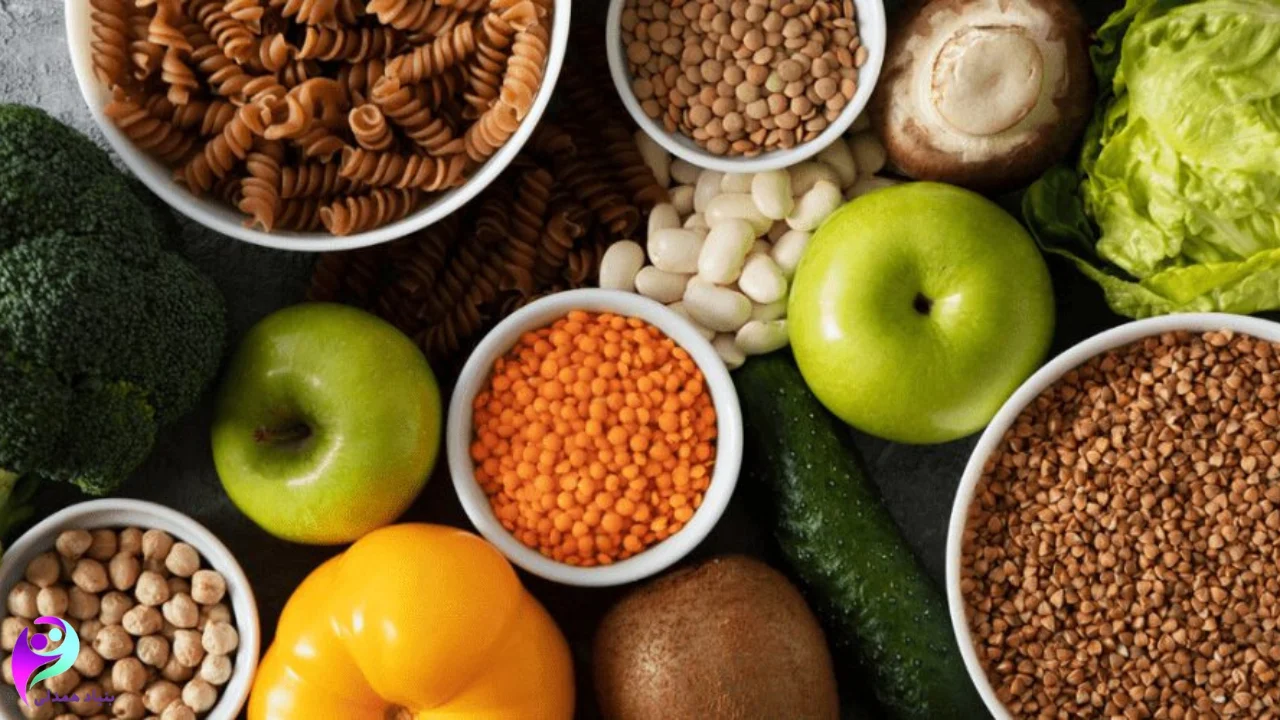
Soft-cooked lentils and beans
Greek yogurt and low-fat cheese
2. Complex carbohydrates
Complete carbohydrates are the main source of energy and help stabilize blood sugar.
Brown rice
Whole grain bread
Oatmeal
Baked potatoes or pumpkin
3. Healthy fats
Unsaturated fats are useful for reducing inflammation in the body.
Suggested sources:
Extra virgin olive oil
Sesame oil
Nuts such as walnuts and almonds (if tolerated)
Avocado
4. Antioxidant-rich fruits and vegetables
This food group protects the body against cell damage caused by medications.
Useful fruits and vegetables for patients:
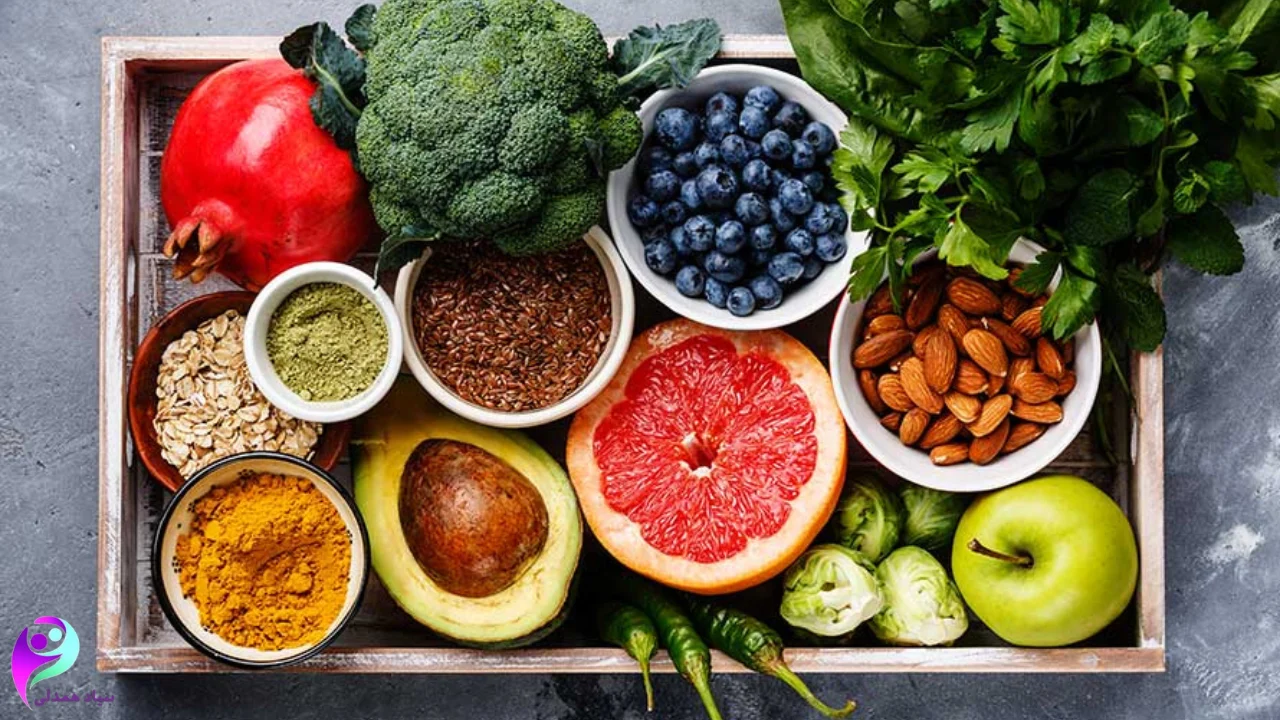
Apples, carrots, broccoli, cabbage, beets, spinach and oranges.
It is recommended that fruits be consumed in puree or smoothie form so that the digestive system can digest them more easily.
Proper nutrition to cope with chemotherapy side effects
1. For nausea
Fresh ginger or ginger tea, plain biscuits, dry and cold foods can reduce nausea.
2. For diarrhea
Low-fiber foods such as white rice, baked potatoes, and toast are beneficial. Acidic fruits and heavy dairy products should be avoided.
3. For constipation
In case of constipation, drinking plenty of water, cooked vegetables, prunes, and whole grains are recommended.
4. To reduce appetite
Fragrant foods, small but frequent meals, and eating colorful and attractive foods stimulate the appetite.
Useful drinks during chemotherapy for colon cancer
Mineral or purified water
Natural coconut water
Ginger, chamomile or mint tea
Natural fruit juice without sugar
Fruit smoothie with Greek yogurt
These drinks keep the body hydrated and help eliminate toxins.
Vitamins and minerals needed by patients during chemotherapy
Vitamin D
Helps boost immunity and absorb calcium. Sources: Salmon, egg yolks, and sunlight.
Vitamin C
Effective in tissue regeneration. Sources: Citrus fruits, kiwi, bell peppers.
Iron and zinc
Essential for preventing anemia and helping repair tissues. Sources: Lean red meat, legumes, and nuts.
Selenium
A powerful antioxidant that protects cells. Sources: Sunflower seeds, eggs, and garlic.
Golden tips for the diet of chemotherapy patients
Avoid hot and spicy foods.
Maintain oral hygiene to prevent mouth ulcers from worsening.
Eat meals in a calm and stress-free environment.
If you are very tired, ask your family to help prepare the food.
Include a little protein in each meal to reduce muscle loss.
Foods to avoid
Processed meats such as sausages
Fried and fast foods
Carbonated and caffeinated drinks
Very sweet foods
High-fat dairy products if you have diarrhea
Mental and emotional nutrition during chemotherapy
In addition to physical nutrition, mental nutrition is also very important. Patients should pay attention to their feelings, eat with their family, and use music or prayer to calm the mind. Stress can reduce appetite, so staying calm is part of the treatment.
The effect of chemotherapy on the digestive system and the role of nutrition in controlling it
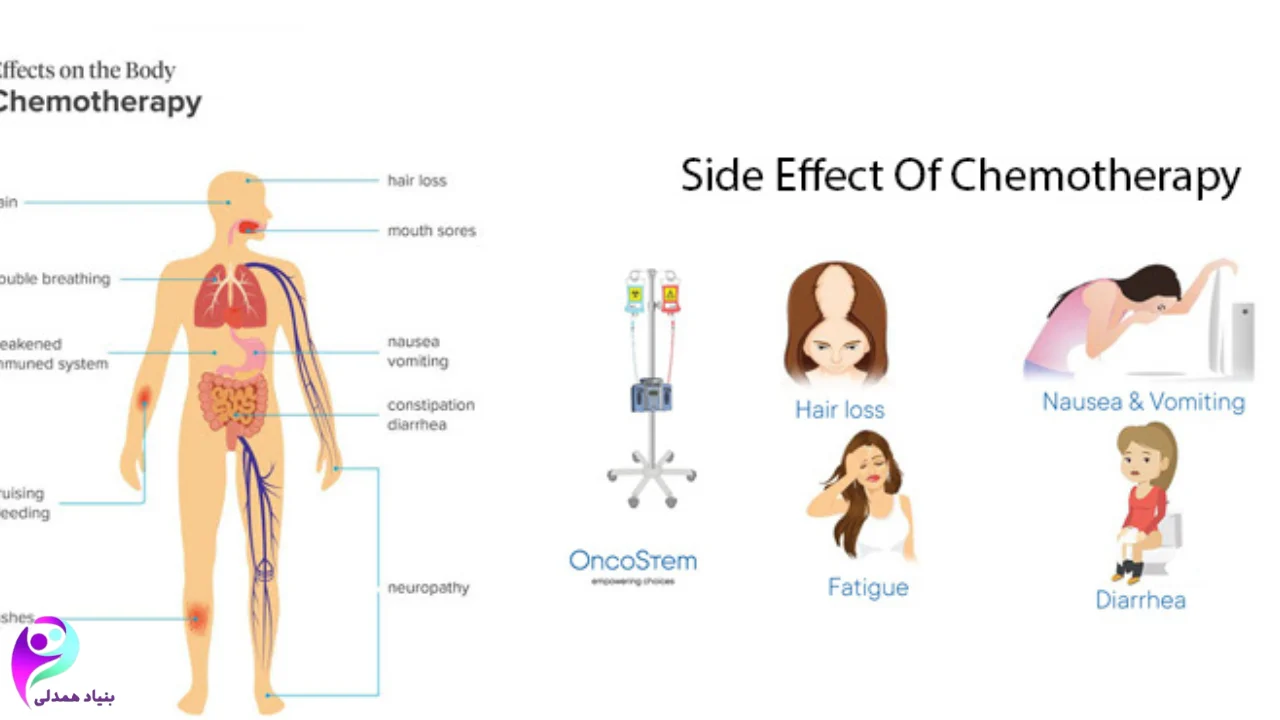
Chemotherapy drugs are designed to kill cancer cells, but at the same time they can affect healthy cells, especially in the walls of the intestines, stomach and mouth. This can cause problems such as nausea, changes in the taste of the mouth, mouth ulcers, constipation or diarrhea. In such situations, basic nutrition can act as a protective shield and support the body.
1. Take care of your intestines
Since colon cancer is directly related to the digestive system, it is important to eat bland, anti-inflammatory foods. For example:
Boiler soup and softened rice can reduce intestinal irritation.
Rice water or carrot puree can help stabilize bowel movements in case of diarrhea.
Probiotic yogurt can also restore beneficial bacteria and improve bowel function.
2. Control nausea and changes in taste
One of the most common side effects of chemotherapy is nausea and changes in taste. Many patients report that they feel a metallic or bitter taste in their mouth. At this time:
Using plastic spoons and forks instead of metal ones can help.
Cold or lukewarm foods cause less nausea.
Mildly acidic fruits such as sweet oranges or tangerines refresh the taste in the mouth.
3. Maintaining Body Weight
Many patients experience unwanted weight loss during chemotherapy. To prevent this from happening:
Eat small, high-calorie meals.
Adding olive oil, avocado, or almond meal to your meals can provide extra energy.
If you have a loss of appetite, try a nutritious smoothie made with almond milk, banana, oatmeal, and peanut butter.
The Role of Nutrition in Strengthening the Immune System of Chemotherapy Patients
The immune system of cancer patients is weakened due to the effects of chemotherapy drugs, so it is vital to receive essential nutrients for cell regeneration.
Immune-boosting food sources
Cooked chicken and fish: Rich in protein and zinc for cell repair.
Colorful fruits (berries, pomegranates, oranges): Full of antioxidants to fight free radicals.
Garlic and ginger: Have natural anti-inflammatory and antiviral properties.
Leafy green vegetables: Such as spinach and broccoli for iron and folate.
Foods to help strengthen the gut and improve nutrient absorption
During chemotherapy, nutrient absorption may be reduced. As a result, it is important to consume foods that help rebuild the intestinal wall:
Bone broth: Contains gelatin and collagen to repair intestinal tissues.
Oatmeal: A source of soluble fiber to feed beneficial intestinal bacteria.
Baked or mashed apples: Soft, anti-inflammatory and rich in pectin.
Natural yogurt and kefir: Contains probiotics to restore the intestinal microflora.
Nutrition after each chemotherapy session
After each chemotherapy session, the body needs rest and recovery. Nutrition during this time should help boost energy and reduce inflammation.
Suggested post-chemotherapy program:
Half an hour after treatment: Drink water or coconut water to stay hydrated.
Main meal: Vegetable soup with lentils and a little soft rice to rebuild the body.
Snack: Fruit smoothie with yogurt or applesauce and banana.
Before bed: Almond milk or soothing chamomile tea.
This pattern reduces nausea, provides energy, and speeds up the process of cell regeneration.
The Role of the Mind in Nutrition for Chemotherapy Patients
The mind-body connection in cancer treatment is undeniable. Chemotherapy patients who live with less stress and a more positive attitude tend to have better nutrition and recover faster.
Simple strategies to boost your food morale:
Eating with family members in a relaxed environment.
Listening to soft music while eating.
Using colorful dishes and foods with a variety of colors and textures.
Focusing on the taste and aroma of food, not just eating to satisfy hunger.
Useful nutritional supplements during chemotherapy
Some patients need to take supplements to compensate for nutritional deficiencies. But this should be done with the advice of a nutritionist or oncologist.
Common supplements include:
Vitamin D: to strengthen bones and the immune system.
Omega 3: to reduce inflammation and improve appetite.
Zinc and iron: to prevent anemia and weakness.
Probiotics: to restore beneficial intestinal bacteria.
Important note: Taking supplements on their own can interfere with chemotherapy drugs, so a doctor’s opinion is always necessary.
Practical advice for families of chemotherapy patients
The family plays a very important role in the nutrition of patients. Sometimes the patient does not want to eat due to fatigue or loss of appetite, at this time the emotional support of the family is essential.
Important tips for the patient’s companions:
Decorate the food with a beautiful and colorful appearance.
Eliminate pungent odors such as fried onions or hot garlic so that the patient’s nausea does not increase.
Prepare meals at times when the patient feels hungry.
Encourage the patient to eat even small amounts of food, but continuously.
Conclusion
Nutrition during chemotherapy for colon cancer is a fundamental pillar of the treatment path. Choosing natural, light, nutritious and digestible foods can protect the body from the side effects of the drugs.
Each patient should receive a personalized plan in consultation with a nutritionist to achieve the best possible results from the treatment.
Frequently Asked Questions About Nutrition During Colon Cancer Chemotherapy
1. What foods should patients with colon cancer eat during chemotherapy?
During chemotherapy, it is better for patients to eat light, low-fat foods that are rich in protein and vitamins. Foods such as vegetable soup, cooked chicken, steamed fish, soft rice, mashed potatoes, and soft fruits such as bananas and baked apples are good choices.
2. Is dairy allowed during colon cancer chemotherapy?
Low-fat dairy products such as yogurt and natural buttermilk are beneficial if they do not cause bloating or digestive discomfort. However, in case of diarrhea or allergies, it is better to use lactose-free dairy products or consume them in limited quantities.
3. Is drinking plenty of water beneficial during chemotherapy?
Yes, drinking plenty of water is very important. Patients should drink at least 8 to 10 glasses of water daily so that the body can eliminate toxins from chemotherapy drugs more quickly and prevent dehydration.
4. What should patients eat during chemotherapy-induced nausea?
In case of nausea, it is recommended to consume dry foods such as plain biscuits, toast, boiled potatoes, and ginger tea. It is better for patients to avoid heavy and spicy foods and have small, frequent meals.
5. Can nutritional supplements be used during chemotherapy?
Supplements are only allowed with the prescription of a doctor or nutritionist. Some supplements may interact with chemotherapy drugs, so they should not be used arbitrarily.
6. What are the best drinks for chemotherapy patients?
Water, natural fruit juices (such as apple and carrot juice), thin soups, and mild herbal teas such as chamomile and peppermint are the best options. Carbonated drinks and strong coffee should be avoided.
Author of the article:Erfan

