

What is cancer? Symptoms, types, prevention and treatment methods
Introduction: Why should we know more about cancer?
Cancer is one of the most important diseases of our time, affecting millions of people worldwide every year. Although the word “cancer” may be scary, the truth is that with awareness, prevention, early detection, and advanced treatments, this disease can be fought. Proper understanding of cancer can save lives, give hope to families, and reduce treatment costs. In this article, we try to provide complete information about cancer, its symptoms, different types, prevention, and treatment in simple language.
The Hamdali Foundation is a support group in the field of helping cancer patients, which aims to reduce treatment concerns, cover essential expenses, and boost patients’ morale. The foundation, with public donations and the participation of donors, tries to make the treatment path smoother for patients and their families. If you are interested in supporting them, you can do so through online payment, telephone contact, or online chat. Also, people who need help or advice can simply contact the foundation’s support team through these communication channels to receive the necessary guidance.
- What is cancer?
- What causes cancer?
- General Cancer Symptoms
- Common Types of Cancer
- Ways to diagnose cancer
- Cancer Treatment Methods
- Types of cancers, their prevention and treatment methods
- 1. Breast Cancer
- 2. Colon Cancer
- 3. Leukemia
- 4. Prostate Cancer
- 5. Stomach Cancer
- 6. Lung Cancer
- 7. Cervical Cancer
- 8. Childhood Cancers
- 9. Skin Cancer
- 10. Pancreatic Cancer
- 11. Thyroid Cancer
- 12. Bladder Cancer
- 13. Oral and Throat Cancer
- 14. Brain Cancer
- 15. Sarcomas
- 16. Liver Cancer
- 17. Ovarian Cancer
- Rare Cancers: When Danger Comes from an Unexpected Place
- The most important rare cancers are:
- Why should we be aware of rare cancers?
- Cancer Statistics and Information in Iran
- Reasons for the increase in cancer cases in Iran:
- Scientific and up-to-date sources used
- The most important international authoritative sources:
- A look at the latest cancer research in the world
- Living with Cancer: How to Maintain Hope?
- How can you help cancer patients?
- Psychology and Support: Psychological Coping Methods with Cancer
- New Cancer Treatment Technologies; New Hope for Patients
- Conclusion
- ❓Frequently Asked Questions About Cancer and Helping Patients
What is cancer?
Cancer is a group of diseases characterized by the uncontrolled growth of cells in the body. Normally, cells grow, divide, and die at the appropriate time. But in cancer, this process goes awry, and cells multiply abnormally and sometimes spread to other parts of the body (metastasis).
What is the difference between a healthy cell and a cancer cell?
Healthy cell: regular life cycle, limited growth, natural death (apoptosis)
Cancer cell: unlimited growth, resistance to death, invasion of other tissues
What causes cancer?
Cancer often occurs due to a combination of genetic, environmental, and lifestyle factors. Some common factors include:
1. Genetic factors
2. Lifestyle
3. Environment
4. Viral and microbial factors
General Cancer Symptoms
Cancer symptoms vary depending on the type, but some general warning signs that should not be ignored include:
Unexplained weight loss
Extreme and persistent fatigue
A lump or bump on the body
Changes in skin or moles
Unusual bleeding or discharge
A cough or hoarseness that does not improve
Persistent digestive or urinary problems
👈 Note: The presence of these symptoms does not always mean cancer, but it does require immediate medical attention.
Common Types of Cancer
Cancers are classified based on where they start. Here are some of the more common types:
1. Breast cancer:
The most common cancer in women. It usually appears as a lump in the breast.
2. Colon cancer:
One of the leading causes of cancer-related deaths, especially in adults over 50.
3. Leukemia:
Starts in the bone marrow and blood and disrupts the production of blood cells.
4. Prostate cancer:
The most common type in middle-aged and elderly men. It is often characterized by difficulty urinating.
5. Stomach cancer:
It usually has no specific symptoms in the early stages and is therefore diagnosed late.
6. Childhood cancer:
Includes leukemia, brain tumors, neuroblastoma. Early diagnosis is vital.
Ways to diagnose cancer
Early detection significantly increases the chances of successful treatment. Common diagnostic methods include:
Blood tests and tumor markers
Mammography (for the breast)
Colonoscopy (for the colon)
MRI and CT Scan
Biopsy (taking a sample of suspicious tissue)
🔍 Important: Regular examination and screening are very important for high-risk individuals.
Cancer Treatment Methods
Treatment methods vary depending on the type, stage of progression, and patient condition. Some common methods include:
1. Chemotherapy:
Using strong drugs to kill cancer cells.
2. Radiotherapy:
Using radiation to destroy cancer cells.
3. Surgery:
To remove a lump or tumor at certain stages.
4. Immunotherapy:
Boosting the body’s immune system to fight cancer cells.
5. Targeted therapies:
Targeting specific molecules or genes in a cancer cell.
Can cancer be prevented?
Yes, up to 50% of cancers can be prevented by changing your lifestyle:
Effective strategies:
No smoking
Healthy diet (fruits, vegetables, fiber)
Regular exercise (at least 30 minutes a day)
Balanced weight
Avoiding alcohol
Getting an annual check-up
HPV vaccination
Types of cancers, their prevention and treatment methods
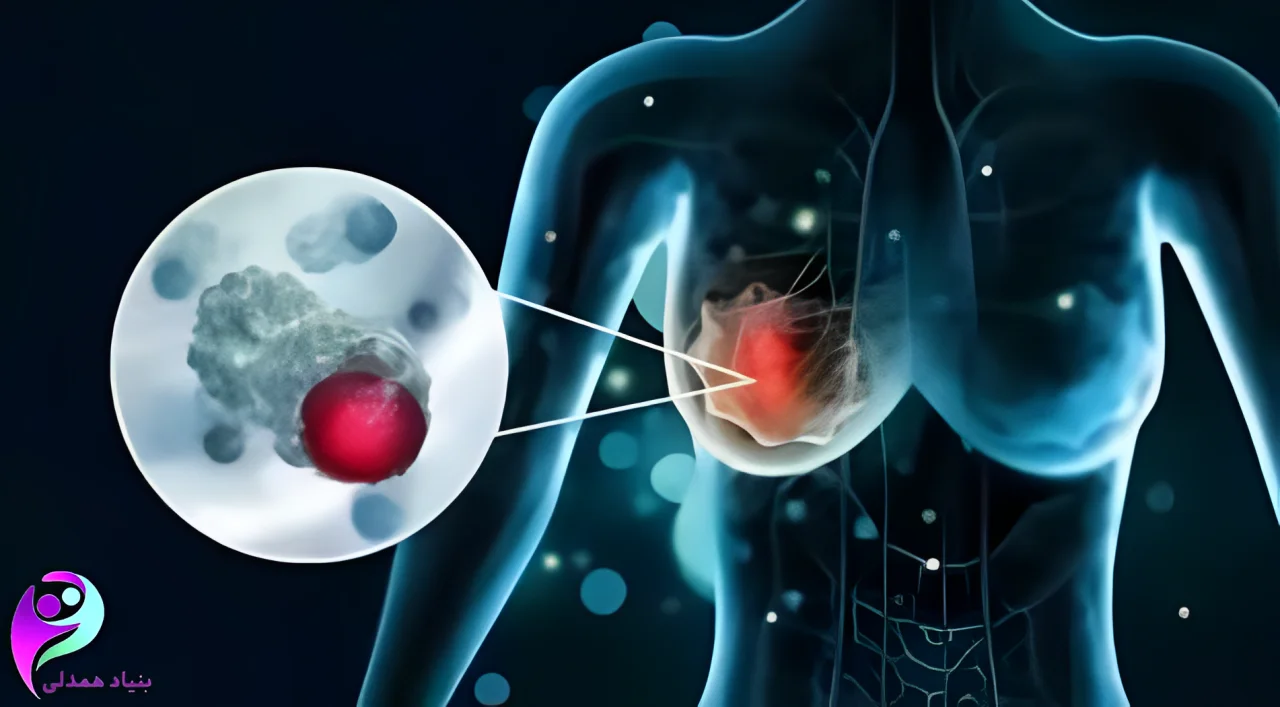
1. Breast Cancer
Breast cancer is one of the most common cancers among women in the world and occurs when breast tissue cells grow abnormally and uncontrollably. This cancer can appear as a lump or changes in the appearance of the breast and, if not diagnosed in time, can spread to the lymph nodes and other parts of the body.
Prevention methods
Monthly breast self-exam
Mammograms as recommended by your doctor
Maintaining a healthy weight and exercising regularly
Avoiding alcohol and tobacco
Eating a healthy diet with fruits and vegetables
Treatment methods
Surgery (removal of the lump or the entire breast in advanced cases)
Chemotherapy
Radiation therapy
Hormone therapy (in some types)
Targeted therapies and immunotherapy in certain cases
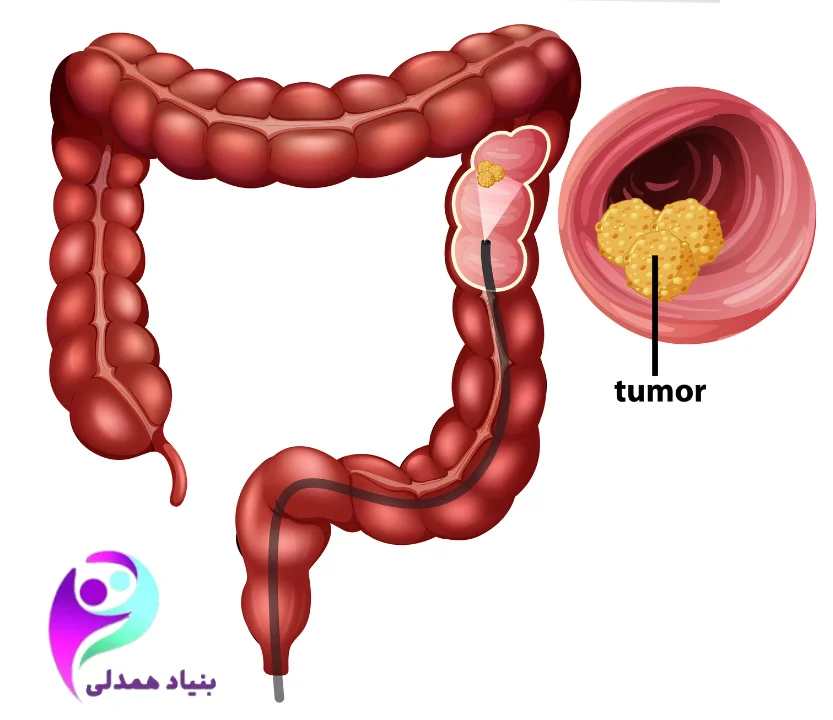
2. Colon Cancer
Colon cancer usually starts with abnormal growth of cells lining the colon. This cancer is often accompanied by changes in bowel habits, such as diarrhea or constipation, and may have internal bleeding that may or may not be visible.
Prevention methods
Eat a high-fiber diet (fruits, vegetables, whole grains)
Limit red and processed meats
Exercise regularly
Have a screening colonoscopy for people over 50
Avoid smoking and alcohol
Treatment methods
Surgery to remove the affected areas
Chemotherapy after surgery or in advanced stages
Radiation therapy (sometimes in certain stages)
Targeted therapies for some patients
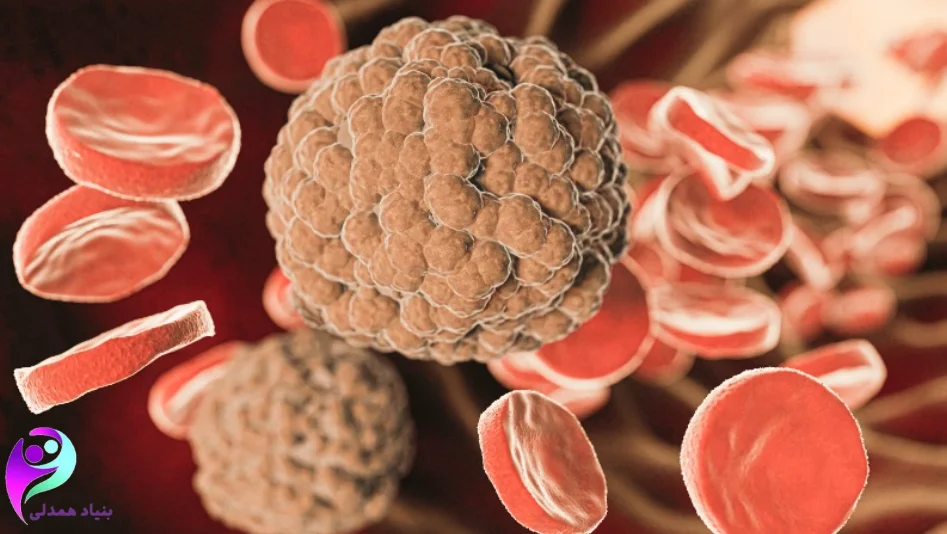
3. Leukemia
Leukemia is a cancer of the blood cells that forms in the bone marrow and causes abnormal production of white blood cells. The disease can progress rapidly and reduce the body’s ability to fight infections.
Prevention methods
Leukemia is mostly caused by genetic and environmental factors and has no specific prevention
Reducing exposure to toxic chemicals and ionizing radiation
Timely control and treatment of underlying diseases
Treatment methods
Strong and long-term chemotherapy
Bone marrow transplant (in certain cases)
Targeted therapies and immunotherapy
Supportive care and control of complications
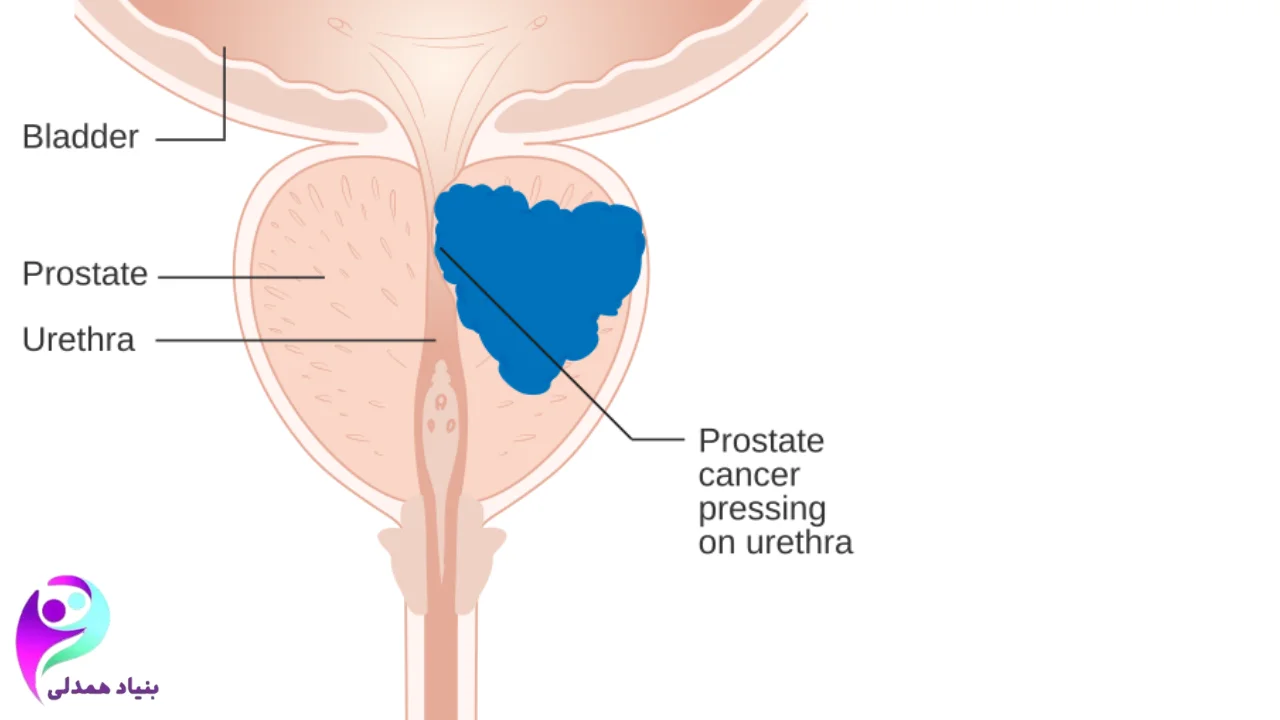
4. Prostate Cancer
Prostate cancer is one of the most common cancers in men and usually progresses slowly. The prostate is a small gland below the bladder that produces semen. Early detection of this cancer increases the chances of successful treatment.
Prevention methods
A low-fat diet rich in fruits and vegetables
Regular exercise
Annual check-ups for men over 50
Avoid smoking and alcohol
Treatment methods
Active observation (for slow-growing cancers)
Prostatectomy
Radiation therapy
Hormone therapy
Chemotherapy in advanced stages
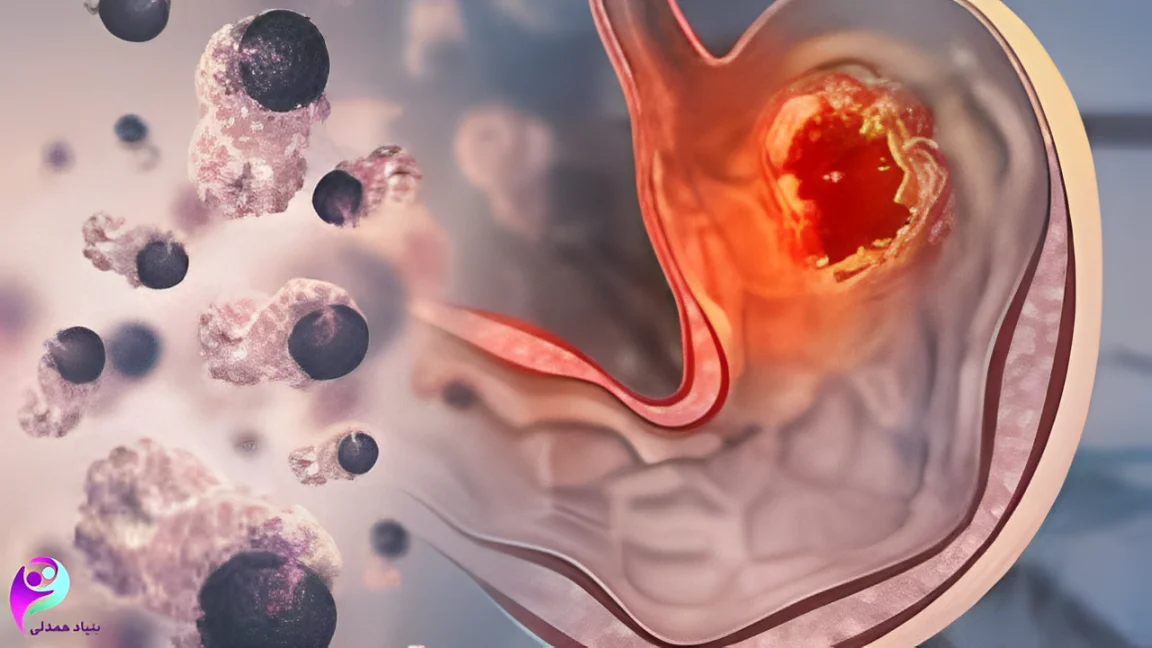
5. Stomach Cancer
Stomach cancer often has no specific symptoms in the early stages and is diagnosed when the disease is advanced. Factors such as Helicobacter pylori infection, unhealthy diet and smoking are risk factors for this cancer.
Prevention methods
Timely treatment of Helicobacter pylori infection
Reducing consumption of processed and salty foods
Healthy and balanced diet
Quitting smoking
Treatment methods
Surgery to remove part of the stomach or the entire stomach
Chemotherapy
Radiation therapy
Targeted therapy in some cases
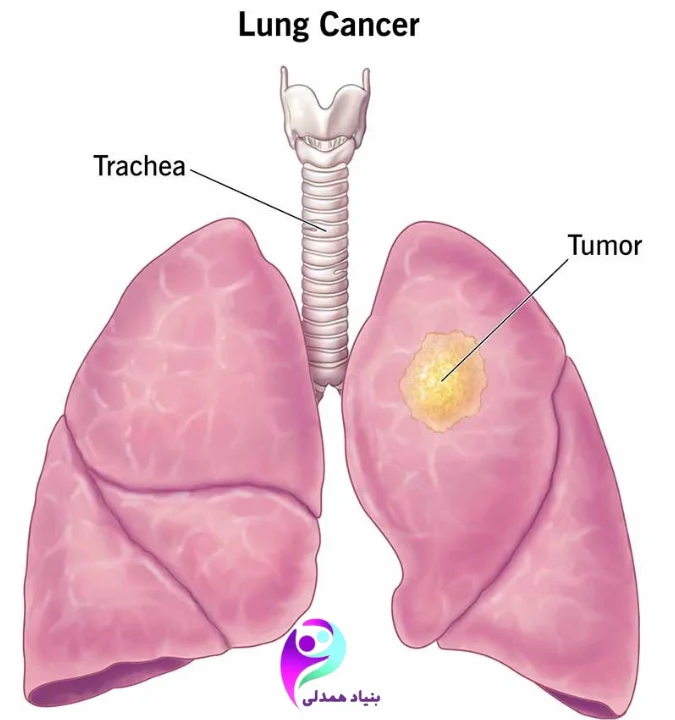
6. Lung Cancer
Lung cancer is one of the deadliest cancers, usually caused by smoking or exposure to carcinogens. It can cause chronic coughs, shortness of breath, and chest pain.
Prevention methods
Quit smoking completely
Reduce exposure to air pollution and chemicals
Wear a mask in polluted environments
Healthy diet and regular exercise
Treatment methods
Surgery in early stages
Chemotherapy
Radiation therapy
Targeted therapies and immunotherapy
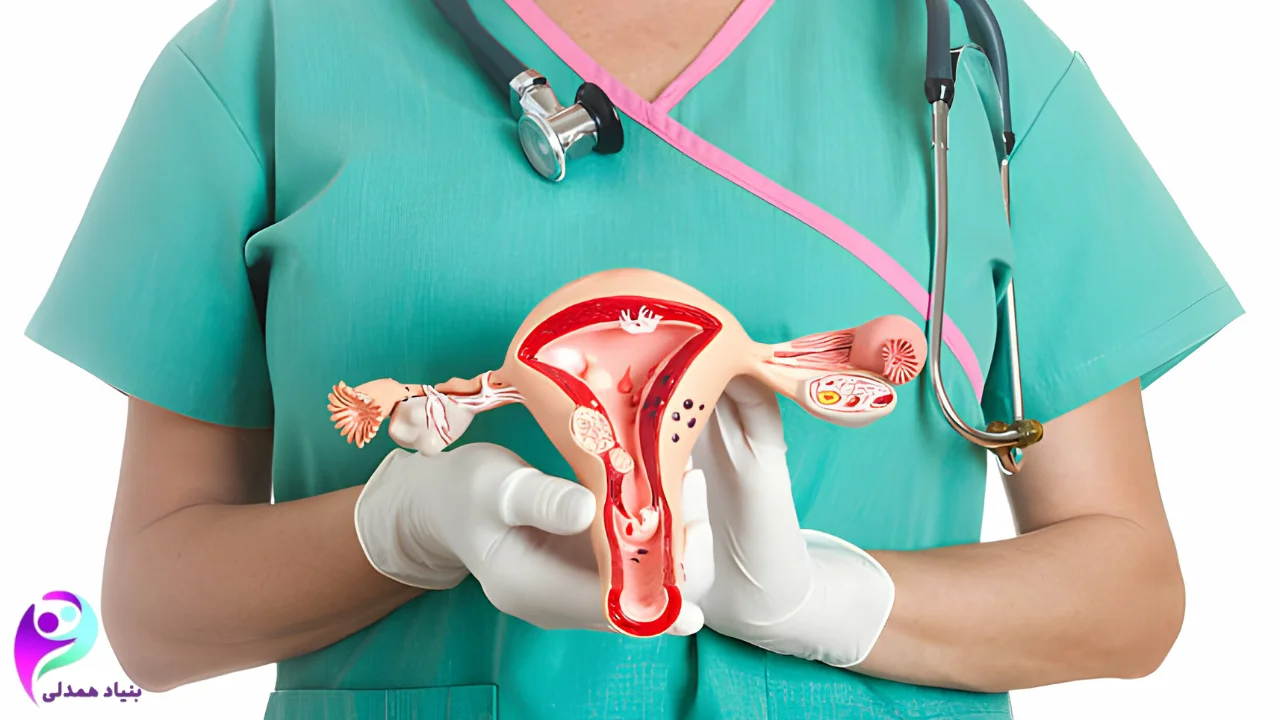
7. Cervical Cancer
This cancer is most common in sexually active women and is usually caused by the HPV virus. Getting a Pap smear and getting vaccinated against HPV play an important role in prevention.
Prevention methods
HPV vaccination
Getting regular Pap smears
Avoiding risky sexual behaviors
Using condoms
Treatment methods
Surgery (removal of the tumor or uterus)
Radiation therapy
Chemotherapy
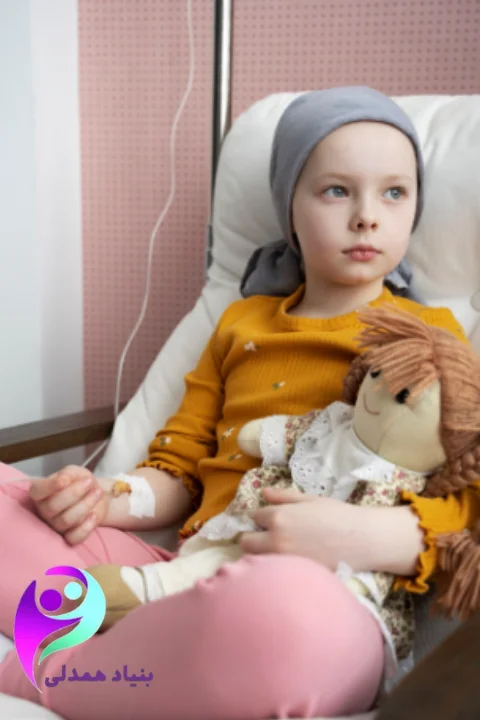
8. Childhood Cancers
Childhood Cancers include types such as leukemia, brain tumors, and neuroblastoma. These cancers tend to grow faster but respond well to treatment.
Prevention
Most childhood cancers are caused by genetic factors and have no specific prevention
Regular medical care for children
Early diagnosis
Treatment methods
Chemotherapy
Surgery
Radiation therapy
Targeted therapies
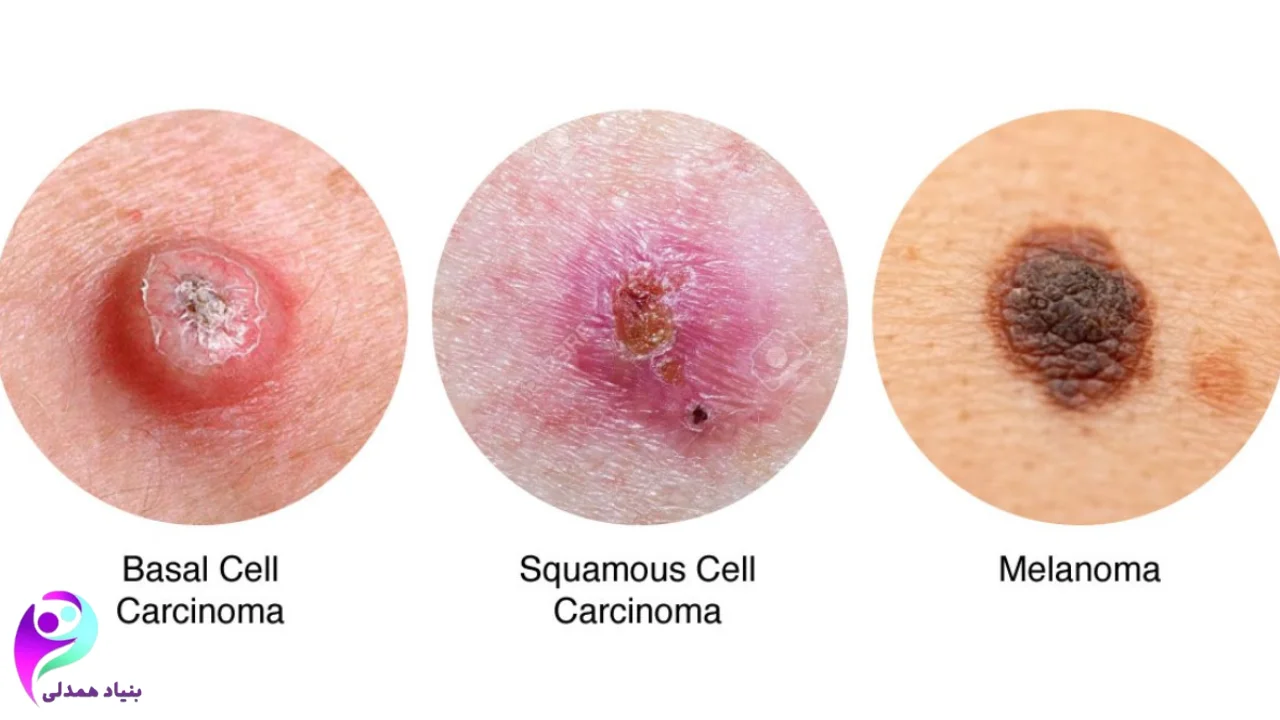
9. Skin Cancer
Skin cancer includes several types, the most common of which are melanoma, basal cell carcinoma, and squamous cell carcinoma. These cancers are usually caused by sun damage and UV rays, and if detected early, their treatment is very successful.
Prevention methods
Using sunscreen with a high SPF
Avoiding sunburn
Using protective clothing against the sun
Regular skin examination and checking suspicious moles
Treatment methods
Surgery to remove the tumor
Cryotherapy (freezing the cancerous tissue)
Radiation therapy
Targeted therapies and immunotherapy in advanced cases
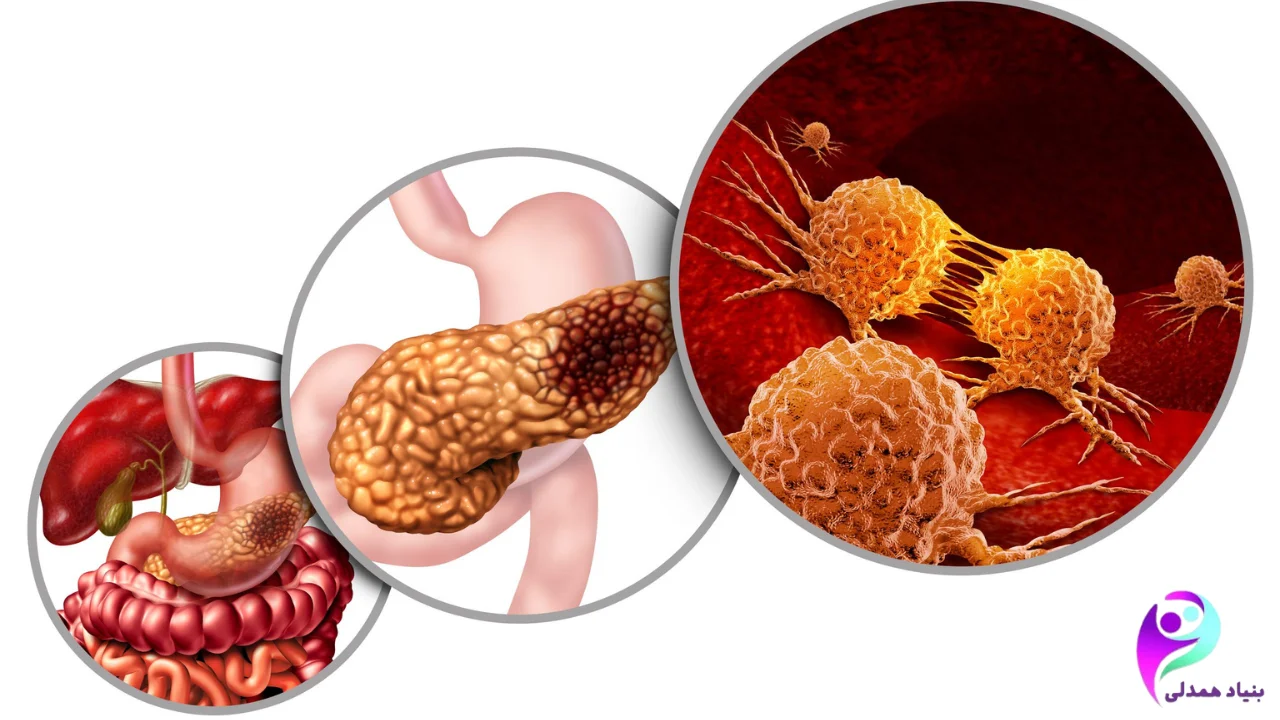
10. Pancreatic Cancer
Pancreatic cancer is one of the deadliest cancers, usually diagnosed at an advanced stage. It is often accompanied by abdominal pain, weight loss, and yellowing of the skin.
Prevention methods
Quit smoking
Maintain a healthy weight
Healthy diet and exercise
Control diabetes and chronic diseases
Treatment methods
Surgery (if possible)
Chemotherapy
Radiation therapy
Targeted and palliative therapies
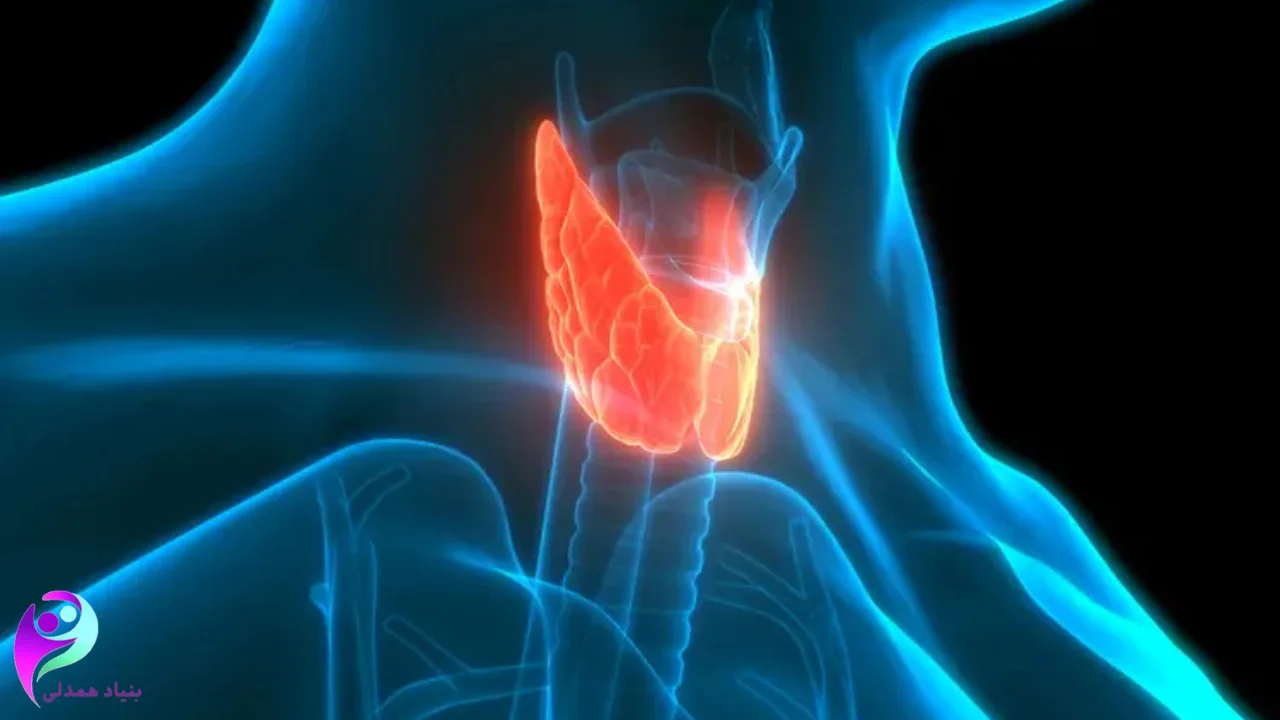
11. Thyroid Cancer
Thyroid cancer is usually slow-growing and occurs in the thyroid gland. It is more common in women and is often characterized by a lump or nodule in the neck.
Prevention methods
Adequate iodine intake
Avoid unnecessary radiation to the neck
Periodic thyroid exams
Treatment methods
Surgical removal of the thyroid gland
Radioactive iodine therapy
Hormone therapy
Radiation therapy (in certain cases)
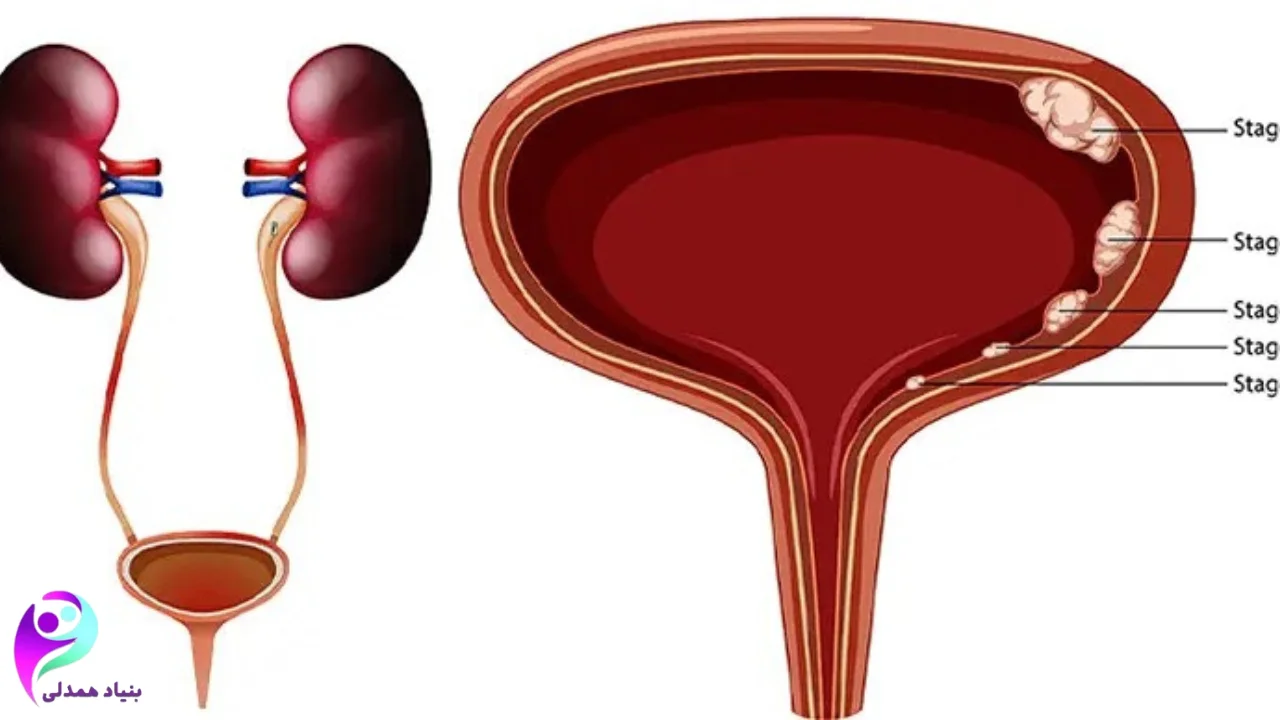
12. Bladder Cancer
Bladder cancer occurs in the lining of the bladder and is more common in smokers or those exposed to industrial chemicals. The main symptom is blood in the urine.
Prevention methods
Quit smoking
Avoid hazardous chemicals
Drink enough fluids
See a doctor promptly if you see blood in your urine
Treatment methods
Surgery to remove the tumor
Local or systemic chemotherapy
Local bladder immunotherapy
Radiation therapy
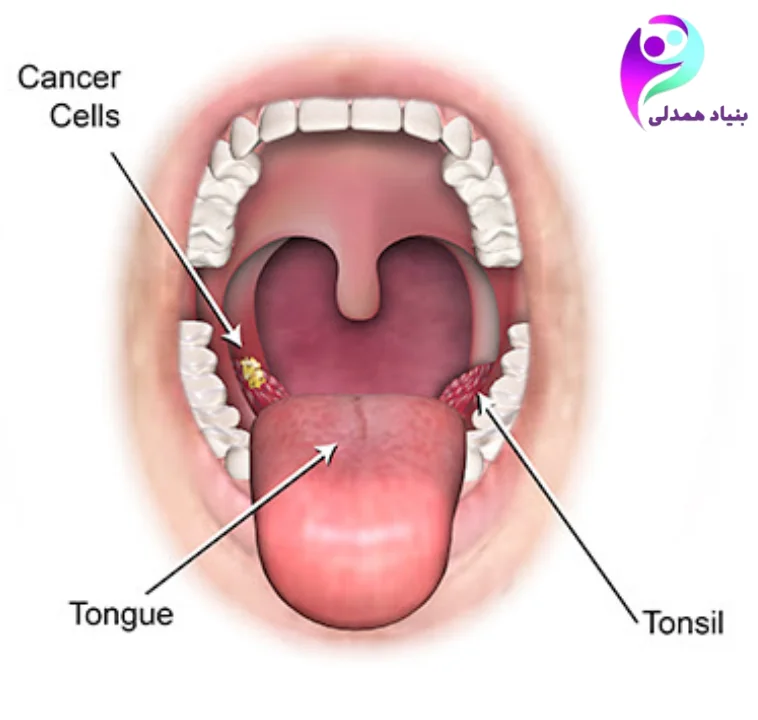
13. Oral and Throat Cancer
These cancers are usually caused by smoking, alcohol consumption, and HPV infection. They include cancers of the lips, tongue, throat, and pharynx.
Prevention methods
Quit smoking and alcohol
HPV vaccination
Maintain good oral hygiene
See your doctor for regular checkups
Treatment methods
Surgery
Radiation therapy
Chemotherapy
Targeted therapies
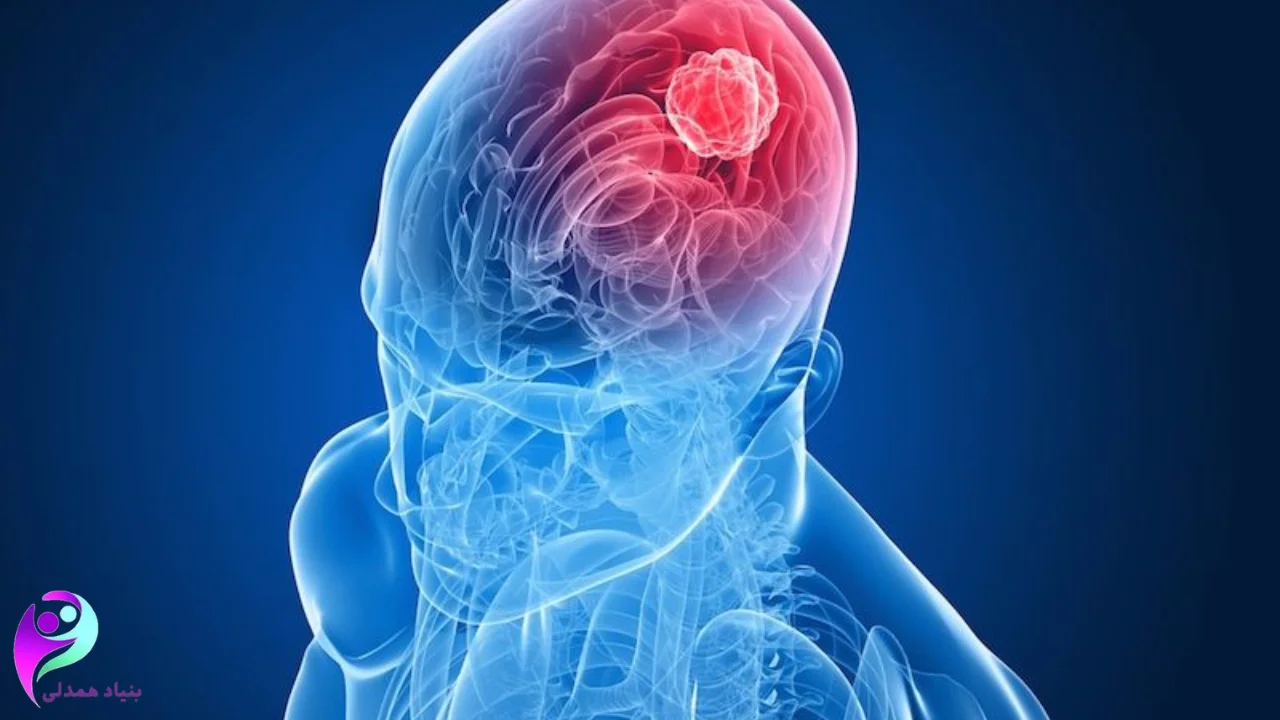
14. Brain Cancer
Brain cancer can start in the brain itself or metastasize to the brain from other parts of the body. Symptoms include headaches, seizures, and behavioral changes.
Prevention methods
Avoid contact with hazardous chemicals
Reduce radiation exposure
Follow-up treatment for chronic brain diseases
Treatment methods
Surgery
Radiation therapy
Chemotherapy
Targeted therapies
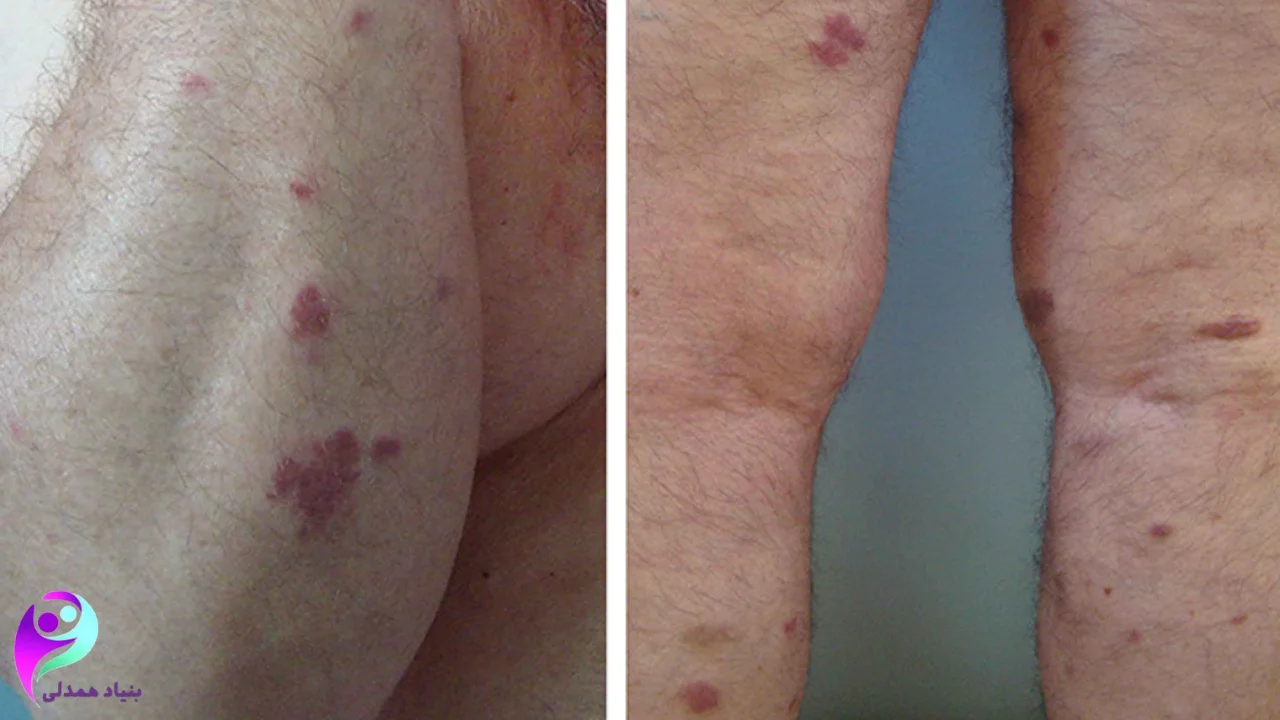
15. Sarcomas
Sarcomas are cancers that occur in soft tissues such as muscle, fat, blood vessels, and bone. These cancers are rare but usually grow quickly.
Prevention methods
Reducing repetitive physical injuries
Avoiding unnecessary radiation
Care for chronic wounds
Treatment methods
Extensive surgery
Chemotherapy
Radiation therapy
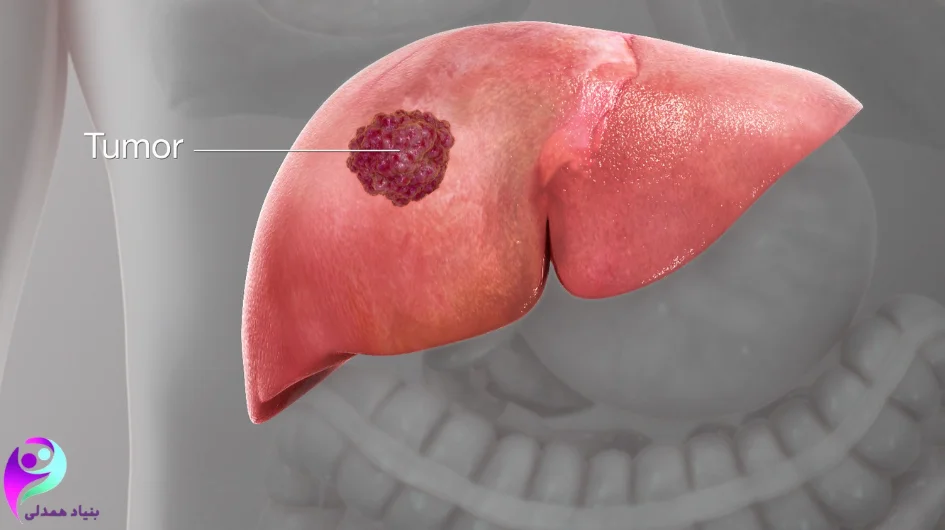
16. Liver Cancer
Liver cancer is usually caused by chronic liver diseases such as hepatitis B and C or cirrhosis. Symptoms include abdominal pain, jaundice, and weight loss.
Prevention methods
Hepatitis B vaccination
Avoid excessive alcohol consumption
Treat liver disease early
Maintain a healthy weight
Treatment methods
Surgery
Liver transplant
Local chemotherapy
Targeted therapy
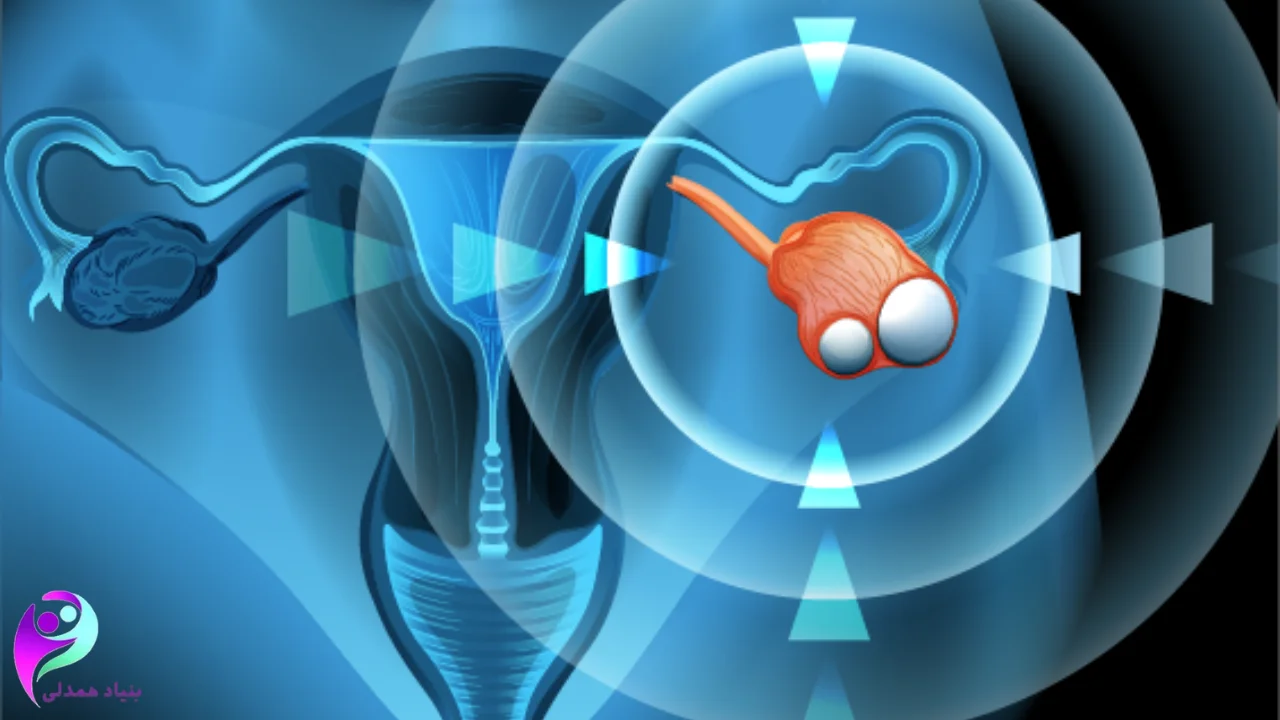
17. Ovarian Cancer
Ovarian cancer is usually asymptomatic in its early stages and is associated with abdominal pain and swelling in its advanced stages. This cancer is most common in women over 50.
Prevention methods
Using birth control pills (risk reduction)
Regular screenings
Healthy diet and exercise
Treatment methods
Surgery to remove the ovaries
Chemotherapy
Radiation therapy in certain cases
Rare Cancers: When Danger Comes from an Unexpected Place
Rare cancers are those that affect fewer than 6 per 100,000 people per year. Although they are less common, they are often more difficult to diagnose and more complex to treat.
The most important rare cancers are:
Sarcomas: These include cancers of soft tissue such as muscle, fat, blood vessels, and bone. A common type of these is Ewing’s sarcoma, which is seen in teenagers.
Neuroendocrine tumors: These arise from hormone-producing cells in various parts of the body.
Merkel cell carcinoma: A rare but aggressive type of skin cancer.
Rare lymphomas: Such as T-cell lymphoma.
Retinoblastoma: Very rare and hereditary in children.
Cancer of the retina (retinoblastoma): Rare but potentially dangerous.
Characteristics:
General and vague symptoms (e.g. pain, swelling, general weakness)
Need specialized genetic or pathology testing for diagnosis
Lack of public awareness of symptoms leads to late diagnosis
Why should we be aware of rare cancers?
Greater awareness of these cancers could lead to earlier diagnosis, better treatment, and lower mortality rates. They also have less research and funding, and require more attention from charities, researchers, and the community.
Cancer Statistics and Information in Iran
According to the report of the Ministry of Health and the Iranian Cancer Research Center:
General Statistics:
About 130,000 new cases of cancer are registered in Iran annually.
Breast cancer in women, abdominal cancers in men under 40, and leukemia in men over 40 are the most common.
After heart disease, cancer is the second leading cause of death in the country.
Age of onset:
The average age of cancer onset in Iran is 10 years lower than the global average.
The growth of cancer in the young population is particularly worrying.
Reasons for the increase in cancer cases in Iran:
Unhealthy diet (high consumption of fast food and fat)
Air pollution and agricultural toxins
Aging population
Sedentary lifestyle and obesity
These statistics double the importance of awareness, prevention and screening. The Hamdali Foundation strives to play an effective role in reducing the suffering of patients through education, public assistance and support services.
Scientific and up-to-date sources used
In producing medical and cancer-related content, using reputable international sources is the first condition for credibility and trust of users. These sources provide accurate, up-to-date, and scientific information.
The most important international authoritative sources:
PubMed: The largest scientific database of medical articles and clinical research
World Health Organization (WHO): Global statistics and cancer prevention programs
American Cancer Society: Complete information on types of cancer, treatment, and care
National Cancer Institute (NCI): The official department of the US government for cancer research
GLOBOCAN: Global cancer statistics for different years by country
A look at the latest cancer research in the world
In recent years, global cancer research has made significant progress, raising hopes for more effective and earlier treatments.
Key new findings:
Cancer vaccines: Research is progressing on vaccines for breast, lung, and pancreatic cancer.
Advanced immunotherapy: New drugs have been introduced that target cancer cells by stimulating the immune system.
RNA-based therapies: These therapies stop tumor growth by modifying gene expression.
Artificial intelligence in cancer diagnosis: Machine learning algorithms have been successful in analyzing medical images and diagnosing tumors more accurately.
Cancer prediction through blood tests: New blood tests can show early signs of cancer earlier than traditional methods.
Patient participation in research
Many patients in developed countries volunteer to participate in clinical trials, which has led to faster development of treatments.
Living with Cancer: How to Maintain Hope?
Living with cancer is difficult, but not impossible. Patients need multifaceted support:
Family support: Emotional and spiritual support
Psychotherapy: Managing anxiety, depression, and fear
Proper nutrition: A balanced diet to maintain energy
Support groups: Connecting with like-minded patients
🎗️ Many people have fought cancer and won. Hope is the most important medicine.
The role of people and charities in supporting cancer patients
The costs of cancer treatment are very high and many patients cannot afford it. This is where public support and charities like the Empathy Foundation become vital.
How can you help cancer patients?
1. Financial Donation
Help patients in need with any amount you can. This donation will be used for treatment, medicine, nutrition, and special care expenses.
2. Volunteering
If you have time, you can volunteer at the Hamdali Foundation and accompany patients, provide counseling, or help with administrative tasks.
3. Donate medicine and medical equipment
Donate surplus medicine and usable medical equipment to be delivered to patients.
4. Social awareness and support
Help attract more donations by sharing educational materials, campaigns, and patients’ needs on social media.
Psychology and Support: Psychological Coping Methods with Cancer
Coping with Cancer Stress and Anxiety: A Guide to Psychological Support for Patients and Families
A cancer diagnosis is a very stressful and frightening experience for patients and their families. Psychological stress can negatively impact treatment and quality of life. In this section, we will explore strategies for coping with stress and psychological support:
1. Acceptance and Awareness
Acceptance of the disease is the first step in managing stress. Obtaining accurate and reliable information about the type of cancer, the stages of treatment, and the recovery process reduces anxiety and helps patients and families feel more in control.
2. Social support
The presence of family, friends, and psychological support groups plays an important role in reducing feelings of loneliness and increasing patients’ motivation. The Empathy Foundation plays this role by providing a supportive environment and accompanying volunteers.
3. Stress and anxiety management
Practicing deep breathing techniques, meditation, and yoga can help reduce stress. It is also recommended to refer to counselors and psychologists specializing in cancer for professional advice.
4. Maintaining hope and positive thinking
A positive outlook and maintaining hope increase patients’ mental energy and have a positive effect on the treatment process. Reading success stories of cancer patients can be inspiring.
New Cancer Treatment Technologies; New Hope for Patients
In recent years, significant advances have been made in cancer treatment, increasing hope for patients:
- Immunotherapy: A method that strengthens the body’s immune system to fight cancer cells and has had very successful results in some cancers.
Targeted Therapy: Drugs that target only cancer cells and prevent damage to healthy cells.
Gene Therapy: Under research and development, this method seeks to correct defective genes in cancer cells.
New chemotherapy drugs with fewer side effects: A new generation of drugs with fewer side effects and greater effectiveness has been introduced.
The Hamdali Foundation also tries to inform patients and their companions by providing information and education about these methods and provide them with better conditions for helping them.
Conclusion
Cancer is not the end of life, if there is awareness, support and hope. We can change a person’s life with a simple decision.
You can also contribute to the treatment of cancer patients.👇
❓Frequently Asked Questions About Cancer and Helping Patients
1. Is cancer curable?
Yes, many types of cancer can be controlled or even completely cured if detected early and treated appropriately. Methods such as chemotherapy, radiation therapy, surgery, and new therapies are used depending on the type and stage of the disease.
2. What is the difference between a benign and malignant mass?
A benign mass usually has controlled growth and does not invade surrounding tissues. However, a malignant (cancerous) mass can invade surrounding tissues and organs and spread (metastasize).
3. Is cancer hereditary?
Some types of cancer, such as breast or colon cancer, may have a genetic basis. But many cancers are caused by environmental and lifestyle factors.
4. How can cancer be prevented?
You can reduce your risk of many cancers by quitting smoking, eating a healthy diet, being physically active, getting regular checkups, and reducing stress.
5. Does the Empathy Foundation help specific patients?
Yes, the Empathy Foundation focuses on cancer patients and provides financial, supportive, psychological, and nutritional services to patients in need. Your donations directly contribute to improving the patients’ conditions.
6. How can I help cancer patients?
You can play an effective role in saving patients’ lives through financial donations, volunteering, donating medicine, medical equipment, or even spreading the word on social media.
The author of the article:Erfan

