
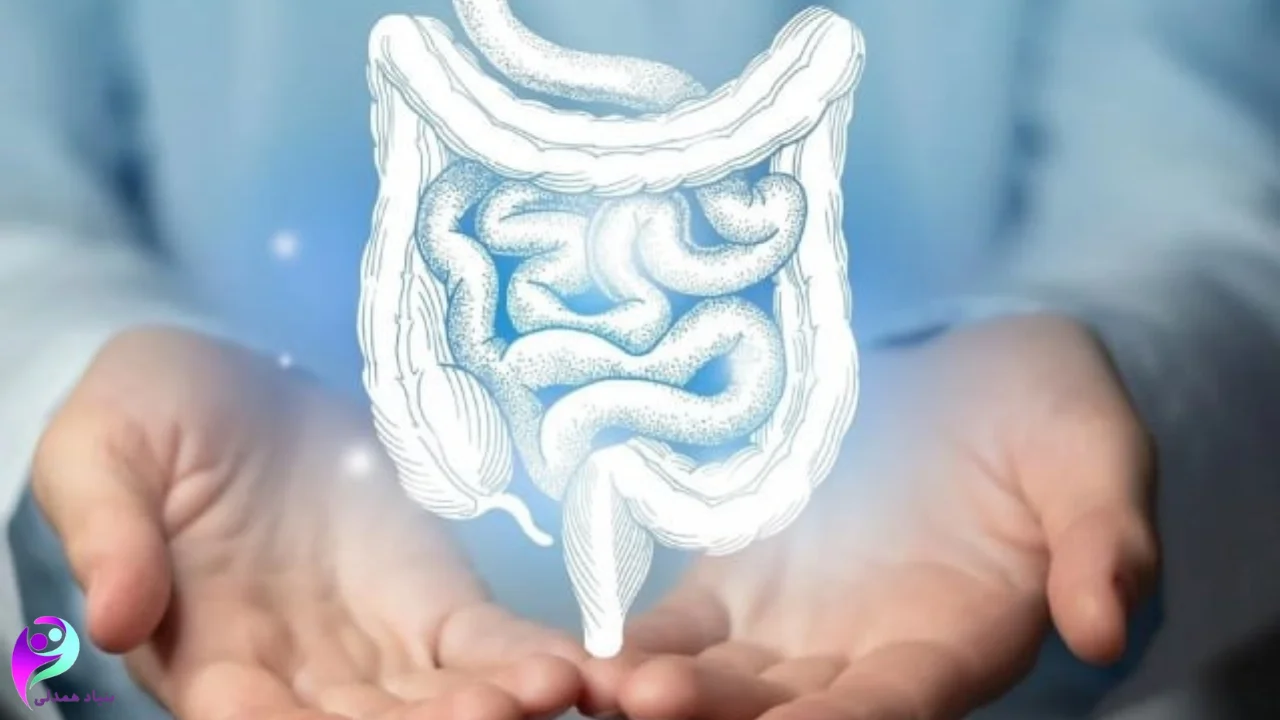
Genetic association with colon cancer incidence; the role of DNA in one of the most common cancers
Colon cancer or colorectal cancer is one of the diseases that occurs in a multifactorial manner; that is, a set of environmental factors, lifestyle and of course genetics play a role in its formation. However, contrary to what many people think, genetics does not only mean direct inheritance from parents; it also includes a variety of changes, mutations, hereditary syndromes and even “random” errors in DNA.
This article provides a completely practical and easy-to-understand look at how genes can light the lamp of the beginning of colon cancer and what ways there are to reduce its risk.
The Hamdali Foundation Charity is a support group in the field of helping cancer patients, which aims to reduce treatment concerns, provide necessary expenses and boost the morale of patients. This foundation, with public donations and the participation of donors, tries to make the treatment path smoother for patients and their families. If you would like to support, you can do so through online payment, telephone contact, or online chat. Also, those who need help or advice can simply contact the foundation’s support team through these communication channels to receive the necessary guidance.
- What is colon cancer and why are genetics important?
- What is the difference between genetic cancer and hereditary cancer?
- Important hereditary syndromes that increase the risk of colon cancer
- The Role of Acquired Genetic Mutations in Colon Cancer
- Which genes play the most role in colon cancer?
- Who should get genetic testing?
- People who should get genetic testing:
- If we have the colon cancer gene, will we definitely get cancer?
- Genetics and the development of polyps in the intestine
- Can colon cancer be prevented in people with a high genetic risk?
- Can Colon Cancer Genes Be Edited? (Genetic Therapies)
- What Everyone Should Know About Genetics and Colon Cancer
- What is the role of epigenetics in colon cancer?
- The role of the gut microbiome and its interaction with genetics
- Why do some people with dangerous genes never get cancer?
- The role of nutrition in modulating the effect of colon cancer genes
- The role of inflammation in activating cancer genes
- The role of age, gender, and heredity in colon cancer risk
- Can genetic testing prevent colon cancer?
- Does having good genes mean complete immunity?
- The Future of Genetic Research in Colon Cancer
- Conclusion
- Frequently Asked Questions About the Genetic Link to Colon Cancer
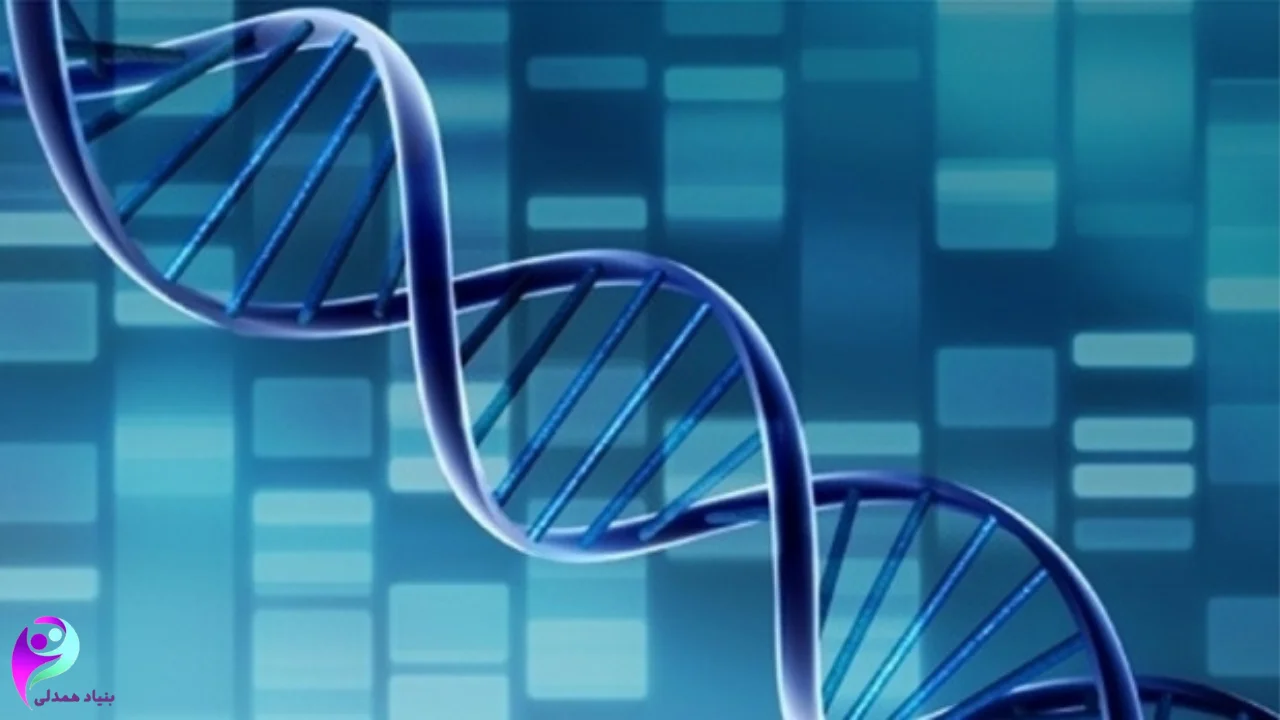
What is colon cancer and why are genetics important?
Colon cancer is the abnormal growth of cells in the lower part of the digestive tract. This uncontrolled growth is caused by mutations in the cells’ DNA, which is where the “programming” for cell growth and division is located.
When this program is disrupted, cells lose control and cancerous tumors form.
Genes affect every step of this process:
- The rate at which cells divide
- The removal of damaged cells
- The repair of genetic errors
- The body’s response to environmental factors
This is why it is said:
“Colon cancer is a genetic disease, but it is not always hereditary.”
What is the difference between genetic cancer and hereditary cancer?
Many people think of these two concepts as the same, but there is a big difference:
🔷 Genetic cancer
Almost all cancers are genetic, because they are essentially caused by mutations in the DNA of cells.
🔷 Hereditary cancer
Only about 5 to 10 percent of colon cancers are hereditary. This means that the mutation is passed from parent to child.
So:
📌 All cancers are genetic, but not all of them are hereditary.
Important hereditary syndromes that increase the risk of colon cancer
There are several known syndromes that directly increase the risk of developing colon cancer. If a person inherits these genes, their risk of developing colon cancer is several times higher than others.
1. Lynch Syndrome or HNPCC
This is the most common inherited syndrome associated with colon cancer.
People with this syndrome usually have mutations in DNA repair genes such as:
MLH1, MSH2, MSH6, PMS2, EPCAM
Key points about Lynch syndrome:
Risk of colon cancer: 50 to 80 percent
Cancer occurs at a younger age (usually under 50)
The risk of developing other cancers such as uterine, ovarian, stomach, etc. is also higher
2. Familial Adenomatous Polyposis (FAP)
In this syndrome, thousands of polyps (growths) form in the colon.
The main culprit: a mutation in the APC gene.
If FAP is not treated:
The risk of colon cancer: almost 100%
Polyps start in adolescence
3. MAP – Polyposis due to a mutation in the MUTYH gene
People with this mutation usually have hundreds of polyps and their risk of colon cancer is several times higher.
4. Rarer syndromes such as:
PJS (Potts-Jeghers)
JPS (juvenile polyposis)
Cowden syndrome
Although it affects a small percentage of patients, it is of great importance in genetic diagnosis.
The Role of Acquired Genetic Mutations in Colon Cancer
Not all mutations are inherited. Many people develop “acquired mutations” during their lifetime; these mutations are usually caused by:
- Unhealthy diet
- High consumption of red meat and processed foods
- Lack of fiber
- Obesity and inactivity
- Smoking
- Alcohol consumption
- Oxidative stress
- Chronic intestinal inflammation
This is where genetics and environment come together.
If a person has a “susceptible” genetic background, environmental factors multiply the rate at which cancer develops.
Which genes play the most role in colon cancer?
Today’s knowledge has identified several genes associated with this cancer, but the most important ones include the following:
1. APC
This gene is responsible for controlling cell growth.
Its mutation is one of the most common causes of precancerous polyps.
2. MLH1, MSH2, MSH6, PMS2
Genes that are responsible for “repairing DNA errors.”
Mutations in these genes mean that the body is no longer able to correct genetic errors.
3. TP53
One of the most famous “tumor suppressor” genes.
The failure of this gene paves the way for uncontrolled cell growth.
4. KRAS
An important gene in the signaling pathways of cell growth.
KRAS mutations are seen in many colon cancers.
Who should get genetic testing?
It is not possible to say that everyone should get genetic testing. However, there are groups for whom testing is very important.
People who should get genetic testing:
People with two first-degree family members who have had colon cancer
A person who has had colon cancer before the age of 50
The presence of several different cancers in one person (for example, colon + uterus)
The presence of hundreds of polyps in the colon
A family history of the syndromes mentioned
These tests help:
Determine cancer risk with high accuracy
Provide prevention
Start regular screenings
If we have the colon cancer gene, will we definitely get cancer?
No!
Having a genetic mutation does not mean that we will definitely get cancer.
There are three important determining factors:
1. The type of gene mutation
Some mutations increase the risk by 20% and some by 90%.
2. Lifestyle
Studies have shown that even people with risk genes can significantly reduce their risk by following a healthy lifestyle.
3. Regular screening
Detecting polyps before they become cancerous is the best way to prevent them.
Genetics and the development of polyps in the intestine
About 95% of colon cancers start from adenomatous polyps.
Many genetic mutations cause:
- Polyps to form more
- Their growth rate increases
- Their likelihood of turning into cancer increases
That’s why screening and colonoscopy are vitally important.
Can colon cancer be prevented in people with a high genetic risk?
The good news is that yes, the risk can be reduced.
Effective strategies for people with genetic predisposition:
1. Early screening
For people with hereditary syndromes, colonoscopy is recommended from the age of 20 to 25.
2. Anti-colon cancer diet
Consumption of vegetables, fruits and whole grains
Reducing red and processed meat
Consumption of sufficient fiber daily
Use of antioxidants
3. Weight control and physical activity
People with a balanced BMI have a lower risk.
4. Avoiding tobacco and alcohol
5. Taking medical supplements as prescribed by a doctor
Such as: calcium, vitamin D, low-dose aspirin for people at risk (according to the doctor’s opinion).
6. Stress management and strengthening the immune system
The Role and Importance of Genetic Counseling in Colon Cancer
Genetic counseling helps:
- To review family history
- To calculate the exact risk
- To determine the best time and type of screening
- To reduce family stress and anxiety
- To make informed decisions about genetic testing
This counseling is essential for families with multiple affected members.
Can Colon Cancer Genes Be Edited? (Genetic Therapies)
New research suggests that gene therapy and genome editing (CRISPR) could be a future treatment for colon cancer.
These methods are currently mostly in the experimental phase, but early results are very promising.
What Everyone Should Know About Genetics and Colon Cancer
- Genetics are a “predisposing” factor, not a fixed destiny.
- Lifestyle changes can reduce the effect of genetics.
- Regular screening is lifesaving for people at high risk.
- Early detection is almost always curable.
- Genetic testing is only recommended for people with a family history or multiple polyps.
What is the role of epigenetics in colon cancer?
When we talk about genetics, minds usually go to DNA and genetic mutations. But that’s not all.
Today, we know that epigenetics also plays a key role; changes that occur in the activity of genes without changing the DNA sequence itself.
These changes are influenced by environmental factors, such as:
- Nutrition
- Stress
- Pollution
- Exercise
- Hormones
- Drugs
Epigenetics can:
“Turn off” tumor suppressor genes
“Turn on” genes that promote cell growth
Increase the likelihood of polyps
So even if you don’t inherit a bad gene, your lifestyle can change how your genes work, and this is a major factor in colon cancer.
The role of the gut microbiome and its interaction with genetics
The gut microbiome is a collection of trillions of beneficial bacteria, viruses, and fungi that interact with our genes in complex ways.
Research has shown:
Some bacteria can damage DNA
Some can increase inflammation
Some beneficial microbes prevent dangerous mutations
In people with a genetic predisposition, disruptions in the microbiome can exacerbate the effects of mutations and cause precancerous growths to grow more quickly.
Ways to maintain a healthy microbiome:
Eat fiber
Take probiotics
Reduce sugar intake
Reduce processed meat
Reduce unnecessary antibiotics
Why do some people with dangerous genes never get cancer?
This is one of the most fascinating topics in oncology.
The reason for this is something called Penetrance.
For example, a person may have a dangerous mutation but not get cancer because:
- They have an extremely healthy lifestyle
- They are very physically active
- They are at a healthy weight
- They do not have chronic inflammation in their gut
- They eat a diet rich in antioxidants
- They do not experience severe oxidative stress
- They are regularly screened
That’s why doctors always say: “Genes fire the gun, but lifestyle pulls the trigger.”
The role of nutrition in modulating the effect of colon cancer genes
Diet is not only an important environmental factor, but it is also one of the most powerful “epigenetic switches.”
Foods that increase the risk of colon cancer:
- High red meat
- Processed meats such as sausages
- Fried foods
- High sugar
- Trans fats
- Low-fiber foods
Foods that block the effects of bad genes:
- Leafy green vegetables
- Cabbages (especially broccoli)
- Fatty fish
- Turmeric
- Ginger
- Tomatoes
- Apples
- Whole grains
The antioxidants in these foods can reduce DNA damage and increase the activity of tumor suppressor genes.
The role of inflammation in activating cancer genes
Chronic intestinal inflammation (such as ulcerative colitis or Crohn’s) is one of the most important risk factors for colon cancer.
Long-term inflammation causes:
- Repeated DNA damage
- Increased cell division
- Possibility of mutations
- Inactivation of protective genes
People with a genetic background + chronic inflammation are several times more likely to develop cancer.
The role of age, gender, and heredity in colon cancer risk
Age
Most cases occur after age 50, but in people with risk genes it can start as early as age 20.
Gender
Men are at slightly higher risk.
Heredity
If one parent has a genetic mutation, the chance of passing it on to a child: 50 percent.
Can genetic testing prevent colon cancer?
Genetic testing, by itself, does not prevent cancer.
But it does tell you:
- How much risk you have
- At what age to start screening
- How often to get a colonoscopy
- What lifestyle changes to make
People who get genetic testing are 60 to 70 percent less likely to develop advanced cancer because they catch the problem earlier.
Does having good genes mean complete immunity?
No.
Approximately 70 percent of colon cancers have no hereditary or familial genetic roots and are caused by mutations that occur throughout life.
So even people with no family history should start screening after age 45 or 50.
The Future of Genetic Research in Colon Cancer
The future of medicine is moving towards “personalized therapies”; that is, treatments based on each person’s genes.
Some of the future developments:
- Drugs that target only cells with specific mutations
- CRISPR gene editing to correct faulty genes
- Specific vaccines for colon cancer
- Cancer diagnosis through blood test (Liquid Biopsy)
- Examination of free DNA in the blood for early detection
New research suggests that in the future, colon cancer may be diagnosed before a mass forms and by examining mutations alone.
Conclusion
The genetic link to colon cancer is complex but understandable.
About 10 percent of cases are hereditary, and the rest are caused by a combination of genetics + lifestyle + environment.
By identifying risk genes, genetic counseling, and regular screening, many cases of colon cancer can be prevented.
Genes do not determine our destiny; our decisions also play a role.
Frequently Asked Questions About the Genetic Link to Colon Cancer
1. Is colon cancer hereditary?
About 5 to 10 percent of cases are hereditary; that is, mutations are passed down from parents to children. But the rest are caused by mutations acquired during life.
2. If a family member has had colon cancer, am I at risk?
Yes, your risk is higher, especially if the person was under 50 or if several family members are affected. In this case, it is recommended to start screening earlier than the usual age.
3. Is genetic testing necessary for everyone?
No. Only people with a strong family history, multiple polyps, or suspicious symptoms should have genetic testing.
4. Can cancer be prevented if you have risk genes?
Yes. A large percentage of cancer cases can be prevented with regular screening, a healthy diet, weight control, physical activity, and avoiding smoking.
5. At what age should colon cancer screening begin?
For normal individuals: 45 to 50 years
For individuals with a genetic predisposition or family history: from 20 to 25 years
Author of the article:Erfan

