
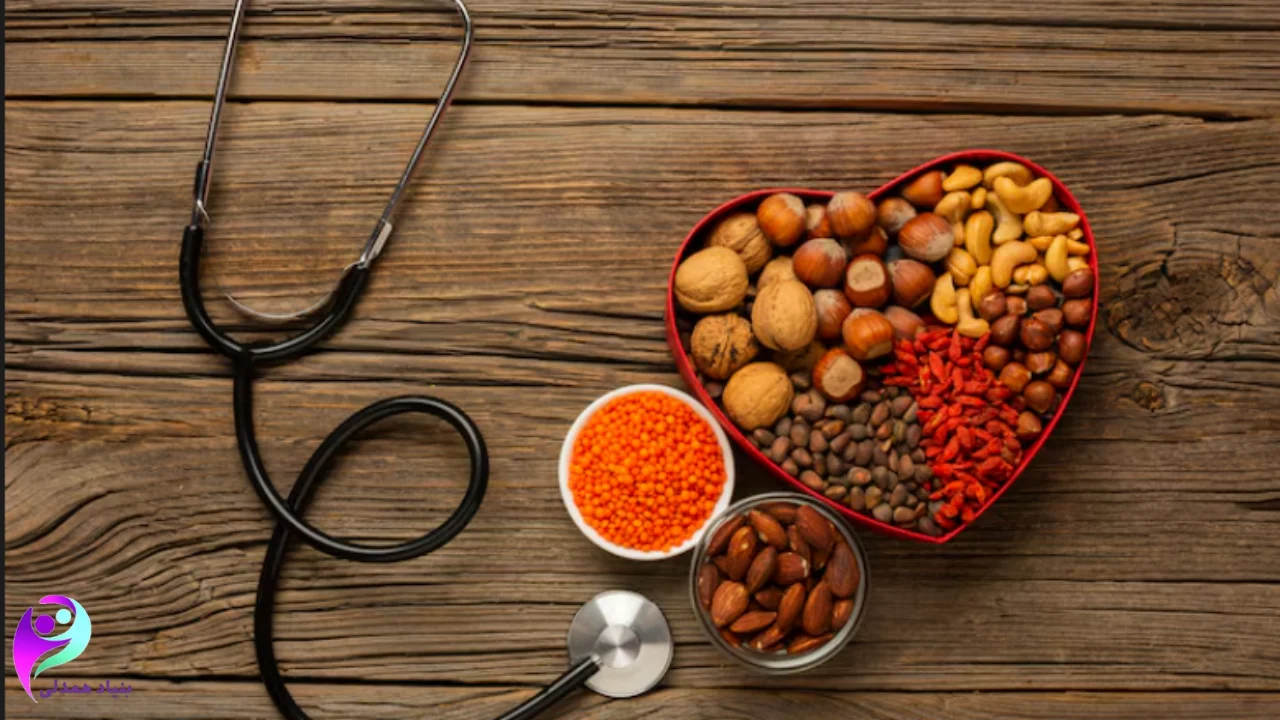
High-fiber foods for cancer patients | A comprehensive guide to healthy eating and strengthening the body
Proper nutrition plays a fundamental role in the cancer treatment process. In addition to physical and mental challenges, cancer patients often face digestive problems, a weakened immune system, and reduced energy. One of the most important nutritional components that can help these patients is dietary fiber.
Consuming foods high in fiber not only helps improve digestive function, but can also play an effective role in weight control, reducing chemotherapy side effects, and increasing patients’ quality of life.
In this article, we will comprehensively and scientifically examine what fiber is, why it is important for cancer patients, what sources of fiber are available, and how to incorporate a fiber-rich diet into your daily routine.
The Hamdali Foundation is a support group in the field of helping cancer patients, which aims to reduce treatment concerns, cover essential expenses, and boost patients’ morale. The foundation, with public donations and the participation of donors, tries to make the treatment path smoother for patients and their families. If you are interested in supporting them, you can do so through online payment, telephone contact, or online chat. Also, people who need help or advice can simply contact the foundation’s support team through these communication channels to receive the necessary guidance.
What is dietary fiber and why is it important?
Fiber is a type of plant carbohydrate that the human body cannot fully digest. Fiber is divided into two main categories:
Soluble fiber: dissolves in water and forms a gel. Helps lower cholesterol and regulate blood sugar.
Insoluble fiber: does not dissolve in water and increases stool bulk and improves bowel movements.
For cancer patients, dietary fiber has specific benefits, including:
Reducing constipation caused by medications and chemotherapy
Helping to detoxify the body
Boosting the immune system
Maintaining a healthy weight
Increasing feelings of fullness and preventing excessive weakness
- The role of fiber in the recovery of cancer patients
- Best High Fiber Foods for Cancer Patients
- Sample diet plan for cancer patients with a focus on fiber
- Important points about fiber intake for cancer patients
- Fiber and Cancer Recurrence Prevention
- Misconceptions about fiber and cancer
- High-Fiber Recipes for Cancer Patients
- Cancer patients’ experiences with high-fiber foods
- Key tips for increasing fiber in the daily diet of cancer patients
- Fiber and the Mental Health of Cancer Patients
- Nutritionist’s advice on fiber and cancer
- Cautions in fiber intake for cancer patients
- Why is fiber a “natural defense shield” against cancer?
- Conclusion
- Frequently Asked Questions About Fiber and Cancer Patients

The role of fiber in the recovery of cancer patients
1. Improves bowel and digestive function
Cancer treatments such as chemotherapy and radiation can cause constipation or diarrhea. Consuming fiber helps regulate bowel function and prevent digestive problems.
2. Reduces inflammation
Studies have shown that fiber can reduce inflammation in the body. This is especially important for cancer patients, as chronic inflammation is linked to cancer progression.
3. Boosts beneficial gut bacteria
Dietary fiber acts as a prebiotic, meaning it provides food for beneficial gut bacteria. These bacteria play a role in boosting the immune system and slowing the growth of cancer cells.
4. Helps with weight control
Many cancer patients face the problem of sudden weight loss or gain. Fiber helps regulate weight by creating a feeling of fullness and prevents weakness or excessive obesity.
Best High Fiber Foods for Cancer Patients
Below is a list of the best fiber-rich foods recommended for cancer patients:
🥦High-Fiber Vegetables
Broccoli
Spinach
Carrots
Celery
Beets
In addition to fiber, these vegetables are rich in antioxidants that help fight cancer cells.
🍎Fresh Fruit
Apples with skin
Pears
Strawberries
Raspberries
Figs
Fruits are a rich source of vitamins and minerals, in addition to fiber.
🌾Whole grains
Whole wheat bread
Brown rice
Oatmeal
Quinoa
Whole wheat
These grains are the best option for relieving constipation because they contain insoluble fiber.
🥜Legumes and Nuts
Lentils
Chickpeas
Beans
Almonds
Walnuts
In addition to fiber, legumes are rich in plant-based protein and provide energy to patients.
Sample diet plan for cancer patients with a focus on fiber
Breakfast
A bowl of oatmeal with apple slices and cinnamon
A glass of natural orange juice
Snack
A handful of almonds or walnuts
A fresh pear
Lunch
Brown rice with steamed vegetables (broccoli, carrots, celery)
Lean grilled chicken
Dinner
Probiotic yogurt with chia seeds and strawberries
Dinner
Lentil or bean soup
Fresh vegetable salad with olive oil
Important points about fiber intake for cancer patients
Fiber intake should be increased gradually to give the digestive system a chance to adapt.
Drinking enough water (at least 8 glasses a day) is essential to prevent constipation.
In case of severe diarrhea, it is better to limit fiber intake and do it under the supervision of a doctor.
Combining fiber with protein and healthy fats (such as fish and olive oil) improves nutrient absorption.
Fiber and Cancer Recurrence Prevention
Studies show that high-fiber diets can reduce the risk of cancer recurrence, especially colon and breast cancer. This is because fiber plays a role in controlling blood sugar, reducing inflammation, and boosting the immune system.
Misconceptions about fiber and cancer
Fiber is bad for cancer patients → Wrong! Fiber helps improve digestion and overall health.
Only whole grains have fiber → No, fruits, vegetables, and legumes are also excellent sources of fiber.
Fiber causes diarrhea → This can only happen if you eat too much and without enough water.

High-Fiber Recipes for Cancer Patients
Cancer patients often experience loss of appetite, fatigue, and digestive problems during treatment. Having delicious, simple, and high-fiber foods can not only strengthen the body, but also increase the desire for food.
🥗Lentil and Fresh Vegetable Salad
Ingredients:
Half a cup of cooked lentils
One chopped tomato
Half a cucumber
A little chopped celery and parsley
A tablespoon of olive oil
Preparation: Mix all the ingredients and serve with a little lemon juice. This salad is both high in fiber and rich in antioxidants.
🥣High-Fiber Barley Soup
Ingredients:
Half a cup of rolled oats
A chopped carrot
A little zucchini
1 liter of chicken or vegetable broth
A little turmeric and black pepper
Preparation: Boil all the ingredients together until the soup thickens. This food is soft and easy to digest and is very suitable for patients with digestive problems.
🥑High-Fiber Energy Smoothie
Ingredients:
Half a banana
Half an apple with the peel
A handful of fresh spinach
A glass of almond milk or low-fat milk
A spoonful of chia seeds
How to make: Put all the ingredients in a blender and drink as a smoothie. This drink has both fiber and vitamins to boost your energy.
Cancer patients’ experiences with high-fiber foods
A colon cancer patient recounted:
“After chemotherapy, I was severely constipated and no medication helped. When the nutritionist suggested consuming brown rice, vegetables, and lots of water, I noticed big changes after two weeks. I felt lighter and had more energy.”
Another breast cancer patient said:
“On the advice of my doctor, I drank a fruit smoothie with chia seeds every day. This was very effective in both improving my digestion and reducing my fatigue.”
These experiences show that small changes in diet can have a big impact on patients’ quality of life.
Key tips for increasing fiber in the daily diet of cancer patients
Start slowly: If your body is not used to consuming a lot of fiber, increase the amount gradually.
Accompany with water: Fiber without enough water can lead to constipation.
Dietary variety: Don’t rely on just one source of fiber; a combination of fruits, vegetables, grains, and legumes is best.
Healthy cooking methods: Steaming or grilling vegetables preserves fiber and nutrients.
Fiber-rich snacks: Fresh fruit, raw nuts, and popcorn (without too much oil) are the best choices for snacks.
Fiber and the Mental Health of Cancer Patients
It is interesting to know that a high-fiber diet has a positive effect not only on physical health, but also on the mental health of patients. This is because fiber strengthens the gut microbiome, and these beneficial microbes produce hormones such as serotonin (the happiness hormone).
As a result, regular fiber consumption can help reduce stress, anxiety, and depression in patients.
Nutritionist’s advice on fiber and cancer
- A PhD in nutrition from the University of Tehran: “Daily consumption of fruit with skin, such as apples or pears, can help improve the intestinal function of cancer patients.”
- A clinical oncologist: “In patients undergoing chemotherapy, fiber not only helps regulate digestion, but also prevents sudden weight loss.”
- A dietitian: “Legumes are an excellent source of fiber and protein. I recommend that cancer patients consume lentils or beans at least twice a week.”
Cautions in fiber intake for cancer patients
Despite its many benefits, fiber intake should be limited in some situations:
If the patient has a bowel obstruction, fiber may worsen the condition.
In cases of severe diarrhea, it is better to consume soluble fiber (such as bananas or baked apples) and reduce insoluble fiber.
It is essential to consult a doctor or nutritionist before changing your diet.
Why is fiber a “natural defense shield” against cancer?
Dietary fiber can protect the body against the development or recurrence of cancer for several reasons:
Reducing the level of cancer cell growth hormones in the intestine
Increasing the elimination of toxins and harmful substances from the body
Improving the immune system by strengthening the intestinal microbiome
Reducing blood sugar and preventing the creation of a suitable environment for cancer cells to grow
For this reason, many scientific studies introduce fiber as one of the golden keys in an anti-cancer lifestyle.
Conclusion
Consuming high-fiber foods for cancer patients not only helps improve the digestive system, but also increases energy, strengthens the immune system and improves the quality of life. By choosing fiber-rich foods such as vegetables, fruits, whole grains and legumes wisely, you can support the cancer treatment process and reduce its side effects.
Fiber is one of the simplest and most effective nutritional elements that can play an important role in the health of patients, along with other treatments.
Frequently Asked Questions About Fiber and Cancer Patients
1. How much fiber is appropriate for cancer patients daily?
An average of 20 to 30 grams of fiber per day is recommended, but the exact amount should be determined under the supervision of a nutritionist.
2. Can fiber reduce the side effects of chemotherapy?
Yes, fiber can help reduce constipation, nausea, and digestive problems caused by treatment.
3. Is taking fiber supplements enough to replace food?
Supplements can be helpful in some situations, but the best source of fiber is still natural foods.
4. Should cancer patients avoid fiber?
No, unless in specific medical conditions such as intestinal obstruction or severe diarrhea, when a doctor recommends restrictions.
The author of the article:Erfan

