

Malignant bowel cancer in men: A comprehensive look at this silent disease
Colorectal cancer is one of the most dangerous types of cancer in men, and it often begins without symptoms. Many men are unaware of its presence until the disease has progressed. This makes late diagnosis difficult, makes treatment difficult, and reduces the chance of recovery. Knowing the early symptoms, risk factors, and the importance of screening plays a key role in controlling this disease.
The Hamdali Foundation is a support group in the field of helping cancer patients, which aims to reduce treatment concerns, cover essential expenses, and boost patients’ morale. The foundation, with public donations and the participation of donors, tries to make the treatment path smoother for patients and their families. If you are interested in supporting them, you can do so through online payment, telephone contact, or online chat. Also, people who need help or advice can simply contact the foundation’s support team through these communication channels to receive the necessary guidance.
- What is colorectal cancer?
- Symptoms of Colon Cancer in Men
- Causes and Risk Factors of Colon Cancer in Men
- Important tips for using foods:
- Stages of Colon Cancer in Men
- Colon Cancer Diagnosis Methods
- Methods of treating bowel cancer in men
- Preventing bowel cancer
- Bowel cancer in young men: should you be concerned?
- The role of psychological and family support in treatment
- Warning signs that should not be ignored
- Personal experiences of patients: A human perspective on a difficult disease
- Nutrition during treatment for malignant bowel cancer
- The role of family and emotional support in the treatment process
- Is it possible to prevent colon cancer in men?
- Conclusion
- Frequently Asked Questions About Malignant Colon Cancer in Men
What is colorectal cancer?
Colorectal cancer is cancer that develops in the large intestine, or rectum. The colon is the last part of the digestive system and is responsible for absorbing water and storing stool. Abnormal growths called polyps can develop into cancer over time. This process can take several years.
Symptoms of Colon Cancer in Men
In the early stages, colon cancer may not have any symptoms. However, as the disease progresses, the following symptoms appear:
Change in bowel habits (constipation or prolonged diarrhea)
Blood in the stool (bright red or dark)
Feeling of incomplete bowel movement
Abdominal pain or cramps
Unwanted weight loss
Extreme fatigue
Iron deficiency anemia
Early diagnosis by observing these symptoms and seeing a doctor is very important.
Causes and Risk Factors of Colon Cancer in Men
There are a number of factors that can increase the risk of developing this type of cancer in men:
1. Age over 50
Most cases of colon cancer are diagnosed in people over 50.
2. Family history
If a first-degree family member has had colon cancer, the risk of other members developing it increases.
3. Unhealthy diet
High consumption of red meat and processed foods, lack of fiber, and low consumption of vegetables are important factors.
4. Inactivity and obesity
Low physical activity and being overweight can cause chronic inflammation, which increases the risk of cancer.
5. Smoking and alcohol
Smoking and drinking alcohol are directly linked to an increased risk of cancer.
6. Having bowel diseases
Patients with ulcerative colitis or Crohn’s disease are at higher risk.
Important tips for using foods:
Eat foods steamed, boiled or grilled.
Avoid fried foods, fast food, spicy and fatty foods.
Eat smaller meals but more frequently (5 to 6 meals a day).
If the patient is undergoing chemotherapy, he or she may need a special diet; be sure to consult a nutritionist.
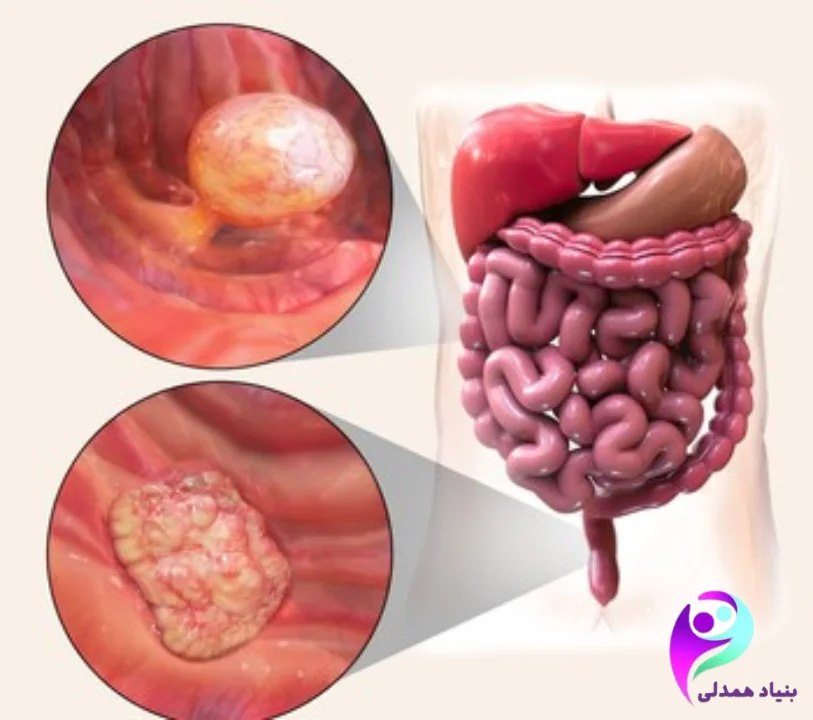
Stages of Colon Cancer in Men
- Colon cancer has four main stages:
- Stage 1: Limited to the superficial layers of the colon.
- Stage 2: Invasion into the deeper walls.
- Stage 3: Involvement of nearby lymph nodes.
- Stage 4: Metastasis and spread to other organs such as the liver and lungs.
Colon Cancer Diagnosis Methods
Early diagnosis is crucial to the success of treatment. Some of the diagnostic methods include:
Colonoscopy: Examination of the entire colon with a thin, camera-equipped tube.
Fecal occult blood test: Checks for blood in the stool.
CT or MRI imaging: To assess the spread of cancer.
Biopsy: Taking a sample of a suspicious lump to check for cancer cells.
Methods of treating bowel cancer in men
1. Surgery
In the early stages, removing the cancerous part of the bowel can lead to a complete cure.
2. Chemotherapy
Used if the disease has spread or after surgery to prevent the cancer from returning.
3. Radiation therapy
In cases where the tumor is located in the rectum, radiation is used to shrink it before surgery.
4. Immunotherapy
In certain cases, boosting the body’s immune system helps fight cancer cells.
Preventing bowel cancer
Prevention is always better than cure. You can reduce your risk of developing bowel cancer by doing the following:
Eating a healthy diet (high in fiber, low in fat, lots of fruit and vegetables)
Exercising regularly
Quitting smoking and alcohol
Getting regular screenings after age 50 (or earlier if there is a family history)
Maintaining a healthy weight
Bowel cancer in young men: should you be concerned?
While most cases of bowel cancer occur in men over 50, the incidence has also increased in younger men in recent years. This is why public awareness, a healthy diet and sensitivity to early symptoms are important for all ages.
The role of psychological and family support in treatment
Cancer treatment is not limited to medication and surgery. Emotional support for the patient, especially from family and loved ones, is very effective in raising the morale and improving the quality of life of the individual. Being with the patient, talking, psychological comfort and providing hope are complementary to medical treatments.
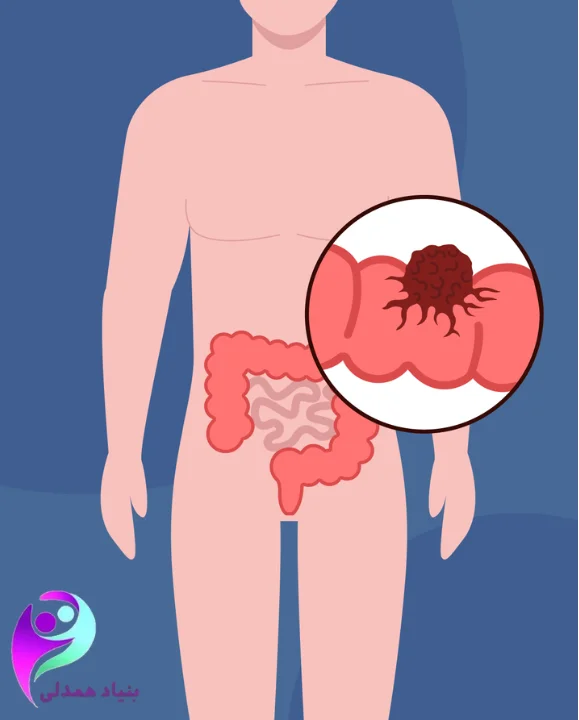
Warning signs that should not be ignored
One of the biggest challenges of malignant bowel cancer in men is its late diagnosis. Many early symptoms are mistaken for simple digestive problems, which leads to a delay in starting treatment. Symptoms such as:
Change in bowel habits (constipation or persistent diarrhea)
Blood in the stool (whether light or dark)
Unexplained weight loss
Feeling constantly tired
Heartache and abdominal cramps
If one or more of these symptoms persist for a long time, it is imperative to consult a doctor. Many men ignore these symptoms due to being too busy or afraid to go to the doctor, which can have serious consequences.
Personal experiences of patients: A human perspective on a difficult disease
After a long time of digestive symptoms and ignoring them, one patient finally found out that he had malignant colon cancer. He says:
“I thought the stomach aches and constipation were due to fatty foods and inactivity. When I saw blood in my stool, I was very scared, but I still went to the doctor too late. Now I know that I wish I had followed up sooner.”
These stories show how vital it is to raise public awareness about the symptoms of cancer. Hearing other people’s experiences helps people to be more aware of their body’s symptoms and seek medical attention sooner.
Nutrition during treatment for malignant bowel cancer
Nutrition is a key part of cancer management, especially during chemotherapy and radiotherapy. Men facing this disease may experience weight loss, weakness and nutritional deficiencies. Important dietary recommendations include:
Eating enough protein (fish, eggs, low-fat dairy products)
Eating cooked vegetables (for ease of digestion)
Drinking enough fluids (especially water and natural fruit juices)
Avoiding fried, fatty foods and fast foods
Paying attention to nutrition not only helps strengthen the immune system, but also reduces the side effects of treatments and improves the patient’s quality of life.
The role of family and emotional support in the treatment process
One of the most important factors in the recovery process of patients is the emotional support of family and those around them. Many men experience severe stress and anxiety due to job or financial concerns or fear of disability. In these situations, the support of a spouse, children, and friends can have a significant impact on the patient’s motivation.
Talking, listening without judgment, accompanying them in treatment sessions, preparing appropriate food, and even a simple loving message can keep hope alive in the patient’s heart.
Is it possible to prevent colon cancer in men?
Yes, many cases of malignant colon cancer can be prevented by making lifestyle changes. The most important preventive strategies include:
Eating a healthy diet and avoiding processed and fried foods
Eating enough fresh fruits and vegetables
Getting regular physical activity (at least 30 minutes a day)
Quitting smoking and not drinking alcohol
Getting regular checkups and screening tests (especially colonoscopy after age 50)
Prevention is always easier and less expensive than cure. If men take responsibility for their health instead of ignoring symptoms or postponing tests, the death rate from this cancer can be significantly reduced.
Conclusion
Bolish and malignant bowel cancer in men is a serious disease, but it can be managed with early detection, medical care, and lifestyle changes. Men should be sensitive to warning signs, take screening tests seriously, and stay under medical supervision if there is a family history.
Frequently Asked Questions About Malignant Colon Cancer in Men
1. Is colon cancer in men curable?
Yes, if detected in the early stages, the chance of complete cure is very high.
2. What is the first sign of colon cancer in men?
Blood in the stool and a change in bowel habits can be among the first signs.
3. Do men under 50 get colon cancer?
Yes, the incidence has increased in young men in recent years.
4. Does diet affect colon cancer?
Absolutely. High consumption of processed meat and low fiber are risk factors.
5. How often should I get screened?
Men over 50 should have a colonoscopy every 10 years or as recommended by their doctor.
The author of the article:Erfan

