
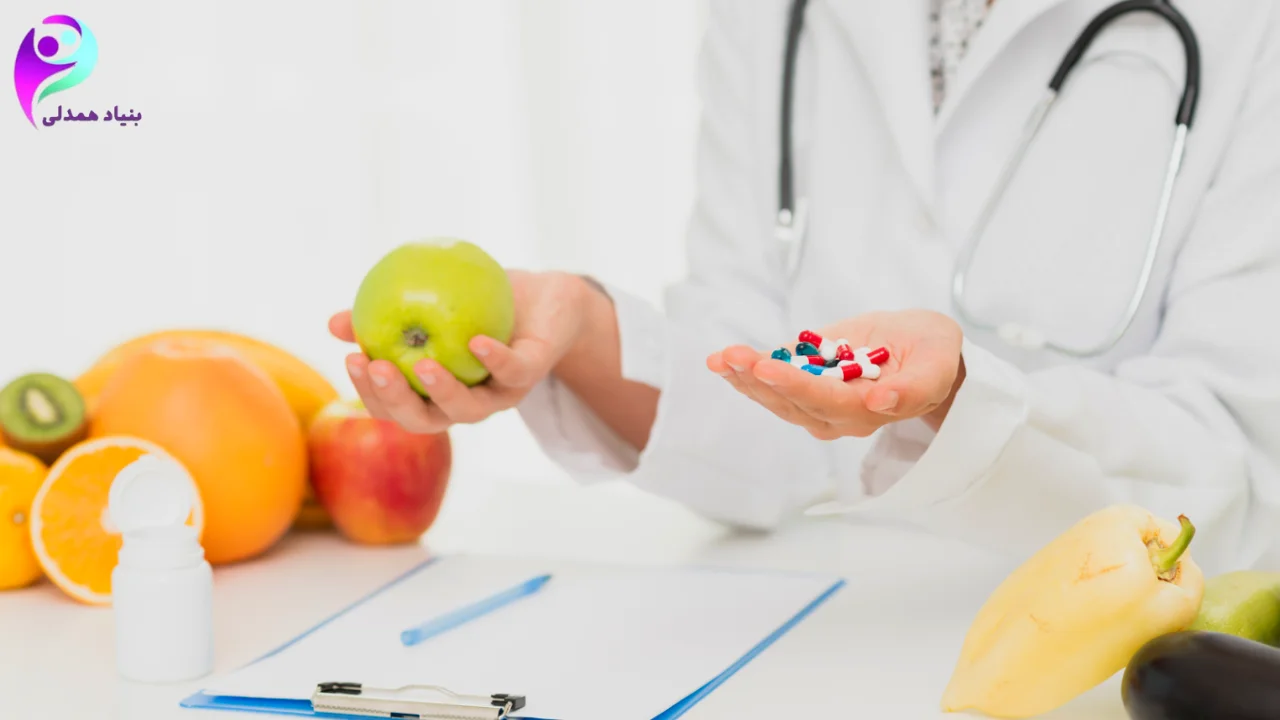
Proper nutrition for cancer patients during chemotherapy | Why is nutrition vital during chemotherapy?
Chemotherapy, one of the main treatments for cancer, not only targets cancer cells, but can also affect healthy cells. This process may cause side effects such as nausea, weakness, loss of appetite, mouth sores, and changes in the way food tastes. Therefore, the role of nutrition during chemotherapy is not just to provide energy; it also includes improving quality of life, reducing side effects, and strengthening the body to cope with treatment.
The Hamdali Foundation is a support group in the field of helping cancer patients, which aims to reduce treatment concerns, cover essential expenses, and boost patients’ morale. The foundation, with public donations and the participation of donors, tries to make the treatment path smoother for patients and their families. If you are interested in supporting them, you can do so through online payment, telephone contact, or online chat. Also, people who need help or advice can simply contact the foundation’s support team through these communication channels to receive the necessary guidance.
Basic principles of nutrition during chemotherapy
Nutrition during this period should pursue three key goals:
Maintaining body weight
Increasing energy and body strength
Strengthening the immune system
To achieve these goals, a combination of protein, complex carbohydrates, healthy fats, vitamins, and adequate fluids is recommended.
Protein: A Key Element for Body Regeneration
The body needs high-quality protein to repair tissues damaged by chemotherapy. The following sources are important:
White meat (chicken, turkey)
Eggs
Legumes (lentils, chickpeas)
Low-fat dairy
Soy and tofu
Note: If the patient is experiencing nausea, protein can be consumed in the form of light soups or protein smoothies.
Carbohydrates; The Body’s Main Fuel During Treatment
Carbohydrates provide the energy needed to perform daily activities. Choosing healthy sources such as:
Brown rice
Whole grain breads
Baked potatoes
Oatmeal
Can help prevent energy dips and unwanted weight loss.
Healthy Fats; Essential but Controlled
Fats play an important role in providing calories. Sources of healthy fats include:
Olive oil
Avocado
Nuts (walnuts, almonds, raw pistachios)
Chia and flax seeds
Trans and saturated fats (such as fast foods, solid vegetable oil) should be avoided.
Fruits and Vegetables; Rich Sources of Antioxidants
Consuming a variety of colored fruits and vegetables is highly recommended, as they are rich in vitamins, minerals, and antioxidants.
Recommended:
Baked or steamed vegetables such as carrots, squash, and beets
Soft fruits such as bananas, cantaloupe, and baked apples
Leafy vegetables such as spinach and lettuce
Drink plenty of fluids
Chemotherapy can dehydrate the body, so drink at least 8 glasses of fluids a day. Good choices:
Plain water
Coconut water
Natural fruit juices (diluted)
Mild herbal teas like chamomile
Foods to Avoid
During chemotherapy, certain foods may worsen the patient’s condition, including:
Fried and fatty foods
Processed meats (sausages, sausages)
Caffeinated drinks
Very spicy or very salty foods
Sweets and sugary drinks
Strategies to deal with loss of appetite and nausea
Eating small but frequent meals
Eating foods with mild odors
Eating fresh ginger or ginger tea
Placing ice cubes in your mouth to reduce nausea
Eating in a quiet, odor-free environment
Supplements; yes or no?
Some patients may need supplements due to malnutrition or weight loss, such as:
Protein supplements
Multivitamins
Iron or vitamin D supplements
But they should be taken in consultation with a doctor or nutritionist.
The Importance of Consulting a Nutritionist
Each patient is unique. Having a personalized diet plan tailored to the type of cancer, medications, and specific side effects is much more effective than generic diets.
The importance of proper nutrition in reducing the side effects of chemotherapy
Although chemotherapy is one of the effective methods in treating cancer, it is usually accompanied by numerous side effects. These side effects include nausea, vomiting, loss of appetite, mouth ulcers, diarrhea or constipation, and general weakness. In the meantime, proper nutrition plays an important role in reducing these side effects.
For example, consuming light, easily digestible, and low-fat foods in small, frequent meals can prevent nausea. Using soft, lukewarm foods is also beneficial for patients with mouth ulcers. For this reason, it is essential to have a personalized diet plan for each patient according to their physical condition.
Nutritional Supplements: Necessity or Choice?
Many patients experience vitamin or mineral deficiencies during chemotherapy. Supplements such as vitamin D, vitamin B12, iron, magnesium, and zinc can help improve a patient’s quality of life. However, taking these supplements without consulting a doctor or nutritionist may cause side effects or interfere with chemotherapy drugs. Therefore, it is important that any supplement is prescribed with careful consultation and review.
Foods to Avoid
During chemotherapy, some foods may put a weakened immune system at greater risk or worsen side effects. Foods to avoid or limit include:
Raw or undercooked foods, such as sushi, raw eggs, or undercooked meat
Unpasteurized or local dairy products
Unwashed or unpasteurized fruits and vegetables
Fatty and fried foods, which may cause nausea
Sweets and simple sugars, which provide quick but short-term energy
The Role of Nutritional Psychology in Treatment
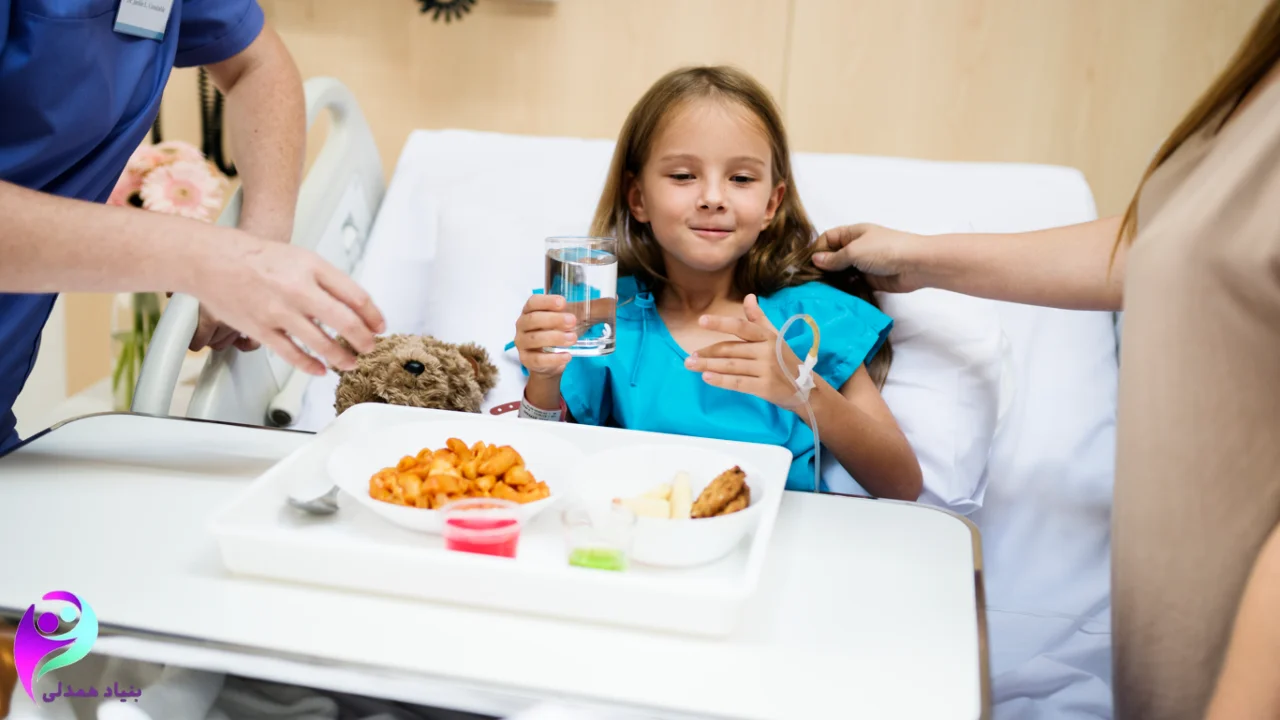
Sometimes overlooked is the deep connection between nutrition and the psychological state of cancer patients. Patients who feel calm, supported, and secure tend to cope better with the side effects of chemotherapy and are more likely to eat well. Therefore, a calm environment, family support, and even the use of attractive dishes or foods that look good can increase motivation to eat.
Food Culture and Adaptation to Treatment Diet
In countries like Iran, foods such as barley soup, almond paste, vegetable soup, or lentil stew are traditionally consumed during illness. These foods, if prepared properly, can be beneficial for cancer patients. Of course, it should be noted that the amount of spices, fat, or salt in these foods is controlled.
Nutrition’s Impact on Long-Term Recovery
Proper nutrition is important not only during chemotherapy but also during recovery. Patients who receive adequate nutrients during treatment typically:
Heal faster
Have more energy to fight illness
Maintain a more stable weight
Be more resistant to infections
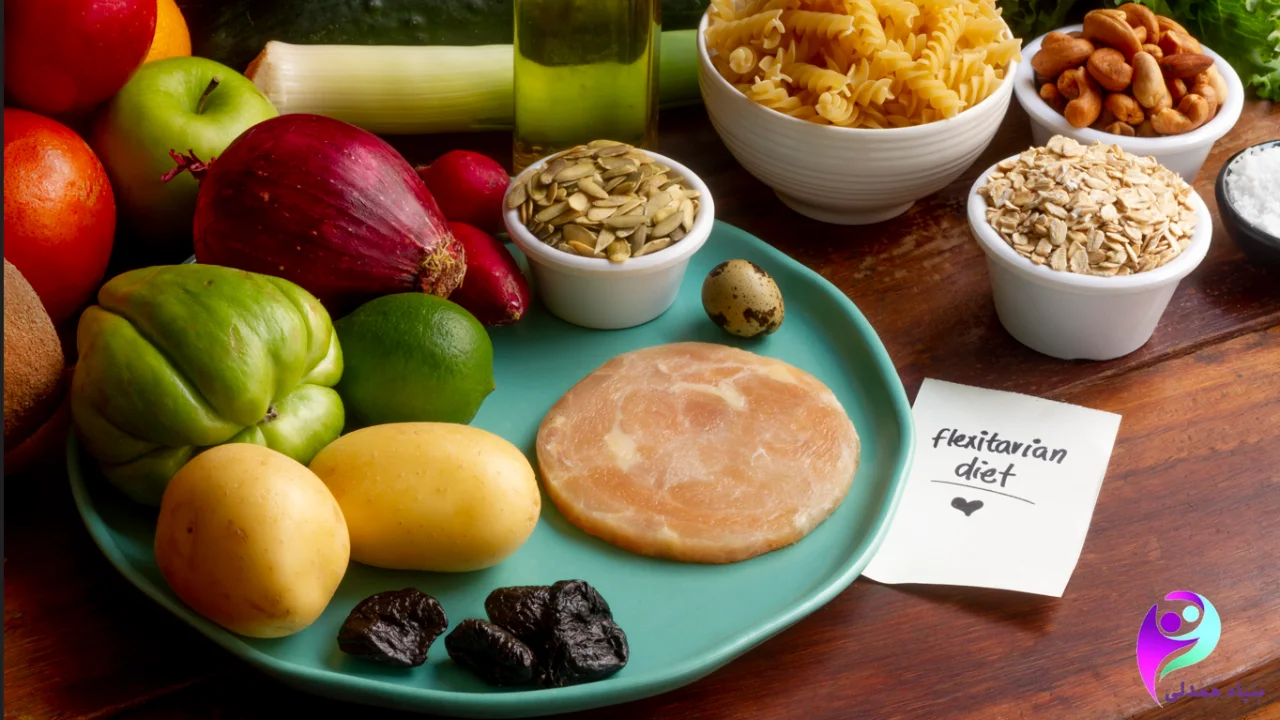
Important tips from nutritionists about the diet of cancer patients
Advice from nutritionists during chemotherapy indicates that the focus should be on nutrition that:
Strengthens the immune system.
Helps reduce the side effects of chemotherapy.
Maintains or increases the patient’s appetite.
Important advice: Always consult with your doctor or nutritionist to ensure that your diet is in line with your physical condition.
Tips for Families: How to Help a Patient Eat Better
Keep the eating environment calm and stress-free.
Prepare the patient’s favorite foods, following nutritional principles.
Provide small but frequent meals.
Do not force the patient to eat; patience and emotional support are very effective.
Nutrition after chemotherapy: Dos and Don’ts
Dos:
Drink plenty of fluids.
Eat cooked, soft foods.
Eat protein sources such as eggs, dairy, beans, and chicken.
Don’ts:
Avoid fatty, spicy, or processed foods.
Avoid foods that are too cold or too hot.
Avoid taking supplements without a doctor’s prescription.
The Role of Vitamins and Minerals in Improving the Condition of Chemotherapy Patients
One of the most important components of proper nutrition during chemotherapy is adequate and balanced intake of vitamins and minerals. Because as a result of heavy treatments, the body often suffers from nutritional deficiencies, which can cause reduced energy, a weakened immune system, hair loss, and a slow recovery process.
Important vitamins for cancer patients:
Vitamin C: A powerful antioxidant found in fruits such as oranges, kiwis, and bell peppers.
Vitamin E: Helps strengthen the immune system and is found in seeds, nuts, and vegetable oils.
Vitamin D: Most cancer patients are deficient in this vitamin. Sunlight and fortified dairy products are important sources.
B vitamins (especially B6 and B12): Help maintain energy and brain function.
Essential minerals:
Iron: Very important for preventing anemia. Good sources include cooked red meat, lentils, spinach, and eggs.
Zinc: Plays a role in tissue repair and maintaining the sense of taste.
Calcium and magnesium: Vital for healthy bones, muscles, and nerves, especially in patients receiving anticancer drugs that cause bone loss.
Note: Supplements should only be taken with the advice of a doctor. Overdosing or interacting with medications can be harmful.
- The role of water and fluids in reducing chemotherapy side effects
- During chemotherapy, patients may become dehydrated, especially if they experience nausea, diarrhea, or vomiting. Drinking water and healthy fluids is one of the most important nutritional principles that should not be underestimated.
- Useful drinks:
- Plain water (the most important drink)
- Mild teas such as chamomile or ginger (reduce nausea)
- Coconut water (for electrolytes)
- Light soups (a combination of liquid and nutrients)
- Homemade smoothies with low-sugar fruits and probiotic yogurt
- Sugary, industrial, and carbonated drinks should be avoided. Also, drinks containing a lot of caffeine can increase urination and dehydrate the body.
- Alternative protein sources for vegetarian patients
- If a cancer patient is not interested in consuming meat or animal products or avoids them due to digestive problems, it is necessary to replace them with plant-based sources of protein.
- Suitable plant-based proteins:
- Beans, lentils, chickpeas, and chickpeas
- Soybeans and their products such as tofu
- Nuts and seeds (almonds, walnuts, hazelnuts)
- Seeds such as chia, sesame, flaxseed
- Whole grains such as quinoa, oats, brown rice
- For greater effectiveness, it is better to include plant-based sources in different daily meals to provide all the amino acids the body needs.
- Summary: Step by step to healthier eating during treatment
- Consult a nutritionist.
- Eat fresh, cooked, and safe foods.
- Eat small, frequent meals.
- Get psychological and family support.
- Take supplements only with your doctor’s advice.
- Adapt your diet to your tastes and food culture.
- Conclusion: Good Nutrition, Better Treatment
- Proper nutrition for cancer patients during chemotherapy is a key factor in facilitating the treatment process and reducing its complications. By following the principles mentioned, the patient’s quality of life can be improved and the energy needed to fight cancer can be provided.
- Frequently Asked Questions:
- 1. Should chemotherapy patients eat meat?
- Yes, white meat and lean red meat are good sources of protein, but if you have nausea, you can replace it with lentils, soy, eggs, or dairy.
- 2. What are the best fruits for chemotherapy patients?
- Fruits such as bananas, baked apples, pomegranates, watermelon, and plums are both easy to digest and provide energy.
- 3. Is dairy beneficial?
- In most cases, low-fat dairy (yogurt, milk, cheese) is beneficial, but if a person experiences nausea or bloating, it is better to consult a doctor.
- 4. What to do if there is no appetite?
- Divide food into smaller and more frequent meals, use smoothies and nutritious soups, and be sure to drink enough water.
- The author of the article:Erfan

