

Symptoms of bowel cancer in women: Recognizing Symptoms and Prevention
Colon cancer is one of the most common cancers in the world, and women are not immune to it. Recognizing the symptoms of colon cancer in women can save lives, as early detection greatly increases the likelihood of successful treatment. This article examines the symptoms, risk factors, diagnosis methods, and prevention methods.
The Hamdali Foundation Charity is a support group in the field of helping cancer patients, which aims to reduce treatment concerns, cover essential expenses, and boost patients’ morale. With public donations and the participation of donors, this foundation tries to make the treatment path smoother for patients and their families. If you are interested in supporting, you can do so through online payment, telephone contact, or online chat. Also, people who need help or advice can simply contact the foundation’s support team through these communication channels to receive the necessary guidance.
- Introduction to bowel cancer in women
- Common symptoms of bowel cancer in women
- Risk factors for bowel cancer in women
- Diagnosis of bowel cancer in women
- Preventing Colon Cancer
- Bowel Cancer and Its Impact on Women
- Bowel cancer treatment in women
- Psychological support for patients
- Part 11: Ignored Symptoms in Women
- The effect of hormones on bowel cancer in women
- A healthy diet to reduce risk
- The importance of regular screening
- Post-treatment care
- Physical Activity and Prevention
- The Role of Stress and Mental Health
- Expert advice for women
- Summary
- Frequently asked questions about bowel cancer in women
Introduction to bowel cancer in women
Colon cancer is a type of cancer that usually develops in the large intestine or rectum. In women, the disease is sometimes accompanied by general symptoms, such as changes in the digestive system, but in the early stages it may be completely asymptomatic. For this reason, it is very important to be aware of the early signs and have regular tests.
Studies show that women over 50 are at higher risk, but genetic factors, an unhealthy diet and a sedentary lifestyle can also increase this risk.
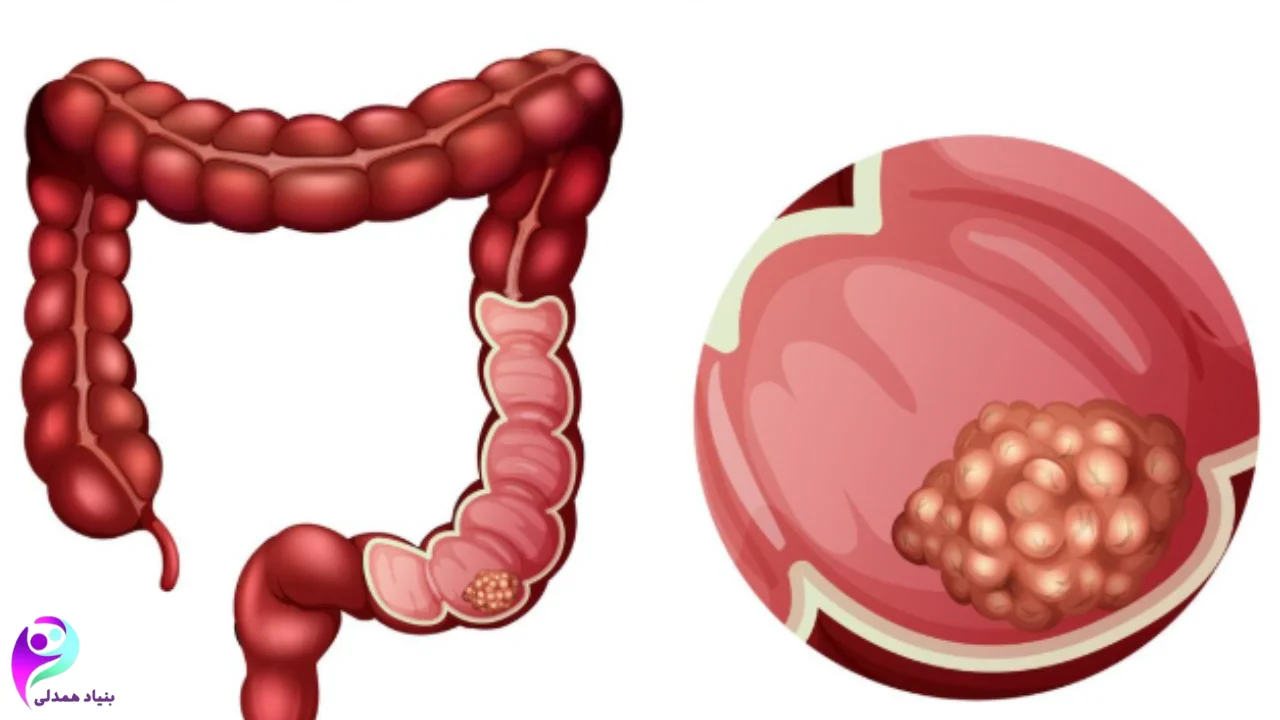
Common symptoms of bowel cancer in women
Recognizing early signs can be the difference between successful treatment and progression of the disease. Common symptoms include:
1. Changes in bowel habits
Persistent constipation or diarrhea
Changes in the shape and diameter of stools
Feeling of incomplete evacuation after a bowel movement
These changes may be confused with other digestive diseases, but their persistence can be a sign of bowel cancer.
2. Blood in the stool
Seeing bright or dark red blood
The blood may be hidden and only detected with special tests
3. Abdominal pain and discomfort
Unusual cramping, bloating, or pain in the abdomen
The pain may worsen with eating or defecation
4. Sudden weight loss
Without a change in diet or exercise
Unexplained weight loss can be a sign of cancer cell growth
5. Persistent fatigue and weakness
Anemia due to intestinal bleeding
Feeling of general weakness and loss of energy
6. Bloating and feeling of fullness
Gas buildup and feeling of heaviness
This symptom is usually associated with changes in the bowel
Risk factors for bowel cancer in women
Several factors can increase the risk of developing bowel cancer in women. The most important of these are:
- Age over 50
- A family history of bowel cancer
- Unhealthy diet: high consumption of red and processed meat, lack of fiber
- Obesity and physical inactivity
- Smoking and alcohol consumption
- A history of inflammatory bowel diseases such as ulcerative colitis
Diagnosis of bowel cancer in women
Early detection is crucial for treatment. The main methods include:
1. Colonoscopy
A complete examination of the colon using a tube equipped with a camera
Can remove precancerous polyps and remove them
2. Stool test
Fecal occult blood test (FOBT)
Stool DNA test for genetic changes
3. Imaging
CT scan, MRI, or CT colonography
Helps determine the stage of the disease
4. Blood tests
Checks levels of tumor antigens such as CEA
Helps monitor treatment and detect recurrence
Preventing Colon Cancer
Prevention plays an important role in reducing the incidence. Effective measures include:
1. Healthy diet
Eating fruits, vegetables, and whole grains
Limiting red and processed meat
2. Regular physical activity
At least 30 minutes of exercise daily
Losing weight and maintaining a healthy gut
3. Avoiding smoking and alcohol
Smoking and alcohol can greatly increase the risk of developing the disease
4. Regular screening
Women over 45 to 50 should have a colonoscopy every 5 years
Annual stool test to detect occult blood
5. Management of underlying diseases
Controlling diabetes, blood pressure, and inflammatory bowel disease
Bowel Cancer and Its Impact on Women
Women may experience different symptoms than men. For example:
- More or less severe abdominal pain
- Bloating and hormonal changes that complicate symptoms
Awareness of these differences can help with early detection and can increase the chances of successful treatment.
Bowel cancer treatment in women
Treatment varies depending on the stage of the disease:
1. Surgery
Removing the cancerous part of the bowel
In the early stages, it is often the most effective method
2. Chemotherapy
To destroy remaining cancer cells
Usually recommended after surgery
3. Radiation therapy
Less used in colon cancer, but effective in rectal cancer
Reduces recurrence of the disease and controls the tumor
4. Targeted and immunotherapies
Drugs that target the growth of cancer cells
Suitable for advanced stages and prevents metastasis
Psychological support for patients
A cancer diagnosis can cause severe stress and anxiety. Support measures include:
- Psychological counseling and support groups
- Relaxing exercises such as yoga and meditation
- Support from family and friends
Psychological support can improve quality of life and the treatment process.

Part 11: Ignored Symptoms in Women
Sometimes the symptoms of bowel cancer in women are mistaken for other diseases. Some of the lesser-known symptoms include:
Changes in skin and nail color: Anemia from intestinal bleeding can cause nails to become pale and brittle.
A persistent feeling of bloating or gas: If this condition persists for more than two weeks, it requires medical attention.
A feeling of pressure in the pelvis or rectum: Women may feel like they have to defecate frequently, even without having a bowel movement.
Burning or pain during bowel movements: This should be taken seriously, especially if it is accompanied by bleeding.
Paying attention to these symptoms, even if they are mild, can allow for early detection and increase the chances of treatment.
The effect of hormones on bowel cancer in women
Hormones play an important role in women’s bowel health. Hormonal changes, especially during menopause, can increase the risk of bowel cancer. Studies show:
Oestrogen may have a protective effect, so a decrease in its levels during menopause can increase the risk of the disease.
Women with polycystic ovary syndrome (PCOS) or hormonal disorders should be screened regularly.
Taking hormone replacement therapy (HRT) can have complex effects and should be monitored by a doctor.
A healthy diet to reduce risk
Diet plays a very important role in preventing and controlling bowel cancer. Key points include:
Eating enough fiber: vegetables, fruits, whole grains, and legumes
Reducing red and processed meat: Excessive consumption of red meat is linked to an increased risk of bowel cancer
Healthy fats: olive oil, fish, and nuts can reduce the risk of the disease
Enough fluids: water and sugar-free drinks are essential for a healthy gut
Adding probiotics, such as natural yogurt and kefir, to your diet also helps improve your gut microbiome and may reduce your risk of cancer.
The importance of regular screening
Regular screening is the most important tool for early detection of colon cancer. Recommendations:
- Women over 45: Colonoscopy every 5 years
- Women with a family history: Start screening earlier and at shorter intervals
- Fecal occult blood test: Annually to detect occult blood
- CT colonography: If colonoscopy is not possible
Screening helps detect precancerous polyps and prevents them from turning into cancer.
Post-treatment care
Women need special care after treatment for bowel cancer:
- Regular follow-up with a doctor: to prevent the cancer from coming back
- Healthy diet and an active lifestyle: to improve overall health
- Psychosocial support: participating in support groups and counseling
- Monitoring for treatment side effects: such as digestive problems, fatigue, and pain
Post-treatment care can improve quality of life and reduce the chance of recurrence.
Physical Activity and Prevention
Regular exercise is one of the most effective ways to reduce the risk of bowel cancer:
- At least 30 minutes of walking or light exercise daily
- Regular physical activity increases bowel movements, reduces obesity and controls inflammation
- Regular exercise also controls blood pressure and blood sugar levels, which helps reduce the risk
The Role of Stress and Mental Health
Chronic stress and depression can affect the immune system and make prevention and treatment difficult. Recommendations:
- Meditation and breathing exercises
- Yoga and light exercise
- Support from family and friends
Mental health is part of overall health and plays an important role in cancer prevention.
Expert advice for women
- Take any abnormal bleeding or changes in stool seriously
- Take screening seriously, even if you have no symptoms
- Live a healthy lifestyle including a balanced diet, exercise, reducing alcohol consumption and quitting smoking
- Keep your information up to date and consult your doctor if you have a family history
Summary
Recognizing the signs of bowel cancer in women and taking preventive measures can save many lives. Regular screening, a healthy diet, exercise, and psychological support all play a vital role in prevention and improving quality of life. Women should be alert to changes in their bowel habits and take any unusual symptoms seriously.
Frequently asked questions about bowel cancer in women
1. Is bowel cancer hereditary?
Yes, having a family history can increase the risk.
2. Can younger women get bowel cancer?
Yes, although the most common age group is women over 50.
3. What is the best way to prevent it?
Regular screening, a healthy diet and regular physical activity.
4. Are early symptoms always obvious?
No, some women are asymptomatic in the early stages.
5. Can a healthy lifestyle completely prevent cancer?
Not completely, but it greatly reduces the risk.
Article author:Erfan

