
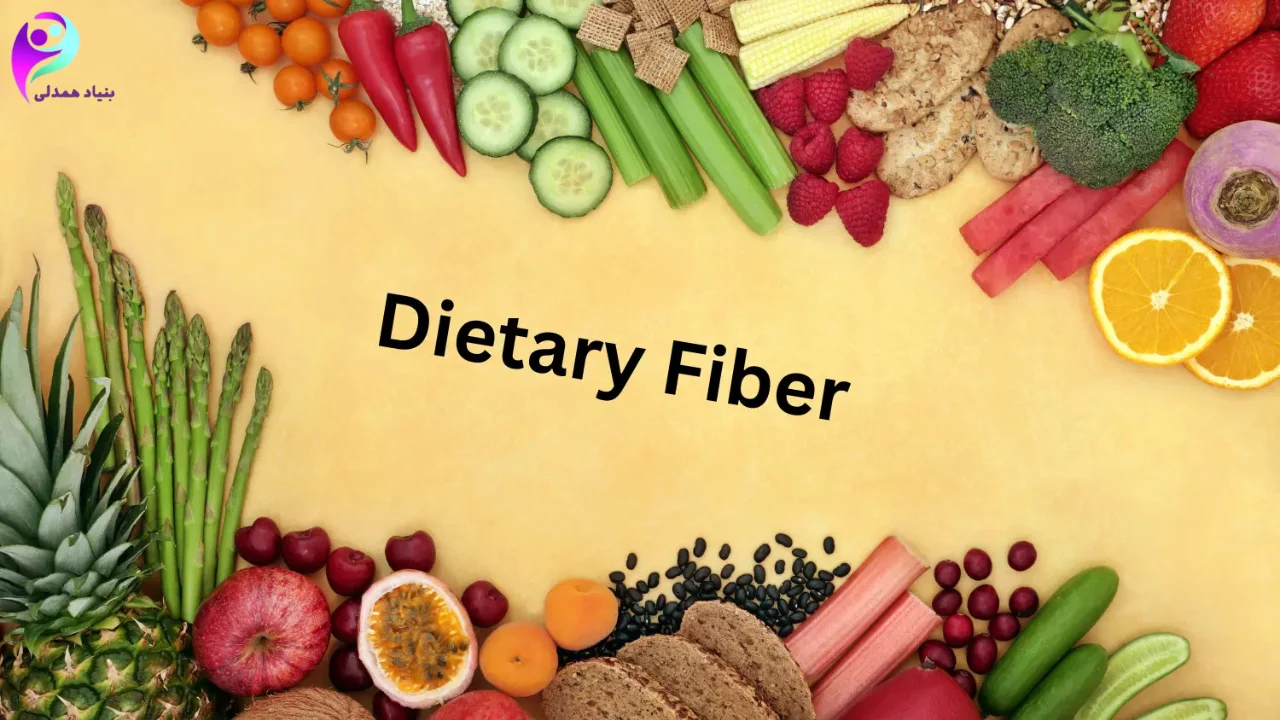
The role of fiber in reducing the risk of colon cancer
Colon cancer is one of the most common types of digestive tract cancer, claiming thousands of lives worldwide each year. Numerous scientific studies have shown that nutrition plays a direct and vital role in the development or prevention of this type of cancer. Among all nutrients, dietary fiber has a special place in maintaining colon health and preventing the growth of cancer cells.
Fiber is the indigestible part of plants found in fruits, vegetables, legumes, and whole grains and can strengthen the health of the digestive tract from within.
The Hamdali Foundation Charity is a support group in the field of helping cancer patients, which aims to reduce treatment concerns, cover essential expenses, and boost the spirits of patients. With public donations and the participation of donors, this foundation tries to make the treatment path smoother for patients and their families. If you are interested in supporting, you can do so through online payment, telephone contact, or online chat. Also, people who need help or advice can easily contact the foundation’s support team through these communication channels to receive the necessary guidance.
- What is fiber and why is it essential for the body?
- Direct connection of fiber with colon cancer prevention
- The impact of fiber on overall gut health
- Fiber and Natural Anti-Cancer Compounds
- Daily fiber intake to prevent colon cancer
- The Relationship Between Fiber and Gut Microbiome Health
- Fiber’s Role in Weight and Blood Sugar Control
- The best time and way to consume fiber
- Fiber Supplements: Helpful or Harmful?
- Lifestyle Role in Fiber
- Fiber and Colon Cancer Patients
- The effect of fiber on the repair of intestinal tissues after inflammation or cancer treatment
- Fiber and Detoxification
- Fiber and Hormone Control
- Fiber in the Mediterranean Diet; A Golden Pattern
- Fiber and its role in regulating bowel movements
- Fiber intake during recovery after colon surgery
- The effect of fiber on nutrient absorption and general health
- Fiber’s Role in Preventing Other Cancers
- Tips for increasing your fiber intake in your daily life
- The impact of fiber in children and youth for long-term prevention
- Future Research on Fiber and Colon Cancer
- Summary
- Frequently Asked Questions About Fiber’s Role in Reducing Colon Cancer Risk
What is fiber and why is it essential for the body?
Fiber is divided into two main types:
Soluble fiber: dissolves in water and forms a gel in the intestines. This type of fiber helps lower cholesterol and regulate blood sugar.
Insoluble fiber: does not dissolve in water and increases the volume of stool and facilitates bowel movements.
The human body cannot digest fiber, but this very property allows it to naturally cleanse the intestines and prevent the accumulation of harmful substances.
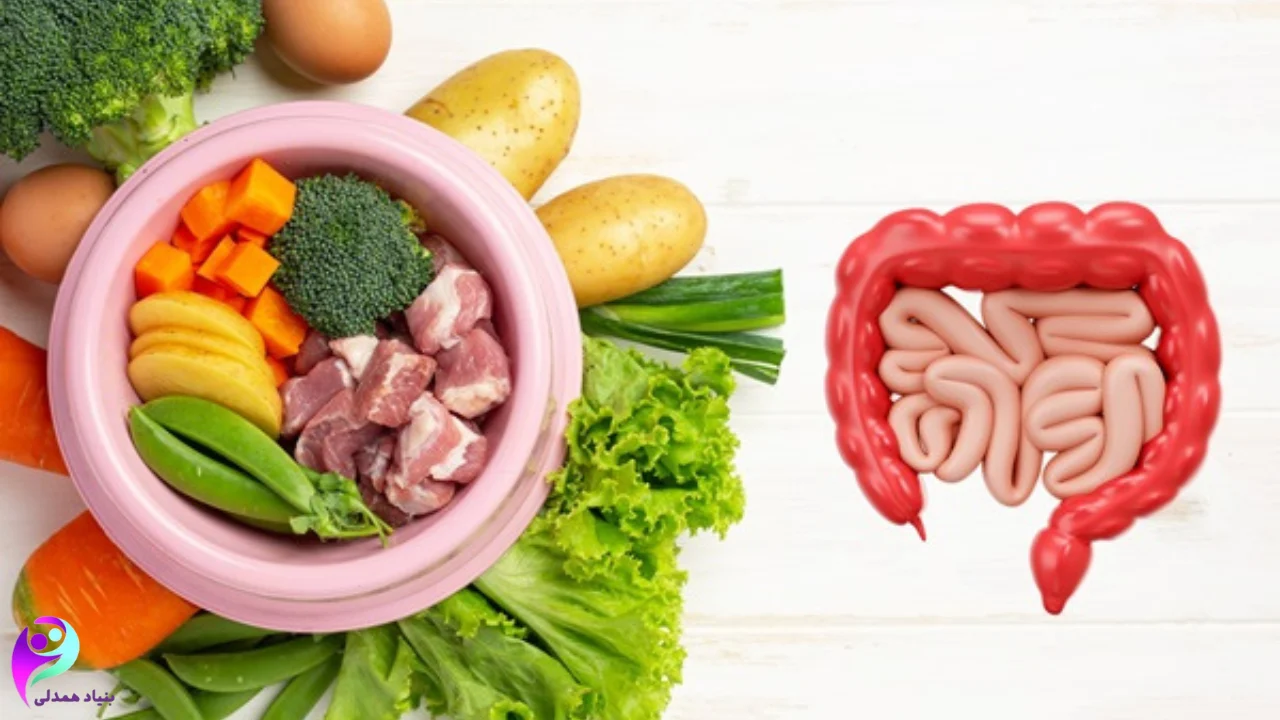
Direct connection of fiber with colon cancer prevention
According to research conducted at Harvard University, people who consume more than 30 grams of fiber per day are about 40% less likely to develop colon cancer than others. The reason for this is a few key mechanisms:
Reducing the contact time of carcinogens with the intestinal wall
Fiber accelerates the passage of food through the intestines, thus reducing the contact time of toxic and carcinogenic substances with colon cells.
Feeding beneficial intestinal bacteria (probiotics)
Fiber acts as a “prebiotic” and provides the necessary food for the growth of beneficial intestinal bacteria. These bacteria produce compounds such as “butyrate” that have anti-cancer properties in the process of fiber fermentation.
Reducing inflammation and strengthening the immune system
Fiber reduces the level of systemic inflammation in the body and, by strengthening immunity, prevents the growth of abnormal cells.
The impact of fiber on overall gut health
Consuming fiber not only reduces the risk of colon cancer, but also helps improve many digestive problems. Including:
Preventing chronic constipation
Reducing the likelihood of developing polyps in the colon
Regulating the gut microbiome
Increasing the absorption of essential minerals such as magnesium and zinc
For this reason, nutritionists recommend that fiber be an integral part of everyone’s daily diet, especially those at risk of colon cancer.
Fiber and Natural Anti-Cancer Compounds
Fiber is not the only effective factor in reducing the risk of colon cancer, but its consumption helps to better absorb other anti-cancer compounds such as antioxidants, polyphenols and vitamin C. These substances are found in fresh fruits and vegetables and, along with fiber, form a strong defensive shield against cancer cells.
Daily fiber intake to prevent colon cancer
According to the World Health Organization (WHO) recommendations:
Adult men should consume about 35 grams of fiber per day.
Adult women should consume about 25 grams of fiber per day.
Excessive fiber intake may also cause problems such as bloating and intestinal gas, so increasing it should be gradual and accompanied by adequate water intake.
The Relationship Between Fiber and Gut Microbiome Health
The gut microbiome is a collection of trillions of beneficial bacteria that play a vital role in digestive health. Fiber is the main fuel for these bacteria.
When bacteria ferment fiber, short-chain fatty acids (SCFAs) such as butyrate are produced. Butyrate has anti-inflammatory properties and prevents normal cells from turning into cancer cells.
Fiber vs. Red Meat and Saturated Fat
A high intake of red meat and processed foods is a major risk factor for colon cancer. But research has shown that fiber can help offset some of the negative effects of these foods.
For example, fiber can reduce the absorption of cancer-causing compounds when eaten with meat, vegetables, or whole grains.
Fiber’s Role in Weight and Blood Sugar Control
Being overweight and type 2 diabetes are important risk factors for colon cancer. Fiber helps control weight and prevent obesity by increasing feelings of fullness and regulating blood sugar. People who eat a high-fiber diet tend to consume fewer calories, which means they are less likely to develop chronic diseases.
The best time and way to consume fiber
Consume fiber throughout the day and with meals.
Drinking enough water (at least 8 glasses a day) is essential.
A combination of soluble and insoluble fiber works best.
Avoid consuming large amounts of fiber at once to avoid digestive upset.
Fiber Supplements: Helpful or Harmful?
If your diet is low in fiber, you may want to consider taking supplements like psyllium or Metamucil. While supplements can help, they are no substitute for the natural fiber found in fruits and vegetables, which comes with hundreds of other beneficial compounds.
Lifestyle Role in Fiber
Fiber is only one part of an anti-cancer lifestyle. Factors such as regular exercise, quitting smoking, reducing stress, and getting enough sleep also have a significant impact on gut health.
A combination of healthy eating and physical activity can improve gut function and increase metabolism.
Fiber and Colon Cancer Patients
In patients with colon cancer, fiber can improve the treatment process. Fiber consumption reduces constipation caused by medications and chemotherapy, increases energy levels, and helps rebuild healthy cells.
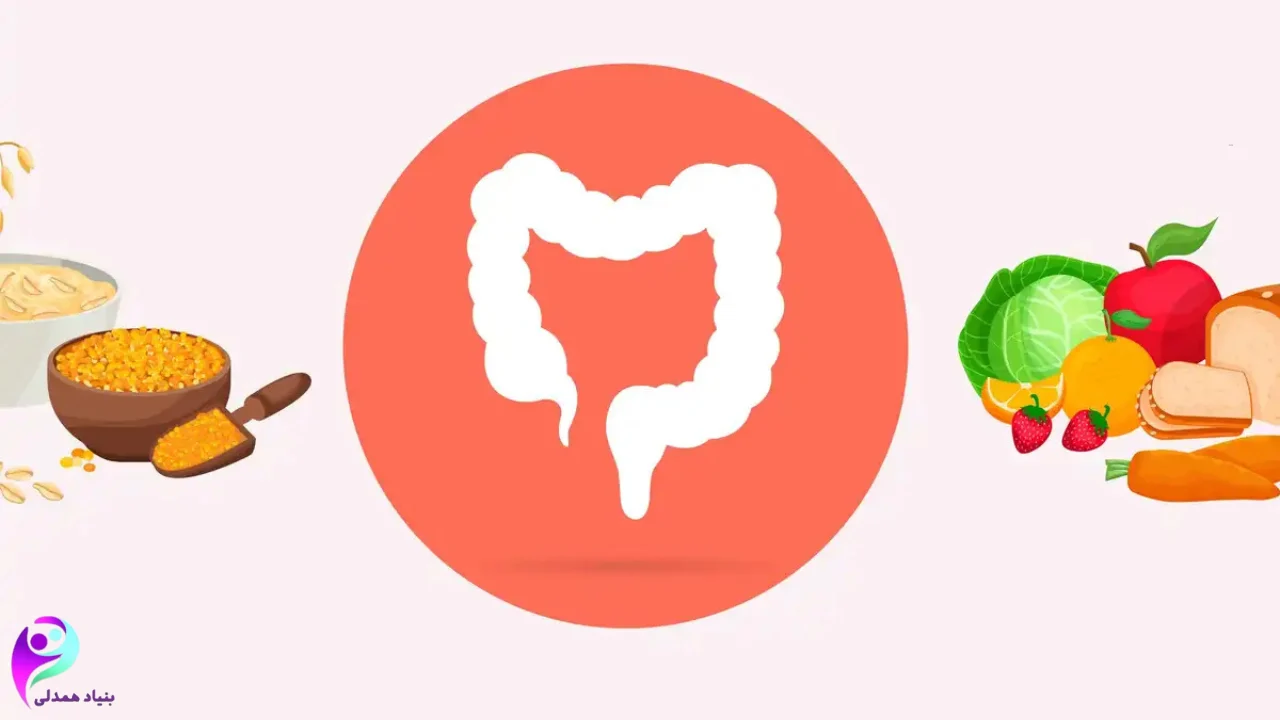
The effect of fiber on the repair of intestinal tissues after inflammation or cancer treatment
In many cases, patients undergoing heavy treatments such as chemotherapy or radiation therapy of the colon experience inflammation and damage to the intestinal wall. Fiber can play an important role in the regeneration and repair of these tissues.
Soluble fiber promotes the regeneration of epithelial cells by creating a calm environment in the intestine and helping to maintain proper moisture. On the other hand, insoluble fiber prevents the accumulation of harmful bacteria by stimulating natural bowel movements.
As a result, the appropriate combination of the two types of fiber in the diet of patients helps to accelerate the healing process and reduce chronic intestinal inflammation.
Fiber and Detoxification
One of the most important benefits of fiber is its role in removing toxins and harmful compounds from the body. Fiber acts like a sponge and removes them from the body by absorbing dangerous chemicals, heavy metals and carcinogenic compounds.
People who have a low-fiber diet usually experience a buildup of toxic substances in the intestines, which in the long run can lead to cell mutations and ultimately the development of colon cancer.
For this reason, experts recommend that even healthy people consume natural sources of fiber such as wheat bran, fresh vegetables and legumes daily.
Fiber and Hormone Control
One of the interesting findings in recent research is that fiber not only affects gut health, but also the body’s hormonal balance.
Soluble fiber helps balance growth hormones and metabolism by reducing the absorption of harmful fats and regulating insulin levels. Since high insulin levels are associated with a higher risk of colon cancer, fiber could indirectly play a role in reducing the growth of abnormal cells in the colon.
Fiber in the Mediterranean Diet; A Golden Pattern
The Mediterranean diet, which is based on the consumption of fruits, vegetables, whole grains, olive oil and fish, is considered one of the healthiest diets in the world.
This diet is naturally rich in fiber, and studies have shown that people who follow this pattern are less likely to develop colon cancer, diabetes and heart disease.
In particular, high consumption of green leafy vegetables, lentils, chickpeas and nuts increases beneficial fiber and strengthens the gut microbiome.
Fiber and its role in regulating bowel movements
Constipation is an important risk factor for colon cancer, as it increases the contact time of carcinogens with the intestinal wall. Fiber helps to move the digestive tract more regularly by increasing the volume of stool and softening it.
People who consume enough fiber usually have regular bowel movements at least once a day. This order allows waste products to be eliminated from the body more quickly and reduces the chance of inflammation or cellular changes.
Fiber intake during recovery after colon surgery
After colon surgery, the patient must follow a special diet to give the intestines a chance to rebuild. During this period, doctors usually prescribe a low-fiber diet at first to avoid putting too much pressure on the digestive tract.
However, after the initial recovery, fiber is gradually introduced into the diet to restore normal bowel function. Gradual fiber intake helps prevent constipation, inflammation, and infection.
The effect of fiber on nutrient absorption and general health
Fiber indirectly improves the absorption of minerals such as calcium, magnesium, and zinc. These substances play a key role in the health of the immune system and the normal functioning of cells.
Fiber also prevents sudden increases in blood sugar and helps stabilize the body’s energy levels. This is very important for cancer patients who often experience general weakness and low energy.
Fiber’s Role in Preventing Other Cancers
Although this article focuses on colon cancer, studies have shown that high fiber intake can also reduce the risk of other cancers, such as breast, stomach, and pancreatic.
This is because of fiber’s overall effects on reducing inflammation, controlling weight, regulating blood sugar, and improving overall digestive health.
Tips for increasing your fiber intake in your daily life
Start your day with oatmeal or whole-grain bread
Add raw or steamed vegetables to every meal
Eat legumes like lentils and chickpeas at least three times a week
Replace processed snacks with dried fruits or nuts
Drink plenty of water with fiber to prevent bloating
By implementing these few simple habits, you can double your daily fiber intake and reap its significant benefits for gut health.
The impact of fiber in children and youth for long-term prevention
Starting a healthy diet from childhood has a lasting impact on future health. Children who are accustomed to consuming fruits, vegetables, and whole grains from an early age will have a stronger digestive system and are less likely to develop diseases such as colon cancer in adulthood.
For this reason, educating parents about the importance of fiber in children’s nutrition is one of the important measures to prevent cancer in society.
Future Research on Fiber and Colon Cancer
Scientists are looking more closely at the link between the type of fiber and the degree to which it protects against colon cancer. Some research suggests that fiber from whole grains may have a stronger effect than fiber from fruits.
There is also research investigating the role of fiber in gene therapy for colon cancer, as compounds from fiber fermentation may affect the expression of anti-cancer genes.
Summary
Fiber is a simple but life-saving ingredient that can make a big difference in gut health and colon cancer prevention. A diet rich in fruits, vegetables, whole grains, and legumes not only keeps your digestive system healthy, but also boosts your immune system.
A regular fiber intake, along with a healthy lifestyle, is one of the best natural ways to reduce your risk of colon cancer and maintain long-term health.
Frequently Asked Questions About Fiber’s Role in Reducing Colon Cancer Risk
1. How exactly does fiber prevent colon cancer?
Fiber increases stool bulk, reduces the time waste stays in the intestines, and thus reduces the intestinal wall’s contact with carcinogens. Fiber fermentation in the intestines also produces short-chain fatty acids that prevent the growth of abnormal cells.
2. What are the best sources of fiber to prevent colon cancer?
Natural and rich sources of fiber include whole grains, oats, legumes (lentils, peas, beans), fruits (apples, pears, figs), and vegetables (broccoli, carrots, spinach). Nuts and seeds such as almonds, flaxseeds, and chia are also beneficial.
3. How much fiber should you consume per day to prevent colon cancer?
On average, adults should consume between 25 and 35 grams of fiber per day. Of course, this amount may vary slightly depending on age, gender, and health status.
4. Can too much fiber be harmful?
In some people, consuming too much fiber without drinking enough water may cause bloating, gas, or abdominal discomfort. Therefore, it is recommended to increase fiber intake gradually and with plenty of water.
5. Is fiber also beneficial for patients with colon cancer?
Yes, but depending on the patient’s condition. In the early stages of the disease, fiber intake improves bowel movements and reduces inflammation. However, after surgery or during active treatment, your doctor may recommend a low-fiber diet for a short time to give your intestines a chance to heal.
6. What is the difference between soluble and insoluble fiber in intestinal health?
Soluble fiber dissolves in water and forms a gel; it regulates blood sugar and lowers cholesterol.
Insoluble fiber does not dissolve in water and helps food pass through the intestines more quickly.
Both types are essential for gut health and reducing the risk of colon cancer.
Article author:Erfan

