

What is breast screening? A comprehensive guide to early detection of breast cancer
Breast cancer is the most common type of cancer among women worldwide, affecting millions of women each year. The good news is that if the disease is detected in its early stages, the chances of successful treatment and a return to a healthy life are very high. This is where breast screening comes in. Screening is actually a series of periodic tests and examinations that can identify abnormal changes in breast tissue even before symptoms of cancer appear.
In this comprehensive article, we will learn everything about breast screening: from its concept and purpose to methods, the right time to perform it, interpreting the results, misconceptions and expert advice. If your health or that of your loved ones is important to you, do not miss this guide.
The Hamdali Foundation Charity is a support group in the field of helping cancer patients, which aims to reduce treatment concerns, cover necessary expenses and boost the spirits of patients. The foundation works with public donations and the participation of donors to make the treatment path easier for patients and their families. If you are interested in supporting us, you can do so through online payment, telephone contact, or online chat. Also, people who need help or advice can simply contact the foundation’s support team through these communication channels to receive the necessary guidance.
- What is breast screening?
- Main goals of breast screening
- Who should get breast screening?
- Main Breast Screening Methods
- How to prepare for breast screening?
- What do breast screening results mean?
- The Role of Lifestyle in Reducing Breast Cancer Risk
- The importance of early detection in reducing breast cancer mortality
- Breast screening, according to the National Cancer Institute, is as follows:
- What Is Screening?
- The Role of Genetics and Additional Tests in Screening
- Lifestyle and its impact on screening results
- Common Challenges of Breast Screening
- Expert advice to increase screening effectiveness
- Common Misconceptions About Breast Screening
- The Future of Breast Screening: New Technologies Are Coming
- The role of family and society in raising awareness among women
- The Bottom Line: Breast Screening Saves Lives
- Frequently Asked Questions About Breast Screening
What is breast screening?
Breast screening is a set of diagnostic procedures designed to detect breast cancer in its early, precancerous stages, even when a person has no symptoms. The main goal of these tests is to detect abnormal cells early and start treatment quickly to maximize the chances of treatment success.
Unlike breast exams, which are usually done in response to symptoms (such as a lump, discharge, or pain), screening is a preventive, periodic measure. These tests are usually done at regular intervals and for specific age groups.
Main goals of breast screening
Breast screening is not just a test; it is an essential step in maintaining women’s health. Its most important goals are:
- Early detection of breast cancer before it spreads to other tissues or organs
- Reducing the mortality rate from breast cancer
- Starting treatment at an early stage and increasing the likelihood of a complete recovery
- Reducing the intensity and invasiveness of treatment methods
- Ensuring the health of breast tissue in high-risk women
Who should get breast screening?
Although screening is beneficial for all women, the following groups need it more than others:
Women over 40: Regular screening is recommended to begin at age 40.
People with a family history: Women whose mother, sister, or aunt has had breast cancer should be screened at an earlier age.
People with BRCA1 and BRCA2 genetic mutations: These mutations significantly increase the risk.
Women with a history of chest radiation therapy at a young age.
People with suspicious symptoms: Even if they are under 40, they should not wait to get screened.
Main Breast Screening Methods
Breast screening consists of several main methods, each with its own uses, accuracy, and benefits:
1. Mammography – The Most Important Method
Mammography is an X-ray image of breast tissue and is the most common screening method. It can detect small lumps and tissue changes up to 2 years before they become palpable.
For women 40 to 50 years old, it is recommended every 1 to 2 years.
For women over 50, it is usually done once a year.
For high-risk women, it may begin as early as age 30.
Advantages:
High accuracy in early detection
Identifies very small lumps
Significantly reduces breast cancer mortality
Limitations:
Less accuracy in younger women with dense breast tissue
Possibility of false positives or negatives (although rare)
2. Breast ultrasound
Ultrasound uses sound waves to examine the internal structure of the breast. This method is usually a complement to mammography and is especially useful for women with dense breast tissue.
Uses:
Differentiate between solid masses and cysts
Further investigation of suspicious areas on mammography
Suitable for pregnant or breastfeeding women
3. Breast MRI (Magnetic Resonance Imaging)
MRI is recommended for women at very high risk. It is very accurate and detects the smallest changes, but it is not usually used as a general screening method.
Uses:
Women with a BRCA genetic mutation
Strong family history
More accurate evaluation after initial diagnosis
4. Clinical Breast Examination (CBE)
In this method, the doctor feels the breasts for lumps or unusual changes. Although it is less accurate than imaging methods, it is important as part of regular screening.
5. Breast Self-Examination (BSE)
This method involves women becoming aware of their own bodies and examining their breasts themselves monthly. While it is not a replacement for mammography, it can help identify changes and lead to an earlier visit to the doctor.
How to prepare for breast screening?
To increase the accuracy and comfort of the process, it is important to follow a few tips:
Avoid using deodorant or powder on the day of the test.
Avoid coming in the week before your period, as breast sensitivity is more likely.
Bring previous results with you for your doctor to compare.
Tell your doctor about any symptoms or changes before the test.
What do breast screening results mean?
Results may include:
Normal: No signs of abnormal cells were seen.
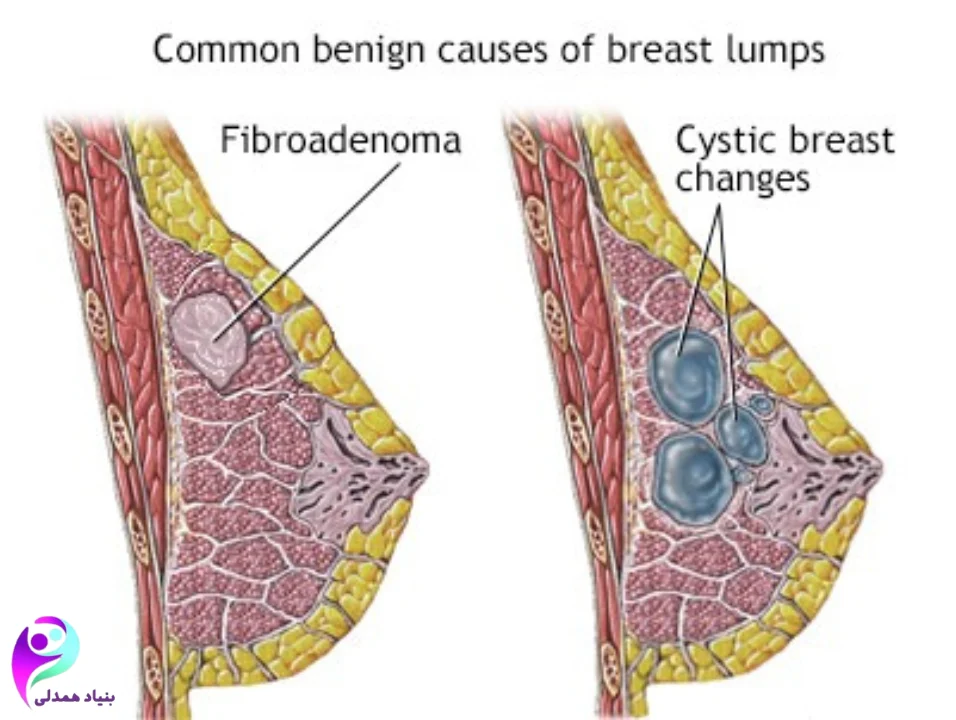
Benign findings: Noncancerous changes that usually do not require follow-up.
Suspicious findings: Need for further investigation with ultrasound or biopsy.
Cancer findings: Presence of malignant cells and need for a treatment plan.
Remember that a “suspicious” result does not necessarily mean cancer; many findings are benign upon final evaluation.
The Role of Lifestyle in Reducing Breast Cancer Risk
Screening is only one part of prevention. To reduce the risk of breast cancer, it is very important to observe the following points:
- Maintaining a healthy weight and exercising regularly
- Eating a diet rich in fruits and vegetables
- Reducing alcohol consumption
- Breastfeeding during pregnancy
- Avoiding the arbitrary use of hormones
The importance of early detection in reducing breast cancer mortality
Research has shown that regular screening can reduce the risk of dying from breast cancer by up to 40%. The reason for this is simple: Early-stage breast cancer is usually limited to the breast tissue and has not yet spread to the lymph nodes or other organs. At this stage, treatments such as surgery, hormone therapy or radiation therapy are much more effective, and the patient has a much higher chance of making a full recovery.
For example, if breast cancer is detected at stage 1, the 5-year survival rate is about 99%. But if it is diagnosed at stage 4, this number drops to under 30%. This dramatic difference doubles the importance of regular screening and periodic visits to the doctor.
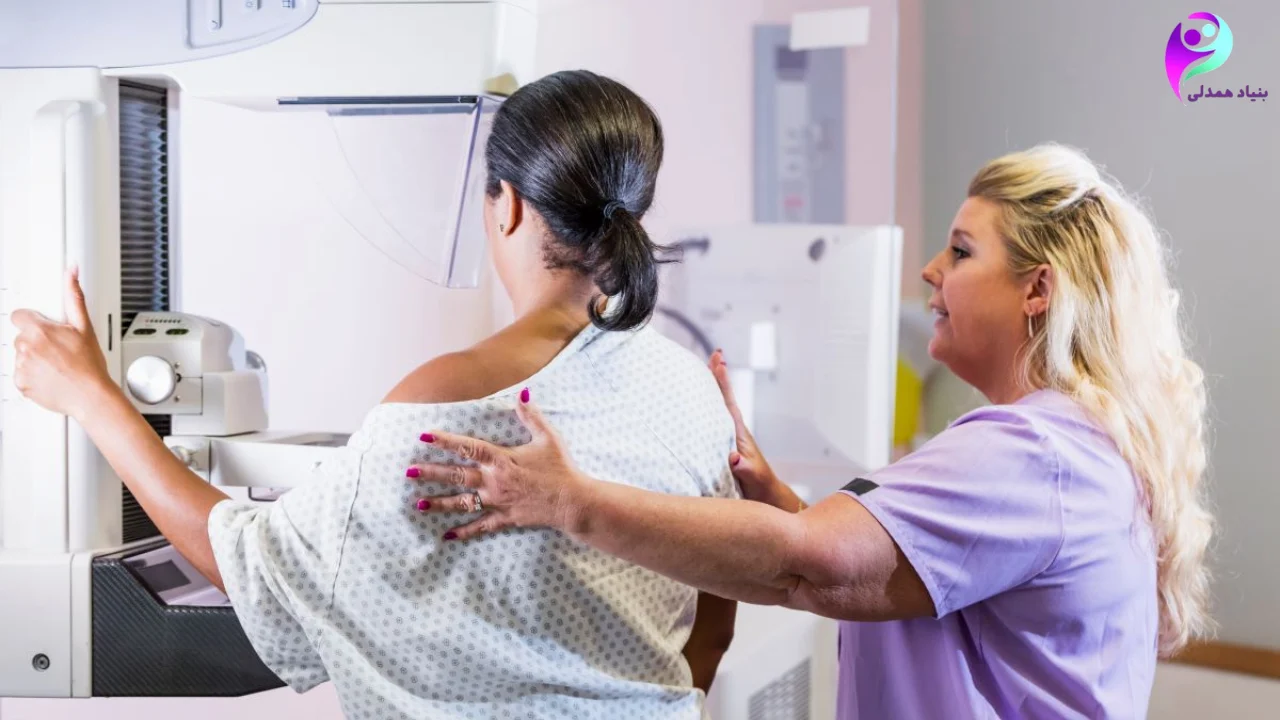
Breast screening, according to the National Cancer Institute, is as follows:
What Is Screening?
Screening is looking for signs of disease, such as breast cancer, before a person has symptoms. The goal of screening tests is to find cancer at an early stage when it can be treated and may be cured. Sometimes a screening test finds cancer that is very small or very slow growing. These cancers are unlikely to cause death or illness during a person’s lifetime.
Scientists are trying to better understand which people are more likely to get certain types of cancer. For example, they look at a person’s age, their family history, and certain exposures during their lifetime. This information helps doctors recommend who should be screened for cancer, which screening tests should be used, and how often the tests should be done.
It is important to remember that your doctor does not necessarily think you have cancer if he or she suggests a screening test. Screening tests are done when you have no cancer symptoms. Women who have a strong family history or a personal history of cancer or other risk factors may also be offered genetic testing.
If a screening test result is abnormal, you may need to have more tests done to find out if you have cancer. These are called diagnostic tests, rather than screening tests.
The Role of Genetics and Additional Tests in Screening
In addition to mammography and other imaging methods, genetics plays a very important role in the prevention and early detection of breast cancer. Some people inherit mutations in the BRCA1 and BRCA2 genes that increase the risk of developing breast cancer by several times.
Genetic tests can identify these mutations and help the doctor design an individualized screening program for the patient. For example:
If the genetic test result is positive, screening may begin at an earlier age.
In some cases, the doctor may even recommend annual MRI instead of mammography.
Therefore, combining routine screening with genetic testing can significantly increase the success rate of early detection.
Lifestyle and its impact on screening results
A healthy lifestyle not only reduces the risk of cancer, but can also play a role in the interpretation of screening results. For example, women who are overweight tend to have denser breast tissue, which can reduce the accuracy of mammography. On the other hand, heavy alcohol or smoking consumption is also directly linked to an increased risk of breast cancer.
Some key tips for women to improve breast health:
Regular exercise: At least 150 minutes of aerobic activity per week.
Healthy diet: Consume fruits, vegetables, whole grains, and reduce processed meats.
Reduce stress: Chronic stress can alter hormone levels and affect breast tissue.
Get enough sleep: Regulate hormones and strengthen the immune system.
Common Challenges of Breast Screening
Although screening is a life-saving procedure, it is not without its challenges. Some of the problems that women and doctors face include:
False positive or negative results:
Sometimes a mammogram may show a suspicious area that turns out to be benign. This can be stressful.
On the other hand, a small lump may be missed by the mammogram.
Pain or discomfort during a mammogram:
Some women complain of mild pain when the breast is pressed, but this pain is temporary and does not cause harm.
Limited access in underserved areas:
In some areas, advanced imaging facilities are not available, which can delay diagnosis.
Fear and anxiety:
Many women avoid screening because they are afraid of the results or hear false stories.
The solution to all these problems is awareness and proper education. Making women aware of the benefits of screening and the process of doing it can remove many of these barriers.
Expert advice to increase screening effectiveness
Oncologists and breast surgeons suggest several effective strategies to make better use of screening:
Schedule carefully: Write down your screening schedule and visit regularly.
Keep records: Keep the results of each test so that your doctor can review any changes.
Go to reputable centers: Choosing imaging centers with advanced devices increases the accuracy of diagnosis.
Genetic counseling: If you have a family history, take genetic counseling seriously.
Healthy lifestyle: Choosing a healthy diet and quitting unhealthy habits will improve screening results.
Common Misconceptions About Breast Screening
There are common misconceptions about screening that can prevent people from getting it done. Here are some of the most common:
❌ “Mammograms are only for older women.”
Fact: Young women at high risk should also start screening earlier.
❌ “If I can’t feel a lump, I don’t need to get screened.”
Fact: Many cancerous lumps cannot be felt in their early stages.
❌ “Mammograms are painful and dangerous.”
Fact: You may feel some discomfort, but they are not severe or dangerous.
❌ “A negative result means I’m always healthy.”
Fact: Being negative does not guarantee permanent health; screening should continue regularly.
The Future of Breast Screening: New Technologies Are Coming
Technological advances have made breast screening methods more accurate and effective every year. Emerging technologies include:
Tomosynthesis: Increasing detection accuracy and reducing false positives.
Artificial Intelligence in Image Analysis: Artificial intelligence algorithms can analyze mammogram images with even greater accuracy than humans.
Biomarkers: In the future, screening may be done with blood tests and cancer markers.
These advances could make screening easier, faster, and more accurate in the near future, and significantly reduce breast cancer mortality.
The role of family and society in raising awareness among women
Breast screening is not only an individual responsibility but also a social issue. Families can play an important role in reducing anxiety by encouraging women to undergo regular examinations and providing psychological support. The media, schools and health centers should also raise public awareness through educational campaigns to reduce fear and misconceptions.
The Bottom Line: Breast Screening Saves Lives
Breast screening is a vital tool for early detection of breast cancer, saving the lives of thousands of women. This simple process can make the difference between successful treatment and disease progression. With regular mammograms, ultrasounds, and other screenings, breast cancer can be detected early and managed with effective treatments.
Remember that screening is not a choice, but a health necessity. If you or a loved one has not yet been screened, talk to your doctor today. Your future health depends on the decision you make today.
Frequently Asked Questions About Breast Screening
1. What is breast screening and what is its purpose?
Breast screening is a set of examination and imaging methods such as mammography, ultrasound and MRI, which are performed with the aim of early detection of breast cancer before symptoms appear. The goal is to detect cancer in its early stages and increase the chance of complete cure and reduce mortality.
2. What is the right age to start breast screening?
For women with normal risk, screening is usually recommended to start at age 40 and should continue every 1 to 2 years. If you have a family history of breast cancer or are genetically at higher risk, your doctor may recommend screening from age 30 or even earlier.
3. Is breast screening painful?
You may feel some pressure or discomfort during a mammogram, as the breast is compressed slightly to take clear images. This discomfort is usually mild and temporary and goes away after the test is over.
4. Should young women get breast screening?
Women under 40 who have a family history of cancer, carry high-risk genes (such as BRCA1 and BRCA2), or have suspicious symptoms should definitely start screening earlier. At this age, ultrasound or MRI is usually recommended instead of mammography, because breast tissue is denser.
5. What is the difference between a mammogram and a breast ultrasound?
Mammography uses X-rays to take pictures and is the best way to detect very small lumps. Ultrasound uses sound waves and is more commonly used to examine palpable lumps or dense breasts. Your doctor may recommend one or both methods, depending on your condition.
6. Is it dangerous to get a mammogram?
Mammography uses a very small amount of radiation, which is considered completely safe. The benefits of detecting breast cancer early far outweigh the small risks of radiation.
Author of the article:Erfan

