

Nutrition after radiation therapy for colon cancer | A complete guide to rebuilding the body and improving patients’ quality of life
Radiation therapy is one of the most effective methods for controlling and treating colon cancer. Despite the high effectiveness of this method, the body undergoes many changes after radiation therapy sessions; from general weakness and digestive problems to decreased appetite and damage to healthy tissues. In the meantime, a systematic and targeted nutrition plays a vital role in rebuilding the body and reducing the side effects of treatment.
The purpose of this article is to provide complete guidance on the best diet plan after radiation therapy for colon cancer, introducing beneficial and harmful substances, and scientific methods for a faster return to the body’s normal state.
The Hamdali Foundation Charity is a support group in the field of helping cancer patients, which aims to reduce treatment concerns, cover essential expenses, and boost patients’ morale. With public donations and the participation of donors, this foundation tries to make the treatment path smoother for patients and their families. If you are interested in supporting, you can do so through online payment, telephone contact, or online chat. Also, people who need help or advice can easily contact the foundation’s support team through these communication channels to receive the necessary guidance.
- The Importance of Nutrition After Radiation Therapy for Colon Cancer
- Key nutritional tips after radiation therapy
- The best food groups for patients after radiation therapy for colon cancer
- Foods to Limit or Eliminate
- The role of supplements in recovery after radiation therapy
- Nourishing the Mind and Soul After Radiation
- Key tips for improving digestion after radiation therapy
- The Role of Hydration in Rebuilding the Body
- Nutrition after radiation therapy for colon cancer from the siteMedical News Today It is as follows:
- Advanced and Scientific Nutrition Tips After Radiation Therapy for Colon Cancer
- Restoring the balance of gut bacteria
- Boost Energy Without Stressing Your Body
- Restorative Drinks for Patients After Radiation Therapy
- The role of exercise and light activity along with nutrition
- Traditional Foods Useful for Regenerating the Body
- Golden Tips for Patients
- Conclusion
- Frequently Asked Questions About Nutrition After Radiation Therapy for Colon Cancer
The Importance of Nutrition After Radiation Therapy for Colon Cancer
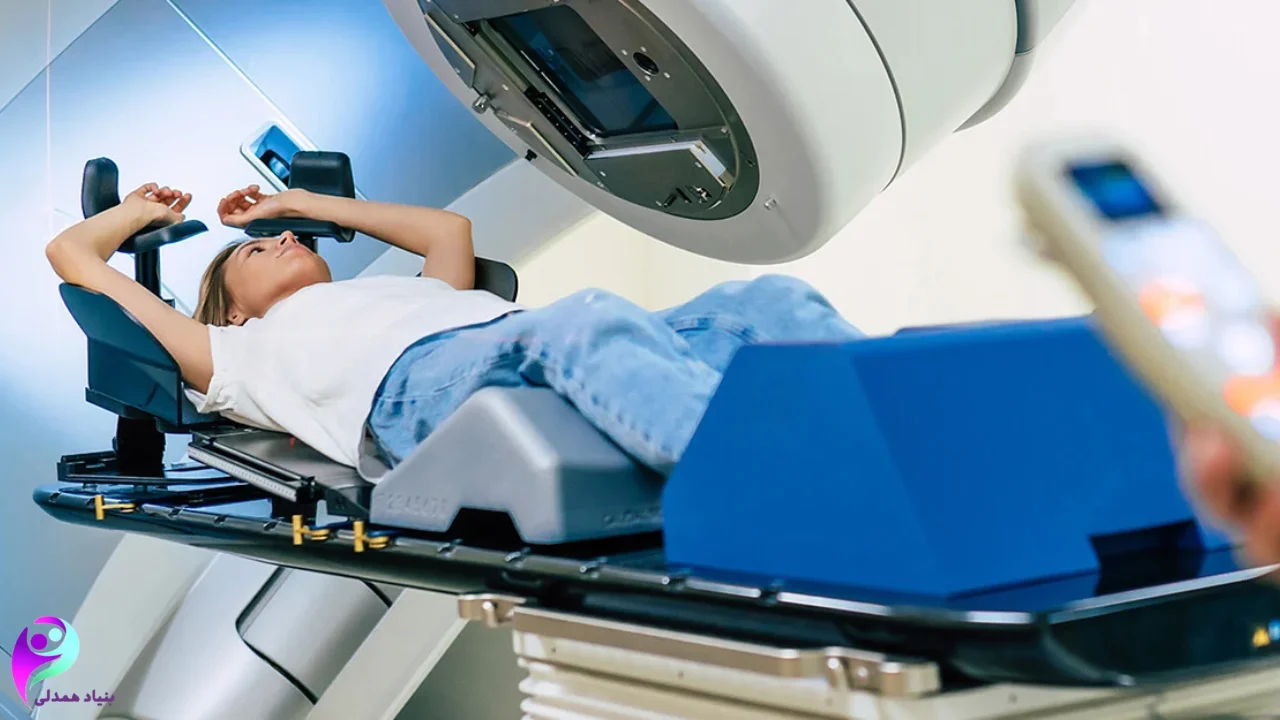
Radiation therapy may cause inflammation of the intestinal lining, nausea, diarrhea, reduced nutrient absorption, and a weakened immune system. In these conditions, the body needs rich, digestible food sources to rebuild cells and maintain energy.
Proper nutrition after radiation therapy can:
Reduce digestive complications.
Strengthen the immune system.
Prevent anemia and malnutrition.
Help rebuild damaged tissues.
Significantly improve the patient’s quality of life.
Key nutritional tips after radiation therapy
1. Small and frequent meals
Instead of three large meals, it is better for the patient to eat 5 to 6 small meals throughout the day. This helps reduce the pressure on the digestive system and prevents a feeling of heaviness.
2. Drink plenty of fluids
Radiotherapy usually causes dehydration and dry tissues. Drinking water, natural fruit juices, non-carbonated yogurt, and light soups can be effective in maintaining the body’s fluid balance.
3. Choose soft and bland foods
In the post-radiation period, the intestinal mucosa is sensitive; therefore, foods that are easy to digest should be used, such as:
Mashed potatoes
Soft-cooked rice
Vegetable soup
Homemade yogurt
Steamed chicken or fish
The best food groups for patients after radiation therapy for colon cancer
✅ Light and digestible proteins
Protein helps rebuild body cells. Good sources of protein include:
Steamed chicken breast
Poached eggs
Baked or grilled white fish
Lentils and peeled beans
Note: Legumes should be fully cooked or sprouted to avoid digestive upset.
✅ Complex and healthy carbohydrates
Simple carbohydrates such as sugar and sweets can exacerbate inflammation. Instead, natural and fibrous sources should be used, such as:
Brown rice
Oatmeal
Potatoes
Whole grain bread
These foods provide sufficient energy and help the normal functioning of the intestine.
✅ Healthy fats
Unhealthy fats should be eliminated and natural and anti-inflammatory fats should be used instead.
Good sources include:
Extra virgin olive oil
Flaxseed oil
Avocado
Nuts and seeds (in moderation)
✅ Healthy fruits and vegetables
Fresh fruits and vegetables contain vitamins, minerals, and antioxidants that help the body repair itself. Good examples include:
Peeled apples
Cooked carrots
Bananas
Zucchini
Sweet potatoes
Cooked spinach
It is recommended to avoid eating raw fruits and vegetables in the first few days after radiation therapy to avoid irritating the digestive tract.
Foods to Limit or Eliminate
During the post-radiation period, certain foods can exacerbate inflammation or digestive problems:
❌ Fatty and fried foods
❌ Fast foods and processed meats (such as sausages and hot dogs)
❌ Spicy and spicy foods
❌ Carbonated drinks
❌ Artificial sweeteners and high sugar
❌ Full-fat dairy products
❌ High caffeine (coffee, energy drinks)
Eliminating these can reduce inflammation in the body and improve bowel function.
The role of supplements in recovery after radiation therapy
Some supplements can help improve the patient’s condition along with diet.
But they should be taken under the supervision of a specialist:
Vitamin D: Boosts immunity and reduces inflammation
Vitamin B12: Helps regenerate blood cells
Zinc: Repairs tissues and prevents infection
Probiotics: Restores beneficial intestinal bacteria
Nourishing the Mind and Soul After Radiation
The body doesn’t just need food; the mind and soul need to be nourished too. Stress can have a negative impact on recovery. Drinking calming teas like chamomile, lemon balm, and boragin, along with meditation, deep breathing, and soothing music, can help improve your mood and the healing process.
Key tips for improving digestion after radiation therapy
Avoid foods that are too hot or too cold.
Chew your food slowly and avoid swallowing quickly.
Stay calm and avoid stress when eating.
Temporarily reduce your fiber intake if you have diarrhea.
Avoid dairy products if you are lactose intolerant.
The Role of Hydration in Rebuilding the Body
Radiation therapy causes dehydration. It is essential to drink at least 8 to 10 glasses of water daily. In addition to water, the following fluids are also recommended:
Coconut water
Low-salt butter
Diluted natural fruit juice
Mild green tea
Nutrition after radiation therapy for colon cancer from the siteMedical News Today It is as follows:
Surgery is the primary treatmentTrusted Source for colorectal cancer and may involve removing some or all of the colon.
Sometimes, postoperative damage may occur in the gastrointestinal tract organs. If this happens, certain foods that a person eats may irritate the intestines or worsen the side effects of surgery.
Cancer Research UK suggests eating small and frequent meals, taking small mouthfuls, and chewing food slowly, as well as making the following dietary choices:
- eating foods that are high in protein and calories, such as meat, fish, and eggs
- eating foods that are low in fiber, such as white bread, white pasta, and peeled, cooked vegetables
- drinking plenty of fluids
- reducing caffeine intake, as caffeine can stimulate the bowels
Advanced and Scientific Nutrition Tips After Radiation Therapy for Colon Cancer
After radiation therapy sessions are over, the body is still healing and requires ongoing care. This period can last from a few weeks to a few months, and the type of nutrition during this period will determine how well the body returns to its natural balance.
Below, we will look at more scientific principles, natural supplements, nutritional restoration programs, and lifestyle recommendations.
Cellular Regeneration Phase; What does the body need?
Cells damaged by radiation therapy need to be repaired. For this process, the body needs a combination of high-quality proteins, antioxidants, essential fatty acids, and minerals.
Key foods in this phase include:
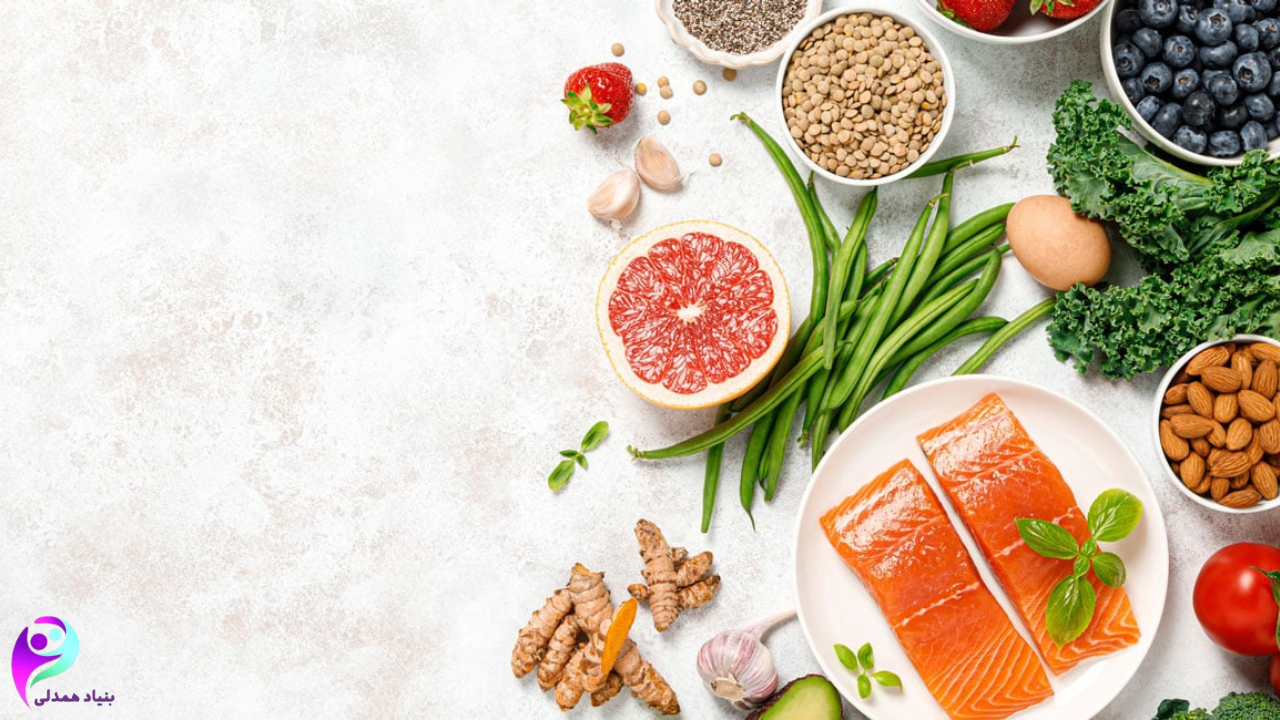
Cooked egg whites: Rich in essential amino acids.
Sprouted lentils: A natural source of protein and iron.
Salmon or trout: Contains omega-3s to reduce inflammation.
Extra virgin olive oil: Protects cells from oxidative damage.
Restoring the balance of gut bacteria
Radiation therapy disrupts the balance of beneficial bacteria in the gut and may cause diarrhea or bloating. To restore this balance, it is essential to consume probiotic and prebiotic foods.
Natural sources of probiotics:
Homemade yogurt or kefir
Slow-fat buttermilk
Fermented vegetables such as homemade pickles (with low salt)
Sources of prebiotics:
Ripe bananas
Oatmeal
Cooked garlic and cooked onions
This combination promotes the growth of beneficial bacteria in the gut and improves digestive function.
Boost Energy Without Stressing Your Body
Many patients complain of general weakness and fatigue after radiation therapy. To restore energy without irritating the intestines, it is best to use healthy carbohydrates and natural sugar sources.
Good options include:
- Baked or mashed potatoes
- Brown rice
- Natural honey (in moderation)
- Crushed dates
- Barley soup
In addition to providing energy, these foods also provide the body with the nutrients it needs.
Restorative Drinks for Patients After Radiation Therapy
During this period, drinks play an important role in detoxification, calming the nerves, and rehydrating the body. Some of the beneficial drinks include:
Chamomile tea: anti-inflammatory and soothing to the intestines.
Natural carrot and apple juice: contains beta-carotene and powerful antioxidants.
Natural coconut water: an excellent replacement for electrolytes.
Mild green tea: reduces cellular oxidative stress.
Bone broth: a source of collagen for tissue regeneration.
Foods to Repair the Gut Wall
Radiation therapy may cause inflammation of the gut wall and damage to epithelial cells. Some foods directly help repair this area:
Natural gelatin (in desserts or soups)
Cooked pumpkin
Soft white rice
Poached eggs
Natural coconut oil
These ingredients prevent intestinal irritation and help restore the protective layer of the gut.
Managing Digestive Problems After Treatment
Many patients experience bloating, diarrhea, constipation, or loss of appetite after radiation therapy. Natural solutions for each problem are as follows:
▪ For bloating:
Avoid raw or undercooked legumes
Consume mild ginger or mint tea
▪ For diarrhea:
Eat bananas, white rice, and toast
Avoid fatty and high-fiber foods
▪ For constipation:
Drink warm water with lemon on an empty stomach
Add olive oil to meals
Eat cooked vegetables and soluble fiber
▪ For loss of appetite:
Eat small meals with attractive colors and aromas
Drink natural fruit juice before meals to stimulate appetite
The role of vitamins in body regeneration
Vitamins play a key role in body regeneration after radiation therapy.
Here are some vitamins and suitable food sources:
Emotional and mental nutrition; complementing physical health
Radiation therapy affects not only the body but also the mind. Anxiety, fear, and depression are common during this phase.
Foods with calming and mood-boosting properties include the following:
Dark chocolate (in moderation)
Omega-3 fatty fish
Nuts such as walnuts and almonds
Lemon and borscht tea
Probiotic yogurt, which is associated with the brain-gut axis
These substances increase the secretion of serotonin and give the patient a feeling of calm.
The role of exercise and light activity along with nutrition
The body may feel weak after radiation therapy, but gentle daily movement such as short walks, light stretching, or breathing exercises can:
- Increase blood circulation,
- Help better digestion,
- And prevent constipation.
Light exercise, along with proper nutrition, speeds up recovery.
Traditional Foods Useful for Regenerating the Body
In traditional Iranian medicine, certain foods are also recommended for recovery after heavy treatments, such as:
Barley soup with saffron and turmeric: Reduces inflammation.
Wheat soup with cooked vegetables: Strengthens the immune system.
Almond puree: Helps repair tissues.
Plum juice and vegetables: Natural source of calcium and protein.
These foods, along with a scientific diet, can increase the body’s strength for regeneration.
Golden Tips for Patients
Eat meals at lukewarm temperatures.
Avoid spicy foods.
Eat each meal slowly.
Prioritize adequate sleep and rest.
Check your weight weekly to detect signs of malnutrition early.
Only start taking supplements with your doctor’s advice.
Consult a nutritionist if you experience symptoms such as severe nausea, diarrhea, or prolonged loss of appetite.
Conclusion
Nutrition after radiation therapy for colon cancer plays a crucial role in speeding up recovery, reducing treatment complications, and increasing physical strength. Choosing natural, soft, and anti-inflammatory foods, along with drinking enough fluids and avoiding heavy foods, can help the body rebuild.
Patients who adjust their diet in consultation with a doctor or nutritionist usually have better tolerance to treatments and experience a higher quality of life.
Frequently Asked Questions About Nutrition After Radiation Therapy for Colon Cancer
1. When can you resume a normal diet after radiation therapy for colon cancer?
This depends on the digestive status and the severity of the treatment side effects. Usually, after 3 to 6 weeks, as bowel movements improve and inflammation decreases, you can gradually return to a normal diet. Your doctor or nutritionist should determine your individual plan.
2. Is dairy allowed after radiation therapy?
In the first weeks after radiation therapy, your body may become more sensitive to lactose and consuming milk or high-fat dairy products may cause bloating or diarrhea. It is better to use lactose-free dairy products or low-fat probiotic yogurt so that the digestive system can adapt slowly.
3. What are the best drinks for patients after radiation therapy?
Water, mild teas such as chamomile and ginger, coconut water, natural apple juice, and thin soups are the best options. Carbonated drinks, coffee, and strong tea should be avoided to prevent intestinal irritation.
4. Should fiber be consumed or eliminated during this period?
In the early days after radiation therapy, excessive fiber intake can cause bloating and diarrhea. Therefore, soluble fiber (such as oatmeal and baked apples) should be used and gradually increased. Insoluble fiber such as bran and raw vegetables should be added in later stages.
5. Is it beneficial to take supplements after radiation therapy?
Yes, but only under the supervision of a doctor. Supplements such as vitamin D, vitamin B12, probiotics, and omega-3 usually help strengthen the immune system and repair tissues. Taking supplements on their own may cause drug interactions.
6. Why should patients eat small, frequent meals after radiation therapy?
Because the digestive system is sensitive after radiation therapy, and heavy meals can cause nausea or stomach pain. Dividing meals into 5 to 6 small meals a day helps to better absorb nutrients and maintain energy.
Author of the article:Erfan

