
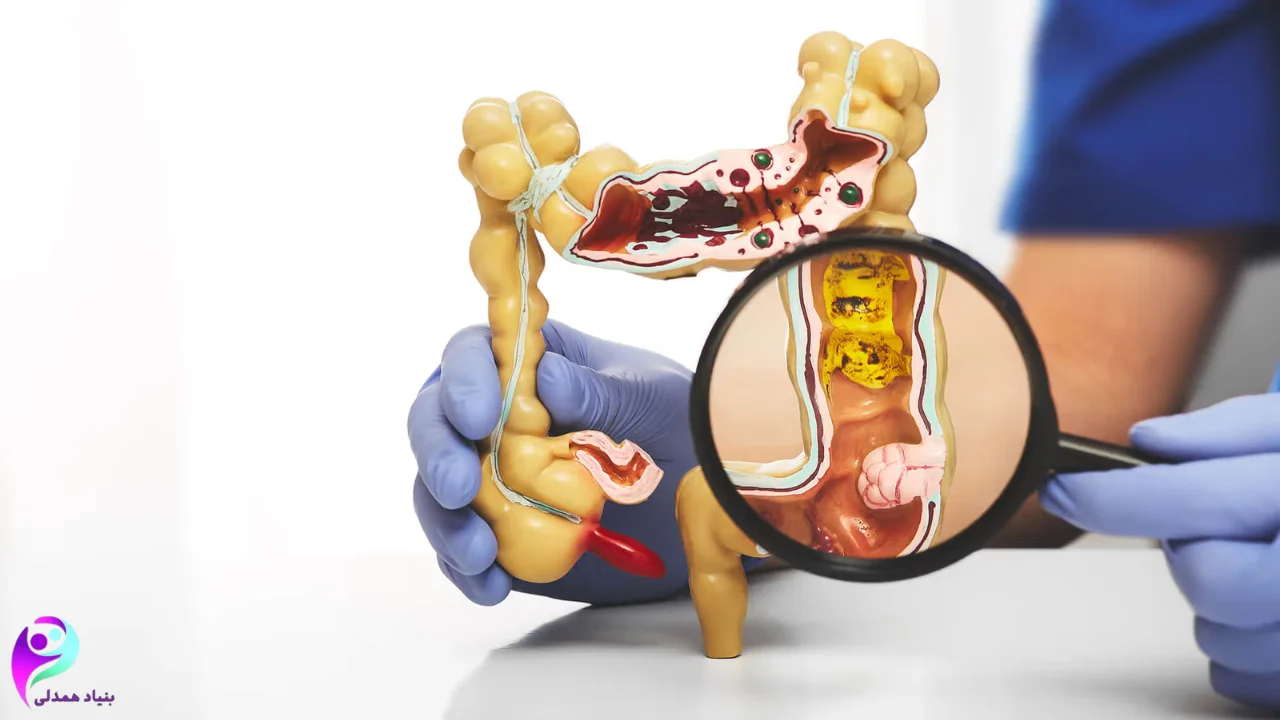
Methods for diagnosing colorectal cancer: The Most Complete and Accurate Guide
Colorectal cancer (cancer of the colon and rectum) is one of the most common types of digestive cancer, and early detection can significantly increase the chances of cure. Global research shows that if this cancer is detected in the early stages, the success rate of treatment will be more than 90%.
For this reason, accurate knowledge of colorectal cancer diagnosis methods is of great importance; both for people at risk and for the general public from the age of 45 and above.
In this article, we will review all diagnosis methods—from the simplest home tests to the most advanced imaging methods—in simple language so that you can better decide when and which method to use.
The Hamdali Foundation Charity is a support group in the field of helping cancer patients, which aims to reduce treatment concerns, provide necessary expenses, and boost patients’ morale. The foundation, with public donations and the participation of donors, tries to make the treatment path smoother for patients and their families. If you would like to support, you can do so through online payment, telephone contact, or online chat. Also, those who need help or advice can simply contact the foundation’s support team through these communication channels to receive the necessary guidance.
- What is colorectal cancer and why is early detection important?
- Symptoms that may prompt a referral for diagnostic testing
- The most important methods for diagnosing colorectal cancer
- Colonoscopy: The most accurate and important diagnostic method
- Sigmoidoscopy; a lighter version of colonoscopy
- Stool tests to detect colorectal cancer
- CT colonography (virtual colonoscopy)
- Limitations
- Biopsy: The only definitive way to diagnose colorectal cancer
- Why is a biopsy definitive?
- Who should have regular screening?
- The best detection method for each group
- Differences between screening and diagnosis methods in colorectal cancer
- What factors affect the accuracy of the tests?
- The role of lifestyle in choosing the type of diagnostic test
- The role of genetics in the diagnosis of colorectal cancer
- The importance of early diagnosis for less invasive treatments
- Can home tests replace colonoscopy?
- The role of AI in colorectal cancer diagnosis
- Should young people also use colorectal cancer screening methods?
- Important tips for preparing before a colonoscopy
- Can new methods detect cancer before a tumor forms?
- Summary
- Frequently Asked Questions
What is colorectal cancer and why is early detection important?
Colorectal cancer usually starts as small, benign polyps in the colon. Over time and without diagnosis, these polyps can become cancerous.
Important note:
✔️ Detecting polyps before they become cancerous is one of the greatest medical opportunities for cancer prevention.
Early detection:
- Higher chance of complete cure
- Reduced need for chemotherapy or major surgery
- Maintains patient quality of life
That’s why global organizations recommend that people start screening at age 45—even without symptoms.
Symptoms that may prompt a referral for diagnostic testing
Many patients have no symptoms in the early stages, but the following should be checked:
- Persistent changes in bowel habits
- Blood in the stool
- Sudden weight loss
- Unusual weakness and fatigue
- Feeling of incomplete bowel emptying
- Long-term abdominal pain and bloating
- If these symptoms are present, the doctor will usually prescribe one or more diagnostic procedures.
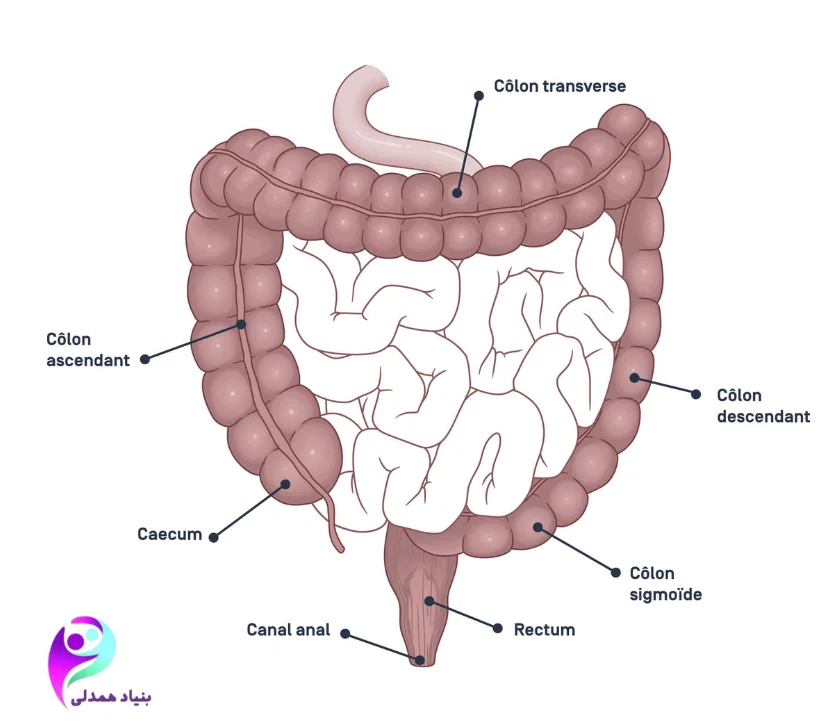
The most important methods for diagnosing colorectal cancer
Diagnostic methods for this cancer are divided into several main groups:
Endoscopic methods
Colonoscopy
Sigmoidoscopy
Stool sampling-based methods
FIT
FOBT
FIT-DNA
Imaging methods
CT colonography (virtual colonoscopy)
Blood tests and tumor markers
Biopsy
New methods based on genetics and biological fluids
We will explain each one in detail below.
Colonoscopy: The most accurate and important diagnostic method
What is a colonoscopy?
Colonoscopy is an advanced endoscopic procedure that uses a long, thin tube equipped with a camera to examine the entire colon.
Benefits of colonoscopy
✔️ The most accurate method for diagnosing colorectal cancer
Ability to view the entire colon
Detection of millimeter-sized polyps
Polyps can be removed in the same session
Simultaneous biopsy
Complete examination of the colon
This feature makes colonoscopy the gold standard of diagnosis. No other method has the same accuracy.
Accuracy rate
Above 95% for detecting large lesions
Between 80 and 90% for small polyps
Who is it recommended for?
People over 45
People with a family history
Patients with symptoms
Sigmoidoscopy; a lighter version of colonoscopy
Sigmoidoscopy examines the last part of the large intestine (rectum and sigmoid colon).
Advantages
- Simpler and faster
- Less need for anesthesia
- Lower cost
- Limitations
This procedure examines only the last third of the intestine, so lesions in the upper sections may not be detected.
Suitable for initial screening, but not a complete replacement for colonoscopy.
Stool tests to detect colorectal cancer
These tests are especially useful for annual screening and do not require anesthesia or sophisticated equipment.
a) FIT test (fecal immunochemical test)
This test checks for the presence of hidden blood in the stool.
Advantages:
Quick and inexpensive
No diet required
More accurate than FOBT
Accuracy:
About 70% for active cancers
b) FOBT test (fecal occult blood test)
This is the traditional and older version and is less accurate.
Important drawback:
Foods consumed and some medications can affect it.
c) FIT-DNA test (known as Cologuard)
This is the most advanced stool test.
What does it check for?
Hidden blood
Genetic changes associated with cancer
Accuracy:
Between 92 and 95%
Suitable for home screening with high accuracy.
CT colonography (virtual colonoscopy)
This method uses CT images to create a 3D image of the colon.
Benefits
- Non-invasive
- No anesthesia
- Viewing of large sections of the intestine
Limitations
- If polyps are seen, you will need to have another colonoscopy
- Less accurate than a real colonoscopy
Used as an alternative for people who are unable to have a colonoscopy.
Blood tests and tumor markers
The most well-known blood marker for colorectal cancer is CEA (carcinoembryonic antigen).
Important points:
- This test is not sufficient for early diagnosis
- It is mostly used to monitor treatment and recurrence
- High levels of CEA can be a sign of tumor growth
The blood test alone does not prove cancer, but it is an important complement to imaging methods.
Biopsy: The only definitive way to diagnose colorectal cancer
A biopsy means removing a tissue sample from the intestine and examining it under a microscope.
Why is a biopsy definitive?
Because the cells are directly observed and the pathologist determines whether the cells are cancerous.
How is it done?
It is usually done during a colonoscopy and is painless.
New and promising methods for diagnosing colorectal cancer
Modern medicine is moving towards methods that:
✔ Are non-invasive
✔ Have very high accuracy
Can detect cancer before a tumor forms
Some of these techniques:
1. Liquid Biopsy
Identifies tumor DNA in the blood.
The future of cancer diagnosis!
2. Advanced molecular tests
Investigates mutated genes associated with cancer.
3. Artificial intelligence in colonoscopy
Algorithms detect tiny polyps faster than humans.
Who should have regular screening?
High-risk groups include:
- People over 45
- People with a family history of colon cancer
- People with precancerous polyps
- Patients with inflammatory bowel disease (IBD)
- Smokers
- People with a sedentary lifestyle
If you are in this category, a colonoscopy is necessary every 5 years or as recommended by your doctor.
The best detection method for each group
Asymptomatic individuals
FIT annually
- FIT-DNA every 3 years
- Colonoscopy every 10 years
- Individuals with gastrointestinal symptoms
Colonoscopy
CT colonography if endoscopy is not possible
High-risk individuals
Regular colonoscopy from a younger age (30–40 years)
Differences between screening and diagnosis methods in colorectal cancer
Many people think that “screening” and “diagnosis” are the same concept, when in fact the two are completely different.
🔸 What is screening?
Screening is the examination of “healthy, asymptomatic” people to detect changes in the colon before they develop into cancer.
Screening methods include:
FIT
FIT-DNA
FOBT
Regular colonoscopy
CT colonography in some situations
🔸 What is diagnosis?
Diagnosis is when symptoms are present or the screening is abnormal and the doctor needs to do a more detailed examination.
Diagnostic methods include:
Colonoscopy
Biopsy
Detailed imaging
Supplementary laboratory tests
This important distinction helps people know which test is most appropriate for them.
What factors affect the accuracy of the tests?
The accuracy of the tests is not constant and depends on various factors:
1. The quality of bowel preparation
In colonoscopy, if the bowel is not completely emptied, small polyps will not be seen.
For this reason, doctors usually ask the patient to:
Have a liquid diet the day before
Use bowel cleansing solutions
2. Doctor’s experience
It has been proven worldwide that doctors with more experience have a higher diagnosis rate.
3. Type and quality of laboratory testing
Especially in FIT and DNA tests, newer devices are more accurate.
4. Patient’s age and family history
People with a family history usually form polyps earlier, so the tests should be more sensitive and with a shorter interval.
The role of lifestyle in choosing the type of diagnostic test
The choice of diagnostic method does not depend only on age and family history; lifestyle also has an impact.
🔹 People with little activity and obesity
are at higher risk and should choose more detailed tests such as colonoscopy.
🔹 People who smoke or drink alcohol
are at higher risk and screening should start at a younger age.
🔹 People with a low-fiber diet
These people are more likely to form polyps.
🔹 People with a high-fiber diet
can use less invasive tests such as FIT, but it is still recommended to have a colonoscopy every 10 years.
The role of genetics in the diagnosis of colorectal cancer
The presence of certain genes increases the risk of cancer. The most important ones are:
- APC
- MLH1
- MSH2
- PMS2
- MUTYH
People with genetic mutations should:
✔ Start screening earlier (even from the age of 25–30)
✔ Have a colonoscopy every year or every two years
Currently, genetic tests can determine a person’s risk, but a colonoscopy and biopsy are needed to definitively diagnose cancer.
The importance of early diagnosis for less invasive treatments
Early diagnosis not only increases the chances of cure, but also prevents the patient from having to undergo difficult and burdensome treatment.
If cancer is diagnosed at an early stage:
Light surgery is performed
The patient does not need chemotherapy
The recovery period is shorter
The patient’s quality of life is maintained
But if it is diagnosed late:
Needs extensive surgery
Chemotherapy
Radiotherapy
Heavy costs
That is why doctors emphasize:
Regular screening = saving lives
Can home tests replace colonoscopy?
The short answer is: No.
But they can be a great complement.
Home tests are suitable for:
✔ People without symptoms
✔ Routine screening
✔ People who do not want to have a colonoscopy at this time
But if:
The test is positive
Or there is a family history
Or there are suspicious symptoms
In any case, a colonoscopy should be done.
The role of AI in colorectal cancer diagnosis
In recent years, AI technology has rapidly entered the field of colorectal cancer diagnosis.
Applications:
🔸 Detection of tiny polyps in colonoscopy
AI analyzes camera images in real time and identifies hidden polyps.
🔸 Increase the accuracy of doctors’ diagnosis
Studies have shown that the use of AI reduces the rate of missing polyps by 50%.
🔸 Analysis of DNA and genetic tests
Algorithms can better recognize genetic mutation patterns.
This will revolutionize the future of diagnosis methods.
Should young people also use colorectal cancer screening methods?
Unfortunately, global statistics have shown that the incidence of colorectal cancer in young people (under 45 years of age) is increasing.
Possible causes:
- Poor diet
- Obesity
- Inactivity
- Consumption of processed foods
Therefore:
Young people should use FIT tests or colonoscopy, especially if they have symptoms.
If there is a family history, screening should start 10 years earlier than the age of the affected person in the family.
Important tips for preparing before a colonoscopy
Proper preparation can increase the accuracy of diagnosis by up to 30%.
Most important tips:
- Reduce high-fiber foods three days before
- Drink plenty of fluids
- Consume only clear liquids the day before the colonoscopy
- Take your doctor’s prescribed medications exactly
- Failure to follow these tips may result in a repeat test.
Can new methods detect cancer before a tumor forms?
Yes.
Some modern methods, such as DNA and fluid biopsies, can detect genetic changes in cells before a tumor forms.
This means:
✔ More effective prevention
✔ Much earlier detection
✔ Lower treatment costs
But these technologies are not yet available in all countries.
Summary
Colorectal cancer screening methods range from simple stool tests to the most advanced endoscopic procedures.
But the gold standard remains colonoscopy, a procedure that not only detects but can remove precancerous polyps on the spot.
Frequently Asked Questions
1. What is the most accurate way to diagnose colorectal cancer?
Without a doubt, a colonoscopy.
2. Can the FIT test detect cancer 100% of the time?
No. If it is positive, a colonoscopy must be performed.
3. Is a colonoscopy painful?
It is usually performed under short-term anesthesia and the patient does not feel any pain.
4. Is it possible to have colorectal cancer without symptoms?
Yes. That is why screening is essential from the age of 45.
5. What is the best home test for diagnosis?
The FIT-DNA test is the most accurate home test.
Author of the article:Erfan
